Manitoba Towing Rules for a Sled
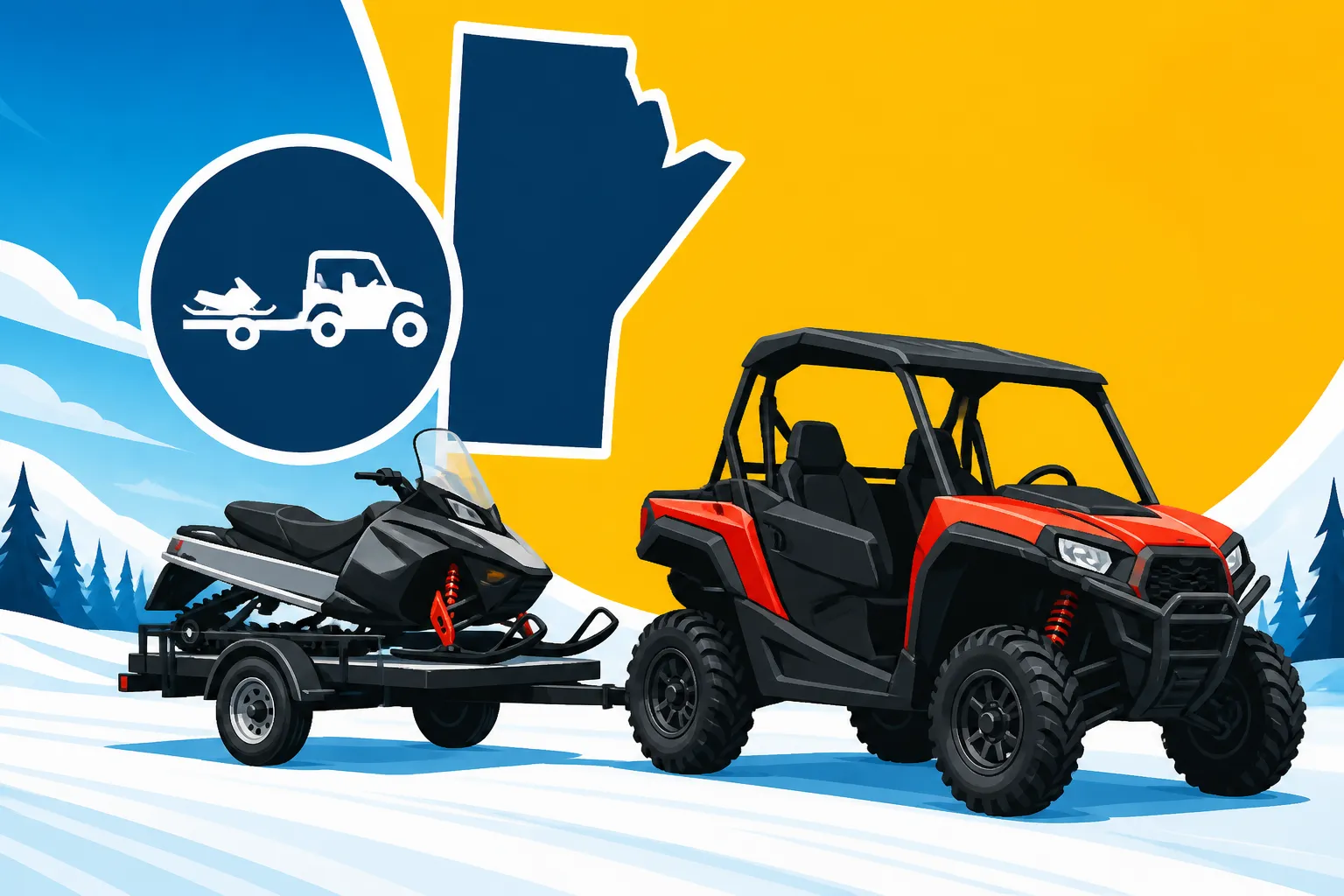
Hauling a broken-down snowmobile out of the bush or pulling a utility sled packed with gear can quickly turn into a stressful situation if you're not clear on Manitoba's towing regulations. Nobody wants to get a ticket or, worse, cause an accident just because they weren't sure about the rules for their ATV or UTV. This guide will meticulously break down everything you need to know about legally and safely towing a sled with your off-road vehicle in our beautiful province.
Understanding the Basics of Towing a Sled in Manitoba
When you're out on the trails or exploring Manitoba's vast backcountry, there might come a time when you need to tow something. Maybe a friend's snowmobile has called it quits a long way from home, or perhaps you're using your ATV to haul a utility sled full of firewood back to the cabin. While it might seem straightforward, there are specific rules and best practices in place that you absolutely need to know to stay safe and legal.
Why Towing Rules Exist
Let's face it, nobody loves a bunch of rules, but when it comes to towing, these regulations are really there for everyone's safety. An off-road vehicle, whether it's an ATV or a side-by-side, handles very differently when it's pulling a load, especially across varied terrain like snow, ice, mud, or uneven trails. Without proper guidelines, the risk of losing control, jackknifing, or causing a collision increases significantly. These rules help ensure that both the operator of the towing machine and other trail users are protected from potential hazards. It's all about shared responsibility and making sure our outdoor spaces remain safe for everyone to enjoy.
Beyond safety, these rules also help prevent damage to the environment and the trails we all rely on. An improperly towed machine can dig up trails, snag on obstacles, or even leave debris behind. By understanding and adhering to the guidelines, we contribute to maintaining the integrity of Manitoba's beautiful natural landscapes and designated riding areas. It's a small effort that goes a long way in preserving our riding opportunities for years to come.
Types of Machines and Sleds Covered
When we talk about "towing a sled," it can encompass a few different scenarios in the off-road world. Primarily, we're often thinking about towing a disabled snowmobile with an ATV or UTV. Snowmobiles, being another type of off-road vehicle, fall under specific regulations when being towed by another ORV. It's crucial to differentiate your towing machine's capabilities – an ATV (quad) will have different towing limits and stability compared to a UTV (side-by-side), which generally offers more robust towing capacity and a wider stance for better stability.
However, "sled" can also refer to utility sleds or cargo toboggans, which are commonly used to haul gear, hunting supplies, ice fishing equipment, or even firewood. While these might not always be subject to the exact same "vehicle towing vehicle" rules, you still need to exercise caution and adhere to general safe towing practices. Always, always check your machine's owner's manual for its maximum towing capacity. Exceeding this limit is not just illegal; it's a recipe for mechanical failure and a dangerous situation on the trail. Ignorance of your machine's limits is one of the biggest mistakes riders make, and it can put both your equipment and your safety at risk.
Rigid Bar vs. Rope/Chain Towing
This is one of the most critical distinctions in Manitoba's towing rules for off-road vehicles. If you are towing another off-road vehicle (like a disabled snowmobile) with your ATV or UTV, the law explicitly requires you to use a rigid tow bar. You absolutely cannot use a rope, chain, or any other flexible tether for this purpose. This rule is in place for very good reasons, primarily safety and control. A rigid bar ensures that there's no slack in the connection, preventing sudden jerks, uncontrolled movements, and the dangerous possibility of the towed machine veering off course or colliding with the towing vehicle.
Imagine trying to stop quickly with a rope connecting two machines; the towed snowmobile could easily run into the back of your quad, causing damage or injury. A rigid bar maintains a consistent distance and allows for more predictable braking and steering. While a rope or chain might seem like a quick fix in a pinch, it's incredibly dangerous and illegal when towing another ORV. For utility sleds or cargo toboggans that are not self-propelled vehicles, a rope might sometimes be used, but even then, safety dictates using a sturdy, purpose-built tow rope and keeping the length manageable to maintain control and prevent the load from swinging wildly, especially on uneven terrain. Always consider the inherent risks and prioritize safety over convenience.
Specific Regulations for Towing a Sled
Manitoba's regulations are designed to keep everyone safe, and they get pretty specific about how you can tow. Knowing these details is not just about avoiding a ticket; it's about preventing serious accidents. From the length of your tow bar to how visible your setup is, every detail counts, especially when you're far from any help.
Tow Bar Requirements and Length
When it comes to towing another off-road vehicle, such as a snowmobile, with your ATV or UTV, Manitoba law mandates the use of a rigid tow bar, and there's a strict length limit: it must not exceed three metres (approximately 10 feet) in length. This isn't an arbitrary number; it's carefully chosen to provide a safe balance between maneuverability and control. A tow bar that's too long can make turns incredibly difficult, especially on winding trails or through dense bush, and increases the risk of the towed machine swinging out unexpectedly. Conversely, one that's too short might not give you enough room to react or brake effectively, leading to potential collisions.
The rigidity of the tow bar is paramount. It needs to be constructed from sturdy material, like steel, and securely attached to both the towing and the towed machine to eliminate any slack or play. This firm connection ensures that the towed vehicle tracks predictably behind you, responding to your steering and braking inputs more reliably. Using a weak or improperly secured tow bar is just as dangerous as using a rope, as it can fail under stress, potentially leading to a runaway snowmobile or serious damage. Always ensure your tow bar is in good condition, free from bends or cracks, and properly rated for the weight you intend to tow.
Lighting and Visibility Considerations
Visibility is a non-negotiable aspect of safe towing, especially if you find yourself operating during periods of low light or poor weather conditions. If you are towing a sled, particularly a disabled snowmobile, after sunset, before sunrise, or in any situation where visibility is reduced (think heavy snow, fog, or even dense bush), the towed machine must have working tail lights and reflectors. It's not enough for just your ATV or UTV to have lights; the object being towed needs to be clearly visible to anyone approaching from behind or the side. This is crucial for preventing rear-end collisions, which can be particularly dangerous on trails where reaction times might be limited.
Beyond the legal requirement, it's always a good practice to enhance visibility for any towed load, regardless of the time of day. Consider attaching bright orange or red flags to the farthest points of the towed sled, especially if it extends beyond the width of your towing machine. Reflective tape can also be added to the sides and rear of the sled to catch light from other vehicles. Remember, officers perform [Manitoba Equipment Checks by Officers] and will definitely be looking for proper lighting and visibility, so ensuring your setup is clearly seen from all angles is not just about compliance but also about prioritizing the safety of everyone sharing the trail.
Passenger Rules While Towing
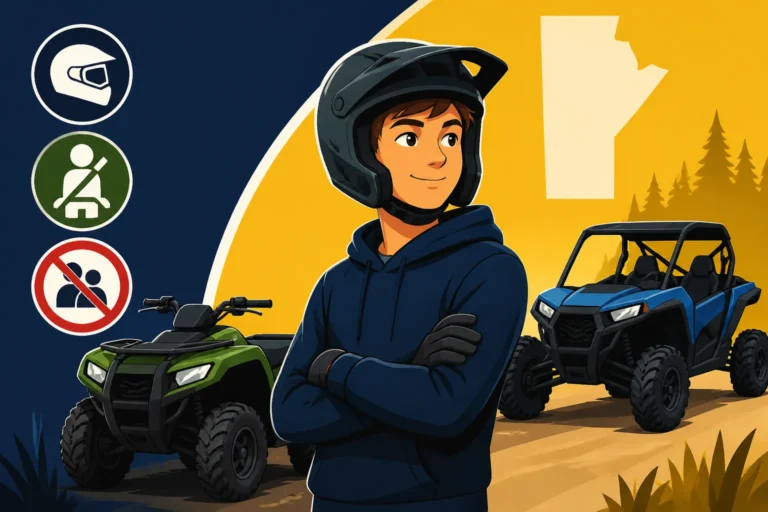
This is a rule that often gets overlooked, but it's critically important for safety: you cannot have passengers on a towed snowmobile or utility sled. This applies even if the snowmobile is designed to carry a passenger, or if the utility sled looks like it could comfortably seat someone. When a machine is being towed, it is no longer under its own control, and any sudden movements, turns, or braking from the towing vehicle can cause the towed unit to become unstable. A passenger on a towed sled would be in an incredibly vulnerable position, with no control over their movement and a high risk of being thrown off or sustaining serious injury.
This rule emphasizes that a towed vehicle, especially a disabled one, is essentially cargo. Its primary purpose is to be transported safely, not to carry additional people. The only exception might be in an extreme emergency, but generally, the rule is absolute. If you're out with a group and a machine breaks down, the passenger from the disabled sled needs to find a spot on another operating ORV that is designed for carrying passengers, or walk if no safe ride is available. Prioritizing rider safety over convenience in these situations can prevent devastating accidents and help you avoid [Manitoba Ticket Costs for Riders] or even more severe [Manitoba Careless Operation Penalties].
Practical Tips and Best Practices for Safe Towing
Navigating Manitoba's diverse landscapes while towing requires more than just knowing the rules; it demands skill, preparation, and common sense. Even with the right equipment, poor judgment can quickly turn a simple tow into a dangerous situation. Think of these tips as your go-to guide for ensuring every towing job is completed safely, for you, your machine, and anyone else on the trail.
Pre-Trip Checks for Your Towing Setup
Before you even think about putting your ATV or UTV into gear with a sled hooked up, a thorough pre-trip inspection is non-negotiable. This isn't just a suggestion; it's a critical step that can prevent breakdowns or, worse, accidents. Start with the tow bar itself: check for any signs of damage, like bends, cracks, or excessive wear. Ensure that all connection points—the hitch on your towing machine and the attachment points on the sled—are secure, free of corrosion, and properly fastened. There should be no wiggling or play beyond what's inherent in the hitch design.
Next, focus on the towed sled. If it's a snowmobile, check its skis or track for any obvious damage that could cause it to drag or become unstable. If it's a utility sled, ensure your load is evenly distributed and securely fastened. Nothing is worse than having your gear shift mid-tow, potentially throwing off your balance or even falling out. Don't forget your lights! Verify that all necessary lights and reflectors on both the towing and towed units are clean and fully functional, especially if you anticipate riding into the evening or in low visibility conditions. A quick walk-around can often reveal potential issues before they become major problems, aligning perfectly with the spirit of [Manitoba Equipment Checks by Officers].
Navigating Different Terrains Safely
Manitoba's trails offer everything from wide-open frozen lakes to winding bush paths, and each presents its own set of challenges when towing. The golden rule for all terrains is simple: significantly reduce your speed. Your ATV or UTV's handling, braking, and acceleration capabilities are all compromised when towing, so giving yourself more time to react is key. When turning, remember that your turning radius will be much wider, and the towed sled will cut a tighter corner than your towing machine. Take wide, sweeping turns, always being aware of the position of the sled behind you, especially around trees or other obstacles.
On inclines and declines, use your machine's engine braking as much as possible to control your descent, rather than relying solely on your mechanical brakes. This prevents overheating and maintains better control. When going uphill, gentle, consistent throttle application is better than sudden bursts, which can cause the towed sled to buck or lose traction. Be extra cautious on slippery surfaces like ice, deep snow, or mud, where traction is already limited. Your stopping distance will increase dramatically, so anticipate stops much earlier. If you're considering ditch riding or crossing roads with a towed sled, remember to consult [Manitoba Ditch Riding Rules] and [Manitoba Crossing Rules at 5 Metres and 3 Kilometres] for specific regulations that apply, as towing may introduce additional restrictions or hazards.
Avoiding Common Towing Mistakes
Even experienced riders can fall victim to common towing blunders if they're not careful. One of the biggest mistakes is overloading your towing machine. Exceeding your ATV or UTV's manufacturer-specified towing capacity puts immense strain on the engine, transmission, and frame, leading to premature wear, potential failure, and a very unstable ride. Always weigh your load and ensure you're well within limits. Another frequent error is excessive speed. As mentioned, going too fast significantly reduces your control, increases stopping distances, and can easily lead to a jackknifed sled or a complete loss of control, especially on bumpy or uneven surfaces. Slow and steady truly wins the race when towing.
Improper attachment is another critical mistake. Using worn-out straps, inadequate hitches, or failing to double-check connections can result in your towed sled breaking free, becoming a dangerous projectile. Always use equipment rated for the weight and forces involved. Finally, if you're towing with a buddy helping you, lack of clear communication can cause problems. Agree on hand signals or radio protocols beforehand to ensure you're both on the same page, especially when maneuvering in tight spots or on challenging terrain. By being mindful of these common pitfalls and planning your tow carefully, you'll greatly reduce the risk of incidents and avoid potential trouble, which could range from minor [Manitoba Ticket Costs for Riders] to more severe [Manitoba Careless Operation Penalties]. Don't forget, if you're venturing out onto a [Manitoba Rules for Riding a Frozen Lake], these rules become even more critical due to the unpredictable nature of ice.
The Role of Accessories and Aftermarket Gear
While sticking to the letter of the law is crucial for towing, having the right gear can make the job safer, easier, and more efficient. Aftermarket accessories aren't just for looking cool; many are designed to enhance your machine's utility and safety, especially when it comes to the demands of towing in Manitoba's varied conditions. Investing in quality equipment means you're not just ready for the unexpected but you're also elevating your overall riding experience.
Heavy-Duty Tow Bars and Hitches
When the provincial regulations specify a "rigid tow bar," it's not just a suggestion to grab any old piece of pipe. Investing in a purpose-built, heavy-duty tow bar and a robust hitch system is arguably the most important accessory for safe towing. These aren't just stronger; they're designed with specific connection points and articulation in mind, ensuring a secure, predictable link between your ATV or UTV and the towed sled. Brands like SuperATV offer a range of heavy-duty receiver hitches, tow hooks, and even specialized tow straps and recovery kits that far exceed basic factory equipment. While they might not make rigid tow bars themselves, their commitment to robust, durable accessories for off-road vehicles ensures that the rest of your towing setup, like your hitch receiver and recovery gear, is up to the task.
A quality hitch receiver ensures a snug fit for your tow bar, minimizing play and maximizing control. Look for hitches made from high-grade steel, often with a powder-coated finish to resist rust and corrosion from Manitoba's harsh weather. The peace of mind that comes from knowing your tow bar is connected to a rock-solid hitch, and that your recovery gear is equally reliable, is invaluable when you're deep in the bush, facing a tough towing challenge. Don't skimp on these foundational components; they're your primary safeguard against catastrophic failure when hauling heavy loads.
Winches and Recovery Gear
While a winch isn't directly used for towing a sled from point A to point B on a trail, it is an indispensable piece of recovery gear that goes hand-in-hand with any serious towing setup. If your towing machine gets stuck, or if the sled you're trying to tow ends up in a ditch or bogged down in deep snow or mud, a powerful winch can be your best friend. Imagine successfully towing a disabled snowmobile for miles, only for your own UTV to get hopelessly stuck just a kilometre from the road. This is where a reliable winch mounted to your machine or even carried as portable recovery gear becomes your lifeline.
SuperATV is renowned for its selection of high-performance winches and comprehensive recovery kits. Their winches come in various pulling capacities, with durable synthetic ropes or steel cables, offering the grunt you need to extract stubborn loads or your own machine from challenging situations. Beyond the winch itself, a complete recovery kit should include items like tree saver straps (to protect trees when winching), snatch blocks (to double your pulling power or change direction), and heavy-duty shackles. Having these items on board ensures that even if a tow goes sideways, you have the tools to safely and efficiently recover your equipment, minimizing downtime and potential damage. This proactive approach to readiness is a hallmark of responsible riding, especially when exploring [Manitoba Crown Land Riding Explained].
Lighting Upgrades for Visibility
As we touched upon earlier, visibility is paramount, especially when towing. While the law mandates specific lighting for towed off-road vehicles, going beyond the minimum can drastically improve your safety and the safety of others. Aftermarket lighting upgrades for both your towing machine and potentially the towed sled can make a significant difference. Think about adding auxiliary LED light bars to the front of your ATV or UTV; these can illuminate the trail far better than stock headlights, giving you a clearer view of obstacles and terrain changes, which is vital when you have a load dragging behind you.
For the rear, consider adding extra LED tail lights or bright reflective markers to the towed sled itself. These can be wired into your towing machine's electrical system or even operated by small, independent battery packs for convenience. The goal is to make your entire towing setup as conspicuous as possible, particularly when navigating in low light, adverse weather, or when crossing roads or trails shared with other users. Many manufacturers, including SuperATV, offer a variety of robust and weather-resistant lighting solutions, from powerful light bars to rock lights, that can be adapted to enhance the visibility of your machine and anything you're pulling. Investing in these upgrades is a small price to pay for increased safety and peace of mind on Manitoba's diverse trails.
Summary of Towing Rules and Best Practices
To help keep everything clear, here's a quick overview of the key distinctions between what's legally required and what's considered a best practice for safe towing in Manitoba. Remember, while the law sets the minimum standard, true safety comes from exceeding those requirements whenever possible.
| Feature | Legal Requirement in Manitoba (Towing another ORV) | Best Practice for Any Towing |
|---|---|---|
| Tow Bar | Rigid bar, maximum 3 metres (10 feet) long | Always use a rigid tow bar for ORVs. For utility sleds, ensure a sturdy, appropriate connection. Regularly inspect all tow equipment for wear and damage. |
| Length | Max 3 metres | Keep the tow connection as short as safely possible to maximize control and minimize swing, especially on narrow or winding trails. |
| Visibility | Towed ORV must have working lights/reflectors if towing during periods of low light | Always add bright flags, extra reflectors, and consider auxiliary LED lights for all towed items, especially when operating at dawn, dusk, night, or in poor weather conditions like snow or fog. |
| Passengers | No passengers on the towed ORV | Never allow passengers on any towed item (disabled ORV, utility sled, trailer). Passengers should only ride on an operational, properly designed passenger seat of a separate ORV. |
| Speed | No specific speed limit, but must be "reasonable and prudent" for conditions | Significantly reduce your speed compared to normal riding. Drive defensively, anticipate turns, obstacles, and stops much earlier, and be prepared for longer braking distances. |
| Weight | Must not exceed the towing machine's manufacturer-specified capacity | Never exceed your machine's manufacturer-specified towing capacity. Distribute the load evenly on utility sleds, keeping the heaviest items low and centered to maintain stability. |
| Connections | Secure and strong | Double-check all hitch pins, cotter pins, bolts, and attachment points before moving. Perform a "tug test" to ensure everything is locked down. |
| Braking | N/A (towed ORV relies on towing machine's brakes) | Allow for significantly increased stopping distances. Utilize engine braking on your towing machine, especially on descents, to maintain control and reduce wear on mechanical brakes. |
| Insurance | Basic [Manitoba Insurance Included With Registration] often has limited coverage | Understand your insurance coverage for towing incidents. Basic liability may not cover damage to your machine or the towed one. Consider additional coverage for comprehensive protection against theft, collision, or damage. |
Conclusion
Towing a sled, whether it's a broken-down snowmobile or a utility full of gear, is a common reality for many off-road enthusiasts in Manitoba. While it might seem like a simple task, the province has clear rules designed to keep everyone safe. By understanding and adhering to the regulations concerning rigid tow bars, length limits, lighting, and passenger restrictions, you're not just avoiding fines; you're actively preventing accidents and protecting yourself and your fellow riders.
Beyond the legal requirements, remember that proactive safety measures, like thorough pre-trip checks, smart driving techniques on varied terrains, and investing in quality accessories from brands like SuperATV, will make your towing experiences far smoother and more secure. So, the next time you need to hook up a sled, take a moment to review these guidelines, gear up appropriately, and ride safe out there.
Disclaimer
This article is for general informational purposes only and does not constitute professional advice. Laws, prices and regulations vary by location and change over time. Consult a qualified professional for guidance on your specific situation.