Manitoba Seat Belt Rules
Riding off-road in Manitoba is an incredible experience, but it comes with a responsibility to understand and follow the rules that keep everyone safe. One area that often causes a lot of head-scratching, especially for those new to side-by-sides (UTVs) or coming from other areas, is the specific legislation around seat belts. It can feel a bit confusing knowing when they're required, when they're not, and how they factor into your overall safety on the trail. This guide aims to clear up that confusion, diving deep into Manitoba's seat belt rules for ATVs and UTVs so you can ride with confidence and compliance.
When Are Seat Belts Required in Manitoba? The Core Rule
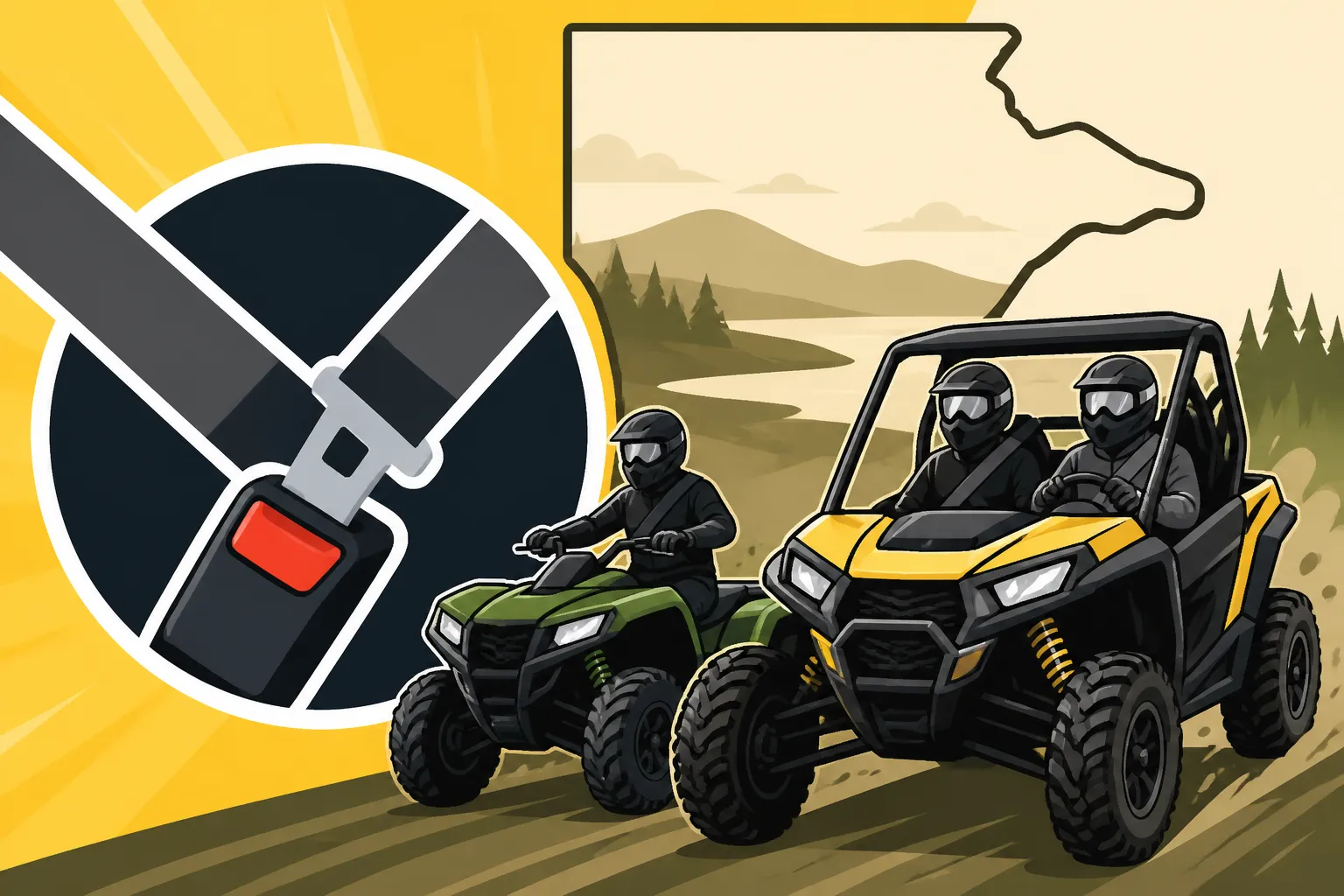
Let's cut right to the chase because this is where most of the questions arise: In Manitoba, if your off-road vehicle (ORV) was originally equipped by the manufacturer with seat belts, then you, as the operator, and any passengers must use them while the machine is in operation. It’s not an option; it's a requirement based on the vehicle's design and how the manufacturer intended it to be used safely.
This distinction is crucial because it immediately separates most traditional ATVs from side-by-sides (UTVs). Think about it: when you hop on a quad, there isn't usually a seat belt to buckle. But step into a UTV, and you'll almost always find a factory-installed seat belt system. The law hinges on that original equipment.
Manufacturer's Design Intent
The reason for this rule is rooted in the fundamental design and engineering of these machines. UTVs, with their automotive-style seating and often a Roll-Over Protective Structure (ROPS), are designed with seat belts as an integral part of their safety system. These structures, combined with seat belts, are meant to keep occupants within the vehicle's protective cage in the event of a rollover or collision. If the engineers designed the vehicle with them, it's because they are essential for its intended use.
Ignoring a manufacturer-installed seat belt isn't just a minor infraction; it undermines the entire safety system of the UTV. It’s like buying a car with airbags and then choosing not to wear your seat belt – you’re bypassing a critical component designed for your protection. The province simply reinforces that original design intent through regulation.
Passengers Must Buckle Up Too
It's not just the operator who needs to be mindful of this rule. Any passenger occupying a seating position equipped with a seat belt must also be buckled in. This is especially important when you're riding with children, as their safety is paramount. Ensure everyone understands the importance of fastening their seat belt before you even turn the key. Sometimes, getting little ones to stay buckled can be a challenge, but their safety always comes first. You can learn more about [Manitoba Rules for a Child Passenger].
Why ATVs Are Different: No Seat Belts, Different Risks
For the vast majority of traditional ATVs (quads), seat belts simply aren't part of the design, and therefore, they aren't legally required in Manitoba. This isn't an oversight; it's because ATVs are designed for a different kind of riding experience and rider interaction with the machine.
Active Rider Input on an ATV
ATVs require active rider participation to operate safely. Riders shift their weight, stand up, and lean into turns to maintain control and stability, especially over rough terrain. A seat belt would restrict this essential body movement, actually making the ATV more dangerous to operate by hindering the rider's ability to react to changing conditions or shift their weight to prevent a tip-over. In a rollover situation on an ATV, the rider is generally expected to separate from the machine, a completely different safety philosophy than that of a UTV.
This fundamental difference in design philosophy is why the law treats them differently. You won't find a seat belt on a typical sport quad or utility ATV because it goes against the very nature of how these machines are ridden. However, that doesn't mean safety isn't paramount; it just means safety is achieved through different means, like proper riding technique and always wearing a helmet. For more on how age affects riding rules, check out [Manitoba Age Tiers for Young Riders].
Machines with Unique Designs
While most ATVs don't have seat belts, it's worth noting that the ORV market is constantly evolving. There might be some very niche or custom-built machines that blur the lines. The overarching principle remains: if the manufacturer originally installed a seat belt, it must be used. Always err on the side of caution. If you're unsure, treat any equipped belt as mandatory.
The Connection to Helmets and Rollover Protection
It's tempting to think that wearing a seat belt in a UTV means you don't need a helmet. However, in Manitoba, that's generally not the case. The helmet law is quite comprehensive, and while there are some very specific exemptions, they are typically tied to the presence of both a factory-installed ROPS and seat belts, and sometimes even additional requirements like an enclosed cab or specific vehicle certifications. For most UTV riders, even with a seat belt, a helmet is still required.
ROPS and Helmets Working Together
The Roll-Over Protective Structure (ROPS) on a UTV is designed to maintain a survival space for occupants in the event of a rollover. The seat belt's job is to keep you inside that survival space. Without the seat belt, you could be ejected from the vehicle, defeating the purpose of the ROPS.
However, even with these systems, head protection from a helmet is still incredibly important for many reasons, including impacts with objects outside the vehicle, flying debris, or even the jolting forces within the vehicle during rough travel. Don't assume your seat belt negates the need for a helmet unless you've confirmed your specific machine and riding situation meets a rare, explicit exemption. When in doubt, buckle up and helmet up! You can dive deeper into the rules by reading [Manitoba Helmet Law and Its Exemptions].
Here's a quick comparison of how seat belt and helmet rules generally apply to common ORV types in Manitoba:
| ORV Type | Factory Seat Belts | Seat Belt Use Required? | Helmet Required (Generally)? | Primary Safety Design |
|---|---|---|---|---|
| Utility ATV (Quad) | No | No | Yes | Rider input, agility |
| Sport ATV (Quad) | No | No | Yes | Rider input, agility |
| Side-by-Side (UTV) | Yes | Yes | Yes (typically) | ROPS, seat belts |
| Youth ATV | No | No | Yes | Rider input, supervision |
Note: This table represents general rules. Always consult the specific regulations and your vehicle's manufacturer guidelines.
Practical Considerations and Safety Beyond the Law
Beyond the legal requirements, there are plenty of practical reasons to embrace seat belts in your UTV and ensure they're in good working order. Safety should always be your top priority, and sometimes that means going a step further than the bare minimum.
Checking and Maintaining Your Seat Belts
Just like the seat belts in your car, those in your UTV need regular inspection. Check for fraying, tears, or cuts in the webbing. Make sure the buckles latch securely and release easily. Test the retractors to ensure they pull taut and don't sag. Mud, water, and sun exposure can take a toll on these components over time. If you notice any damage, it's time for a replacement. A compromised seat belt is no protection at all.
For those who ride particularly hard or have older machines, an upgrade might be in order. Aftermarket options, like those from SuperATV, can offer enhanced protection with multi-point harnesses that keep you more securely planted in your seat, especially when tackling aggressive terrain or high-speed maneuvers. These can provide a significant boost in rider security and confidence.
Passenger Seating and Limitations
Manitoba law also specifies [Manitoba Passenger Limits by Design]. This means you can only carry as many passengers as your ORV was designed for, and each passenger must have a designated seating position. Trying to squeeze extra riders onto a bench seat not designed for them, or having passengers ride in cargo areas, is not only illegal but incredibly dangerous, even if you try to improvise with a seat belt. Those improvisations are often ineffective in a sudden stop or impact.
Aftermarket Seating and Harnesses
If you're modifying your UTV with aftermarket seats or harness systems, ensure they are installed correctly and maintain, or ideally improve upon, the original safety standards. Reputable brands like SuperATV offer well-engineered solutions, but proper installation is key. Always follow the manufacturer's instructions for any aftermarket safety equipment. Remember, modifications should enhance safety, not compromise it.
Enforcement and Penalties
Manitoba conservation officers and RCMP conduct [Manitoba Equipment Checks by Officers] on trails and in riding areas. They are well-versed in ORV regulations, including seat belt rules. If you're caught operating a UTV without using a required seat belt, you could face fines. More importantly, in the event of an accident, not wearing your seat belt could significantly increase your risk of injury and potentially affect insurance claims. While basic [Manitoba Insurance Included With Registration] covers some things, serious injury claims can get complicated. Compliance isn't just about avoiding a ticket; it's about safeguarding your well-being. Penalties for non-compliance, particularly for [Manitoba Careless Operation Penalties], can be substantial.
Ultimately, the rules around seat belts in Manitoba are designed with your safety in mind. For UTVs, they are a critical part of the vehicle's inherent safety design, intended to work in conjunction with the ROPS to protect you. For ATVs, the lack of seat belts reflects their different operational characteristics. By understanding and adhering to these rules, and by proactively maintaining your safety equipment, you contribute to a safer and more enjoyable riding experience for yourself and everyone else on Manitoba’s fantastic trails, whether you're enjoying [Manitoba Club Trails and Who Maintains Them] or exploring Crown Land. Always ride responsibly, be aware of your surroundings, and stay safe out there!
Disclaimer
This article is for general informational purposes only and does not constitute professional advice. Laws, prices and regulations vary by location and change over time. Consult a qualified professional for guidance on your specific situation.