Why Sidewalks Are Closed to Quads
It's a common thought when you're looking at a stretch of pavement, especially in a residential area, to wonder if your quad or side-by-side could just zip down the sidewalk for a bit to get where you're going or bypass some traffic. After all, it's not the main road, right? But here in Manitoba, that quick shortcut on the sidewalk can lead to some serious trouble. This guide is going to break down exactly why riding your off-road vehicle (ORV) on a sidewalk is a big no-go, the very real risks involved, and what the consequences can be.
The Law is Crystal Clear: Sidewalks Are Off-Limits for Quads
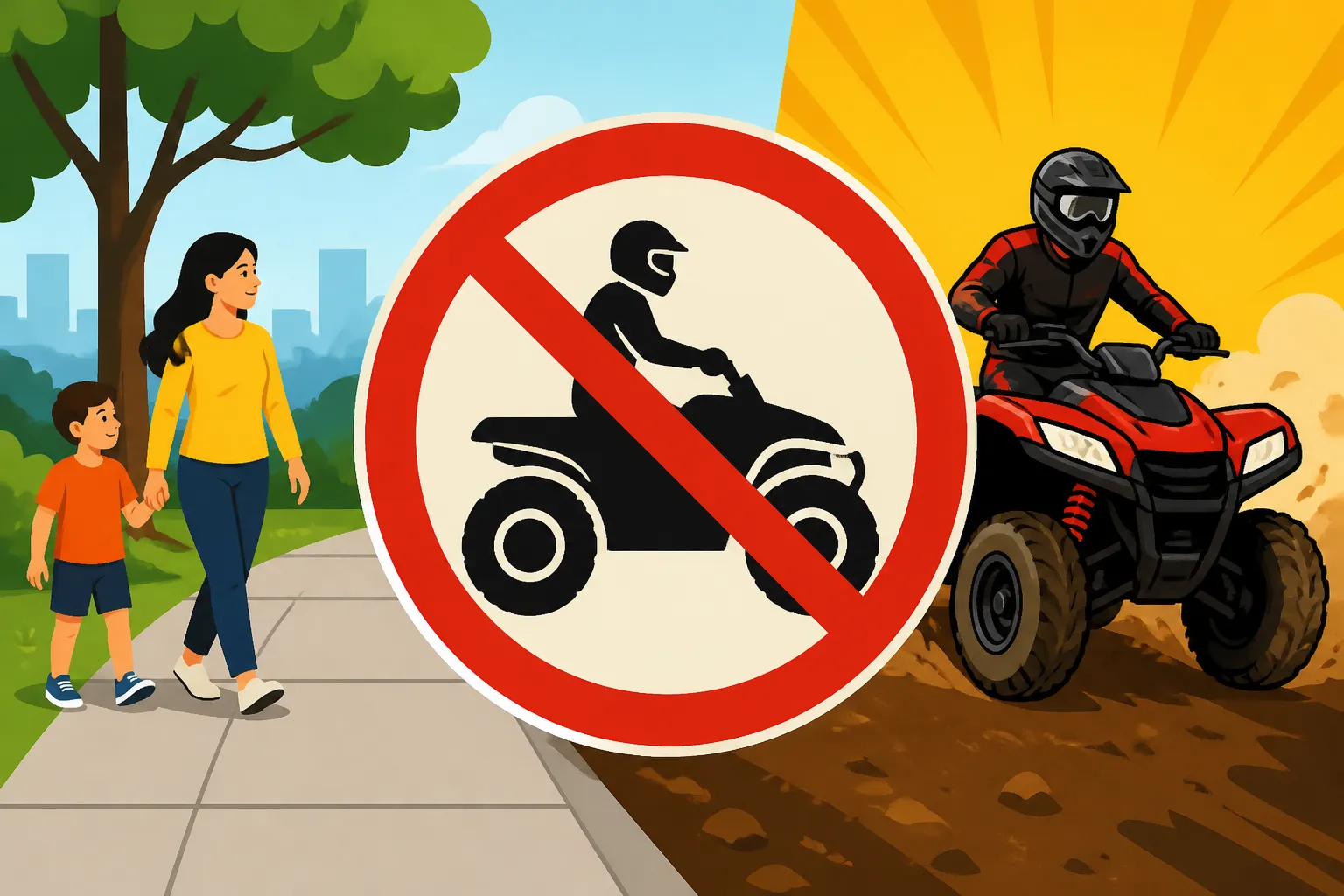
Let's get straight to it: The Province of Manitoba's Off-Road Vehicles Act is quite explicit about where you can and cannot operate your ATV or UTV. Sidewalks are firmly on the "cannot" list. This isn't just a suggestion; it's a legal prohibition designed to keep everyone safe. It's easy to misunderstand the rules, especially with so many different types of roads and public spaces, but when it comes to sidewalks, there’s no grey area.
Defining a Sidewalk in Manitoba Law
When we talk about a "sidewalk," the law isn't just referring to the paved path directly next to your house. It broadly includes any designated pedestrian pathway. This could be a paved walkway in a park, a gravel path through a greenspace, or even a section of a road specifically marked for foot traffic. The key here is its intended use: it's for people walking, running, or pushing strollers, not for heavy machinery. The spirit of the law recognizes that ORVs are powerful machines, often weighing hundreds of pounds, and their operation demands specific environments that minimize risk to the public. If you're unsure if a path qualifies, assume it's a pedestrian way and keep your ORV off it. [Manitoba Bans Riding a Sidewalk] is a rule that applies across the board, from bustling city streets to quiet rural towns.
Why Sidewalks Are Closed to ORVs
The primary reason for prohibiting ORVs on sidewalks boils down to safety. Sidewalks are designed for pedestrian traffic, not motorized vehicles. The sightlines, the width, the material, and the expected users are all entirely different from what's found on a trail or even a designated ditch. Imagine a child running out from behind a bush onto a sidewalk, or a senior citizen out for a stroll with a walker. An ORV, with its speed, weight, and sometimes limited visibility, simply doesn't belong in such close proximity to vulnerable pedestrians. This isn't about limiting your fun; it's about preventing serious accidents.
Understanding the "Why": Safety and Infrastructure Concerns
When these laws are put in place, it's not arbitrary. There are very sound, practical reasons rooted in public safety and the protection of infrastructure. Thinking through these points can help riders understand the importance of sticking to designated areas. It might feel like a minor inconvenience, but the potential ramifications are far from minor.
Risk to Pedestrians
The most critical concern is always the safety of pedestrians. Sidewalks are often narrow, and even at low speeds, an ORV can be incredibly intimidating and dangerous. Pedestrians, especially children and the elderly, might not hear an approaching quad over other street noise or through headphones. Blind corners, driveways, and landscaping can obscure vision, leading to sudden, unavoidable encounters. A full-sized ATV or UTV is much larger than a bicycle or a skateboard, and its momentum means even a low-speed collision can cause severe injury. People use sidewalks expecting a safe, motor-free environment, and introducing ORVs completely undermines that expectation and that safety.
Damage to Property and Infrastructure
Beyond human safety, there's the very real issue of property and infrastructure damage. Sidewalks and their surrounding areas—like lawns, flowerbeds, and street furniture—are not built to withstand the weight, tires, and turning radius of an ORV. Your machine, especially if it's equipped with aggressive tires or heavy-duty accessories from a brand like SuperATV, is designed for rugged terrain, not delicate concrete or manicured grass. Riding on sidewalks can crack pavement, tear up grass, damage sprinklers, and break landscaping features. These repairs come at a cost to the municipality, which ultimately means a cost to taxpayers. It's why rules about [Manitoba Bans Riding a Median] or even [Manitoba Bans Riding an Interchange] exist—to protect public spaces from unintended wear and tear.
Noise Pollution and Community Disturbance
Let's be honest, quads and side-by-sides can be noisy. While that roar might be thrilling out on the open trail, it's incredibly disruptive in a residential area, especially on a sidewalk right next to homes. The noise can disturb residents, frighten pets, and generally diminish the quality of life for people trying to enjoy their yards or quiet evenings. Many communities have specific by-laws addressing noise, and operating an ORV on a sidewalk is almost certainly going to fall afoul of these rules, leading to complaints and potential fines. Being a good neighbour means respecting the peace of those around you.
Consequences of Ignoring the Rules
Thinking you can sneak a quick ride on the sidewalk might seem harmless, but the penalties in Manitoba for violating ORV rules can be significant. It's not just a slap on the wrist; there can be financial, legal, and even personal repercussions that can truly impact your wallet and your riding privileges. Understanding these consequences is a vital part of responsible ORV ownership.
Fines and Penalties
Operating an ORV on a sidewalk is a direct violation of the Off-Road Vehicles Act. Law enforcement officers, including local police and conservation officers, are authorized to issue tickets for such infractions. The fines can be substantial, and they often come with additional court costs. These aren't minor traffic tickets; they reflect the seriousness with which the province views the misuse of ORVs and the potential dangers involved. Repeated offenses can lead to even harsher penalties, and these fines often contribute to the [Manitoba Ticket Costs for Riders] that can quickly add up.
Liability and Insurance Implications
This is where things can get particularly serious. If you operate your ORV on a sidewalk and cause an accident resulting in injury to a pedestrian or damage to property, you could be held civilly liable. Your basic ORV insurance coverage, which typically comes with registration, might not cover incidents that occur while you're operating illegally. This means you could be personally responsible for medical bills, property repairs, and legal fees, which could amount to tens or even hundreds of thousands of dollars. It's a risk simply not worth taking. Even if you've invested in top-notch protection for your machine with products from a company like SuperATV, that physical protection for your quad doesn't extend to protecting your personal finances from a lawsuit caused by illegal operation.
Vehicle Impoundment
In more severe or repeated cases, law enforcement has the authority to impound your ORV. This means your machine could be towed away and stored at a compound, costing you impoundment fees, daily storage fees, and potentially other administrative charges before you can even get it back. In some situations, especially if other offenses are involved, you might even risk losing your machine permanently. This is a very real deterrent and a costly lesson for those who disregard the rules.
Where You Can Ride Your Quad Legally in Manitoba
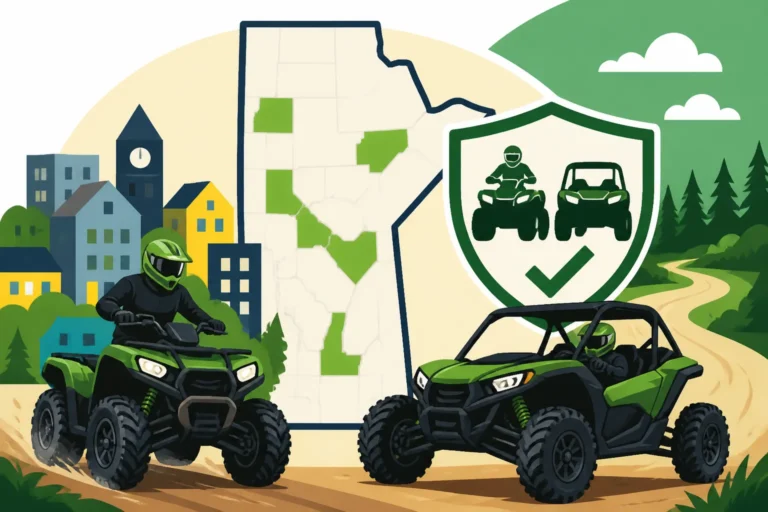
Now that we've covered where you definitely can't ride, let's talk about all the fantastic places you can enjoy your ORV legally and responsibly in Manitoba. The province offers a wealth of opportunities for riders, and knowing the proper channels ensures you have a safe and enjoyable experience without breaking the law. It’s all about finding those designated spots.
Designated ORV Trails and Club Networks
Manitoba boasts a growing network of designated ORV trails, many maintained by dedicated local clubs. These trails are specifically designed for machines like yours, offering a variety of terrain and scenic routes. Joining a local ATV or UTV club is a fantastic way to discover these trails, meet fellow riders, and contribute to the maintenance and expansion of the trail system. Clubs often organize group rides and advocate for rider rights and responsible land use. You can find detailed maps and information through these clubs or by checking provincial resources. [Manitoba ATV Trails: Club Ground and Crown Land] are your go-to places for legitimate riding adventures.
Some popular riding areas include:
- Eastman Region: Home to the Eastman ATV Association, offering extensive trails like sections of the Agassiz Trail.
- Interlake Region: Various clubs maintain trails, providing diverse landscapes from bush to open fields.
- Westman Region: Around Brandon, there are options that cater to different skill levels.
- Duck Mountain Provincial Park: Offers the renowned Mossberry Trail, a multi-use trail perfect for a longer adventure.
Crown Land Access
Many areas of Crown Land in Manitoba are open to ORV use, but with crucial caveats. It's vital to understand the specific regulations for the area you intend to ride. Some Crown Lands might have restrictions due to environmental sensitivity, wildlife protection, or other land use designations. Always check with the provincial government (Manitoba Conservation and Climate or Parks and Protected Spaces) before heading out. Respecting [Manitoba Crown Land Access Rules] is key to preserving these natural spaces for everyone. Never assume that just because it looks like open land, you're free to ride anywhere; there could be sensitive ecosystems or private property you're unknowingly encroaching upon.
Private Land (With Permission)
Of course, you can always ride on private land if you have the express permission of the landowner. This is a simple and often overlooked option, particularly for those who live in rural areas or have friends and family with large properties. Always get permission in advance, ideally in writing, to avoid any misunderstandings or accusations of trespassing. Even when you're on private land, ensure you're still following general safety guidelines and riding responsibly. This is also where investing in durable parts, perhaps from SuperATV, for your machine really pays off, as you might encounter diverse conditions on private properties that aren't groomed trails.
Summary of Legal Riding Areas
To make it easier, here's a quick overview of where you're generally permitted to operate your ORV in Manitoba:
| Location Type | ORV Riding Status | Key Considerations |
|---|---|---|
| Designated ORV Trails | Legal | Often maintained by clubs, follow trail etiquette. |
| Crown Land | Legal (Conditional) | Check specific regulations for the area, avoid sensitive zones. |
| Private Land | Legal (With Permission) | Always get explicit permission from the landowner. |
| Road Ditches | Legal (Conditional) | Follow strict rules: same direction as traffic, right-hand ditch only, specific crossing rules. [Manitoba Ditch Riding Rules] |
| Agricultural Shoulders | Legal (Conditional) | Only for farming purposes, specific speed and signage requirements. |
| Provincial Parks | Legal (Conditional) | Only on designated routes, often marked. [Manitoba Parks Allow Machines on Designated Routes Only] |
| Sidewalks | Illegal | Absolutely prohibited. |
| Roadways (Main) | Illegal | Generally prohibited, with very limited exceptions for crossings. [Manitoba Bans Riding on Roadways] |
Navigating the rules for ORV use in Manitoba can feel like a maze sometimes, but understanding why specific areas like sidewalks are off-limits is crucial for safe and responsible riding. Stick to the trails, get proper permissions, and you'll find plenty of opportunities to enjoy your machine legally and without worry.
Disclaimer
This article is for general informational purposes only and does not constitute professional advice. Laws, prices and regulations vary by location and change over time. Consult a qualified professional for guidance on your specific situation.