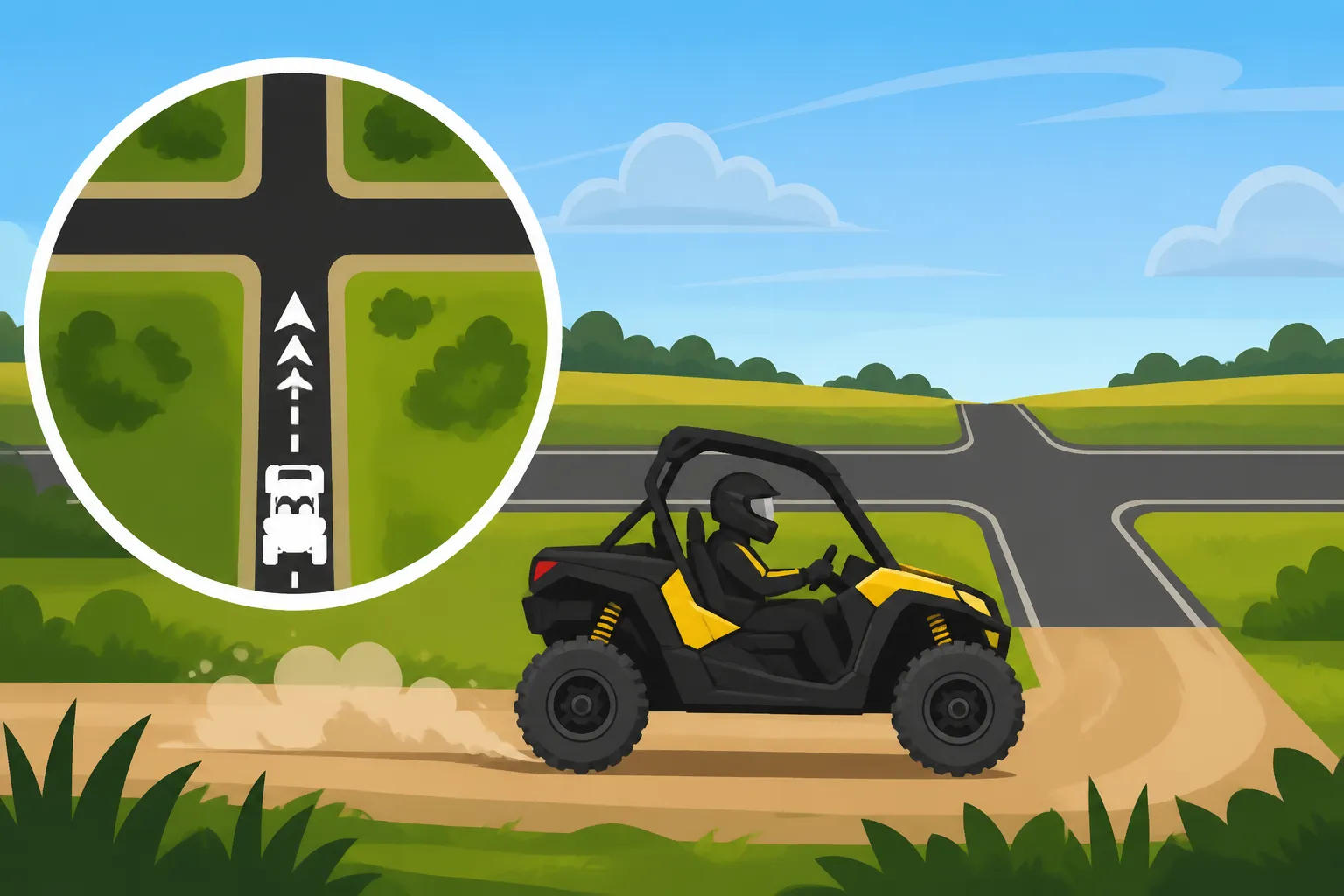
Crossing at Least 3 Kilometres From an Intersection
Riding an off-road vehicle in Manitoba offers an incredible sense of freedom and adventure, but it also comes with a serious responsibility, especially when you encounter roadways. One of the trickiest situations many riders face is the need to cross a highway, and knowing exactly where and how to do it safely and legally can be confusing. This guide is here to demystify the "3 kilometre rule" for highway crossings, helping you navigate these challenging situations with confidence and stay on the right side of the law.
Understanding Manitoba's Highway Crossing Regulations
It's easy to think that if you just want to get from one side of a highway to another, you can pick any quiet spot. Unfortunately, that's just not the case, and for very good reason. Manitoba's rules around crossing highways with off-road vehicles (ORVs) are designed with safety as the absolute top priority – not just for you on your quad or side-by-side, but for every other driver on the road. Ignoring these rules can lead to dangerous situations and hefty penalties.
Why the "3 Kilometre Rule" Exists
The primary reason for the "3 kilometre rule" is to minimize risk. Intersections, highway entrances, and exits are incredibly busy and complex areas. You have cars accelerating, decelerating, turning, merging, and often, drivers are distracted or focused on their next move. Introducing a relatively slow-moving ORV, whether it's a nimble sport quad or a larger utility machine from a brand like SuperATV, into this chaotic mix is a recipe for disaster. Visibility can be limited by other vehicles, roadside signs, or the geometry of the intersection itself. A motorist might not expect an ORV to appear suddenly from the ditch line, especially in a high-traffic area.
By requiring ORV operators to cross at least [3 Kilometres From an Intersection], the law funnels crossings to quieter stretches of highway. These locations typically have higher visibility for both the ORV operator and oncoming traffic, fewer turning vehicles, and more consistent speeds, giving everyone more time to react. It’s about creating a buffer zone where the unexpected presence of an ORV is less likely to result in a collision. Think of it as creating a dedicated, safer window for your crossing, away from the hustle and bustle where drivers expect to see only highway-speed traffic.
The Specifics of the 3 Kilometre Rule
So, what exactly does "at least 3 kilometres" mean? It means you must be a minimum of three full kilometres away from any intersection, whether that's another road, a major access point, or even a provincial road crossing. This isn't a suggestion; it's a strict requirement. When you're out on the trails or navigating crown land, it's crucial to be aware of the nearest roadways and plan your route accordingly. You can't just eyeball it and hope for the best; you need to make a conscious effort to find a crossing point that complies.
How do you measure this in the field? While you don't need to bring out surveying equipment, a GPS unit or a mapping app on your phone can be incredibly helpful for identifying your distance from intersections. Look for highway markers, road signs, or even distinct geographical features that can help you estimate the distance. The intent here is to ensure you're making a reasonable and diligent effort to comply with the law, choosing a spot where the risk is genuinely reduced. This rule is a cornerstone of [Manitoba ORV Road Rules Explained] and applies rigorously across the province.
The "5 Metres From an Intersection" Rule: A Crucial Counterpart
Here's where it gets a little confusing for some riders, but it's important to understand: Manitoba actually has two distinct rules for crossing highways. While the "3 kilometre rule" focuses on avoiding intersections, there's also a provision that allows you to cross at an intersection if you adhere to another specific distance: you must be [5 Metres From an Intersection]. Yes, you read that right – 5 metres from an intersection, or 3 kilometres from an intersection. They seem contradictory, but they apply to different types of crossings.
The 5-metre rule applies when you are crossing a highway at a designated intersection, typically where there's a clear junction with another road. This allows you to utilize existing infrastructure to cross. The 3-kilometre rule, on the other hand, is for when you're simply crossing a highway between intersections, often to continue a trail or get to another riding area. The key is that you cannot be between 5 metres and 3 kilometres from an intersection. This "forbidden zone" is where the risks are highest, as drivers may be adjusting for the intersection or exiting it, but it's not a clearly defined crossing point for ORVs. Understanding both aspects of [Manitoba Crossing Rules at 5 Metres and 3 Kilometres] is essential for safe and legal riding.
Practical Steps for Safe and Legal Highway Crossings
Knowing the rules is one thing; putting them into practice effectively is another. A highway crossing, even in a legal spot, requires your full attention and careful execution. This isn't a task to be rushed or taken lightly, especially given the potential for serious consequences if something goes wrong.
Planning Your Crossing Point
Preparation is key. Before you even head out for your ride, especially if you know your route involves crossing a highway, take some time to scout your potential crossing points. Use online maps, satellite imagery, or even dedicated trail maps to identify areas that clearly meet either the "5 metres from an intersection" or "3 kilometres from an intersection" criteria. Look for straight stretches of highway with good sightlines in both directions. Avoid areas with blind curves, hills that obstruct views, or heavy tree cover right at the roadside. A good crossing spot is one where you can see oncoming traffic from a significant distance, and, crucially, where oncoming traffic can see you.
Consider the terrain on either side of the highway as well. Is there a clear, stable path for your ORV to cross, or will you be navigating rough ditches, deep mud, or dense brush? A sudden stall or getting stuck mid-crossing significantly increases your risk. If you're riding a side-by-side like a SuperATV model, ensure it's agile enough to handle the ditch and the road shoulders quickly. Sometimes, planning means adjusting your route to find a safer crossing, even if it adds a few extra kilometres to your journey. It's always better to go a little out of your way for a safe and legal crossing than to risk a dangerous shortcut.
Executing the Crossing Safely
Once you've identified your legal crossing point, executing the crossing itself requires a deliberate, step-by-step approach. This isn't like merging onto a road in a car; you're moving from a standstill, often from a ditch, into active traffic lanes.
Here’s a breakdown of the steps:
- Stop Completely: Before approaching the edge of the roadway, bring your ORV to a complete stop. Do this in a safe spot, typically in the ditch parallel to the highway, where you have a clear view but are not obstructing traffic.
- Look Both Ways, Multiple Times: Scan the highway thoroughly in both directions for oncoming traffic. Don't just glance; actively look for vehicles, judging their speed and distance. Remember, highway speeds mean vehicles cover ground very quickly. You need to ensure a [Manitoba Crossings Need a Clear View] for several hundred metres in both directions.
- Yield to All Traffic: You, as the ORV operator, must yield the right-of-way to all vehicles on the highway. Do not proceed until the road is completely clear, or until you are absolutely certain you have enough time to cross safely without impeding the flow of traffic.
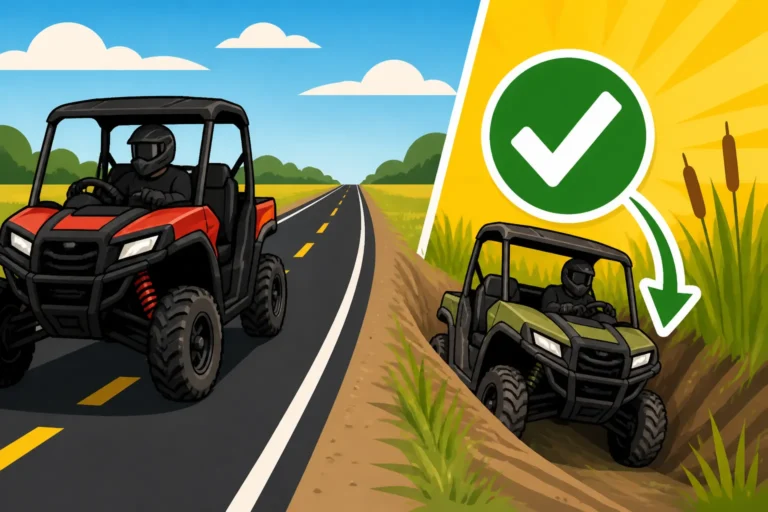
- Cross Directly and at a Right Angle: When it's safe to proceed, cross the highway directly at a right angle (90 degrees) to the roadway. This minimizes the time you spend in the traffic lanes. Do not attempt to travel along the shoulder or merge into traffic. Your goal is to get from one side to the other as efficiently as possible.
- One Machine at a Time: If you're riding with a group, each ORV must cross individually. [Manitoba Crossings One Machine at a Time] is critical. The lead rider crosses when it's safe, then the next rider waits for another clear window. This prevents multiple machines from being exposed on the highway simultaneously and gives each rider the chance to assess the situation independently.
- Maintain Awareness: Even after you've crossed the pavement, continue to be vigilant until you are safely off the shoulder and into the ditch or trail on the other side.
Equipment and Preparedness
Your machine and your gear play a vital role in safe crossings. First, ensure your ORV is in good working order. This means functional headlights and taillights (especially if visibility is low), strong brakes, and tires appropriate for the terrain. If your machine is equipped with aftermarket lighting, like some SuperATV kits, ensure they are aimed correctly and not dazzling oncoming drivers.
As the operator, you must wear an approved helmet. [Manitoba Helmet Law and Its Exemptions] are specific, and generally, a helmet is required for all ORV operation, including highway crossings. This is not the time to be casual about safety gear. You should also be carrying your [Carrying Your Registration Card on Every Ride] and proof of insurance. Law enforcement officers may stop you during or after a crossing to verify these documents. Additionally, remember that a [Learner's Permit Will Not Let You Cross] a highway; you need a valid driver's licence.
Common Misconceptions and Penalties
Even experienced riders can sometimes get caught up in common misunderstandings about highway crossings, often leading to avoidable infractions or, worse, accidents. Clarifying these points is just as important as knowing the rules themselves.
Mistakes Riders Often Make
One prevalent mistake is assuming that if a spot looks safe, it is legal. Appearance can be deceiving, and Manitoba's specific distance rules override any subjective assessment of safety. Another common error involves group dynamics. Riders in a convoy might feel pressured to follow the person in front, even if the crossing window isn't ideal for their specific machine or skill level. Remember, individual responsibility is paramount; each rider must make their own assessment before crossing.
Many riders also mistakenly believe they can ride along the shoulder of a highway to find a crossing point. With very few exceptions (like specific agricultural operations under strict conditions), [Manitoba Ditch Riding Rules] and highway rules do not permit travel on the roadway or its shoulder. ORVs are generally banned from roadways. Your travel should be contained within the ditch or trail until you are at the exact point of a legal crossing. Trying to find the precise 3-kilometre mark while riding along the highway itself is not only illegal but also incredibly dangerous.
Consequences of Non-Compliance
Breaking these highway crossing rules isn't just a minor inconvenience; it carries significant legal and safety implications. First and foremost, you risk a collision with highway traffic, which can result in severe injury or fatality for yourself, your passengers, or others. ORVs offer minimal protection in a collision with a full-sized vehicle.
Beyond the immediate safety risks, there are legal consequences. An illegal crossing can lead to a ticket, and [Manitoba Ticket Costs for Riders] can be substantial. Depending on the severity of the infraction or if it's combined with other violations (like operating an unregistered machine or without a helmet), you could face higher fines, impoundment of your machine, or even more serious charges. Furthermore, if you're involved in an accident while illegally crossing a highway, your [Manitoba Liability Coverage Requirement] might be affected, potentially leaving you responsible for significant damages or medical costs that your basic insurance might not cover. It’s simply not worth the risk.
How Local By-Laws Can Impact Crossings
While provincial regulations like the "3 kilometre rule" set the overarching framework for ORV use, it's also worth remembering that municipalities and local government districts in Manitoba have the power to create their own by-laws concerning ORV operation within their jurisdictions. These by-laws usually apply to local roads and public lands within the community, but they can occasionally intersect with provincial rules regarding crossings. For instance, a local by-law might designate specific local roads as legal for ORV use to connect to a trail system, which could influence how you approach a provincial highway crossing point within that area.
It's a good practice to be aware of the local regulations in any area you plan to ride. Before undertaking a long trip or exploring a new region, consider reaching out to the local municipal office or checking their website for any specific ORV by-laws. Sometimes, local nuances can affect your planning, though the core provincial rules for highway crossings remain consistent. If you have specific questions about a crossing point within a particular community, don't hesitate to [Taking a Quad Question to Your Municipal Council]. They can provide clarity and help ensure your ride is both enjoyable and compliant.
| Action Point | Description | Why It Matters |
|---|---|---|
| Plan Your Route | Use maps (digital/paper) to identify legal crossing points (5m or 3km away). | Avoids illegal crossings, reduces risk of tickets, and ensures safety. |
| Scout Conditions | Check sightlines, road width, and shoulder/ditch stability at crossing point. | Ensures good visibility for all, prevents getting stuck, and allows quick crossing. |
| Check Machine Condition | Ensure lights, brakes, and tires are functional. | Essential for visibility, control, and preventing mechanical failure mid-cross. |
| Wear Proper Gear | Always wear an approved helmet and other protective equipment. | Protects against injury; required by law. |
| Carry Documents | Have your registration and proof of insurance readily available. | Required by law; avoids fines during potential stops. |
| Stop and Assess Traffic | Bring ORV to a complete stop, look multiple times for highway traffic. | Gives you time to make a safe decision, ensures you see all oncoming vehicles. |
| Yield Right-of-Way | Never assume drivers see you; wait until the road is truly clear. | Prevents collisions; ORVs must yield to highway traffic. |
| Cross Directly | Move straight across at a 90-degree angle to the highway. | Minimizes time spent in active traffic lanes. |
| Cross Individually | If in a group, each machine crosses only when safe. | Reduces multiple machines' exposure to danger, allows individual assessment. |
| Stay Vigilant Post-Crossing | Remain alert until completely off the shoulder and onto the next trail. | Ensures safety even after leaving the paved surface. |
Disclaimer
This article is for general informational purposes only and does not constitute professional advice. Laws, prices and regulations vary by location and change over time. Consult a qualified professional for guidance on your specific situation.