Crossing Within 5 Metres of an Intersection
Navigating Manitoba's off-road vehicle (ORV) regulations can feel like tackling a particularly gnarly section of trail – confusing, full of unexpected twists, and if you make a wrong move, you could end up in a ditch, or worse, with a hefty fine. One of the most common head-scratchers for riders, especially when you're just trying to get from one section of trail to another, revolves around how and where you can cross a public roadway. This guide is here to clear up the confusion, specifically focusing on the critical rule about crossing within 5 metres of an intersection, and what it really means for your riding.
Understanding Manitoba's ORV Crossing Rules
It’s no secret that Manitoba has some pretty specific rules about where and how you can ride your ATV or UTV. While you can't just cruise down the middle of a paved highway, there are provisions for crossing roadways to access different trails or property. This is where the intricacies really start to trip people up. The province is very clear about where you can't cross, and those rules are firmly in place to keep everyone safe, whether they're on four wheels, two wheels, or just walking.
The fundamental principle here is about minimizing risk. Intersections, by their very nature, are hubs of activity where vehicles are turning, stopping, and starting. Throwing an ORV into that mix without clear guidelines is just asking for trouble. That's why Manitoba has specific rules designed to channel ORV crossings into safer, more predictable locations.
The Critical 5-Metre Intersection Rule
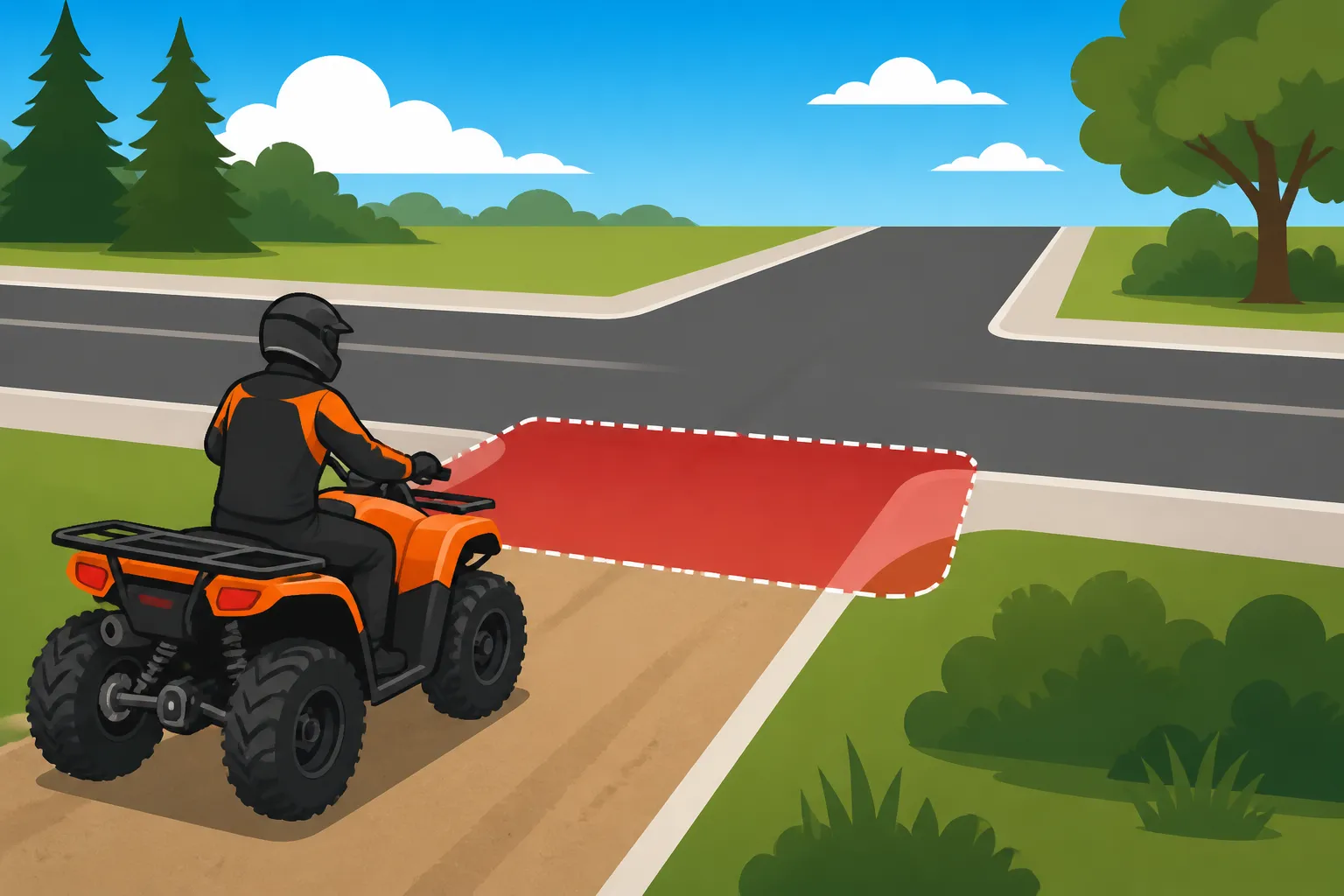
Let's dive right into the core of the matter: the 5-metre rule. In Manitoba, the law explicitly states that you cannot operate an off-road vehicle within five metres of an intersection. This means you absolutely cannot make your crossing exactly at an intersection, or even right up against it. The idea is to create a buffer zone. Think of it like this: an intersection is already a complex dance of vehicles, pedestrians, and sometimes cyclists. Adding an ORV, which often has different acceleration, braking, and visibility characteristics than a car, right into that tight space is a recipe for disaster.
This rule is often misunderstood. Some riders might think it means they have to be at least 5 metres away, which is true, but it's important to understand it's an exclusion zone. You need to be beyond that immediate intersection area. This regulation applies universally, whether you're on a busy provincial highway or a quieter municipal road. The law makes no distinction; an intersection is an intersection, and the 5-metre rule applies. Ignoring this isn't just a minor infraction; it's a direct challenge to the safety framework put in place to prevent collisions between different types of vehicles, and potentially with people.
The Alternative: The 3-Kilometre Rule Explained
Now, if you can't cross within 5 metres of an intersection, where can you cross? This is where the complementary "3-kilometre rule" comes into play. The law stipulates that if you're going to cross a roadway, and there isn't an intersection within 3 kilometres in either direction, you generally have more flexibility. This isn't a free-for-all, mind you. You still need to stop, yield to all traffic, and ensure a clear view of approaching vehicles. But the intent here is to allow crossings in areas where the road is typically straighter, less congested, and offers better sightlines for both the ORV operator and oncoming traffic.
The contrast between the two rules is crucial for understanding legal ORV operation. The 5-metre rule restricts you from busy, unpredictable zones, while the 3-kilometre rule guides you to quieter, more predictable stretches. This dual approach aims to guide riders to the safest possible crossing points. It's all about common sense when you think about it: where would you rather cross a busy road? At a stop sign where cars are turning and pedestrians are crossing, or out in the open where you can see for miles and traffic flow is steady? Most of us would pick the latter, and the law reflects that preference. Understanding both rules together is key to lawful riding. You can find more details on this in [Manitoba Crossing Rules at 5 Metres and 3 Kilometres].
Why These Rules Are So Important for Rider Safety
When the rules around ORV use on or near public roadways were developed, rider safety, and the safety of everyone else sharing the roads, was paramount. It's easy to feel like these regulations are just there to make your life harder, but they're truly designed to prevent accidents, injuries, and even fatalities. Nobody wants to see an exciting day out on the trails end with an unexpected visit from emergency services.
Think about the dynamics involved: an ATV or UTV might not be as easily seen by a car driver as another car, especially when pulling out from a ditch or wooded area. Add in the differing speeds, braking distances, and the sheer unpredictability of an intersection, and you've got a recipe for high-risk situations.
Reducing Collision Risks at Intersections
Intersections are inherently high-risk zones. Cars are accelerating, decelerating, changing lanes, and turning. Drivers are often looking for other cars, not necessarily a quad emerging from the ditch. When you factor in blind spots, the speed difference between an ORV and a car, and the fact that ORVs might not have the same immediate stopping power or stability on pavement as a dedicated road vehicle, the danger becomes even clearer.
The 5-metre buffer zone is specifically designed to separate ORV crossing movements from the complex manoeuvres happening at an intersection. By moving your crossing away from the immediate intersection, you give yourself more space and time to observe traffic, and you give road users more time to see you. This small distance can make a huge difference in avoiding a serious collision. Imagine trying to use the throttle and steer through a busy intersection while keeping an eye out for cross-traffic – it's a lot to manage on an ORV. Steer clear of that immediate intersection area, and you dramatically reduce the chances of a nasty encounter.
Ensuring Clear Sightlines and Predictable Behaviour
Another crucial element that the 5-metre rule addresses is sightlines. At an intersection, buildings, fences, parked cars, and even road signs can obstruct your view, and a driver's view of you. Trying to cross there means you might not see that fast-approaching truck, and they might not see your [Manitoba Plate Mounting by Machine Type] until it's too late. Out in the open, away from the clutter of an intersection, both you and road users have a much clearer, unobstructed view of each other. This predictability is golden in preventing accidents.
The rules encourage a more predictable flow of traffic. When an ORV crosses a roadway at an unexpected point (like right at an intersection), it disrupts this predictability and creates confusion for other drivers. When you cross a straight, open stretch of road, after stopping and ensuring a clear path, it's a much more straightforward and safer maneuver for everyone involved. Some riders even add aftermarket safety accessories like brighter LED light bars or flag whips from brands like SuperATV to make themselves more visible, especially in low light conditions, further enhancing safety when making legal crossings.
How to Safely and Legally Cross a Roadway in Manitoba
Alright, we've talked about the "why," now let's get into the "how." It's one thing to know the rules, but it's another to apply them correctly and consistently every time you ride. Crossing a roadway, even legally, requires your full attention and adherence to a specific set of actions. This isn't the time for shortcuts or assumptions.
Preparation starts before you even reach the roadway. Know your route, anticipate where you'll need to cross, and scout the area if possible. Being caught off guard at a crossing point is a surefire way to make a mistake. Remember, operating an ORV on any public roadway, even for a crossing, requires specific conditions to be met, including holding the appropriate driver's licence. [Manitoba Crossings Need a Driver's Licence].
Step-by-Step for a Legal Crossing
Here’s a breakdown of the steps you should follow for every single roadway crossing:
- Plan Your Crossing Point: As discussed, avoid intersections and areas within 5 metres of them. Look for an open stretch of road where you have excellent visibility in both directions and where you won't disrupt the flow of traffic. This might mean riding a bit further down the ditch than you initially planned, but it's worth it for safety and legality.
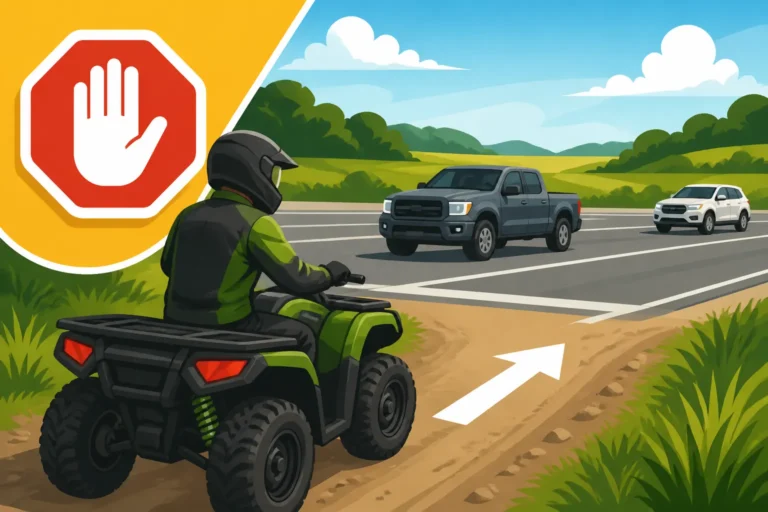
- Come to a Complete Stop: Before entering the roadway or even approaching its edge, bring your ORV to a complete and controlled stop. This isn't a "slow roll"; it's a full stop, allowing you to thoroughly assess the situation.
- Look, Listen, and Yield: Look both ways, several times. Seriously, scan far down the road. Listen for approaching vehicles, especially larger ones you might not immediately see. You must yield to all oncoming traffic. The road users have the right-of-way. Do not proceed until you have a clear and safe gap in traffic. Ensure that gap is large enough for you to cross completely without rushing or causing an oncoming vehicle to slow down or swerve.
- Cross One Machine at a Time: If you're riding with a group, each machine must cross individually. It's not a convoy situation. This means each rider must follow the stop, look, and yield procedure independently. This significantly reduces the risk if one rider misjudges a gap or experiences a mechanical issue during the crossing. We cover this in detail in [Manitoba Crossings One Machine at a Time].
- Cross Directly and Quickly: Once you have a clear path, cross the roadway as directly as possible, perpendicular to the flow of traffic. Don't linger or try to travel along the roadway for any distance unless specific rules allow it (e.g., [Manitoba Shoulder Riding for Farming Only]). Keep your speed steady and cross to the ditch or trail on the other side.
- Maintain Awareness: Even after you've crossed, stay vigilant. Other riders in your group might be crossing, or you might encounter unexpected conditions on the other side.
What to Do When an Intersection is Unavoidable (and you still need to get across!)
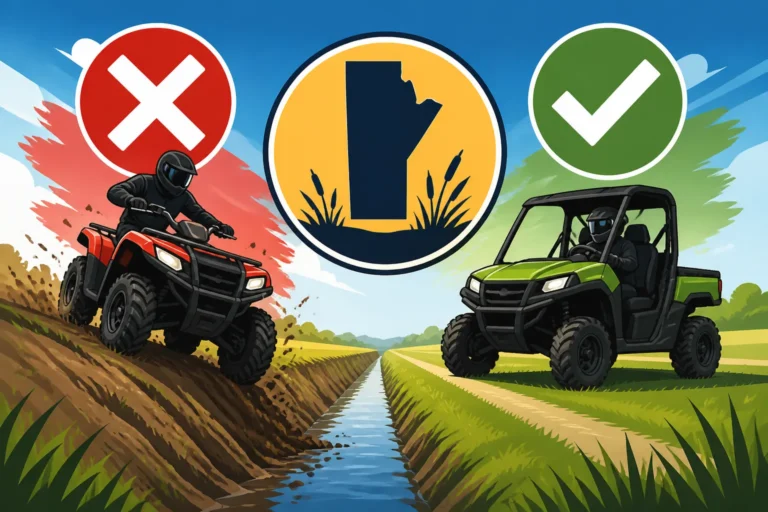
Sometimes, despite your best planning, you might encounter a situation where the only logical path forward involves crossing a roadway that has an intersection "nearby." Remember, the 5-metre rule is a strict prohibition for crossing. You can't just pick a spot 6 metres from the corner and go for it. If you find yourself needing to get past an intersection area, you generally have to continue riding in the ditch or off-road alongside the roadway until you are clear of the 5-metre exclusion zone AND ideally, far enough out to meet the 3-kilometre rule for safe crossing, or find an actual designated crossing point if one exists.
This often means riding further along the ditch than feels intuitive, sometimes for a considerable distance, to find that safe, legal crossing spot. Frustrating? Absolutely. But it's about adhering to the law and prioritizing safety. If you can't find a legal crossing point, you might have to reconsider your route, or even turn back. It's always better to be safe and legal than to risk a collision or a ticket for careless operation. [Manitoba Careless Operation Penalties] are no joke.
Table: Manitoba ORV Roadway Crossing Rules at a Glance
| Rule Type | Description | Legal Action Required | Potential Consequence of Violation |
|---|---|---|---|
| 5-Metre Rule | Prohibits ORV operation within 5 metres of any intersection. | Do not cross at or near intersections; find an alternative crossing point. | Fine for illegal operation, potential collision. |
| 3-Kilometre Rule | Permits crossing where no intersection is within 3 km in either direction (with other conditions met). | Stop, yield to all traffic, ensure clear view, cross one machine at a time. | Fine for failure to yield or improper crossing. |
| Stop & Yield | Must always come to a complete stop and yield to all roadway traffic before crossing. | Complete stop, thorough visual scan, wait for clear gap. | Collision, fine for failure to yield. |
| Clear View | Must have an unobstructed view of approaching traffic. | Choose crossing points free of visual obstructions. | Collision risk, fine for unsafe operation. |
| One at a Time | Each ORV in a group must cross independently. | Ensure previous rider has cleared before initiating your crossing. | Increased risk of multiple-machine collision, fine. |
| Driver's Licence | Required to operate an ORV on a public roadway, even for crossing. | Carry valid driver's licence. | Fine for unlicensed operation, insurance complications. |
| Registration | Your ORV must be registered and insured (basic liability comes with registration). | Ensure your ORV is properly registered with MPI and carry your card. | Fine for unregistered machine, no insurance. |
Consequences of Non-Compliance and Enforcement
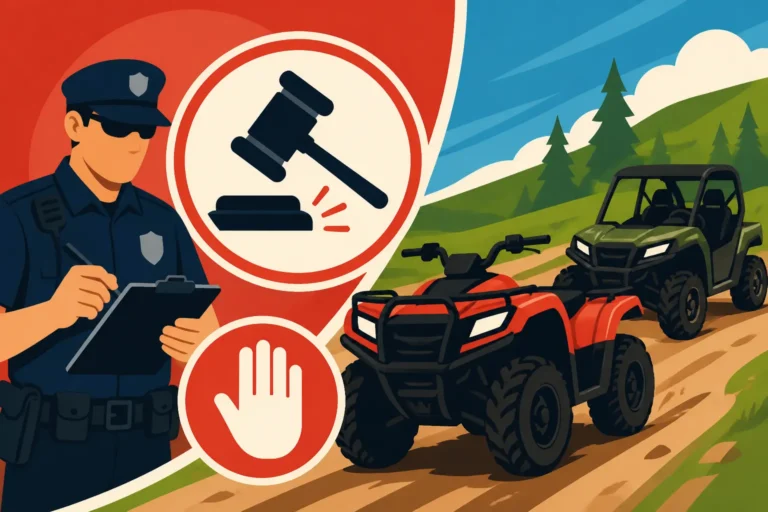
Ignoring the rules around ORV use on public roadways, especially critical safety measures like the 5-metre intersection rule, carries significant consequences. It's not just about getting a "slap on the wrist." Enforcement officers take these rules seriously because they directly impact public safety. The goal is not just to issue tickets, but to deter dangerous behaviour that could lead to severe outcomes.
Manitoba's regulations are enforced by various authorities, including the RCMP, local police services, and conservation officers. They are trained to identify illegal ORV operation and are empowered to issue fines and, in serious cases, impound vehicles or lay more severe charges. Don't assume that because you're out in a rural area, you won't be seen; officers actively patrol areas known for ORV use. You need to always have your [Manitoba Registration Cards Carried at All Times] with you, as well as proof of your licence.
Fines and Penalties
The fines for violating ORV regulations in Manitoba can be substantial. Operating an ORV within 5 metres of an intersection, failing to yield, or crossing improperly could lead to a ticket for careless operation or operating a machine in a prohibited manner. These aren't minor parking tickets; they can involve hundreds of dollars, plus court costs. Repeated offences or particularly egregious violations can lead to even higher fines, potential impoundment of your machine, or even a suspension of your driving privileges.
For instance, [Manitoba Ticket Costs for Riders] can quickly add up, and if the officer determines your actions were particularly reckless, you could face charges under the Off-Road Vehicles Act for careless operation, which carries significantly higher penalties. Imagine having your prized UTV, maybe fitted with a new SuperATV lift kit and tires, impounded just because you decided to take a shortcut across an intersection. It's simply not worth the risk.
Insurance and Legal Repercussions
Beyond the immediate fines, there are also long-term repercussions to consider. If you're involved in an accident while operating your ORV illegally (for example, by crossing within the prohibited 5-metre zone), your insurance coverage could be jeopardized. Basic ORV registration in Manitoba includes some third-party liability coverage, but if you're found to be operating outside the law, that coverage might not protect you. This could mean you're personally liable for property damage or, even worse, for someone else's injuries. [Manitoba's Liability Coverage Requirement] is crucial here.
In the event of a serious accident, you could face civil lawsuits for damages, in addition to any criminal charges. A moment of impatience or a lapse in judgment could impact your financial stability and legal standing for years to come. Staying informed and adhering to the rules, even the ones that feel inconvenient, is the best way to protect yourself and ensure you can continue enjoying the trails responsibly. Officers also conduct [Manitoba Equipment Checks by Officers] to ensure your machine meets safety standards, which can also tie into compliance.
So, the next time you're out on your ATV or UTV and you see an intersection looming, remember the 5-metre rule. Take the extra time, ride a little further if you have to, and find a safe, legal spot to cross. Your safety, and the safety of everyone else, depends on it.
Disclaimer
This article is for general informational purposes only and does not constitute professional advice. Laws, prices and regulations vary by location and change over time. Consult a qualified professional for guidance on your specific situation.