Manitoba Spark Arrester Requirements
There’s nothing quite like the feeling of hitting a Manitoba trail, the engine humming under you, the scent of the boreal forest in the air. But before you even think about loading up your ATV or UTV, there’s a crucial piece of equipment that often gets overlooked until it’s too late: the spark arrester. Ignoring this small but mighty component can not only lead to fines but, more importantly, put our beautiful wilderness at serious risk. This guide will walk you through exactly what Manitoba expects from you regarding spark arresters, helping you ride safely and legally, protecting both yourself and our precious natural spaces.
What Exactly is a Spark Arrester and Why Does Manitoba Care?
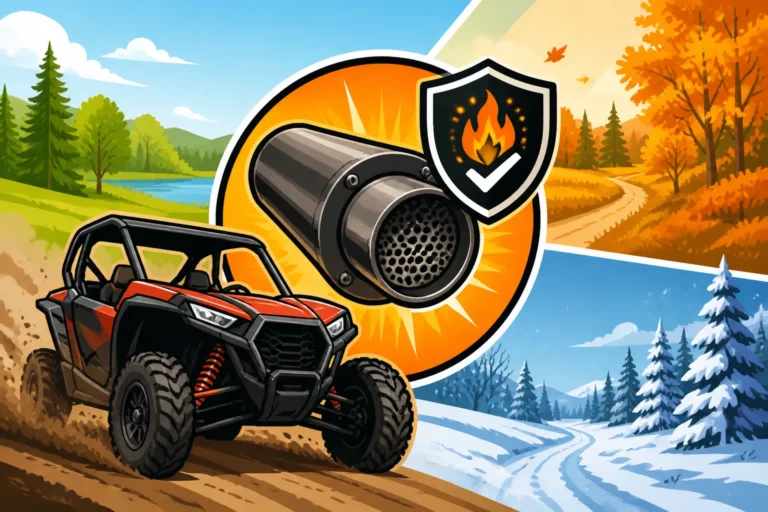
When you’re out enjoying the vast network of trails across Manitoba, the last thing you want to worry about is inadvertently starting a wildfire. Yet, the very nature of an internal combustion engine, especially one working hard in an off-road vehicle, can produce tiny, super-heated carbon particles – sparks – that can escape the exhaust. This is where the unsung hero, the spark arrester, comes into play. It’s a simple, yet incredibly effective, device designed to prevent those dangerous sparks from making it out of your muffler and into the dry grass, leaves, or brush alongside the trail.
The Mechanics of a Spark Arrester
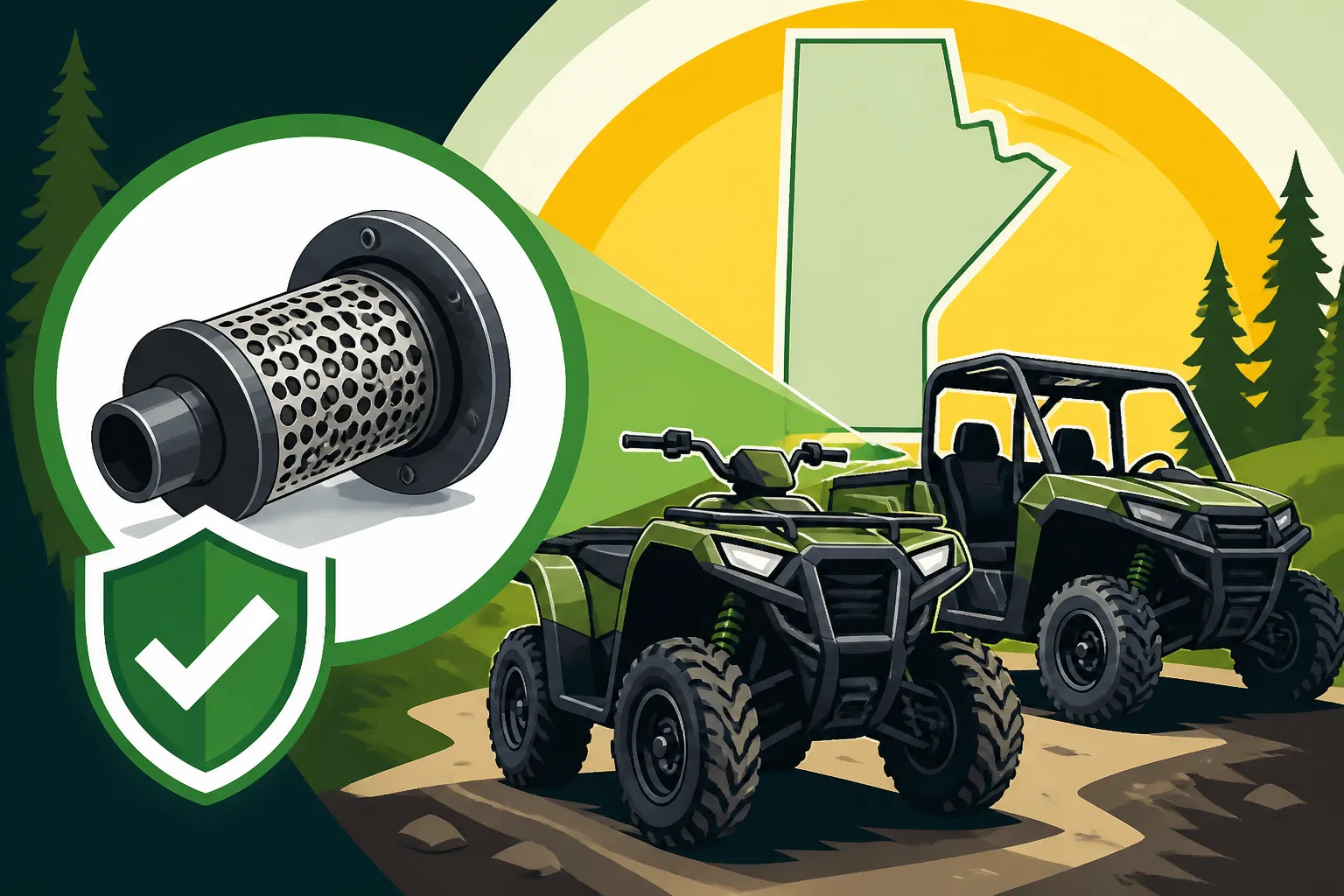
Think of a spark arrester as a miniature, super-fine mesh screen or a labyrinthine chamber built into your ATV or UTV's muffler system. As exhaust gases rush through it, the heavier, incandescent carbon particles are trapped or broken up into harmlessly tiny pieces, while the lighter, cooler exhaust gas can still pass through. The design varies, but the principle is always the same: capture the sparks. Without this, your machine essentially becomes a mini-flamethrower, capable of ejecting burning embers every time you accelerate or the engine backfires. It's not about making the machine quieter; it's purely about fire prevention.
Why They're a Legal Requirement in Manitoba
Manitoba takes wildfire prevention incredibly seriously, and for good reason. Our province boasts vast tracts of forest and wildlands that are easily susceptible to fire, especially during dry seasons. The legal requirement for spark arresters on off-road vehicles isn't just a suggestion; it's a critical piece of legislation under the Off-Road Vehicles Act and related regulations designed to safeguard our environment and communities. This mandate acknowledges the very real threat that an unprotected exhaust system poses. It’s a proactive measure, a line in the sand drawn by the province to protect our shared resources from preventable disasters. When you register your machine, it's assumed you're ready to comply with these rules.
The Environmental Impact and Rider Responsibility
Beyond the legal aspect, there's a profound ethical responsibility that comes with riding an ATV or UTV in Manitoba. Every spark arrester installation is a testament to a rider’s commitment to environmental stewardship. Imagine the devastation of a wildfire – destroyed forests, displaced wildlife, homes threatened, and the sheer cost of fighting these infernos. A single spark, ignited by a non-compliant machine, can snowball into such a catastrophe. As riders, we have the privilege of exploring these incredible landscapes, and with that privilege comes the duty to protect them. Ensuring your spark arrester is up to snuff is one of the most direct ways you contribute to this collective environmental protection. It’s part of the unspoken contract we have with the land we love to ride.
Manitoba's Specific Spark Arrester Requirements
It's not enough to simply have something that looks like a spark arrester. Manitoba's regulations are quite specific about what constitutes an acceptable device. This isn't just bureaucratic red tape; it's about ensuring that the equipment actually does its job effectively under the strenuous conditions of off-road use. Understanding these specifics means you can ride with confidence, knowing you're fully compliant and doing your part for fire safety.
Approved Standards and Certification
Manitoba, like many jurisdictions, typically references established national or international standards for spark arresters. The most common standard you'll encounter is often tied to the U.S. Forest Service (USFS) standard, identified by a "USFS Approved" stamp or similar marking. This isn't a Manitoba-specific stamp, but rather a widely recognized certification indicating the device has been tested and proven to prevent the escape of sparks over a certain size. When you're looking at a new exhaust system or an aftermarket spark arrester, make sure it explicitly states that it meets these recognized standards. If you're buying a machine from a reputable dealer, it will almost certainly come with a compliant spark arrester already installed. For those delving into aftermarket modifications, like an exhaust upgrade, this certification becomes even more critical. Brands like SuperATV often highlight the compliance of their exhaust components, which can be a good indicator of their commitment to meeting these standards.
Year-Round Necessity, Not Just Fire Season
Here's a common misconception that can get riders into trouble: "I only need a spark arrester during fire season." Nope, not in Manitoba. The requirement for a spark arrester is year-round, regardless of current fire danger ratings or the time of year. While the risk of a wildfire is undeniably higher during the dry months of spring, summer, and fall, a spark can still ignite dry materials even in cooler, damper conditions, or smolder unseen for hours before flaring up. Think about how quickly a small patch of dry leaves or a forgotten patch of tall, dead grass can ignite. The province isn't taking chances, and neither should you. This continuous requirement ensures a consistent level of safety and removes any ambiguity about when you need to be compliant. You can find more information about fire risks in the province in resources like [Manitoba Wildfire Season Rules for Riders].
What an Officer Looks For During an Inspection
So, you're out on the trails, enjoying the day, and you encounter a conservation officer or law enforcement official. What are they looking for when it comes to your spark arrester? First and foremost, they'll be checking for its presence. Is there an exhaust system, and does it clearly incorporate a spark arrester? Second, they'll look for the certification stamp – that "USFS Approved" or equivalent mark. It's usually etched or stamped onto the muffler or the spark arrester itself. Third, they'll assess its condition. Is it damaged? Is it clogged with carbon buildup? A damaged or heavily clogged spark arrester may not function correctly, even if it's present. They're looking for evidence of proper function, not just existence. Don't be surprised if they ask to see it, as it's part of routine [Manitoba Equipment Checks by Officers]. Being prepared means you've visually inspected it yourself recently.
| Compliance Checkpoint | What an Officer Checks For | Your Responsibility |
|---|---|---|
| Presence | Is a spark arrester part of the exhaust? | Ensure one is always installed. |
| Certification Mark | Is there a "USFS Approved" stamp? | Verify the stamp is visible and legitimate. |
| Physical Condition | Is it damaged, rusted, or missing parts? | Inspect for physical integrity regularly; replace if compromised. |
| Functionality (Visual) | Is it excessively clogged with carbon? | Clean or clear carbon buildup as part of routine maintenance. |
| Exhaust Integrity | Are there any leaks or holes in the exhaust? | Repair any exhaust leaks that could allow sparks to escape before the arrester. |
Ensuring Your ATV or UTV is Compliant
Knowing the rules is one thing; making sure your machine actually meets them is another. The good news is that most modern ATVs and UTVs come from the factory with compliant spark arresters installed. However, wear and tear, modifications, or purchasing a used machine can complicate things. It's your responsibility to routinely check your setup to ensure it's still up to standard.
Checking Your Machine's Exhaust System
Before every riding season, or even more frequently if you ride a lot, give your exhaust system a thorough once-over. Start by locating your muffler – the large part of the exhaust system, usually at the rear. Look for a visible screen or an opening where the exhaust exits. Often, the spark arrester is a removable screen or baffle located right at the end of the exhaust pipe, or sometimes deeper within the muffler itself. You’re looking for that USFS stamp. If you're unsure, consult your owner's manual. It will detail the specific location and maintenance instructions for your machine's spark arrester. If you've got an older machine or one that's seen some serious abuse, the spark arrester might be damaged, clogged, or even removed entirely by a previous owner. This is where your vigilance comes into play.
Maintenance and Replacement Tips
Spark arresters, especially the screen-type, can get clogged with carbon deposits over time. This isn't just an aesthetic issue; a heavily clogged screen can restrict exhaust flow, reduce engine performance, and even cause your engine to run hotter. Regular cleaning is crucial. Most screen-type arresters can be removed (often with a single bolt or screw) and cleaned with a wire brush or scraper. Be gentle but thorough. Make sure not to damage the screen itself during cleaning. If the screen is torn, bent, or has holes, it's no longer effective and must be replaced. For internal baffle-type arresters, maintenance might involve inspecting the muffler for damage or excessive internal carbon buildup, which could indicate a need for professional service or replacement of the entire muffler assembly. Always follow the manufacturer’s recommendations for maintenance, as outlined in your owner's manual.
Aftermarket Options and SuperATV Solutions
Sometimes, factory components wear out, or riders simply want to upgrade their exhaust system for performance reasons. This is where aftermarket solutions come into play. When exploring these options, it's paramount to ensure any new exhaust system or spark arrester you install is still compliant with Manitoba's requirements. Many reputable aftermarket brands understand these regulations and design their products accordingly. For example, companies like SuperATV offer a range of performance parts, including exhaust components, that often integrate USFS-approved spark arresters or are compatible with them. Always double-check product specifications to confirm compliance. Don't be tempted by cheaper, non-certified options, as they could lead to fines and, more importantly, put you and the environment at risk. A quality aftermarket spark arrester or exhaust system will clearly state its compliance, giving you peace of mind.
Consequences of Non-Compliance and Fire Safety
Riding without a compliant spark arrester isn't just a technicality; it carries real risks and penalties. Manitoba's dedication to wildfire prevention means they take these regulations seriously, and ignorance is rarely an acceptable excuse when caught. Understanding the potential repercussions can help reinforce the importance of proper compliance.
Penalties for Riding Without a Spark Arrester
If you're caught riding your ATV or UTV in Manitoba without a properly installed and functioning spark arrester, you're looking at a penalty. The fines can be significant, reflecting the serious nature of the infraction and the potential for wildfire. Beyond the immediate financial hit, there could be other consequences, such as your ride being cut short or even your machine being impounded in serious cases. These penalties are designed to be a deterrent, reminding every rider that compliance is non-negotiable. It's a small price to pay for the peace of mind that you're riding legally and safely, especially when compared to the much steeper [Manitoba Wildfire Penalties for Individuals] if you were to actually start a fire.
The Real Danger: Wildfires and Damage
While the financial penalties are a motivator, the true consequence of a missing or faulty spark arrester is the very real threat of igniting a wildfire. Imagine this scenario: you're riding through a beautiful section of [Manitoba Crown Land Riding Explained] in the peak of summer. A dry leaf blows across your path. Without a spark arrester, a single incandescent particle from your exhaust could land on that leaf, starting a small ember. In moments, with a breeze, that ember could become a flame, and that flame could become an inferno. The damage to forests, wildlife habitats, and potentially even human lives and property is immeasurable. The long-term environmental impact is devastating, taking decades, if not centuries, to recover. This is why every rider needs to take the Manitoba Spark Arrester Requirements seriously; it’s about preventing catastrophic loss.
Broader Fire Safety Practices for Riders
A spark arrester is a critical tool, but it's just one part of a larger fire safety mindset every responsible ORV rider should adopt. Here are a few broader fire safety practices to keep in mind when exploring Manitoba's trails:
- Check the Fire Danger Index: Before heading out, always check the provincial fire danger rating for your intended riding area. This information is readily available online and can influence whether you should even be riding that day.
- Carry a Fire Extinguisher: A small, ABC-rated fire extinguisher is an invaluable piece of safety equipment to carry on your ATV or UTV. A tiny spark can become a small fire quickly, but a small fire can often be put out if caught immediately.
- Stay on Marked Trails: Riding off-trail increases the risk of coming into contact with dry fuels that can ignite. Sticking to designated routes also helps protect sensitive ecosystems.
- Proper Fueling Practices: Always refuel your machine on a hard, non-combustible surface, away from any dry grass or leaves. Spilled fuel can easily ignite.
- Pack it in, Pack it out: Never leave trash, especially cigarettes or other potentially flammable materials, behind on the trails.
- Report Fires Immediately: If you spot a wildfire, however small, report it immediately to the authorities. Every minute counts.
By combining a compliant spark arrester with these common-sense fire safety practices, you’re doing your absolute best to protect our cherished Manitoba wilderness for future generations. Ride smart, ride safe, and keep our wild spaces beautiful.
Disclaimer
This article is for general informational purposes only and does not constitute professional advice. Laws, prices and regulations vary by location and change over time. Consult a qualified professional for guidance on your specific situation.