Manitoba Ticket Costs for Riders
Riding your ATV or UTV in Manitoba is an incredible experience, offering access to stunning landscapes and thrilling trails. However, the last thing any rider wants is to have that fun cut short by a provincial officer handing them a ticket. The fines and consequences for off-road vehicle infractions can be a real headache, not to mention a significant hit to your wallet. This guide is here to walk you through the various types of tickets you could face, what they typically entail, and how you can proactively avoid them to ensure your rides are safe, legal, and stress-free.
Understanding the Legal Framework for ORVs in Manitoba
Before we dive into the specific costs, it's crucial to understand the rules that govern off-road vehicles in Manitoba. These aren't just suggestions; they're legal requirements designed to keep everyone safe and preserve our natural environment. Getting familiar with them is your first line of defense against unexpected penalties.
The Off-Road Vehicles Act
The primary legislation governing ATVs and UTVs in the province is Manitoba's Off-Road Vehicles Act. This Act lays out everything from registration requirements to operating rules, age restrictions, and equipment standards. It's the big book of rules that officers refer to when they pull you over or observe you riding. Many riders assume the rules only apply on designated trails, but that's a common misconception. In reality, [Registration Applies Everywhere, Not Just on a Trail]. You'd be surprised how often infractions occur because someone thought they were on private land or a back road where the rules didn't apply.
The Act covers basic safety measures like helmet use, where you can and cannot operate your machine, and even how many passengers you can carry. For instance, the [Manitoba Helmet Law and Its Exemptions] details specific situations where a helmet might not be required, but generally, if you're riding, you should be wearing one. Ignorance of these laws isn't a valid defense, and officers are trained to enforce them rigorously. Taking the time to read up on the Act, or at least familiarizing yourself with its core tenets, can save you a lot of grief and money in the long run.
Local By-Laws and Their Impact
Beyond the provincial Act, many municipalities, towns, and local government districts in Manitoba have their own by-laws concerning ORV operation. These local rules can add extra layers of complexity, sometimes restricting riding in areas that the provincial Act might otherwise permit, or setting specific hours of operation. For example, while the province might allow ditch riding under certain conditions, a specific municipality might have a by-law prohibiting it entirely within its boundaries. [Manitoba Municipal By-Law Powers] allow local governments to create these rules based on the unique needs and concerns of their communities.
It's not uncommon for riders to get caught off guard by a local by-law. You might be visiting a new area, assuming the rules are the same as back home, only to find yourself facing a ticket. This is particularly true for rules around noise, speed limits on unpaved roads, or access to specific community areas like parks or residential streets. Before you haul your machine to a new riding spot, it's always a good idea to quickly check the local municipality's website or contact their office to inquire about any specific ORV by-laws. This due diligence can prevent a costly surprise ticket and help you be a respectful guest in their community.
Common ORV Infractions and Their Penalties
Now, let's talk about the specific types of tickets you might encounter and the kinds of penalties associated with them. While I can't give you exact dollar amounts, as these can change and vary based on the specific charge, I can describe the shape of the costs and the serious implications.
Registration and Plate Violations
One of the most straightforward ways to get a ticket is by not having your machine properly registered or displaying your plate incorrectly. [Manitoba ORV Registration Through MPI] is a mandatory step for almost all off-road vehicles operated off private property. If you're caught riding an unregistered machine, you're looking at a significant fine. It's not just a slap on the wrist; it's seen as a serious breach of the operating rules.
Similarly, improper plate display can lead to a ticket. Manitoba issues [One Plate Per Machine, Front or Rear], and it needs to be clearly visible. Trying to tuck it away or having it obscured by mud or cargo is asking for trouble. Officers need to be able to identify your machine easily. For example, if you've got a UTV and your plate is zip-tied precariously to your cargo rack, it might fall off, or simply not be visible enough. Even quality accessories like those from SuperATV that enhance your machine, like cargo boxes, should be installed carefully to ensure your plate remains unobstructed. Always ensure your plate is securely mounted and clearly visible from the designated position, whether it's [Manitoba Plate Mounting on a Side-by-Side] or a quad.
Operating Rule Breaches
This category covers a wide range of infractions related to how and where you operate your ATV or UTV. These are often the most common tickets issued, as they relate directly to rider behavior.
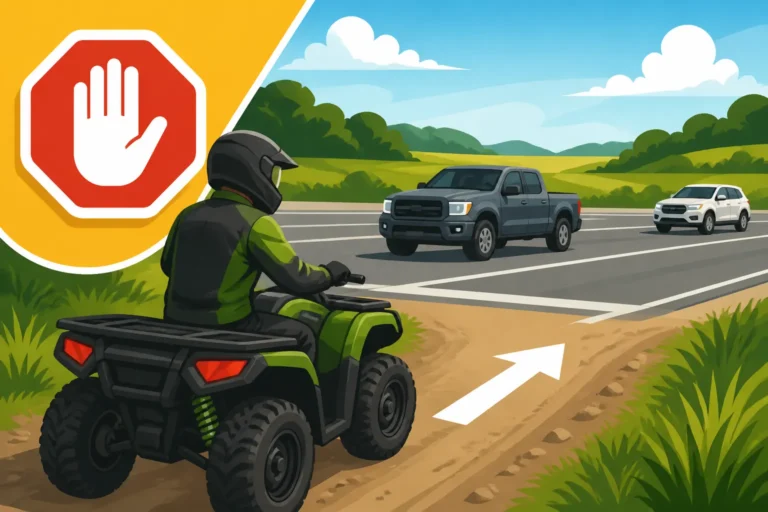
- Riding in Prohibited Areas: This is a big one. [Manitoba Bans Riding on Roadways] is a clear rule, yet many riders still take to provincial roads, highway shoulders, or even ditches where it's not permitted. While there are some exceptions for agricultural use or crossing, generally, ORVs are not allowed on the paved portions of public roads. Riding where you shouldn't, like on sidewalks, medians, or prohibited ditches, will almost certainly earn you a ticket.
- Age and Supervision Violations: Manitoba has strict [Manitoba ATV Age Requirements]. For example, riders under 14 need supervision, and there are specific rules for riders aged 14 and 15. Letting a child who is too young operate a machine unsupervised, or on a machine too powerful for their age, can result in substantial fines for the parent or guardian, and potentially the operator themselves.
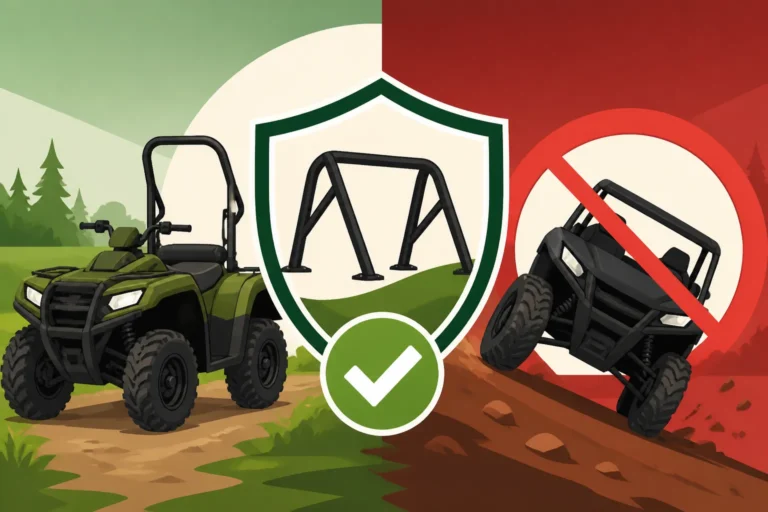
- Helmet and Passenger Rules: As mentioned, helmet laws are serious. While there are specific [Manitoba Helmet Law and Its Exemptions] related to certain types of machines or activities (like farming or with specific roll-over protection), the general rule is to wear a helmet. Not doing so can lead to a ticket. Additionally, exceeding passenger limits, especially on a single-rider ATV, is a common infraction. Most ATVs are designed for one person, and carrying a passenger on a machine not designed for it is both illegal and incredibly dangerous. UTVs have specific [Manitoba Passenger Limits by Design] as well, and exceeding them is a ticketable offense.
- Impaired Riding: Just like with a car, operating an ORV while under the influence of alcohol or drugs is a severe offense with extremely harsh penalties, including significant fines, license suspension, and potential jail time. [Manitoba Impaired Riding Penalties] are no joke and should never be taken lightly.
Improper Equipment
Your machine needs to meet certain equipment standards to be legally operated. This isn't just about performance; it's about safety for you and others.
- Lighting Requirements: If you're riding from half an hour before sunset to half an hour after sunrise, or in conditions of limited visibility, your ORV must have working headlights and tail lights. [Manitoba Lighting Requirements on a Machine] dictate that these lights must be visible from a certain distance. If your lights are out, or you don't have them installed (common on older dirt bikes, for example), you risk a ticket. Making sure your machine is equipped with reliable lighting, perhaps even upgrading with robust LED kits, which many riders source from brands like SuperATV, is a smart move.
- Spark Arrester: All off-road vehicles in Manitoba are required to have an effective exhaust muffler and spark arrester in good working order. This is a crucial wildfire prevention measure, especially during dry seasons. [Manitoba Spark Arrester Requirements] are year-round. If an officer finds your machine without one, or with one that's been tampered with or is ineffective, you'll be ticketed.
- Brakes and Steering: While less commonly checked on the trail unless there's an incident, your machine must have functioning brakes and steering. Operating a machine in an unsafe mechanical condition could fall under careless operation or lead to equipment-related tickets.
Environmental and Land Use Infractions
Protecting Manitoba's natural beauty is a shared responsibility. Violations in this area often carry steep fines because of the potential for environmental damage.
- Trespassing: Riding on private land without the landowner's permission is trespassing, a serious offense. [Manitoba Trespass Law for Riders] applies whether the land is posted or not. Always secure permission before venturing onto private property.
- Riding in Restricted Areas: Many ecologically sensitive areas, protected zones, or specific Crown lands may be closed to ORV traffic. Ignoring signs or venturing into these areas can lead to substantial fines and potentially require court appearances. For example, certain provincial parks may only allow machines on designated routes, if at all. [Manitoba Parks Allow Machines on Designated Routes Only].
- Littering and Environmental Damage: Leaving trash, damaging vegetation, or contributing to erosion in sensitive areas can result in fines under environmental protection acts, in addition to ORV Act penalties.
Beyond the Fine: Other Consequences of ORV Tickets
A ticket isn't just about the monetary fine. There can be a cascade of other consequences that impact your finances, your future riding, and even your freedom. It's important to understand these potential repercussions to fully grasp the importance of compliance.
Insurance Implications
While [Manitoba Insurance Included With Registration] provides basic third-party liability coverage, a ticket can significantly impact your insurance profile. Depending on the severity of the offense, your insurance premiums could increase, or your coverage might even be at risk. For example, a conviction for impaired riding or careless operation could lead to your basic Autopac coverage being revoked or heavily surcharged.
Furthermore, if you are deemed responsible for an accident while committing an infraction, your ability to claim accident benefits or coverage for damage to your own machine could be compromised. While basic registration might not cover theft or collision for your own machine, any optional coverage you've purchased could be affected. This means that a ticket could end up costing you far more than just the initial fine if you're involved in an incident later on. Always check your policy, and understand that compliance with the law is a key part of maintaining your insurance validity.
Vehicle Impoundment and Related Costs
For more serious infractions, particularly those involving impaired operation, unlicensed riding, or repeat offenses, your ORV could be impounded. This isn't just an inconvenience; it comes with its own set of significant costs that quickly add up. You'll likely be responsible for towing fees to the impound lot, and then daily storage fees until you can retrieve your machine. These fees can escalate rapidly, making the cost of getting your machine back potentially thousands of dollars, on top of any fines.
Imagine your brand-new side-by-side, perhaps kitted out with all the latest gear from SuperATV, sitting in an impound lot, accumulating fees while you deal with the legal process. It's a frustrating and costly experience that can be entirely avoided by simply following the rules. In some cases, if you fail to pay the impoundment fees, your machine could even be sold to recover the costs, meaning you could lose your ORV entirely.
Court Appearances and Legal Fees
Some tickets, especially those for more severe offenses like careless operation, impaired riding, or significant environmental damage, will require a mandatory court appearance. This means taking time off work, travel expenses, and potentially the cost of hiring legal counsel to represent you. Even if you choose to represent yourself, the time and stress involved can be substantial. [Manitoba Court Costs for a Citation] can also be added on top of any fines, increasing the financial burden.
A court conviction also leaves a record, which could have implications beyond your ORV activities. It's a far more serious outcome than simply paying a fine online. Understanding that some infractions can lead to these escalated legal processes highlights why it's so important to adhere to all ORV regulations, even those that seem minor at first glance.
Avoiding Tickets: Best Practices for Responsible Riding
Nobody wants a ticket, and thankfully, most infractions are entirely preventable with a little preparation and a commitment to responsible riding. Here are some actionable steps you can take to minimize your risk of running into trouble with the law.
Knowing the Rules Before You Ride
This is perhaps the most crucial step. Don't assume you know all the rules, especially if you're new to ORV riding or visiting a different part of the province.
- Read the Act and Local By-Laws: Take the time to familiarize yourself with the Manitoba Off-Road Vehicles Act. Pay particular attention to sections on registration, operating rules, and equipment. Also, if you plan to ride in a specific municipality, check their by-laws. A quick search for "[Manitoba Municipalities With ORV By-Laws]" might yield useful results.
- Carry Your Papers: Always carry your ORV registration certificate. [Carrying Your Registration Card on Every Ride] is a legal requirement. An officer will ask to see it, and not having it can lead to additional hassle, if not a ticket.
- Understand Age Restrictions: If you have younger riders in your group, be absolutely clear on [Manitoba ATV Age Requirements] and supervision rules. Ensure they are riding age-appropriate machines and are properly supervised.
- Check Fire Restrictions: Before heading out, especially during dry seasons, check the current fire restrictions map. [Manitoba Wildfire Season Rules for Riders] are critical, as riding in a closed area or operating without a spark arrester during a ban can lead to massive fines.
Maintaining Your Machine Properly
A well-maintained machine isn't just safer; it's also less likely to lead to an equipment-related ticket.
- Regular Maintenance Checks: Before each ride, do a quick check of your lights, brakes, steering, and tires. Ensure your exhaust system is intact and your spark arrester is in good working order. Don't wait for an officer to point out a faulty headlight.
- Ensure Proper Equipment: Make sure your machine has all the legally required equipment. This includes working headlights, tail lights, and a functioning muffler and spark arrester. If you're upgrading or modifying your machine with aftermarket parts, ensure they still meet or exceed legal requirements. Brands like SuperATV offer a wide range of accessories, from lighting to mirrors, that can enhance safety and compliance.
- Keep it Clean: While mud is part of the fun, ensure your license plate is clean and clearly visible. Periodically clean your machine, especially after a muddy ride, to ensure no essential safety equipment or identifying markers are obscured.
Respecting Private and Crown Land
Responsible land use is paramount for ensuring continued access to riding areas.
- Always Get Permission: If you plan to ride on private land, always, always get explicit permission from the landowner beforehand. Don't assume. A simple phone call can prevent a trespassing charge.
- Stay on Designated Trails: When riding on Crown land or in provincial parks, stick to designated trails and routes. Don't venture off-trail into sensitive habitats or restricted areas. Maps and apps can help you stay on course. Respect any temporary closures due to weather, environmental concerns, or wildlife activity.
- Leave No Trace: Pack out everything you pack in. Avoid damaging vegetation, refrain from excessive noise in residential or wilderness areas, and be mindful of other trail users. Your actions reflect on the entire ORV community.
By taking these steps, you not only reduce your risk of receiving costly tickets but also contribute to a positive image for ORV enthusiasts in Manitoba, ensuring that we can all enjoy our beautiful province for years to come.
| Infraction Category | Common Examples | Typical Consequences |
|---|---|---|
| Registration & Plates | Unregistered ORV, obscured plate, missing plate | Significant monetary fine, potential for impoundment |
| Operating Rules | Riding on roadways, age violations, no helmet | Monetary fine, potential points on driver's license, insurance implications |
| Equipment Violations | No working lights, no spark arrester, unsafe brakes | Monetary fine, "fix-it" order, potential for impoundment |
| Land Use / Environmental | Trespassing, riding in restricted areas, littering | Substantial monetary fine, court appearance, restitution for damages |
| Serious Offences | Impaired riding, careless operation | Very substantial fines, license suspension, vehicle impoundment, possible jail time, criminal record |
Disclaimer
This article is for general informational purposes only and does not constitute professional advice. Laws, prices and regulations vary by location and change over time. Consult a qualified professional for guidance on your specific situation.