Manitoba Crossings Need a Clear View
It can be incredibly frustrating to navigate Manitoba's rules for off-road vehicles, especially when you're just trying to get from one trail section to another. The regulations around crossing roadways often feel like a minefield of specifics, and many riders worry about breaking the law without even realizing it. This comprehensive guide is here to demystify one of the most crucial aspects of safe and legal ORV operation in our beautiful province: ensuring a "clear view" before you cross any public roadway.
The Strict Reality of Off-Road Vehicle Crossings in Manitoba
Let's be honest, for many of us, the appeal of an ATV or UTV is the freedom to explore, to get off the beaten path. But even the most dedicated bush rider will inevitably encounter a paved or gravel road they need to cross to reach the next section of trail, a gas station, or perhaps even their own property. This isn't just a minor inconvenience; it's a critical moment where the rules of the road, designed for cars and trucks, suddenly intersect with the rules of off-road vehicle operation. Manitoba takes these crossings very seriously, and understanding the "why" behind the strictness can help you approach them with the right mindset.
Why Crossings Are a Major Concern for Regulators
When you're out on your machine, you're enjoying the power and agility it offers, often in environments where other vehicles don't go. But when you approach a road, you're suddenly entering a high-speed, high-traffic environment where your ORV might be less visible, slower to accelerate, and frankly, completely unexpected by many motorists. This combination creates a significant safety risk, both for you and for anyone else on the road. Regulators are focused on minimizing collisions, protecting riders, and ensuring the smooth flow of traffic, which is why they've put very specific rules in place for these transition points. It’s not about making things difficult; it’s about preventing accidents that can have severe consequences. Imagine the impact of a side-by-side suddenly appearing from a ditch into the path of a transport truck – it's a scenario no one wants.
The provincial government's regulations, as outlined in the Off-Road Vehicles Act, are designed to create a predictable and safe environment for all road users. Without clear guidelines, every crossing would be an act of guesswork, leading to chaos and danger. These rules are also about public perception; when ORV riders demonstrate responsibility and adherence to the law, it helps foster a more positive image for the entire riding community, making it easier to advocate for more trails and riding opportunities in the future. It’s a collective responsibility that starts with each individual rider making safe choices.
The Core Rules Governing Crossings
Before we even dive into the "clear view," it's vital to grasp the foundational rules that apply to any ORV crossing in Manitoba. First and foremost, you generally cannot ride on a public highway or roadway. Your presence on the road is strictly limited to the act of crossing. This means no travelling down the shoulder for a kilometre, no cutting across a multi-lane highway diagonally, and certainly no joyriding on paved roads. If you're wondering [Can You Ride an ATV on the Road in Manitoba?], the answer is almost universally "no," with very specific, limited exceptions for things like agricultural use on shoulders, which still aren't about general crossing.
The law requires you to make your crossing at a right angle to the roadway. This isn't just a suggestion; it's a safety imperative. Crossing at a right angle minimizes the amount of time your ORV is exposed to traffic and makes your path more predictable for oncoming vehicles. You must also [Stopping and Yielding Before You Cross a Highway], just as any vehicle entering a roadway would. This includes stopping at the edge of the ditch or shoulder, looking both ways, and ensuring it's safe to proceed. These are the basic building blocks upon which the "clear view" requirement is layered, ensuring that every crossing is approached with caution and respect for traffic laws. Understanding these core rules helps set the stage for comprehending the specific nuances of visibility.
Deciphering the "Clear View" Requirement
The phrase "clear view" might sound straightforward, but in the context of Manitoba's ORV regulations, it carries a very specific and crucial meaning. It's not just about glancing left and right; it's about having an unobstructed and adequate line of sight to make a safe decision. This is where many riders get into trouble, either by misinterpreting what "clear view" entails or by underestimating the dangers of an impaired view.
What "Clear View" Actually Entails
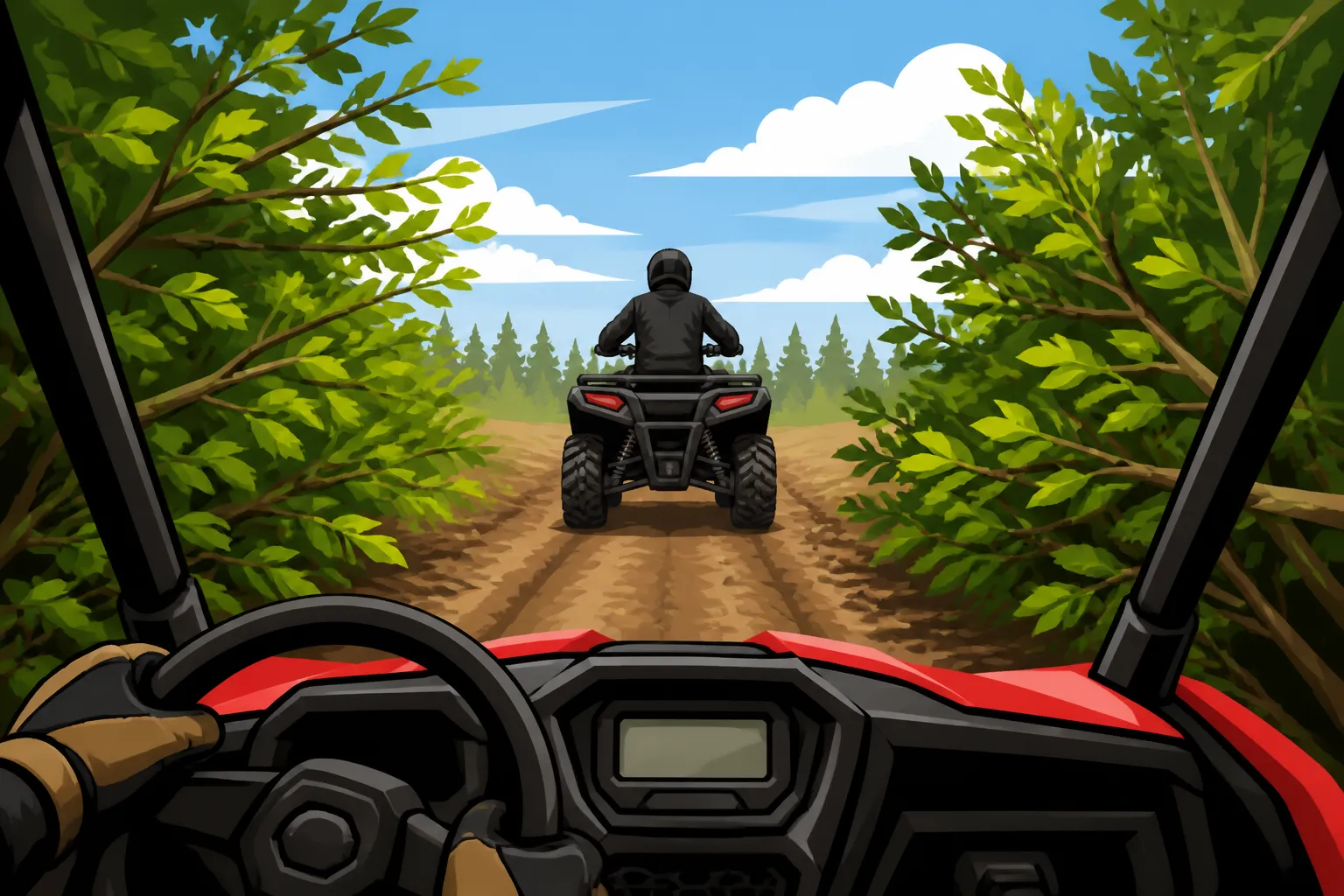
In Manitoba, having a "clear view" when crossing a roadway means that you must be able to see clearly and far enough in both directions along the highway to safely cross without impeding traffic. This isn't just about what you can see; it's about what oncoming traffic can see and how quickly they can react to your presence. The law implicitly requires that you perceive any approaching vehicles and accurately judge their speed and distance. If there's a bend in the road, a hillcrest, dense trees, or a building blocking your sightline, you do not have a clear view.
Think of it like this: if a car comes around a blind corner and suddenly has to slam on its brakes because you're in the middle of crossing, you did not have a clear view. The expectation is that you can cross the roadway without causing any approaching driver to alter their speed or direction. This means being able to see far enough down the road to confirm that no traffic is close enough to pose a hazard during your crossing. This requirement ties directly into the general principle that [Manitoba Crossings Need a Clear View] to ensure safety for all parties involved. It's an active assessment, not just a quick peek.
Factors Affecting Your Ability to Achieve a Clear View
Achieving a clear view isn't always easy, and several factors can complicate it. Weather conditions are a huge one: fog, heavy rain, or blowing snow can drastically reduce visibility for both you and oncoming drivers. It might be clear where you're standing, but is it clear a kilometre down the road where a truck is approaching? Time of day also plays a role. Crossing at dawn, dusk, or night significantly impacts visibility. Even with your machine's lights on, you might be harder to spot against a dark background, and your ability to see hazards might be diminished.
Environmental factors are often the biggest culprits. Tall crops in an agricultural area can completely block your view of a busy road. Dense bush, hills, sharp curves, or even parked vehicles near an intersection can create blind spots. You might have to actively seek out a better vantage point, which could mean dismounting and walking ahead to get a clear look, or finding an alternative crossing point altogether. Speed limits on the roadway also matter; crossing a highway with 100 km/h traffic requires a much longer clear sightline than crossing a quiet 50 km/h rural road. It’s a dynamic calculation that changes with every single crossing you attempt.
The Officer's Perspective on "Clear View"
When a conservation officer, RCMP officer, or local police officer observes an ORV crossing, they're not just watching to see if you stopped. They're evaluating your judgment call on "clear view." An officer will consider all the factors mentioned above: weather, time of day, terrain, traffic speed, and the overall safety of your manoeuvre. If they believe you crossed without an adequate view, or if your crossing caused a driver to brake or swerve, you could be facing a citation for careless operation or an improper crossing. The standard isn't just "good enough"; it's about being unequivocally safe.
Officers often look for signs of due diligence. Did you stop completely? Did you look both ways for an extended period, not just a quick glance? Did you account for factors like a dust cloud from an approaching vehicle or the glare of the sun? They're trained to spot unsafe practices and are looking for riders who prioritize safety above all else. This isn't just about obeying the letter of the law but the spirit of it – ensuring that your crossing does not create a hazard. Being able to articulate to an officer why you believed your view was clear, based on specific observations, can sometimes make a difference, but ultimately, safety is paramount.
Navigating Specific Crossing Scenarios
Manitoba's Off-Road Vehicles Act doesn't just state a general "clear view" rule; it also specifies distances and procedures for different types of crossings. These details are incredibly important because they dictate where and how you can legally make your way across a road, moving beyond just having a clear line of sight. Getting these specifics wrong can quickly turn a quick transition into a costly penalty.
Intersections and the Five-Metre Rule
When you need to cross a paved or gravel road at an intersection, there's a specific spatial requirement you must adhere to: you cannot cross within five metres of the intersection itself. This rule is designed to keep ORVs out of the main flow of traffic, which is inherently more complex and dangerous at an intersection where multiple vehicles might be turning or proceeding through. [Manitoba Crossing Rules at 5 Metres and 3 Kilometres] clearly lays out this proximity requirement.
Imagine you're approaching an intersection where two roads meet. The temptation might be to just follow the edge of the ditch right to the corner and cross there. However, this is precisely what the five-metre rule prevents. You must cross at least five metres away from the nearest edge of the intersecting roadway. This provides a buffer zone, giving both you and other motorists more time to react. It also helps to prevent confusion with vehicles that are turning. If you're riding your ORV and planning a crossing, always eyeball that five-metre mark. If the vegetation or terrain makes it impossible to gain a clear view five metres away from the intersection, you might need to find an entirely different crossing point or consider dismounting and walking your machine across if permissible and safe.
Highway Crossings and the Three-Kilometre Rule
Crossing a major provincial highway introduces another layer of complexity and an even stricter distance requirement. On a highway, you are generally prohibited from crossing within three kilometres of the nearest intersection where traffic is controlled by traffic lights or stop signs. This is the famous [Manitoba Crossing Rules at 5 Metres and 3 Kilometres] rule that often confuses riders. The intent here is to prevent ORVs from interfering with high-speed traffic flow near regulated intersections.
Think about a major highway, perhaps a provincial trunk highway, where vehicles are moving at high speeds. Near an intersection, traffic is often decelerating, accelerating, merging, or turning, creating a highly dynamic environment. Introducing an ORV into this mix significantly increases the risk of collision. The three-kilometre rule forces riders to seek out areas where traffic is more predictable and flowing steadily, away from the complexities of major interchanges. This means if you're planning a route that requires a highway crossing, you need to be very aware of the proximity of controlled intersections. It might mean riding an extra kilometre or two along a ditch to find a legal and safe crossing point, but it's crucial for your safety and legal compliance. Always plan your crossings carefully and err on the side of caution, seeking out locations that offer the best possible visibility and the least amount of traffic interaction.
Group Crossings and "One Machine at a Time"
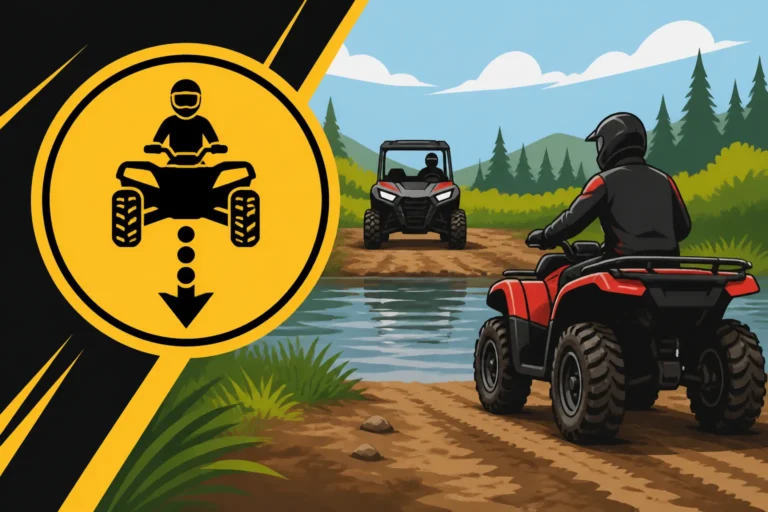
Riding with friends or family is one of the joys of ORVing, but group crossings introduce additional challenges. The Manitoba regulations are very clear on this: [Group Crossings Go One Machine at a Time]. This rule exists for a simple reason: safety. When multiple machines try to cross simultaneously, it takes longer, creates more unpredictable movement, and can overwhelm an oncoming motorist's ability to react safely.
When crossing as a group, the lead rider must first ensure a clear view and execute the crossing safely. Only once the first machine has completely cleared the roadway and is safely on the other side should the next rider begin their crossing, again assessing for a clear view. This staggered approach ensures that each individual rider can focus entirely on their own crossing, minimizing exposure time and making the entire manoeuvre more manageable. It's not a race; it's a carefully executed sequence. It also means that every rider in the group, not just the leader, must have a valid driver's licence to cross the highway. [Manitoba Crossings Need a Driver's Licence] is another critical component here. A learner's permit will not let you cross. Patience is key in group crossings; rushing can lead to severe consequences for everyone involved.
| Crossing Type | Minimum Distance from Intersection | Visibility Requirement | Group Crossing Rule | Driver's Licence Needed |
|---|---|---|---|---|
| Minor Road/Street | 5 metres from nearest edge | Must have clear view both ways | One machine at a time | Yes, for any road |
| Major Highway | 3 kilometres from nearest controlled intersection | Must have clear view both ways | One machine at a time | Yes, for any road |
| Controlled Access Highway | Generally prohibited, very rare exceptions | N/A (avoid) | N/A (avoid) | N/A (avoid) |
Beyond the Law: Ensuring Maximum Safety
While adhering to Manitoba's Off-Road Vehicles Act is essential for avoiding fines and legal trouble, true safety goes beyond simply checking off boxes. The law sets the minimum standard, but as responsible riders, we should always strive for maximum safety, especially during high-risk manoeuvres like crossing roadways. This means taking proactive steps, being acutely aware of our surroundings, and making smart choices about our equipment.
Pre-Ride Checks and Machine Readiness
A safe crossing begins long before you even see the road. Your machine's readiness is paramount. Before every ride, conduct thorough pre-ride checks, often referred to as a T-CLOC (Tires, Controls, Lights, Oil, Chain/Chassis) or similar inspection. For crossings, focus particularly on your brakes, steering, and lights. Can you stop quickly and effectively? Is your steering precise? Are all your lights—headlights, taillights, and any additional running lights—working perfectly and clean? Good visibility for oncoming traffic relies heavily on your lights.
If you know you'll be doing a lot of crossings, it's wise to ensure your tires are in good condition for the varied terrain they'll encounter, from soft shoulders to hard asphalt. Any mechanical issue, however minor, could become a critical problem if it acts up during a crossing. Imagine your engine sputtering or your brakes fading just as you're halfway across a busy highway. Taking a few minutes before each ride to ensure your machine is in top shape isn't just a good habit; it's a non-negotiable safety measure that prepares you for predictable performance when you need it most. This also includes making sure you have [Manitoba Insurance Included With Registration] and proof of it available, should an unforeseen incident occur.
Rider Awareness and Defensive Riding Techniques
Even with a perfectly functioning machine and a clear view, the human element remains the biggest variable. Rider awareness and defensive riding are your best tools for safe crossings. This means being fully present and focused, not distracted by conversation, music, or the scenery. As you approach any potential crossing point, actively scan your environment. Look for signs of roads ahead, listen for traffic, and consider how the terrain or vegetation might affect your visibility.
When you stop to assess a crossing, don't just glance; actively scan left, right, and then left again, similar to how you would at a railway crossing. Look for dust plumes in the distance, listen for engine noises, and try to anticipate any blind spots. Always assume that drivers on the road might not see you, even if you feel visible. Make eye contact if possible, and wait for a significant gap in traffic, not just a bare minimum one. This defensive mindset, expecting the unexpected and taking extra precautions, is what separates a safe rider from one who relies solely on luck. Remember, it's always better to wait a few extra minutes for a larger gap than to rush and put yourself in harm's way.
Enhancing Visibility with Aftermarket Gear
While your machine's factory lights are legally sufficient, there's always room to improve your visibility, especially when operating near roadways. Aftermarket accessories can make a significant difference in how easily other road users see you. Consider adding additional LED light bars or auxiliary lights, particularly forward-facing ones that make your presence known from a distance. Some riders even add amber or white strobe lights (where legally permitted and not confused with emergency vehicle lights) to flash intermittently, drawing extra attention.
Another excellent option is to install a whip flag, especially if you're riding in tall crops or hilly terrain where your ORV might be obscured. A bright orange or highly visible flag, mounted high on your machine, can provide an early warning for drivers that something is approaching or crossing, even if they can't yet see the machine itself. Brands like SuperATV offer a wide range of lighting solutions and visibility accessories designed to withstand off-road conditions, from durable LED light bars to sturdy whip flags. Investing in these types of upgrades is a proactive step towards enhancing your safety and ensuring that the "clear view" applies not just to what you see, but also to how clearly others see you. Always ensure any modifications comply with local regulations and do not blind oncoming traffic.
Consequences of Non-Compliance and Misunderstandings
Ignoring or misinterpreting Manitoba's ORV crossing rules isn't just risky; it comes with tangible legal and financial consequences. Many riders assume a warning is the worst that can happen, but the reality is far more severe, ranging from hefty fines to impoundment and even more serious charges in the event of an accident. Understanding these penalties and common pitfalls is crucial for staying safe and compliant.
Penalties for Improper Crossings
Getting caught making an improper crossing in Manitoba can hit your wallet hard. While specific fines can vary, you can expect to face significant financial penalties for violations of the Off-Road Vehicles Act. An improper crossing could fall under general non-compliance provisions or more specific sections related to unsafe operation. These aren't minor tickets; they are designed to deter dangerous behaviour. You might find yourself paying hundreds of dollars, not to mention court costs if you choose to dispute the ticket. If you're wondering about [Manitoba Ticket Costs for Riders], be prepared for them to be substantial.
Beyond the immediate financial hit, repeated or severe violations could lead to your ORV being impounded, leaving you stranded and facing additional impoundment and storage fees. In extreme cases, particularly if your improper crossing contributes to an accident, you could face charges of careless operation, which carry much higher fines and potentially even demerits on your driver's licence. Remember, while your ORV isn't a highway vehicle, the rules it must follow when interacting with highways are serious, and the penalties reflect that.
Common Mistakes Riders Make
Even well-intentioned riders sometimes make mistakes when crossing roadways. One of the most common is underestimating the speed of oncoming traffic. What looks like a safe distance for a car travelling 50 km/h is a dangerously short distance for one doing 90 km/h or more. Another frequent error is failing to account for visibility challenges, especially in areas with dense vegetation or rolling hills. Riders might convince themselves they have a "clear view" when, in fact, there's a significant blind spot just beyond their immediate line of sight.
Rushing is another major culprit. Feeling pressured by a group, or simply wanting to get to the other side quickly, can lead to hurried judgments and unsafe crossings. Riders might also neglect to come to a complete stop, instead rolling slowly into the crossing point, which is both illegal and extremely dangerous. Lastly, many riders forget that [A Learner's Permit Will Not Let You Cross] a highway, a rule that often catches younger riders or those new to the sport off guard. Being aware of these common errors can help you avoid making them yourself. Taking an extra moment to verify conditions is always a better choice than facing the consequences of a rushed decision.
How Local Bylaws Can Add Layers of Complexity
While the provincial Off-Road Vehicles Act sets the baseline for crossing rules across Manitoba, it's crucial to remember that local municipalities and Local Government Districts (LGDs) have the power to enact their own bylaws. These local rules can add further layers of complexity, sometimes even overriding or imposing stricter conditions than the provincial act, particularly when it comes to ditch riding, road access, and, by extension, crossing points within their jurisdiction. [Manitoba Municipal By-Law Powers] allow for this customization.
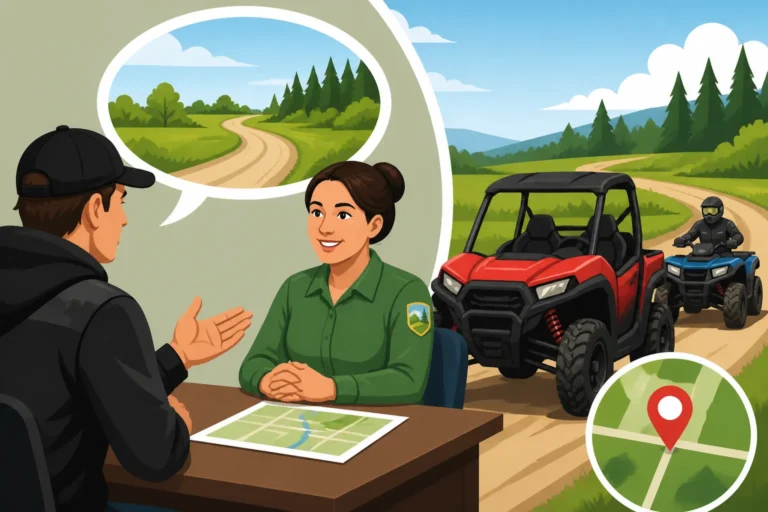
For example, a rural municipality might have a bylaw that restricts ORV use on certain roads or in specific areas, even if the provincial act would otherwise permit a crossing. They might have designated crossing points or prohibit crossings altogether in heavily populated areas. The challenge for riders is that these bylaws are not always widely publicized, and what's legal in one LGD might be illegal just a few kilometres down the road in another. Before embarking on a ride through unfamiliar territory, it's always a good idea to check with the local municipal office or LGD for any specific ORV bylaws that might affect your route, especially concerning crossings. A quick call could save you a significant headache and ensure your ride stays within legal bounds, even at the local level.
Disclaimer
This article is for general informational purposes only and does not constitute professional advice. Laws, prices and regulations vary by location and change over time. Consult a qualified professional for guidance on your specific situation.