Manitoba Rules for an Out-of-Province Machine
It's incredibly common to want to bring your trusty off-road vehicle with you when you visit Manitoba, especially if you're planning a trip around our incredible trail systems or visiting friends and family. The last thing anyone wants is to get bogged down in unexpected paperwork or, worse, face a fine because you weren't clear on the local regulations. This guide is here to cut through the confusion and explain exactly what you need to know and do when bringing an out-of-province ATV or UTV into Manitoba so you can ride with peace of mind.
Understanding Manitoba's Approach to Visiting Riders
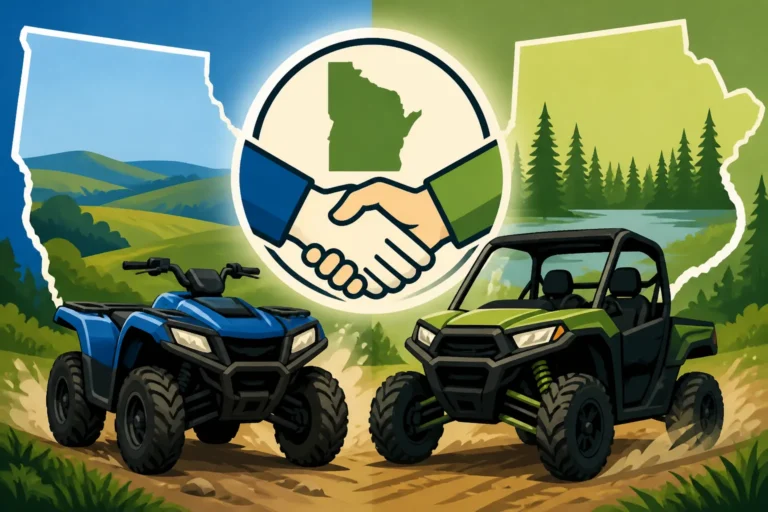
Manitoba prides itself on being a welcoming province, and that extends to our fellow off-road enthusiasts from other parts of Canada and beyond. There's a fundamental principle at play here: if your machine is legally registered and insured in your home jurisdiction, Manitoba generally recognizes that standing for visitors. This approach saves a lot of hassle for tourists and temporary residents, allowing them to enjoy our landscapes without jumping through excessive hoops. However, it’s not a complete free-for-all; there are still crucial details you need to be aware of to ensure your visit goes smoothly.
The Principle of Reciprocity: What It Means for You
The idea of reciprocity is a huge relief for many riders. Essentially, it means that if your ATV or UTV meets the legal requirements for registration and insurance in your home province, state, or territory, Manitoba will typically consider that sufficient for temporary operation within our borders. This prevents the frustrating situation of having to register your machine twice or secure redundant insurance coverage for a short visit. For example, a rider from Ontario visiting Manitoba wouldn't need to go through the entire Manitoba registration process if their machine is properly registered with their home province's licensing body. [Manitoba Rules for a Visiting Ontario Rider] outlines these considerations in more detail.
However, "reciprocity" isn't a blank cheque. It hinges on the idea that your home jurisdiction has comparable safety and regulatory standards. It's always a good idea to ensure your home registration is current and that your insurance coverage extends to out-of-province operation. Many personal insurance policies for off-road vehicles will cover you across provincial or state lines, but a quick call to your provider before you hit the road is a smart move. You’re effectively bringing your home province’s "permission slip" with you, and Manitoba says, "Okay, we trust they've done their due diligence."
Key Documents You Must Carry From Home
Even with reciprocity, you can't just show up with your machine and no paperwork. Think of it like driving your car across a border – you still need your license, registration, and insurance. For your off-road vehicle, the same applies. You must have proof of current registration from your home jurisdiction, valid proof of insurance, and if you're the operator, a driver's license that permits you to operate such a machine in your home area. These documents are non-negotiable and need to be readily accessible at all times while you are operating your ORV in Manitoba.
Imagine you're out on a beautiful trail in the Whiteshell or exploring the bush near The Pas, and a conservation officer or RCMP officer approaches you. They'll want to see these documents. Being able to quickly and clearly provide them will make any interaction brief and positive. Keep them in a waterproof pouch, perhaps in your glove box or a secure pocket on your riding gear. It's not just about proving you're legal; it's also about proving ownership if there are any questions, as detailed in [Manitoba Proof of Ownership on the Trail]. Furthermore, your insurance documents are vital. While Manitoba's basic ORV registration for residents includes some liability coverage, visitors rely on their home insurance. Make sure you understand your [Manitoba Insurance Rules for Visitors] before you travel.
Operating Your Machine Legally in Manitoba
While Manitoba extends a gracious hand of reciprocity for registration, it's absolutely critical to understand that once your wheels hit Manitoba soil, you are operating under Manitoba's off-road vehicle laws. This isn't a suggestion; it's a legal requirement. Everything from helmet usage to where you can actually ride your machine falls under provincial statutes and local by-laws. Ignoring these rules, even unknowingly, can lead to fines and a less-than-enjoyable visit.
Adhering to Manitoba's Operating Rules (Even as a Visitor)
This is perhaps the biggest area of potential misunderstanding for out-of-province riders. Your home province's operating rules might be very different from ours. For instance, Manitoba has specific regulations regarding age tiers for riders, passenger limits based on the machine's design, and stringent helmet laws. [Manitoba ATV Helmet Law] applies to almost everyone, with very few exceptions, regardless of where you're from. You can't just say, "Well, in my state, I don't have to wear one." Here, you do.
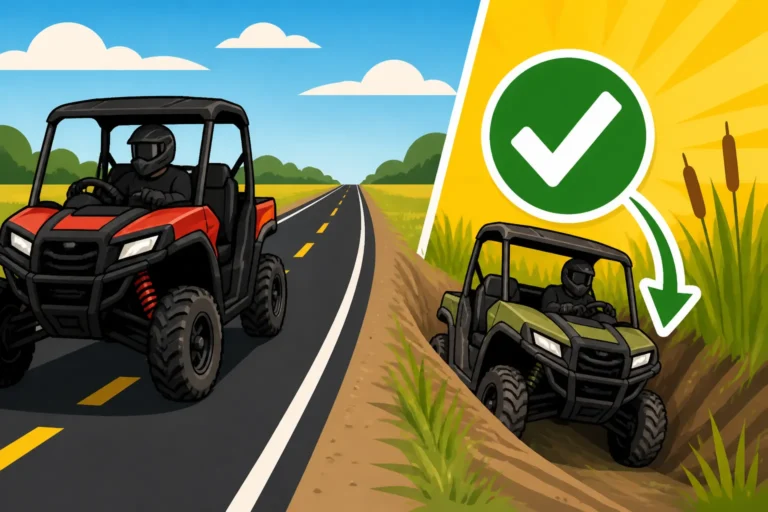
Furthermore, our rules about where you can ride are very distinct. Ditch riding, crossing roadways, and using shoulders for agricultural purposes are all subject to specific conditions and limitations in Manitoba that might not align with what you're used to. For example, riding on paved public roads is generally prohibited unless it's a designated crossing or a specific municipal by-law allows it – and those are rare. It's vital to do your homework on these operational rules before you venture out. Ignorance of the law is not a defence, and our local authorities are serious about rider safety and environmental protection.
Equipment Standards and Inspections
Manitoba also has some baseline equipment standards that apply to all machines operating within the province, regardless of where they are registered. These are typically universal safety measures, but it's good to be aware. For instance, your machine needs effective brakes, functional headlights and taillights (especially during low visibility or after dark), and a proper spark arrester. The spark arrester is particularly crucial for preventing wildfires, a serious concern in our forests, and [Manitoba Spark Arrester Requirements] are enforced year-round.
An officer might conduct an equipment check to ensure your ORV meets these basic safety and environmental standards. They're looking for things like working lights for visibility, as per [Manitoba Lighting Requirements on a Machine], and proper mufflers to keep noise levels reasonable. Most modern, well-maintained machines will meet these requirements, but it's wise to give your machine a once-over before you head out. A quick check of your lights, brakes, and tires can prevent an uncomfortable conversation with an officer and keep you safe on the trail.
Dispelling Common Myths and Avoiding Pitfalls
When visiting a new place, it's easy to make assumptions based on your experiences back home. However, Manitoba has a few unique aspects to its ORV regulations that often trip up out-of-province riders. Understanding these key differences can save you money, prevent confusion, and ensure your trip is nothing but fun.
The Manitoba Trails Fee: Visitors Are Exempt
This is one of the most common questions and points of confusion for anyone bringing a machine into Manitoba. Many people assume that because Manitoba has a dedicated trails fee, they, as visitors, must also pay it. I can tell you from countless conversations with riders that this causes a fair bit of anxiety. The good news is: out-of-province machines are exempt from Manitoba's $25 annual trails fee. That's right, you don't have to pay it! [Why a Visitor Never Pays the Trails Fee] is a relief for many.
The reason for this exemption is that the trails fee, which is automatically added to [The $25 Trails Fee Added to Every Registration] for Manitoba-registered ORVs, is specifically tied to the provincial registration process administered by MPI. Since you're not registering your machine in Manitoba, you won't be charged this fee. This fee helps fund trail maintenance and development for our provincial trail networks, which you are still welcome to use, of course. So, you get to enjoy the benefits without the direct cost, which is a pretty sweet deal for visitors!
Provincial Park Permits and Crown Land Access
While you might be exempt from the trails fee, that doesn't mean all access is free. If your riding plans include venturing into one of Manitoba's beautiful provincial parks, you will absolutely need a provincial park vehicle permit. This is separate from your ORV registration or the trails fee and applies to any vehicle entering a provincial park, including the one hauling your ATV/UTV. Whether it's a day pass or an annual permit, you'll need one displayed in your tow vehicle. You can find information on costs and purchase options, like the [Manitoba Park Vehicle Permit Cost], online or at park offices.
Riding on Crown land outside of provincial parks generally follows more lenient rules, but you still need to understand local nuances. While much of Manitoba's Crown land is open for recreational use, there can be restrictions based on season (e.g., wildfire closures), sensitive environmental areas, or specific land use designations. Always respect signage and be aware that [Manitoba Crown Land Access Rules] require you to stay off private property unless you have explicit permission from the landowner. A little research on your intended riding area before you go can prevent unwelcome surprises. For example, during fire season, there might be specific [Manitoba Wildfire Season Riding Restrictions] that apply to everyone, regardless of residence.
When an Out-of-Province Machine Becomes a Manitoba Machine
There's a clear distinction between visiting with your out-of-province machine and actually moving to Manitoba with it. The moment you become a resident, the rules change significantly. What was once reciprocal suddenly requires local adherence. Understanding this transition is crucial for a seamless move and continued enjoyment of your off-road adventures.
Moving to Manitoba: The Registration Transition
If you're making Manitoba your new home and bringing your ATV or UTV with you, you'll need to re-register it in the province. This isn't an optional step; it's a mandatory part of establishing residency and integrating your vehicle into Manitoba's system. The process typically involves visiting an Autopac agent with your proof of ownership (like a bill of sale), any existing registration documents from your previous jurisdiction, and potentially proof of identity and Manitoba residency. [Manitoba Registration for a New Resident] provides a comprehensive overview of this process.
You'll need to provide details about the machine, and it might be subject to a visual inspection to verify the VIN. Be prepared to pay Manitoba's Retail Sales Tax (RST) on the declared value of your machine if it hasn't been paid previously or if you've owned it for less than six months. This tax, along with the registration fee and the mandatory trails fee, will be collected at the time of registration. [Manitoba RST Collected at Registration] applies to all residents, ensuring everyone contributes to provincial services and trail maintenance. It’s a straightforward process, but gathering all your documents beforehand will certainly speed things up.
Long-Term Stays or Purchase Considerations
Sometimes, a "visit" to Manitoba extends into a more permanent stay, or perhaps you decide to purchase a new or used ORV while you're here. In these scenarios, the machine will need to be registered in Manitoba. There isn't a hard and fast rule about how long you can operate an out-of-province machine before it must be registered locally, but generally, once you establish residency (e.g., get a Manitoba driver's license, find permanent accommodation, start working), you're expected to register your vehicles here.
For those planning to stay long-term, or even just looking to upgrade their machine for Manitoba's rugged terrain, exploring local options and parts is a natural step. Many riders, whether moving here or just looking for durable upgrades that can handle Manitoba's diverse terrain, often turn to reputable aftermarket suppliers like SuperATV for parts and accessories. From heavy-duty axles to lift kits designed for challenging mud and bush conditions, equipping your machine for Manitoba can significantly enhance your riding experience. If you do purchase a machine in Manitoba, the dealer or private seller will guide you through the initial registration process, ensuring all taxes and fees are handled correctly.
| Requirement/Feature | Manitoba Resident ORV Owner | Out-of-Province Visitor ORV Owner | Notes |
|---|---|---|---|
| ORV Registration | Mandatory Manitoba Reg. | Valid Home Jurisdiction Reg. | Reciprocity applies for visitors. |
| Proof of Ownership | Required | Required | Must carry documents from home jurisdiction. |
| Insurance | Manitoba Basic + Optional | Valid Home Jurisdiction Coverage | Your home policy must cover out-of-province operation. |
| Manitoba Trails Fee | Mandatory | Exempt | Visitors do not pay the $25 trails fee. |
| Manitoba Park Permit | Required (for park entry) | Required (for park entry) | Applies to tow vehicle for all visitors to provincial parks. |
| Driver's License | Required (if applicable) | Required (if applicable) | Must be valid for ORV operation in your home jurisdiction. |
| Manitoba Operating Rules | Mandatory | Mandatory | All operators must follow Manitoba's helmet, age, ditch, etc., rules. |
| Equipment Standards | Mandatory | Mandatory | Lights, brakes, spark arrester, etc., must meet Manitoba standards. |
| RST (Sales Tax) | Collected at registration | Not applicable for visitors | Only if machine is newly registered in Manitoba or purchased here. |
Disclaimer
This article is for general informational purposes only and does not constitute professional advice. Laws, prices and regulations vary by location and change over time. Consult a qualified professional for guidance on your specific situation.