Manitoba Registration Compared to Minnesota
It’s a common scenario: you’re a proud ORV owner in Manitoba, maybe you’ve got a sweet Polaris RZR or a trusty Can-Am Outlander, and you’re dreaming of expanding your riding horizons. Perhaps those incredible trails across the border in Minnesota are calling your name, or maybe you’re a Minnesota rider eyeing the expansive beauty of Manitoba’s backcountry. But then the questions start bubbling up: "Are my plates good there? Do I need to re-register? What about insurance?" It can feel like navigating a maze, especially when the rules you’re used to at home don't quite translate. This guide is here to untangle the complexities of off-road vehicle (ORV) registration and operating rules, offering a clear comparison between Manitoba and Minnesota so you can hit the trails with confidence, no matter which side of the border you find yourself on.
The Core Difference: Centralized vs. Decentralized Systems
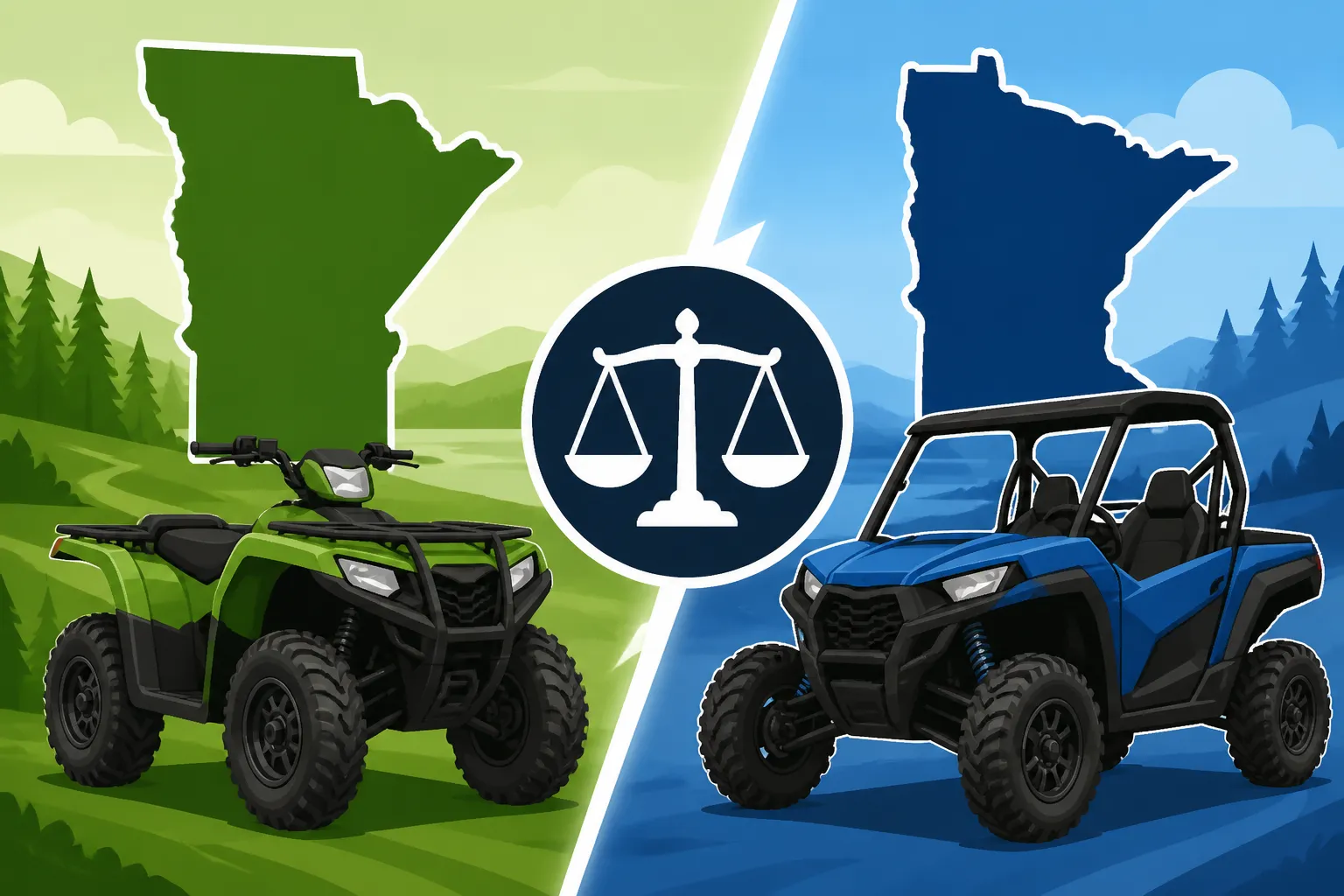
Right off the bat, the biggest distinction you'll encounter between Manitoba and Minnesota when it comes to ORV registration is the fundamental structure of their systems. Manitoba operates on a highly centralized model, while Minnesota takes a more decentralized, layered approach. Understanding this core difference is key to grasping all the subsequent variations.
Manitoba's Unified Approach with MPI
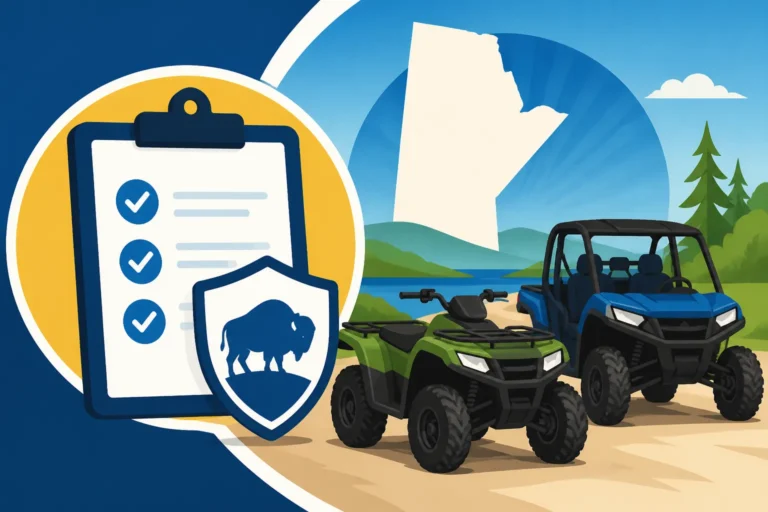
In Manitoba, pretty much everything related to your ORV – from registration and licensing to basic insurance and even some taxes – funnels through one primary entity: Manitoba Public Insurance, or MPI. This means when you go to register your new side-by-side or even renew your quad's paperwork, you're doing it all in one convenient place, usually at an Autopac agent. It's a "one-stop shop" experience that many Manitobans appreciate, simplifying a process that can be fragmented elsewhere.
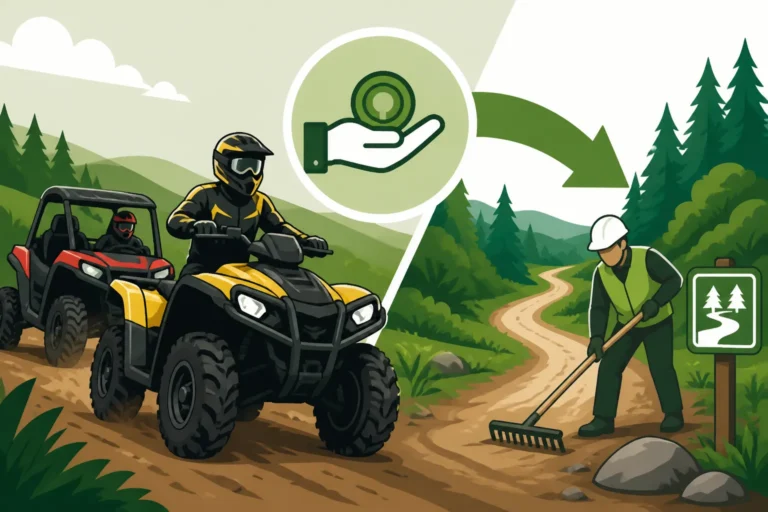
This integrated system means your registration certificate isn't just a permit to operate; it's a package deal. It includes your basic third-party liability insurance, which is mandatory, and it also collects the provincial sales tax (RST) at the time of purchase or transfer. Plus, for off-road enthusiasts, it's where the provincial [Why Every Registration Includes a $25 Trails Fee] is collected, directly supporting the maintenance and development of Manitoba's impressive trail networks. This unified approach aims to make compliance straightforward, ensuring that most of the necessary pieces are in place before you even leave the counter.
Minnesota's Layered System
Crossing into Minnesota, the landscape changes significantly. Here, the process is generally more layered, involving multiple agencies and potentially different steps depending on your specific needs. The primary authority for registering your ATV, OHM (off-highway motorcycle), or ORV (off-road vehicle) is the Minnesota Department of Natural Resources (DNR). They handle the actual registration and titling, issuing you the necessary decals or plates.
However, unlike Manitoba's all-in-one approach, insurance in Minnesota is typically obtained separately through a private provider. While liability insurance is a good idea for any rider, the specific requirements can vary. Beyond registration, Minnesota also has a system of trail permits or stickers, often required for specific trail systems or state-managed lands, which might be in addition to your basic registration. This means you might find yourself dealing with the DNR for registration, an insurance company for coverage, and potentially a local park or trail authority for access permits. It requires a bit more navigation, but it also offers a degree of flexibility for riders who might want to tailor their insurance or only ride certain types of trails.
Registration Essentials: What You Need and Where You Go
Getting your ORV legally registered is the first hurdle for any rider, whether you're a new owner or moving provinces or states. The specific documentation and processes can differ quite a bit, so knowing what to expect can save you a lot of headaches and a second trip to the office.
Registering Your ORV in Manitoba
When you're ready to register your ATV or UTV in Manitoba, you'll head to one of the many [Manitoba Autopac Agents and ORV Registration] offices scattered across the province. This is where the magic happens. For a new purchase, you'll typically need a few key pieces of paperwork. First and foremost, you'll need a valid bill of sale. This document is crucial as it proves you're the rightful owner and details the transaction. It should include the vehicle identification number (VIN), the sale price, and the names and signatures of both the buyer and seller. For private sales, getting a proper bill of sale is critical, and many riders find templates from services like LawDepot helpful to ensure all the necessary information is included.
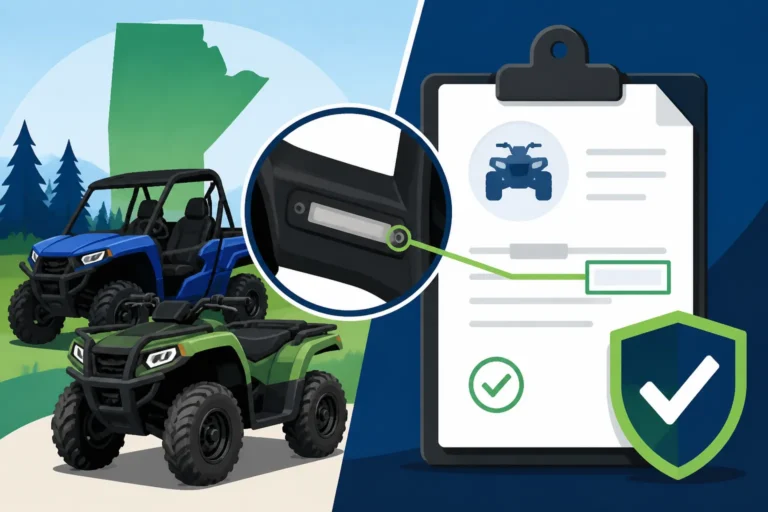
You'll also need personal identification, usually a driver's license, to confirm your identity. The Autopac agent will then process your application, collect any applicable provincial sales tax (RST) on the purchase price, and issue you your registration certificate and the single licence plate that Manitoba requires for ORVs. They'll also set up your basic third-party liability insurance, which is mandatory and included with your registration. It’s a fairly streamlined process, designed to get you registered, insured, and ready to ride in one visit. Remember, [Manitoba Plates on the Rear of a Quad] and [Manitoba Plate Mounting on a Side-by-Side] are specific requirements you'll want to adhere to.
Registering Your ORV in Minnesota
If you're registering an ORV in Minnesota, you'll primarily be dealing with the Minnesota Department of Natural Resources (DNR). The process can often be completed online, by mail, or through authorized DNR agents, which might include some bait shops or county offices. For a new ORV, you'll typically need proof of ownership, which could be a manufacturer's statement of origin (MSO) for a new machine or a bill of sale for a used one. If the vehicle has a title, you'll need that as well.
Similar to Manitoba, you’ll need personal identification. The DNR will process your registration and issue you a set of decals (stickers) that are typically affixed to the ORV, often on both sides or in a highly visible location, rather than a physical plate like Manitoba. There are different registration types, including resident and non-resident options, and the fees will vary accordingly. It's important to note that while the DNR handles the registration, you'll need to secure your liability insurance separately through a private provider, as this is not part of the DNR's process.
On-Trail Rules and Reciprocity for Visiting Riders
One of the most pressing questions for cross-border adventurers is whether their home registration is valid in the other jurisdiction. The good news is that both Manitoba and Minnesota generally recognize out-of-province or out-of-state registrations, but there are always local rules you need to be aware of and respect.
Minnesota Riders Visiting Manitoba
If you're a Minnesota rider planning to explore Manitoba's trails, you'll be relieved to know that your current Minnesota registration is typically honoured. You do not need to re-register your ORV in Manitoba or pay Manitoba's provincial trails fee. The province recognizes valid out-of-province registration as sufficient proof that your machine is legally allowed on the trails. This makes it much easier for our neighbours to the south to enjoy Manitoba’s vast wilderness.
However, while your registration is recognized, all of Manitoba's operating rules and regulations apply to you the moment your tires hit a Manitoba trail or ditch. This means you must adhere to [Manitoba ATV Helmet Law], age restrictions for riders, passenger limits, and specific rules for riding in ditches or crossing highways. For instance, Manitoba has specific requirements about carrying your [Manitoba Registration Cards Carried at All Times] and proof of insurance (even if it's from Minnesota). Always double-check local bylaws, as some municipalities might have additional restrictions. The key takeaway here is: bring your Minnesota registration, but ride by Manitoba's rule book. Check out [Manitoba Rules for a Visiting Minnesota Rider] for more details.
Manitoba Riders Visiting Minnesota
Conversely, if you're a Manitoba rider heading south to Minnesota, your valid Manitoba registration, complete with your provincial licence plate, will generally be recognized. You won't typically need to register your ORV with the Minnesota DNR. This mutual recognition is a huge benefit for cross-border tourism and means you don't have to jump through hoops just to visit.
However, much like your Minnesota counterparts visiting Manitoba, you must abide by all of Minnesota's local operating laws. This includes their specific helmet laws, age requirements, and rules about where you can and cannot ride. More importantly, Minnesota has various trail systems that might require additional permits or trail passes, even if your machine is registered elsewhere. These permits fund the maintenance of those specific trails and are often purchased separately through the DNR or local trail organizations. It's crucial to research the specific trails you plan to ride in Minnesota to see if such a pass is needed. Additionally, ensure your Manitoba insurance coverage is adequate for any potential incidents in the U.S. Always carry your [Carrying Your Registration Card on Every Ride] and proof of insurance from Manitoba.
Key Considerations Beyond Registration
While registration is foundational, there's more to consider when comparing ORV policies between Manitoba and Minnesota. Insurance, trail funding, and specific operating rules regarding age and safety are all crucial details that can impact your riding experience.
Insurance and Liability
Insurance is a big one, and this is where the differences between Manitoba and Minnesota become quite stark due to their fundamental system structures. In Manitoba, as we discussed, basic third-party liability insurance is mandatory and intrinsically linked to your ORV registration through MPI. When you register your machine, that base coverage is automatically included. This provides protection against claims if you're found responsible for damage to another person's property or injuries to another person. However, this basic coverage typically doesn't include collision for your own machine, theft, or extensive injury benefits for yourself. For that, you'd purchase additional coverage directly through MPI or a private broker. For most Manitobans, the convenience of this bundled approach is a clear benefit, streamlining what can be a complex decision. [Manitoba Insurance Included With Registration] explains this further.
In Minnesota, the insurance landscape is entirely private. While liability insurance is generally recommended and often required, you'll need to shop around with various insurance providers to find a policy that suits your needs. This means more choice in terms of coverage levels, deductibles, and premiums, but it also places the onus on the rider to ensure they have adequate protection. There's no automatic, baseline coverage tied to your DNR registration. If you're a Minnesota rider, it's vital to research and secure comprehensive insurance that covers not just liability but also your own machine for damage or theft, and personal injury. Services like LawDepot can assist in creating purchase agreements that clearly outline responsibilities, which might indirectly influence insurance needs for new buyers.
Trails and Fees
Both jurisdictions recognize the importance of funding their trail systems, but they go about collecting those funds in different ways. In Manitoba, a dedicated [The $25 Trails Fee Added to Every Registration] is collected annually with every ORV registration. This fee is specifically earmarked for the development, maintenance, and enhancement of the province's designated ORV trail network. It's a non-refundable fee that all registered riders contribute to, ensuring a consistent revenue stream for trail infrastructure. The funds are often administered through grant programs to local ATV clubs and organizations, which do much of the heavy lifting in terms of trail work.
Minnesota, on the other hand, often utilizes a combination of registration fees and specific trail permits or passes. While your basic DNR registration contributes to general administrative costs, access to certain state forests, parks, or designated trail systems might require an additional permit. These permits are typically purchased for a specific duration (e.g., annual, seasonal, or daily) and directly support the maintenance of those particular trail systems. This can mean more granular control over where your trail fees go, but it also requires riders to be more diligent about checking permit requirements for each area they plan to ride.
Age and Safety Regulations
When it comes to who can ride what and under what conditions, both Manitoba and Minnesota prioritize safety, especially for younger riders, but their specific age tiers and supervision requirements can differ. Manitoba has a graduated system: [Manitoba Rules for a 12-Year-Old Rider] for example, states they generally need supervision, while a 14-year-old can ride unsupervised in certain areas. By 16, with a valid driver's license, more freedoms are granted. Helmet laws in Manitoba are strict, generally requiring all operators and passengers to wear an approved helmet, with only very limited exemptions for specific agricultural or trapping uses, or if the ORV has an enclosed cab with seatbelts. You can learn more at [Manitoba ATV Age Requirements] and [Manitoba ATV Helmet Law].
Minnesota also has age-based restrictions, often with requirements for safety training for younger riders before they can operate an ORV unsupervised. They may have different classifications for ATVs, OHMs, and ORVs, each with specific operating requirements. Helmet laws in Minnesota generally apply to riders under a certain age and often to all riders on public lands or trails. However, there might be subtle differences in how these laws are enforced or specific exceptions depending on the type of ORV or the riding environment. Always check the current regulations for the specific area you'll be riding in Minnesota.
Here's a quick comparison of the key differences:
| Feature | Manitoba (MPI) | Minnesota (DNR) |
|---|---|---|
| Registration Authority | Manitoba Public Insurance (MPI) | Minnesota Department of Natural Resources (DNR) |
| Integrated Services | Registration, basic insurance, RST, trails fee | Registration only |
| Insurance | Basic liability included with registration; optional extended coverage through MPI or private broker | Private insurance required and obtained separately |
| Physical Identifier | Single metal licence plate (front or rear depending on machine) | Decals/stickers for the machine |
| Trails Funding | Annual $25 Trails Fee collected with registration | Combination of registration fees and specific trail permits/passes |
| Non-Resident Reg. | Not required if registered in home jurisdiction | Not required if registered in home jurisdiction |
| Non-Resident Fees | Home province/state registration honoured; no Manitoba trails fee for visitors | Home province/state registration honoured; specific Minnesota trail permits/passes may be required |
| Proof of Ownership | Bill of sale, VIN, previous registration | MSO, title, bill of sale, VIN |
Understanding these distinctions will help you plan your ORV adventures, whether you're sticking close to home or venturing across the border. Both Manitoba and Minnesota offer incredible riding opportunities, and knowing the rules ensures you can enjoy them safely and legally.
Disclaimer
This article is for general informational purposes only and does not constitute professional advice. Laws, prices and regulations vary by location and change over time. Consult a qualified professional for guidance on your specific situation.