Manitoba Registration for a Rental Fleet
Operating an ATV or UTV rental business in Manitoba can be incredibly rewarding, letting you share the thrill of off-road adventure with so many folks. However, before those machines ever leave your lot or hit the trail with a customer, you've got to navigate the often-complex world of registration, especially when you're dealing with an entire fleet. This guide is here to break down exactly what's involved in registering a rental fleet of off-road vehicles in Manitoba, helping you keep your operations smooth and compliant.
Understanding the Necessity: Why Every Rental Machine Needs a Plate
It might seem obvious, but it's worth reiterating: every single off-road vehicle (ORV) in your rental fleet that will be operated in Manitoba, whether it's on designated trails, Crown land, or even just crossing a ditch, absolutely needs to be registered with Manitoba Public Insurance (MPI). There's no special carve-out or loophole for rental operations when it comes to the basic registration requirement. Think of it this way: each machine, regardless of who's operating it or for how long, needs its own identity in the eyes of the law.
The frustration here for rental operators is often the sheer volume. You're not just registering one or two machines for personal use; you're dealing with dozens, sometimes even more, each requiring its own paperwork and fee payment. It's a significant administrative task right out of the gate, and it's easy to feel overwhelmed by the thought of tracking it all. But trust me, getting this foundation right protects your business and your customers.
The Foundation: Individual Registration for Each ORV
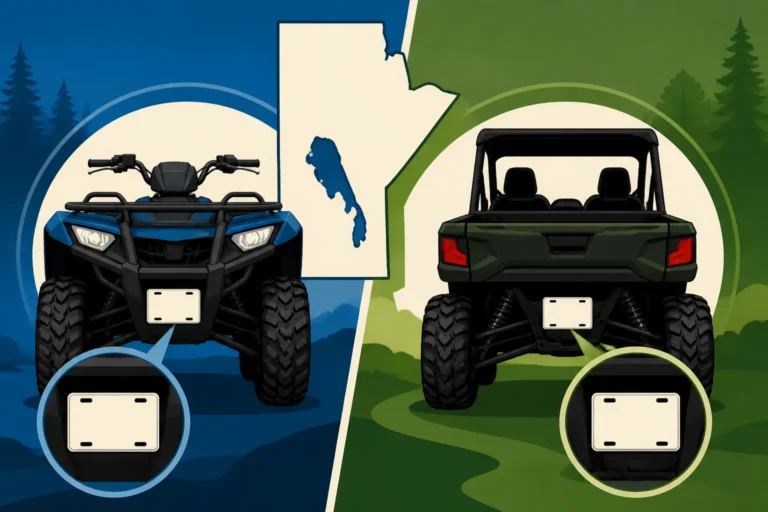
Just like a personal quad or side-by-side, each vehicle in your rental fleet must have its own unique registration certificate and an assigned licence plate. This isn't a "one-size-fits-all" or bulk registration process for a business. Every single ATV, UTV, or snowmobile you rent out must go through the same registration steps as if a private individual were buying it for their own use. This means each machine will have its own individual registration number, policy number, and effective dates. For new machines, this process typically starts with the manufacturer's statement of origin (MSO) or a bill of sale from the dealer. If you're acquiring used machines, you'll need a proper bill of sale and a signed transfer of ownership document from the previous owner. [Manitoba Transfer of Ownership Rules] outlines the nuances of this process, which is critical when adding machines to your fleet.
This individual approach ensures that each machine is correctly identified in case of an incident, a stolen vehicle report, or an enforcement check by a conservation officer. It also ties into the liability coverage that comes with basic registration. While we'll touch on insurance separately, it's important to know that the foundational registration is what gets the ball rolling for all other legal and financial protections.
The Trails Fee: An Added Cost for Every Unit
Here’s another detail that many rental operators might not anticipate, or wish they could bypass: the mandatory trails fee. Since April 2024, every single ORV registration in Manitoba includes a non-refundable trails fee. For a personal rider, this might just be a minor addition, but for a rental fleet of twenty, thirty, or even more machines, this fee quickly adds up. There are no exemptions for rental fleets from this fee, meaning each machine you register will contribute this amount, regardless of how often it's actually ridden on a designated club trail versus private land or other Crown lands.
This fee is collected by MPI right alongside your registration payment and is directed towards the Off-Road Vehicle Trails Fund. This fund supports trail development, maintenance, and educational initiatives across the province. So, while it's an expense, it's also contributing to the very infrastructure that many of your customers will be enjoying. You can learn more about this in [Why Manitoba Adds $25 to Every ORV Registration] and [Manitoba's Off-Road Trails Fee Explained].
Navigating the Registration Process for Multiple ORVs
Registering multiple machines can feel like a mountain of paperwork and a logistical challenge. It's not just about filling out a form; it's about meticulous record-keeping, understanding the flow of documents, and potentially managing this through an Autopac agent who understands commercial fleet needs.
The key here is organization. With numerous machines, you’ll want a robust system for tracking each vehicle’s unique identifiers, registration status, and any associated documents.
Required Documents for Each Machine
For every ATV or UTV you intend to register, you'll need specific documentation. This is generally the same as for a private individual, but the volume is what makes it unique for a fleet. You'll need:
- Proof of Ownership: This is typically the Manufacturer's Statement of Origin (MSO) for brand-new machines purchased from a dealer. For used machines, you'll need a bill of sale from the previous owner. If you’re buying from a private seller, ensure the bill of sale clearly identifies the machine by its Vehicle Identification Number (VIN) and includes the seller’s contact information and signature. Sometimes, with multiple previous owners, you might have a "chain" of bills of sale to establish clear title.
- Proof of Identity for the Registrant: As a business, this would involve your business registration documents, articles of incorporation, or other legal proof of your entity, along with identification for the authorized signing officer.
- The Machine Itself (Potentially): While not always required for every registration visit, sometimes an Autopac agent might want to verify the VIN on the machine, especially if there are discrepancies or issues with the paperwork. It’s always a good idea to have clear photographs of the VIN plate and other identifying marks.
- Payment for Fees: Be prepared for the registration fee and the trails fee for each machine. This can quickly become a substantial amount for a fleet.
Let's break down these documents into a helpful table:
| Document Type | Purpose | Details for Rental Fleet |
|---|---|---|
| Proof of Ownership | Establishes legal title to the ORV | MSO for new purchases; detailed bill of sale for used machines. Ensure VINs match perfectly across all documents. For used machines, a clear chain of ownership is vital. |
| Business ID & Signing Officer | Proves the legitimate business entity | Articles of Incorporation, business registration, or other legal business documents. Photo ID of the individual signing on behalf of the business. |
| VIN Verification | Confirms the physical machine matches documents | Keep clear photos of VIN plates for each machine. Be prepared to bring a machine in if an agent requests physical inspection, especially for older or imported units. |
| Payment | Covers registration fees and mandatory trails fee | Plan for the total cost for your entire fleet. Payments can typically be made by debit, credit card, or cheque. Remember, the [Manitoba ORV Registration Cost] includes the trails fee. |
| Rental Agreements / Waivers | Legal protection when customers use machines (not for registration) | Crucial for your business operations. Though not for registration, robust agreements are key. Consider using platforms like LawDepot for drafting comprehensive rental contracts, liability waivers, and maintenance logs for each machine in your fleet. |
Working with an Autopac Agent for Fleet Registration
Your local Autopac agent is your primary point of contact for all ORV registration needs. When you're managing a fleet, it's highly beneficial to establish a good relationship with an agent who understands commercial accounts and can help streamline the process. They can advise you on the specific requirements, help you organize your paperwork, and process the registrations efficiently. It's a smart move to call ahead, explain you're registering multiple machines for a rental business, and ask if there’s a particular time that would work best, or if they have any specific procedures for bulk registrations.
For instance, they might prefer that you bring all your MSOs or bills of sale at once, clearly organized by VIN. They'll process each one individually, issuing a separate registration certificate and plate for every single machine. This can be time-consuming, so patience and preparation are key. Remember, [Manitoba Autopac Agents and ORV Registration] are equipped to handle these transactions.
Registering Machines Acquired Through Non-Traditional Means
Sometimes, you might acquire machines for your fleet through means other than a traditional dealer or private sale with a clear bill of sale. Perhaps you bought some at an auction, or inherited a small fleet as part of a business acquisition, and some of the paperwork is missing. This can complicate the registration process. MPI typically requires clear proof of ownership to prevent the registration of stolen vehicles.
If you find yourself with machines that lack proper documentation, you'll need to work closely with MPI and your Autopac agent. They might require statutory declarations, previous registration records, or a detailed explanation of how the machine was acquired. In some cases, if a VIN is missing or unreadable, this can be a significant hurdle. [Manitoba Registration When the VIN Is Gone] explains the challenges here. It's always best to have all your ducks in a row before you acquire machines, but if you're already in this situation, proactive communication with MPI is your best bet.
Ongoing Management: Renewals, Records, and Transfers for Your Fleet
Registering the fleet is just the beginning. Managing its registration throughout the year, especially with machines potentially moving in and out of the fleet, requires diligent ongoing effort.
Annual Renewals and Staying Organized
ORV registrations in Manitoba generally renew with your Autopac policy. This means you'll have an annual renewal cycle for your entire fleet. For a business, this can be a massive administrative undertaking if not managed effectively. Imagine trying to track renewal dates for dozens of individual registrations! It's critical to have a robust system in place to remind you of upcoming renewals and to ensure all machines are kept in active status.
Many rental operators choose to renew all their fleet registrations at the same time to simplify the process. Your Autopac agent can often help you coordinate this. Neglecting renewals can lead to machines being unregistered, which means they cannot be legally operated, and could result in fines if your customers are caught riding them. This could severely impact your business reputation and operations. [Manitoba ATV Registration Renewal] offers insights that are pertinent to managing these annual tasks.
Meticulous Record-Keeping for a Commercial Fleet
Beyond just having the registration certificate for each machine, you need a system for comprehensive record-keeping. This includes:
- Registration Certificates: A physical copy of each machine's current registration card must be carried with the machine whenever it's being operated. This means your rental customers need to have it with them. Developing a secure, waterproof pouch system that attaches to each machine or is given to the rider with their rental agreement is essential. [Manitoba Registration Cards Carried at All Times] emphasizes this requirement.
- Maintenance Logs: While not directly for registration, tracking maintenance and repairs for each machine by VIN is vital for safety, longevity, and proving due diligence if an accident occurs.
- Rental Agreements: Each time a machine goes out, you'll have a rental agreement. These documents are proof of who was operating the machine, when, and under what terms. They should clearly state that the renter is responsible for following all ORV laws, including carrying the registration card. Using a service like LawDepot can help you generate and manage professional, legally sound rental agreements and liability waivers for your fleet.
- Transfer Documents: If you sell a machine from your fleet, you'll need to properly complete the transfer of ownership. This involves signing over the transfer portion of the registration certificate to the new owner. Missing this step means the machine remains registered in your business's name, potentially leaving you liable. [Manitoba Transfer of Ownership Steps] details how to correctly handle these transactions.
Having digital copies, alongside physical ones, organized by VIN, can be a lifesaver. This makes it easier to track documents, search for specific machine details, and retrieve information quickly if needed.
Handling Transfers In and Out of Your Fleet
As a rental operator, you'll likely be buying new machines and selling older ones to refresh your fleet. Each of these transactions requires a proper transfer of ownership. When you buy a machine, you need to ensure you receive a properly completed transfer document from the seller, along with a bill of sale. When you sell a machine, you are responsible for signing over the transfer portion of your registration certificate to the buyer. This acts as proof that you are no longer the owner and are no longer responsible for that specific machine.
Failing to properly transfer ownership when you sell a machine can lead to headaches down the road. For example, if the new owner gets a ticket and hasn't registered it in their name, that ticket could potentially come back to you. [Manitoba Transfer Ends Your Registration] is a crucial piece of information here – your registration is tied to you as the owner, and selling the machine effectively ends your registration for that unit. The new owner must then re-register it in their name.
Important Considerations for Rental Fleet Operators
Beyond the basics of registration, there are several other critical points that rental fleet operators in Manitoba need to keep in mind to ensure smooth and compliant operations.
Liability and Insurance Beyond Basic Coverage
Basic ORV registration in Manitoba includes third-party liability coverage, which helps protect you if your machine causes damage to someone else's property or injures another person. However, for a commercial rental fleet, relying solely on this basic coverage is often insufficient. You need to consider additional insurance to protect your investment in the machines themselves (collision, comprehensive coverage for theft or fire) and to significantly increase your liability limits.
Accidents can happen, and rental operations face unique risks. Your business insurance policy should specifically address the rental of ORVs, covering potential customer injuries, damage to your machines, and higher liability claims. Discuss your specific business needs with a commercial insurance broker who understands the ORV rental market. They can help you tailor a policy that offers robust protection, potentially including options for accident benefits for riders or coverage for a stolen machine. Remember, [Manitoba Insurance Included With Registration] provides a baseline, but commercial operations need much more.
Customer Education and Responsibilities
When a customer rents an ORV from your fleet, they are essentially borrowing your registered machine. It becomes your responsibility to ensure they are aware of their obligations and the rules of the trail. This includes:
- Carrying the Registration Card: As mentioned, the physical registration card must be on the machine or with the operator at all times. Educate your customers on where to keep it safely and securely.
- Operating Rules: Remind customers about speed limits, riding etiquette, environmental protection, and rules regarding helmets. [Manitoba Helmet Law and Its Exemptions] and [Manitoba Age Tiers for Young Riders] are particularly important, as you must ensure your machines are only rented to and operated by individuals who meet the legal age requirements and follow helmet rules.
- Designated Riding Areas: While your business might focus on specific trails, customers might stray. It's good practice to provide information on legal riding areas and warn against riding on prohibited lands.
- Accident Procedures: Equip your customers with clear instructions on what to do if an accident occurs, including contacting you, emergency services, and how to gather necessary information.
Incorporating these points into your pre-rental briefing and your written rental agreements (which, again, LawDepot can help you craft) is crucial. Your customers’ actions reflect on your business, so thorough education is key.
Compliance with Other Provincial Regulations
Beyond registration, remember that rental fleet operations must comply with all other provincial regulations related to ORVs. This includes noise bylaws, environmental protection guidelines, and rules about where ORVs can and cannot be operated. For example, [Manitoba Bans Riding on Roadways] is a critical rule to convey to your customers. Many municipalities and local government districts also have their own bylaws regarding ORV use, which could impact where your customers can ride, especially if you operate near urban centres or in communities with specific restrictions.
Staying informed about these regulations and ensuring your fleet operates within them is not just about avoiding fines; it's about being a responsible business owner and contributing positively to the ORV community in Manitoba. Regularly check for updates from government sources and local authorities to ensure your business remains compliant with all relevant rules.
Disclaimer
This article is for general informational purposes only and does not constitute professional advice. Laws, prices and regulations vary by location and change over time. Consult a qualified professional for guidance on your specific situation.