Manitoba Parental Consent From 16 to 18
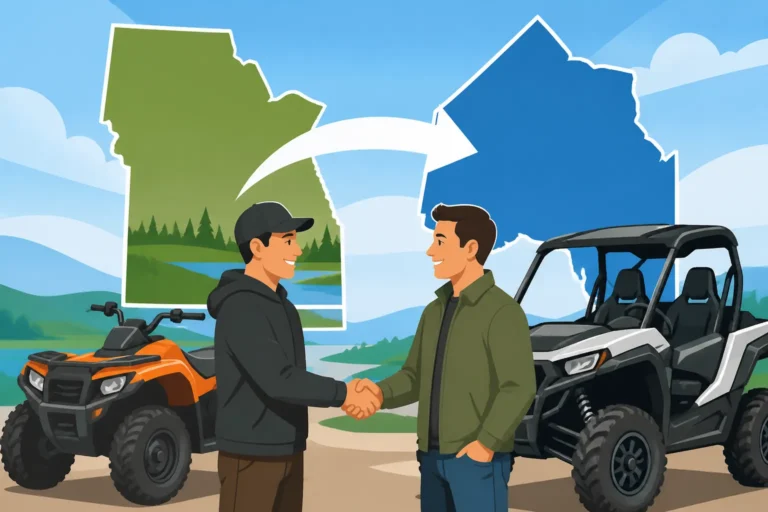
It's an exciting time when your teenager expresses interest in getting their own off-road vehicle, whether it's an ATV for trail riding or a UTV for utility around the property. But for many parents in Manitoba, the thought of registering a machine for someone who isn't yet an adult can feel like navigating a maze of paperwork and rules. You want to do it right, ensure everyone is safe and legal, and avoid any headaches down the road. This guide will walk you through the specific requirements for parental consent when registering an ORV for a teen between 16 and 18 years old in Manitoba, ensuring a smooth process for everyone involved.
The Core Challenge of Registering an ORV for a Teen in Manitoba
When your teen turns 16, a whole new world of independence opens up, and for many, that includes the desire to operate their own off-road vehicle. They can drive a car with a learner's permit, so surely registering an ATV or UTV should be straightforward, right? Not entirely. Manitoba's rules acknowledge the maturity of 16-year-olds to operate certain vehicles, but legal ownership and the associated responsibilities are a different ballgame. This often creates a point of confusion for families trying to follow all the steps.
Why Age Matters for Ownership and Registration
At its heart, registration isn't just about getting a plate; it's about formally documenting ownership of a vehicle with Manitoba Public Insurance (MPI). This process establishes who is legally responsible for the machine. While a 16-year-old can indeed obtain an operator's permit and legally ride an off-road vehicle, the legal age of majority in Manitoba is 18. This means that a person under 18 generally can't enter into a binding contract, like purchasing a vehicle or taking on full legal responsibility for it, without some form of adult co-sign or consent. The provincial government wants to make sure that the proper safeguards are in place when a minor is involved in owning a significant asset like an ATV or UTV. That's why even if they are mature enough to ride, the legal framework for ownership requires an adult's backing until they reach 18. [Manitoba Registration Age of 16] is a good starting point to understand the base age requirements.
The Legal Bridge Between 16 and 18
So, what happens during those crucial two years between 16 and 18? Your teen is old enough to ride, often with specific restrictions, but not quite old enough to be fully independent in the eyes of the law regarding major purchases or financial liabilities. This is where parental consent steps in, acting as a legal bridge. It ensures that an adult, typically a parent or legal guardian, acknowledges and approves the minor's acquisition and registration of the off-road vehicle. This consent essentially tells MPI that an adult is aware of the transaction and is taking on some degree of oversight or responsibility for the minor's actions related to the machine's ownership. It’s a common-sense approach designed to protect both the minor and the seller, and to ensure that the necessary adult supervision is in place for such a significant item.
Understanding Parental Consent: What It Is and Why It's Needed
The term "parental consent" might sound formal, but it's really about a clear declaration from a parent or legal guardian. Think of it as officially saying, "Yes, I approve of my child, who is between 16 and 18 years old, registering this off-road vehicle." This step is critical because it addresses the legal limitations of minors entering into contracts or assuming full legal responsibility. Without it, the registration process for a teen simply can't move forward.
The Purpose of Consent in Off-Road Vehicle Registration
The primary purpose of parental consent in this context is to provide a layer of adult accountability for the registration of an off-road vehicle by a minor. Since a 16 or 17-year-old is not yet considered a legal adult in Manitoba, they cannot fully bind themselves to the responsibilities that come with registering a vehicle. This includes acknowledging ownership, understanding the associated liabilities, and complying with all provincial regulations. By providing consent, the parent or guardian is essentially affirming that they sanction the registration and, by extension, that they understand the implications of their child owning and operating the ORV. It's a way for MPI to ensure that there's an adult involved in the decision-making process for this significant asset. It's also part of why [Parents Sign for Owners Aged 16 to 18].
When Parental Consent Becomes a Requirement
Parental consent is absolutely required whenever a minor, aged 16 or 17, wishes to register an off-road vehicle in their name. This holds true regardless of how the machine was acquired. Whether it's a brand-new ATV bought from a dealership, a used UTV purchased from a private seller, or even a gifted machine from a family member, the consent form is a non-negotiable part of the process. MPI's system is designed to flag registrations for individuals under 18, triggering the need for this consent. It's not just a suggestion; it's a mandatory step to ensure the registration is legally sound. So, if your teen is getting ready to ride, make sure this piece of the puzzle is in place before you head to an Autopac agent.
Navigating the Parental Consent Process at MPI
Once you understand why parental consent is needed, the next step is knowing how to present it correctly at MPI. It's not as simple as just saying "I agree" over the counter; there's specific documentation and a formal process involved. Getting everything lined up beforehand will save you a lot of time and frustration at the Autopac agent's office.
Essential Documents for Your Appointment
To successfully register an off-road vehicle for a 16 or 17-year-old, you'll need more than just the machine's paperwork. Here’s a checklist of what you, as the parent or legal guardian, and your teen will need to bring to your Autopac appointment:
- Proof of Identity: Both the parent/guardian and the minor will need valid identification. For the parent, a driver's license or other government-issued photo ID is usually sufficient. For the teen, a birth certificate or another form of ID that clearly shows their full legal name and date of birth is crucial. This is how MPI verifies their age. [Bringing a Birth Certificate to Prove Your Age] is a great way to ensure you have the right ID.
- Proof of Ownership: This could be a bill of sale, a transfer of ownership document from a previous owner, or a new vehicle information statement from a dealer. This document confirms that the machine is legitimately being transferred to the minor's ownership. Make sure the VIN on the document matches the machine perfectly.
- Parental Consent Form: This is the star of the show! It needs to be a written, signed document where the parent or legal guardian explicitly grants permission for the minor to register the ORV. While MPI might have a basic form available, having a clearly worded, professional document prepared in advance can make the process smoother. We'll delve into what makes a good consent form shortly.
- The Minor Present: The 16 or 17-year-old who will be the registered owner must be present at the Autopac agent's office. This allows the agent to verify their identity and confirm their understanding of the registration.
- Any Applicable Payment: Be prepared to pay for the registration fees, the mandatory trails fee, and any applicable provincial sales tax (RST).
Having all these documents organized and ready will significantly speed up your visit.
The Role of the Autopac Agent in the Process
Your local Autopac agent is the crucial link in getting your teen’s ORV registered. They aren't just there to process paperwork; they are trained to ensure all legal requirements are met, especially when minors are involved. When you bring your teen and all the necessary documents to the agent, they will:
- Verify Identities and Age: They will check the IDs of both the parent/guardian and the minor to confirm who everyone is and that the minor is indeed between 16 and 18 years old.
- Review the Consent Form: The agent will examine the parental consent form to ensure it's properly filled out, signed, and clearly states the necessary permissions. They might ask clarifying questions to ensure the parent understands what they are consenting to.
- Process Ownership Transfer: They will handle the transfer of ownership of the off-road vehicle, linking it to the minor as the new registered owner, with the parental consent noted. This is often the point where they also apply the appropriate fees and taxes.
- Issue Registration: Once everything is in order, they will issue the registration certificate and the single plate for the off-road vehicle. They will also collect the [The $25 Trails Fee Added to Every Registration] as part of the total.
It's a straightforward process when you're prepared. Don't hesitate to ask your [Manitoba Autopac Agents and ORV Registration] any questions you might have before or during your appointment; they are there to help!
Crafting a Robust Parental Consent Form
While it might seem like a small detail, the parental consent form itself is a legally important document. You want to make sure it's clear, comprehensive, and leaves no room for ambiguity. A well-drafted form provides peace of mind for you, your teen, and the Autopac agent processing the registration.
Key Elements of an Effective Consent Document
A solid parental consent form for ORV registration for a minor should include specific information to be legally sound and accepted by MPI. Here’s what it typically needs to cover:
- Clear Identification of Parties:
- Full legal name, address, and contact information of the consenting parent(s) or legal guardian(s).
- Full legal name, address, and date of birth of the minor (the teen who will be the registered owner).
- Identification of the Off-Road Vehicle:
- Year, make, model, and crucially, the full Vehicle Identification Number (VIN) of the ATV or UTV being registered. This links the consent directly to the specific machine.
- Explicit Statement of Consent:
- A clear and unambiguous statement that the parent/guardian grants permission for the named minor to register the identified off-road vehicle in their name with Manitoba Public Insurance (MPI).
- It should also acknowledge that the parent/guardian understands the minor will be the registered owner and is aware of the responsibilities involved.
- Date and Signatures:
- The date the document is signed.
- The signature of the consenting parent(s) or legal guardian(s). If two parents share custody or responsibility, it's often a good idea to have both sign, even if only one is physically present at the MPI office.
- While not always required, having the minor also sign to acknowledge receipt and understanding of the consent can be a good practice.
- Witness Signature (Optional but Recommended):
- Having a third-party witness sign the document can add an extra layer of legal robustness, confirming that the parent's signature is authentic.
Remember, the goal is clarity. You don't want any questions about who is consenting, for whom, or for what machine.
Utilizing Templates for Peace of Mind
For many parents, drafting a formal legal document from scratch can feel daunting. This is where reliable legal document templates can be a huge help. Using a reputable service like LawDepot can provide you with a structured, legally sound parental consent form that you can customize to your specific situation. These templates are designed by legal professionals to cover all the necessary bases, ensuring that you don't miss any critical information.
Instead of trying to piece together a letter from various online snippets, a platform like LawDepot offers pre-made templates that prompt you for all the required details, from the minor's information to the ORV's VIN. This not only saves you time but also gives you confidence that the document will be accepted when you visit your Autopac agent. While you should always review any template to ensure it meets your specific needs, starting with a professionally developed template can streamline the entire parental consent process and help you feel prepared.
| Age of Rider | Can Ride ORV? | Can Register ORV (as owner)? | Parental Consent Required for Registration? | Operator's Licence Required for Crossing? |
|---|---|---|---|---|
| Under 14 | Yes (with supervision) | No | Not applicable | No (cannot cross highways) |
| 14-15 | Yes (with conditions) | No | Not applicable | Yes (learner's permit) |
| 16-17 | Yes | Yes | Yes | Yes (full or learner's permit) |
| 18+ | Yes | Yes | No | Yes (full licence) |
Beyond Registration: Other Age-Related Rules for Young Riders
Getting the registration sorted with parental consent is a huge step, but it's important to remember that it's just one part of the picture. The moment your teen gets behind the handlebars of their registered ATV or UTV, they also become subject to a whole host of operating rules and regulations specific to their age. As a parent, understanding these rules is crucial, not just for compliance but for their safety and for managing potential liabilities.
Operating Rules and Licensing for 16-18 Year Olds
While a 16 or 17-year-old can be the registered owner of an off-road vehicle with your consent, their actual ability to operate the machine on public lands, trails, or even cross roadways, comes with its own set of rules. For instance, [Manitoba Rules for a 16-Year-Old Rider] dictate specific conditions. Generally, a 16-year-old with a valid driver's licence (even a learner's permit, with specific conditions) can operate an ORV. However, certain activities, like crossing provincial highways, often require a full-stage licence.
It's vital to review the specific provincial regulations regarding age, supervision, and licensing for ORV operators. For example, while they might ride solo on private land, venturing onto designated trails or crown land will likely require them to adhere to more stringent rules. Always check the official guidelines, as these can change. Make sure your teen understands these rules implicitly. They need to know where they can ride, who they can ride with, and what equipment (like helmets) is always mandatory. Keep in mind that [Manitoba Registration for a Youth Quad] might have different rules for the machine itself, but the operator's age rules generally apply broadly.
Liability and Insurance Considerations for Young Operators
This is a big one that often gets overlooked in the excitement of getting a new machine. While the basic [Manitoba Insurance Included With Registration] provides some third-party liability coverage, it's crucial for parents to understand its limits, especially when a minor is involved. The base coverage through MPI primarily protects against damage your ORV might cause to other people's property or injuries to others (with limitations). It does not, for example, cover injuries to the operator themselves or damage to your own machine from an accident.
When a 16 or 17-year-old is operating an ORV, the potential for incidents, however minor, exists. As the consenting parent, you are often seen as having a degree of responsibility, and increasing your liability coverage beyond the basic minimum is a wise decision. Many families opt for additional coverage through private insurers to protect against injury to the rider, theft of the machine, or damage from a collision. Discussing these options with an insurance broker is highly recommended to ensure you have comprehensive coverage that adequately protects your family and your investment.
Common Pitfalls and How to Avoid Them
Even with the best intentions, families sometimes run into unexpected hurdles during the parental consent process for ORV registration. Being aware of these common pitfalls can help you navigate them smoothly and avoid delays.
Misunderstandings About "Emancipation" or Independence
One common misconception revolves around the idea of a minor being "emancipated" or considered independent, thereby negating the need for parental consent. In Manitoba, and indeed in most of Canada, legal emancipation for a minor is an extremely rare and formal legal process. It's not something that happens simply because a teen has a job, lives independently, or is self-sufficient. Unless there is a specific court order declaring a minor emancipated, they are generally considered to be under the age of majority until their 18th birthday, meaning parental consent for significant legal acts like registering an ORV is still required. Trying to circumvent the consent requirement based on a misunderstanding of emancipation will likely lead to delays and frustration at the Autopac counter. It's always safest to assume the consent is needed if your child is under 18.
Ensuring All Parties Are Present and Prepared
A significant number of issues arise simply because not everyone who needs to be present is, or because some documents are missing or incomplete. When registering an ORV for a 16 or 17-year-old, remember these key points to avoid a wasted trip:
- The Minor Must Be There: The teen whose name will be on the registration must be physically present at the Autopac agent's office.
- Consenting Parent(s) Must Be There (or provide notarized consent): Ideally, the parent or legal guardian providing consent should also be present to sign documents and answer any questions. If circumstances prevent a parent from being there, ensure the parental consent form is notarized or witnessed properly beforehand, as per MPI's requirements. This often comes up in situations where parents are separated or one is out of province. If there are [Manitoba Registration With Two Owners] or multiple guardians, ensure all necessary parties are prepared.
- All Documents in Order: Double-check your checklist: IDs for everyone, proof of ownership for the ORV, and the fully completed parental consent form. Don't forget proof of age for the minor, such as a birth certificate or passport. A missing signature, an incorrect VIN, or an unverified date of birth can bring the whole process to a halt.
Taking the time to ensure everyone is prepared and all paperwork is in perfect order is the best way to ensure a quick and successful registration process for your teen's off-road vehicle. For a full rundown of the registration steps, check out [Registering Your First Quad at Age 16].
Disclaimer
This article is for general informational purposes only and does not constitute professional advice. Laws, prices and regulations vary by location and change over time. Consult a qualified professional for guidance on your specific situation.