Questions Worth Asking a Manitoba Dealer
Stepping into an ATV or UTV dealership in Manitoba can feel a lot like walking into a maze. There are so many machines, so much terminology, and let's be honest, a lot of numbers flying around. It’s easy to get caught up in the excitement of a new ride and forget to ask the crucial questions that protect your investment and ensure you're compliant with local regulations. This guide is here to help you cut through the confusion and equip you with the essential questions you need to ask your dealer before you sign on the dotted line.
Understanding the Dealer's Role Beyond the Sale
When you're looking at a shiny new quad or side-by-side, it's easy to see the dealer primarily as the person who sells you the machine. But in Manitoba, their role is often much more encompassing, especially when it comes to getting your new off-road vehicle (ORV) legally on the trail. They're not just moving inventory; they're your first point of contact for understanding provincial regulations, facilitating registration, and often handling the initial tax collection. Overlooking their expanded role can lead to surprises down the road, so it’s wise to tap into their expertise.
Why Dealers Are More Than Just Salespeople
Think of your dealer as a crucial intermediary between you and Manitoba Public Insurance (MPI), as well as the provincial government's tax department. They are typically well-versed in the specifics of [Manitoba ORV Registration Through MPI], the various forms, and what's required to legally transfer ownership and register a new machine. This isn't just about convenience; it’s about accuracy. A mistake in the paperwork can delay your first ride or, worse, cause issues if you're ever stopped by a conservation officer or the RCMP. They can explain everything from age requirements for specific machines to the nuances of Manitoba's off-road vehicle Act. Don't hesitate to ask them about these administrative processes; they do it every day.
They also often have insights into local riding areas, club affiliations, and even seasonal considerations for riding in Manitoba. For instance, they might know about specific trail networks, local by-laws in surrounding municipalities, or the best time of year to visit certain areas. This kind of local knowledge can be invaluable for a new owner, helping you get the most out of your machine safely and legally from day one. Leveraging their experience can save you a lot of research time and prevent potential missteps.
Paperwork You Should Expect From a Dealer
When you purchase a new ORV from a dealer, you should anticipate receiving a specific set of documents that confirm your ownership and facilitate registration. The most fundamental document is, of course, the bill of sale. This is your proof of purchase and will detail the machine's make, model, Vehicle Identification Number (VIN), and the agreed-upon price. Ensure the VIN on the bill of sale exactly matches the VIN on the machine itself. Mistakes here can lead to significant headaches later when you try to register the ORV with MPI.
Unlike private sales where a transfer of ownership form (often part of the original registration certificate) is crucial, new machines don't come with a previous owner's registration. Instead, the dealer provides the necessary documentation directly to MPI for initial registration. You should also receive documentation regarding any manufacturer's warranty, extended warranty options, and perhaps a copy of the pre-delivery inspection (PDI) checklist. It's also a good idea to confirm if the dealer provides any temporary operating permits, although often the registration is processed quite quickly. If you're ever in doubt about what legal documents you need, or want to create a supplementary agreement for accessories or specific terms, resources like LawDepot can provide customizable legal forms that might give you extra peace of mind, especially if you're dealing with unique financing or shared ownership scenarios. Having all your paperwork in order is key to a smooth start to your riding adventures.
Navigating Costs and Fees
The sticker price on a new ATV or UTV is rarely the final price you'll pay. Dealers, like many businesses, have additional costs that factor into the total 'out-the-door' price. Understanding these various fees and how they contribute to the final cost is critical for budgeting and avoiding sticker shock when you finally sit down to sign. Many riders have expressed frustration over unexpected charges, so asking detailed questions upfront can save you from feeling blindsided.
Decoding the Price Tag and Hidden Fees
One of the first questions to ask is for a complete breakdown of the "out-the-door" price. This means asking for a detailed invoice that lists every single charge. Common additional fees include "freight" and "pre-delivery inspection" (PDI). Freight covers the cost of transporting the machine from the factory to the dealership, and PDI covers the dealer's time to uncrate, assemble, inspect, and prepare the ORV for sale. While these are legitimate costs, they can add hundreds, sometimes over a thousand, dollars to the price. It's essential to know exactly what these charges are. [Manitoba Dealer Fees to Expect] often include these line items, alongside things like documentation fees, which cover the administrative costs of preparing your paperwork.
Some dealers might also add "documentation fees" or "administration fees." Always ask for a clear explanation of what these cover. Are they legitimate costs for processing documents, or are they simply a way to inflate the final price? Don't be afraid to question anything you don't understand or that seems excessive. While some fees are non-negotiable, having clarity on each charge empowers you as a buyer. Remember, transparency is key, and a reputable dealer will be happy to provide a clear, itemized breakdown.
Taxes and Registration at the Dealership
In Manitoba, your dealer plays a significant role in collecting both provincial sales tax (RST) and goods and services tax (GST), as well as the initial registration fees for your ORV. You should specifically ask how these taxes are calculated. The province collects [Manitoba's 7 Percent RST on a Machine] on the selling price, and then GST is added on top of that, leading to a combined rate. Dealers are responsible for remitting these taxes on your behalf. Don't forget to inquire about the specific registration costs.
A key component of your registration cost in Manitoba is the mandatory trails fee. You should ask about [The $25 Trails Fee Added to Every Registration], which is collected by MPI as part of your annual registration. Your dealer, acting as an Autopac agent, will handle this collection along with your initial registration. It’s crucial to understand that this fee is not optional, even if you don't plan to ride on designated trails immediately; it applies to virtually all registered ORVs. Knowing these figures upfront allows you to accurately budget for the initial purchase and ongoing ownership, preventing any surprises when you're presented with the final bill. The dealer will also process [Manitoba RST Collected at Registration], making it a one-stop shop for getting your machine on the books.
| Fee Type | Description | Taxable? (Generally) |
|---|---|---|
| MSRP | Manufacturer's Suggested Retail Price for the ORV | Yes |
| Freight | Cost of shipping the ORV from factory to dealership | Yes |
| PDI (Pre-Delivery) | Cost for dealer to uncrate, assemble, inspect, and prepare ORV | Yes |
| Documentation Fee | Administrative cost for preparing sales and registration paperwork | Yes |
| RST | Manitoba Retail Sales Tax (7%) on the net selling price | N/A |
| GST | Federal Goods and Services Tax (5%) on the taxable amount (including RST) | N/A |
| Registration | Annual fee to register the ORV with MPI | No |
| Trails Fee | Mandatory $25 fee collected with registration, supporting trail maintenance | No |
| Lien Registration | Fee to register a lien if financing the ORV | No |
Warranty, Service, and Aftercare
The purchase of an ATV or UTV isn't a one-and-done transaction. These machines require regular maintenance and, occasionally, repairs. Understanding what protections you have, what services the dealer offers, and what's expected of you as an owner is crucial for a long and enjoyable ownership experience. Neglecting to ask about these aspects can lead to expensive repairs or even voided warranties down the line.
Understanding Your Warranty Coverage
One of the most important discussions to have with your dealer revolves around the warranty. Ask specific questions about the manufacturer's warranty: What does it cover? How long does it last (in both time and potential kilometres/hours)? Are there any components not covered? It's common for wear-and-tear items like tires, brakes, and belts to be excluded. Also, inquire about the process for making a warranty claim. Do you have to return to that specific dealer, or can any authorized dealer handle it?
Beyond the standard manufacturer's warranty, many dealers offer [Manitoba Extended Warranty Costs]. It’s important to understand if this is a dealer-specific warranty, a third-party product, or an extension of the manufacturer's coverage. Ask about its cost, duration, and what specific components it adds coverage for. Crucially, ask what actions or modifications might void your warranty. Using non-OEM parts, making aftermarket modifications, or even neglecting scheduled maintenance can sometimes void parts of your warranty. Understanding these details upfront protects you from unexpected repair bills. If you plan to heavily customize your machine, discussing this with the dealer beforehand can help you navigate warranty implications.
Dealer Service and Parts Support
A dealership with a strong service department can be an invaluable asset to an ORV owner. Ask about their service department's capacity, typical wait times for routine maintenance, and their procedure for handling emergency repairs. Do they have certified technicians for your specific brand of machine? What are their labour rates? Knowing these details can help you plan for future maintenance and repairs.
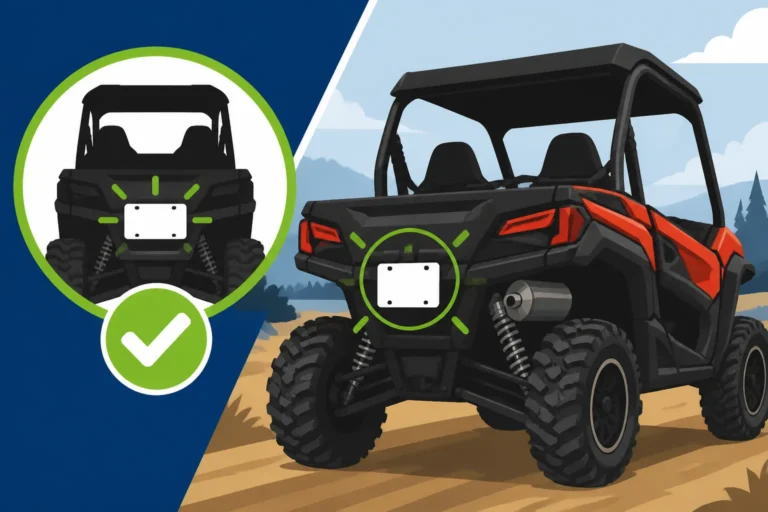
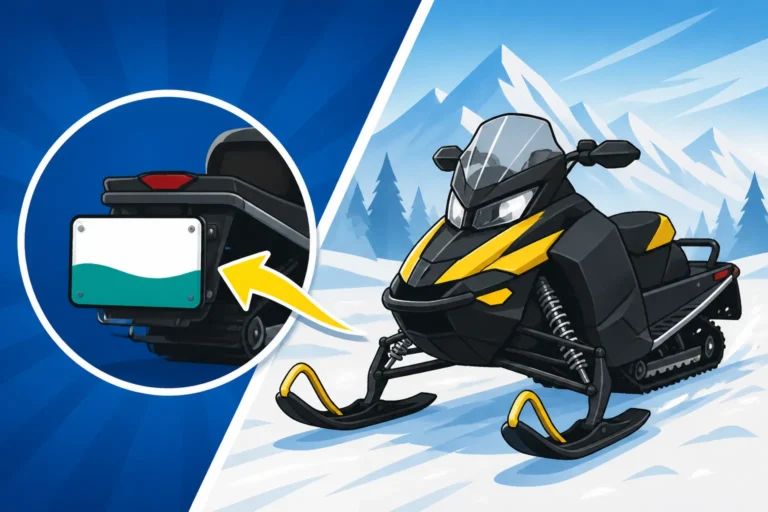
Inquire about parts availability. Does the dealer stock common wear items, or will parts need to be ordered? How long does it typically take for parts to arrive? This is especially important for more obscure makes or models. While many parts can be sourced from aftermarket suppliers, using genuine OEM (Original Equipment Manufacturer) parts often provides better fitment and reliability, and sometimes a dealer can get them faster. Establishing a good relationship with the service department is key; they can be a great resource for troubleshooting, maintenance tips, and ensuring your machine stays in top condition. They also often have the expertise to help with things like [Manitoba Plate Mounting by Machine Type] or other specific setup questions.
Financing, Trade-ins, and Special Circumstances
The financial aspects of buying an ORV extend beyond the sticker price and taxes. For many, financing is a necessary step, and if you have an older machine, a trade-in might be part of the equation. Understanding these financial levers and how they impact your overall purchase is crucial, as is knowing how to handle less common purchasing scenarios.
Exploring Financing Options
If you plan to finance your new ATV or UTV, the dealership will likely offer in-house financing options or connections to preferred lenders. Ask them to clearly explain all available financing plans. What are the interest rates, loan terms (e.g., 24, 36, 48 months), and payment schedules? Be sure to understand if the interest rate is fixed or variable, and if there are any penalties for early repayment. It's always a good idea to come to the dealership with an idea of your credit score, as this will heavily influence the rates you're offered.
While dealer financing can be convenient, it’s also smart to explore options from your own bank or credit union before you visit. This way, you have a benchmark to compare against the dealer's offers. Don't be shy about asking if they have any special financing promotions or manufacturer incentives that could lower your overall cost. Understanding [Manitoba Registration and Lien Records] is also important if you're financing. A lien will be registered against your machine until the loan is fully paid off, which means you cannot legally sell it without the lender's consent. Resources like LawDepot can be helpful if you need to understand the nuances of loan agreements or if you're considering a private loan for your purchase.
Trading in Your Old Machine or Special Purchases
If you have an existing ORV that you wish to trade in, ask the dealer how they assess trade-in values. What factors do they consider (condition, mileage/hours, modifications, market demand)? Will the trade-in value be applied before or after taxes? In Manitoba, trading in a machine of the "same general kind" (like an ATV for an ATV, or even a snowmobile for an ATV) can reduce the amount of RST you pay on your new purchase, which is a significant saving. This falls under [Manitoba Trade-In Rules of the Same General Kind]. Ensure you get a clear written offer for your trade.
For those considering unique situations, like buying a machine that has no previous paperwork, or an auction buy, these are important questions to pose to your dealer. While new machines always come with proper documentation, sometimes a dealer might take an older, less documented trade-in. Ask how they handle machines that might fall under [Manitoba Machines With No Paperwork] if you're looking at a used option on their lot, or if you plan to deal with such a machine in the future. A knowledgeable dealer can often guide you through the process of getting such a machine registered, although it can be more complex. Transparency here is key to avoiding future registration headaches.
Disclaimer
This article is for general informational purposes only and does not constitute professional advice. Laws, prices and regulations vary by location and change over time. Consult a qualified professional for guidance on your specific situation.