Manitoba Paperwork for a Bush Machine
Trying to get your "bush machine" legal in Manitoba can feel like trying to nail jello to a tree. These machines, often older ATVs or UTVs used for work or recreation far off the beaten path, frequently come with a history that doesn't involve pristine paperwork or clear-cut ownership trails. This guide is here to walk you through the unique challenges of registering such a machine with Manitoba Public Insurance (MPI), offering practical solutions and demystifying the process, even when your paperwork isn't perfect.
Understanding the Manitoba Registration Requirement for Bush Machines
It's a common misconception that if your ATV or UTV is primarily used on private land, for hunting, fishing, or just puttering around your remote cabin, it doesn't need to be registered. Many long-time Manitoba residents who own these machines, affectionately termed "bush machines," operate under this assumption, often due to how they acquired the vehicle decades ago or how it's been used generationally within a family. However, the reality is a bit more nuanced, and failing to understand it can lead to some unexpected headaches if you ever find yourself interacting with enforcement or needing to transport your machine.
Why Even a Bush Machine Needs Registration
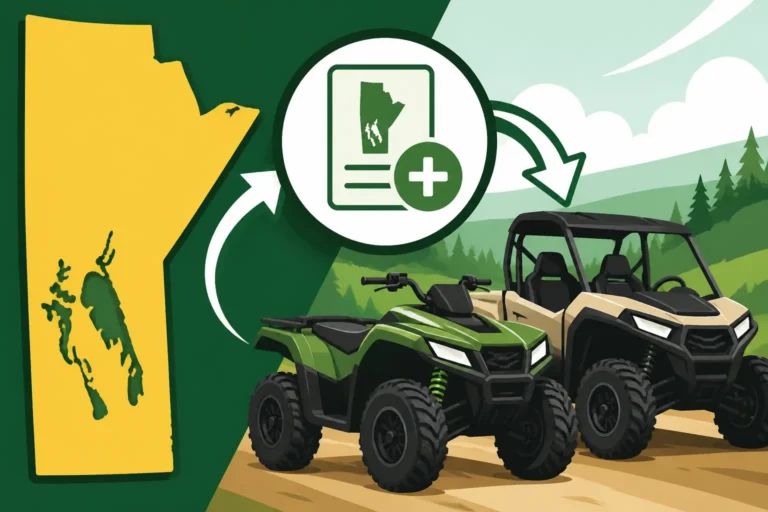
Let's clear this up right from the start: almost every off-road vehicle (ORV) in Manitoba, regardless of its age or how "off-grid" its usual stomping grounds are, needs to be registered if you plan to operate it anywhere off your own private property. That means if you're riding it down a public ditch, crossing a road, heading to a nearby Crown land trail, or even just trailering it down the highway, it needs to be properly registered with MPI. It’s not just about formal trails; [Manitoba Requires Registration in Any Location] where the public has access, or where it interacts with public roadways.
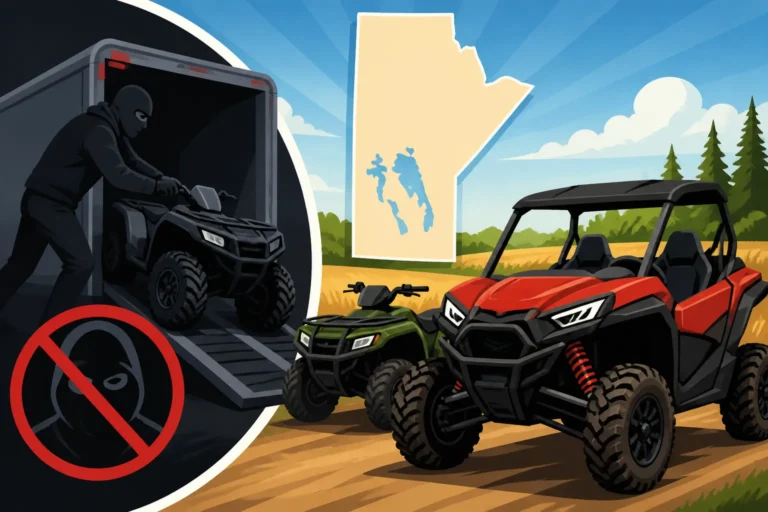
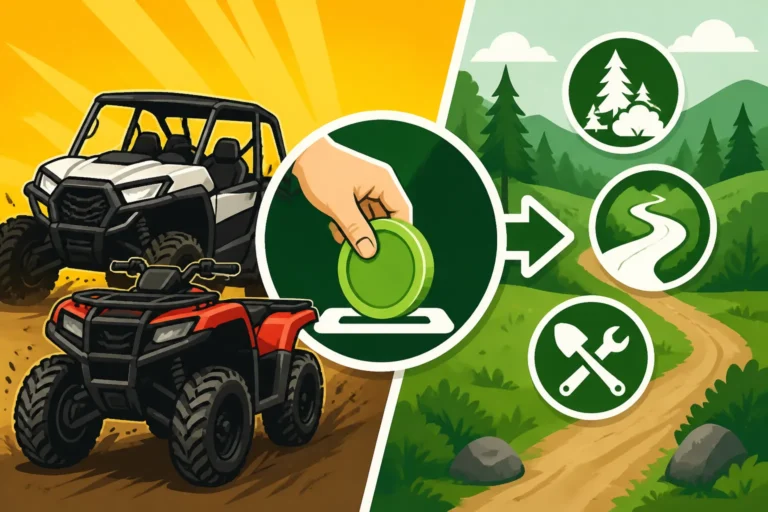
The registration isn't just a bureaucratic hurdle; it serves several vital purposes. First, it ensures that your machine is properly identified, which is crucial in case of theft or an accident. Second, and often overlooked, your MPI registration includes basic third-party liability insurance. This is a critical safety net, providing some protection if you accidentally cause damage to someone else's property or injure another person while operating your ORV. Without it, you could be facing significant personal financial risk. Finally, a portion of your registration fee, specifically [The $25 Trails Fee Added to Every Registration], goes towards maintaining and developing the very trails many riders enjoy. So, even your bush machine contributes to the wider riding community.
Common Paperwork Challenges with Older Machines
The path to registering a bush machine often isn't a straight one, largely because these vehicles tend to change hands informally over the years. You might have inherited it from a grandparent, bought it from a neighbour with a handshake and a few crumpled bills, or perhaps it's been a family staple for so long that the original purchase documents are long gone. This is where the challenges truly begin, and it's a frustration many riders face.
One of the biggest hurdles is the lack of a formal bill of sale. When you purchase a newer machine from a dealership, you receive a meticulously detailed sales agreement and a clear transfer of ownership. For a bush machine, however, you might have nothing more than a handwritten note, a canceled cheque, or even just verbal confirmation. MPI requires proof of ownership to transfer a machine into your name, and without a solid paper trail, this can become a complex puzzle.
Adding to the complexity, many older machines might be missing their previous registration cards, or the Vehicle Identification Number (VIN) might be faded, rusted, or simply non-existent. The VIN is essentially your machine's fingerprint, and MPI relies on it for tracking and verification. If it's unreadable or missing entirely, the registration process suddenly becomes much more involved, requiring special attention and potentially additional steps before you can get that coveted plate.
Navigating the Registration Process Without Standard Documentation
When you're dealing with a bush machine, the typical registration checklist often feels like a fantasy. You might not have the pristine bill of sale, the clear VIN, or even contact with the previous owner. But don't despair! While it requires a bit more effort and patience, there are pathways to getting your machine properly registered and legal for the trails and ditches of Manitoba. It's all about understanding what MPI needs and how you can provide it, even if it's through alternative means.
What to Do if You Don't Have a Bill of Sale
This is perhaps the most common roadblock for owners of bush machines. You’ve got a perfectly good ATV, it runs great, but when you go to register it, MPI asks for a bill of sale, and all you have is a shrug and a story. The good news is that MPI recognizes that not all transactions happen in a formal setting, especially with older, privately sold machines. They are looking for reasonable proof that you are the rightful owner.
If you don’t have a formal bill of sale, your first step should be to try and create one. If you can still contact the person you bought the machine from, even if it was years ago, ask them to sign a simple bill of sale. It doesn't need to be fancy; just include the seller's and buyer's names and addresses, the machine's make, model, year, and VIN (if available), the sale date, and the purchase price. Both parties should sign and date it. Resources like LawDepot can provide excellent templates for a standard bill of sale, which can give it a professional touch and ensure all necessary information is included. If you’ve misplaced your original bill of sale but know you had one, sometimes an agent can look up the machine's history if it was previously registered. However, if the seller is unreachable or deceased, the situation becomes a bit trickier, but not impossible. In such cases, a sworn declaration of ownership (an affidavit) may be required. This is a legal document where you solemnly declare that you are the rightful owner, outlining how you acquired the machine and any known history. You would typically need to sign this in front of a Commissioner for Oaths or a Notary Public. MPI agents can provide guidance on what information they need in such a declaration. This is also where a template from a service like LawDepot could be invaluable, ensuring your declaration meets the legal requirements for proof of ownership.
Addressing Missing or Unreadable VINs
The Vehicle Identification Number (VIN) is paramount for any vehicle registration. It's a unique 17-character code (on newer machines) that identifies the manufacturer, model, year, and serial number. For older bush machines, however, VINs might be shorter, or worse, completely obliterated by rust, damage, or simply years of hard work in the elements. This is a significant issue because MPI uses the VIN to conduct necessary checks, including verifying that the machine isn't stolen. [A Stolen Machine Check in Manitoba] is a standard procedure during registration, and a missing or unreadable VIN complicates this immensely.
Your first course of action should be a meticulous search for the VIN. It’s often stamped in multiple places: on the frame (usually near the steering head on an ATV or along the main frame rail on a UTV), on the engine block, or sometimes on a permanent plate or sticker. Grab a wire brush, some penetrating oil, and a flashlight. Take your time, as rust can sometimes obscure it. If you find any partial numbers, write them down. If, after all your efforts, the VIN is still unreadable or completely missing, you'll need to inform your Autopac agent. They will likely direct you to have the machine inspected. This inspection, often done by a police officer or a designated inspection station, is to verify the machine's identity and ensure it's not tampered with. In some cases, MPI might issue a new VIN or a special identification number for the machine, which then becomes its permanent identifier. It adds an extra step and a bit more time to the process, but it's essential for legal operation.
Practical Steps for Registering Your Bush Machine
You've explored the challenges, understood the requirements, and now it's time to roll up your sleeves and get your bush machine officially registered. While the process might feel daunting due to the unique circumstances of an older, less documented vehicle, breaking it down into manageable steps makes it much less intimidating. Your local Autopac agent will be your best friend through this journey, but arriving prepared will smooth the path considerably.
Gathering What You Have and What You Need
Before you even think about heading to an Autopac agent, take stock of everything you possess related to your bush machine. This includes any scrap of paper that might resemble proof of purchase, even if it’s just a handwritten receipt from a casual sale decades ago. Lay it all out and make a list.
Here's what you should aim to gather, keeping in mind that the "bush machine" scenario might mean some items are harder to come by:
- Valid Identification: Your driver's license or another form of government-issued photo ID is essential. This proves who you are.
- Any Proof of Purchase: This is the big one. If you have a formal bill of sale, perfect. If not, gather any old receipts, cancelled cheques, or even a detailed handwritten note from the seller. As mentioned, a template from LawDepot for a bill of sale, filled out retrospectively by the seller if possible, can be a huge asset here.
- Proof of Previous Registration (if available): An old registration card, even if expired or in a previous owner's name, can help establish a paper trail.
- A Detailed Affidavit of Ownership: If a formal bill of sale is simply impossible to obtain (e.g., the seller is no longer alive or cannot be located), you will need to prepare a sworn statement. This affidavit must clearly state how and when you acquired the machine, describe the machine (make, model, year, VIN if known), and affirm that you are the rightful owner. Again, a reputable legal document service like LawDepot offers templates for affidavits that can be customized to your situation, ensuring it's legally sound when you present it to a Commissioner for Oaths or a Notary Public.
- Information for Deceased Owners: If you inherited the machine, bring along the death certificate and any documents proving your right to act on behalf of the estate, such as letters testamentary or letters of administration. This falls under the rules for [A Machine Left in a Manitoba Estate].
- The Machine's VIN: Locate and photograph the VIN, even if it's faint. Write it down clearly. If it's truly unreadable, make a note of that.
- Proof of Address: A utility bill or other official document showing your current Manitoba address.
Organizing these documents beforehand will not only save you time but also show the Autopac agent you're serious and have done your homework, even with challenging circumstances.
The Visit to Your Autopac Agent
With all your documents (or explanations for missing ones) in hand, your next stop is your local Autopac agent. These agents are trained to handle a wide variety of situations, including the sometimes-complicated registration of older or less-documented vehicles. Don't be shy about explaining your situation upfront; they've likely seen it all. [Manitoba Autopac Agents and ORV Registration] are equipped to guide you through this.
When you present your paperwork, be prepared to answer questions about how you acquired the machine, its history, and why certain documents might be missing. If you have to rely on an affidavit of ownership, the agent will carefully review it. They might also initiate a VIN verification process if your VIN is difficult to read or missing. This could involve directing you to a specific location for an inspection or consulting with MPI directly. Patience is key here, as these extra steps can add time to the process. The agent will calculate any applicable taxes, such as the provincial sales tax (RST), which is generally collected at the time of registration. Remember, [Manitoba RST Collected at Registration] applies even to privately sold machines, unless a specific exemption applies. Don't hesitate to ask your agent any questions that come to mind. They are there to help, and clarifying things early can prevent issues later on. [Questions Worth Asking an Autopac Agent] could include specifics about VIN verification, what exactly is covered by the basic liability insurance, or how to handle future transfers of ownership for machines with unusual histories.
Post-Registration Responsibilities
Congratulations! You've navigated the tricky waters of registering your bush machine. But getting the plate is just the beginning. There are a few ongoing responsibilities you'll need to keep in mind to ensure you remain compliant with Manitoba's ORV regulations and keep your riding adventures worry-free.
First and foremost, you must always carry your registration card with you whenever you are operating your ORV, even on private land if there’s a chance you might cross public property or simply be inspected. This card is proof that your machine is legally registered and insured. It's often helpful to keep it in a waterproof bag or container, especially if your bush machine truly lives up to its name and sees a lot of mud and water. [Manitoba Registration Cards Carried at All Times] is not just a suggestion, it's a legal requirement.
Next, you'll need to properly mount your license plate. MPI issues one plate per machine, and it must be clearly visible. For ATVs, it's typically mounted on the rear, while side-by-sides usually have a designated spot. Snowmobiles have different rules for plate placement. Make sure it's securely attached, not obstructed by mud or accessories, and easily legible. [Manitoba Plate Mounting by Machine Type] covers the specifics, and it's always good practice for [Mounting Your Plate Where It Can Be Seen]. An obscured plate can lead to unnecessary interactions with law enforcement.
Finally, remember that your ORV registration, just like your vehicle insurance, isn't a one-time deal. It needs to be renewed annually, typically aligning with your Autopac policy renewal cycle. MPI will usually send you a renewal notice, but it's ultimately your responsibility to ensure it's kept current. Failing to renew means your machine is no longer legally registered or insured, which can lead to fines and financial exposure if you're involved in an accident. Staying on top of your [Manitoba ATV Registration Renewal] ensures your bush machine remains ready for all your adventures, year after year.
Here's a quick comparison of typical registration versus the bush machine scenario:
| Feature | Standard Registration Process | Bush Machine Registration Challenges | Solutions for Bush Machines |
|---|---|---|---|
| Proof of Ownership | Formal dealer bill of sale or clear private sale document | Handshake deal, old receipts, no contact with previous owner | Retrospective bill of sale, sworn affidavit, estate documents. Use LawDepot for templates. |
| VIN | Clearly visible and legible VIN | Faded, rusted, or missing VIN | Thorough search, photographs, MPI inspection, special ID number. |
| Previous Registration | Available, clear chain of ownership | Missing previous registration cards, unknown history | Affidavit of ownership, reliance on current owner's declaration. |
| MPI Interaction | Straightforward, quick processing | Requires more discussion, potential extra steps and patience | Open communication with Autopac agent, be prepared with explanations. |
| Timeframe | Often completed in one visit | Can take longer due to inspections or document verification | Plan for multiple visits or follow-ups; patience is key. |
Disclaimer
This article is for general informational purposes only and does not constitute professional advice. Laws, prices and regulations vary by location and change over time. Consult a qualified professional for guidance on your specific situation.