A Machine Left in a Manitoba Estate
Losing someone you care about is incredibly difficult, and the last thing you want to be dealing with in the midst of grief is paperwork and figuring out what to do with their belongings, especially something like an ATV or UTV. It can feel overwhelming trying to navigate legal processes, understand estate rules, and ensure you're handling the machine correctly, all while still processing your loss. This guide is here to walk you through the steps involved when an off-road vehicle is part of a Manitoba estate, helping you understand the process of transferring ownership, dealing with registration, and making sure everything is handled properly and with as little stress as possible.
Understanding the Immediate Situation After an Owner Passes
When an ATV or UTV owner in Manitoba passes away, one of the first questions that often comes up, once the initial shock and grief begin to settle, is "What happens to their quad or side-by-side?" It's not always as simple as someone just taking it over, especially if there wasn't a clear will or explicit instructions left behind. The machine immediately becomes part of the deceased's estate, which is essentially everything they owned at the time of their death. This means that until the estate is formally settled, no one technically "owns" the machine in a way that allows them to sell it, register it in their own name, or even legally use it on trails or roadways.
Securing the Machine and Its Documents
Your very first priority, once you're able to think about practicalities, should be to secure the ATV or UTV. This means ensuring it's stored safely, ideally in a locked garage or shed, to prevent theft or damage. Theft is a real concern, and a machine sitting unattended can be an easy target. Beyond the physical machine, it's crucial to locate all related documents. This includes the original registration certificate, any past bills of sale, maintenance records, and, if applicable, financing paperwork. These documents are vital for proving ownership to the estate, understanding any outstanding liens, and eventually facilitating the transfer of ownership. Without the proper paperwork, especially the registration certificate, proving the machine belonged to the deceased and then transferring it to a new owner can become a much longer and more complicated headache. You might find that the original [Manitoba ORV Registration Through MPI] document is tucked away with other important papers.
Identifying the Executor or Administrator
Every estate needs someone to oversee it, known as the executor (if there's a will) or administrator (if there's no will). This person is legally responsible for gathering all the deceased's assets, paying off any debts, and distributing the remaining assets according to the will or, if there's no will, according to Manitoba's intestacy laws. It's this individual who will ultimately have the authority to deal with the ATV or UTV. If you're the executor, you'll need to understand your responsibilities, which include managing the machine until its final disposition. If there's no will, the court will appoint an administrator, often a close family member, to take on this role. This is a critical step because without an officially appointed person, the legal steps to transfer or sell the machine cannot move forward.
Navigating the Legal Landscape: Wills, Probate, and Administration
The legal process for dealing with an estate can feel like a labyrinth, but understanding the basics of wills, probate, and administration will help you know what to expect when it comes to the ATV or UTV. Manitoba's rules ensure that assets are distributed fairly and legally, but it requires patience and attention to detail.
The Role of a Will in Asset Distribution
If the deceased left a valid will, it should clearly state who inherits their assets, including specific items like an ATV or UTV. The will designates an executor who is responsible for carrying out these wishes. A well-written will makes the process much smoother because the deceased's intentions are clear. For example, the will might state, "I bequeath my Polaris RZR to my nephew, Mark." In such a case, the executor would follow that directive. However, even with a will, the machine still needs to pass through the estate process before it can be legally transferred. It's not an immediate handover. If you're creating a will or thinking about it, using resources like LawDepot can help you draft clear instructions for specific assets, ensuring your loved ones aren't left guessing.
Understanding Probate and Letters of Administration
Probate is the legal process that officially confirms the validity of a will and grants the executor the authority to act on behalf of the estate. If there's no will, the process is called "administration," and the court appoints an administrator through a "Letter of Administration." For an ATV or UTV, especially one of significant value, probate or administration is usually required to legally transfer ownership. Without it, the vehicle's registration can't be updated, and it can't be legally sold by the estate. This is because Manitoba Public Insurance (MPI), which handles vehicle registrations, needs official proof that the person trying to transfer ownership has the legal right to do so. The court order ensures all parties are protected and the transfer is legitimate. [Manitoba Transfer of Ownership Rules] are strictly applied here, and having the right court documents is paramount.
Dealing with Outstanding Debts and Liens
Before any assets, including an ATV or UTV, can be distributed to beneficiaries, the estate must pay off all outstanding debts. This is a fundamental principle of estate law. If there was a loan or a lien on the ATV or UTV, for example, if it was financed, that debt must be satisfied first. The executor is responsible for identifying all creditors and ensuring debts are paid from the estate's assets. Only after all debts are cleared can the remaining assets be distributed. If the machine is sold to pay off debts, the proceeds go to the estate, not directly to beneficiaries. It's a somber but necessary part of the process, ensuring the deceased's financial obligations are met. Sometimes, finding records of financing can be tricky, but it's essential for a clean transfer. You might need to look for documents related to [Manitoba Registration and Lien Records].
Transferring Ownership of the ATV or UTV from the Estate
Once the legal authority (through probate or letters of administration) is established, the executor or administrator can proceed with transferring ownership of the ATV or UTV. This can involve transferring it to a beneficiary named in the will, or selling it if the will directs a sale or if the sale is necessary to settle the estate's debts.
Transferring to a Beneficiary
If the will specifies a beneficiary for the ATV or UTV, the executor will work to transfer the machine into that person's name. This typically involves several steps:
- MPI's Transfer of Ownership Form: The executor will need to complete a Transfer of Ownership form provided by MPI. This form essentially serves as the official record of the change in ownership.
- Required Documentation: Alongside the form, the executor will need to provide the probate order or letters of administration, the deceased's original registration certificate, and identification for the executor. The new owner (beneficiary) will also need to provide their identification.
- MPI Visit: The executor and the beneficiary will typically need to visit an Autopac agent together to complete the transfer. This ensures all documents are verified and the new registration is issued correctly. It's a bit like selling a machine, but instead of money changing hands, the authority comes from the will and court order.
Selling the Machine from the Estate
There are several reasons an estate might sell an ATV or UTV:
- The will might direct the sale of all assets, with the proceeds distributed among beneficiaries.
- There might not be a specific beneficiary for the machine, and selling it provides funds for the estate.
- The sale might be necessary to cover outstanding debts, funeral expenses, or other estate costs.
If the machine is being sold, the executor acts on behalf of the estate. The process mirrors a typical private sale, but with the executor signing the documents as the "seller." The executor will need to provide the buyer with the necessary paperwork, including the transfer of ownership form, and proof of their authority to sell (probate/letters of administration). The buyer will then register the machine in their name, paying any applicable taxes, like [Manitoba RST Collected at Registration]. Using a simple bill of sale from a reputable source like LawDepot can help formalize the transaction between the estate and the buyer, even if the estate itself isn't a "person."
Here's a breakdown of documents often needed:
| Document | Purpose | Where to Get It / Who Provides It |
|---|---|---|
| Will (if applicable) | States deceased's wishes, names executor/beneficiaries. | Deceased's personal papers, lawyer. |
| Probate Order | Court order confirming will's validity and executor's authority. | Manitoba Courts (Probate Registry). |
| Letters of Administration | Court order appointing an administrator when no will. | Manitoba Courts (Probate Registry). |
| Original Registration Card | Proof of deceased's ownership of the ORV. | Deceased's personal papers. |
| Transfer of Ownership Form | MPI form to officially change vehicle ownership. | MPI Autopac agent or MPI website. |
| Executor/Administrator ID | Photo ID to confirm identity and authority. | Executor/Administrator. |
| Beneficiary/Buyer ID | Photo ID for the new owner. | Beneficiary/Buyer. |
| Bill of Sale (if selling) | Records the sale transaction from the estate to a buyer. | Generated by executor/buyer (can use templates from LawDepot). |
| Lien Release (if applicable) | Confirms any financing on the machine has been paid off. | Lender/financial institution. |
Remember, the executor is acting as the legal representative, not as the owner themselves. This distinction is crucial for all official paperwork. [Selling a Registered Machine in Manitoba] from an estate requires diligent record-keeping.
What Happens Next: Registration, Sale, and Avoiding Pitfalls
Once the ownership transfer is complete, either to a beneficiary or a buyer, the new owner then takes full responsibility for the ATV or UTV. But there are still a few important things to keep in mind, especially regarding registration and potential issues that can arise.
New Registration and Insurance for the Machine
The beneficiary or buyer must register the ATV or UTV in their own name with MPI. This involves paying the registration fees, including the provincial trails fee, and ensuring the machine has the mandatory basic third-party liability insurance. [Manitoba ORV Registration Cost] will apply to the new owner. Even if the machine was fully registered and insured under the deceased's name, that registration and insurance coverage ends when ownership transfers. It's a fresh start for the new owner. They will receive a new registration card and a new plate (if a new one is issued, or they might re-use the old one if MPI allows it and the number remains). It's vital not to ride the machine before it is properly registered and insured in the new owner's name.
Potential Pitfalls and How to Avoid Them
Dealing with an estate can have its challenges, and a few common issues can complicate the process for an ATV or UTV:
- No Will (Intestacy): If there's no will, the court must appoint an administrator, which adds time and expense to the process. Manitoba's laws of intestacy will dictate who inherits, which might not align with what the deceased would have wanted.
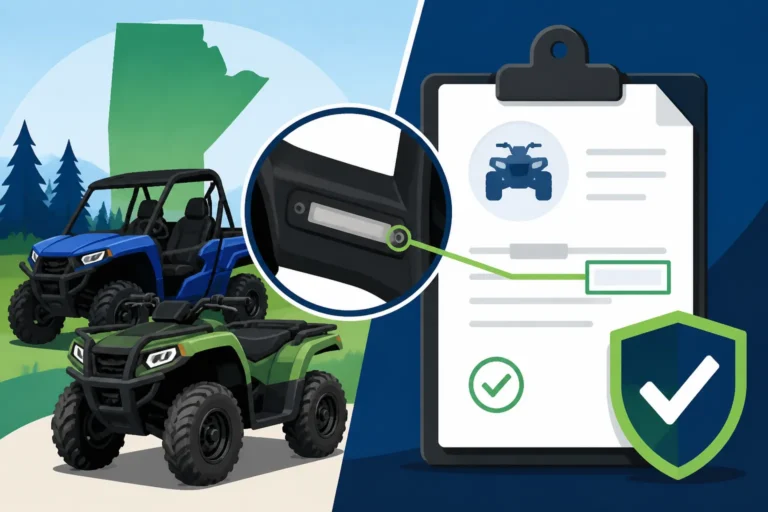
- Missing or Damaged Paperwork: If the original registration card is lost or the VIN on the machine is unreadable, it can create significant hurdles. You'll need to work closely with MPI to prove ownership and get a replacement. [Manitoba Registration When the VIN Is Gone] can be a particularly tricky situation.
- Disputes Among Beneficiaries: Sometimes, family members might disagree on who should get the ATV or UTV, or if it should be sold. These disputes can hold up the entire estate settlement process, sometimes for years, and may require legal intervention. Clear communication and adherence to the executor's legal duties are crucial.
- Unpaid Liens: Discovering a hidden loan or lien on the machine late in the process can be a nasty surprise, as it must be paid off before clear title can be passed. Diligent research early on is key.
- Riding Before Transfer: As tempting as it might be for a beneficiary to just hop on the machine, riding it before the ownership is officially transferred and it's re-registered and insured in their name can lead to serious legal consequences, including fines and liability issues in case of an accident. Always complete the paperwork first.
Navigating the estate process, particularly when it involves specific assets like an ATV or UTV, requires patience and a good understanding of legal requirements. While it can feel like a lot of hoops to jump through, each step is designed to ensure a fair and legal transition of ownership. When in doubt, always consult with an estate lawyer or an Autopac agent. They are the best resources for specific advice tailored to your situation. [Manitoba Registration Questions Riders Ask] often involve these kinds of complex scenarios.
Disclaimer
This article is for general informational purposes only and does not constitute professional advice. Laws, prices and regulations vary by location and change over time. Consult a qualified professional for guidance on your specific situation.