How Helmet Rules Change Inside a Remote Community
It’s a common scenario across Manitoba: you live in a remote community, far from paved highways and bustling traffic, and you rely on your ATV or UTV for daily tasks, errands, or simply getting around. You see neighbours cruising by, sometimes without a helmet, and it makes you wonder: do the same strict helmet laws apply here as they do in, say, Winnipeg or Brandon? This guide will dive deep into how Manitoba's ORV helmet rules are specifically applied within remote communities, helping you understand when and where the regulations might differ for you.
The Standard Manitoba ORV Helmet Law and Its Broad Reach
Let's start by clarifying the general rule, because it's the foundation for understanding any exemptions. For the vast majority of Manitoban riders, operating an off-road vehicle (ORV) like an ATV, UTV, or snowmobile requires wearing an approved helmet. This isn't just a suggestion; it's a legal requirement aimed at protecting riders from serious head injuries, which, let's be honest, can happen even during low-speed incidents.
What the Law Says for Most Riders (Mandatory Helmet Use)
The Off-Road Vehicles Act in Manitoba is quite clear: if you're operating an ORV, you must wear a helmet that meets specific safety standards. This rule applies whether you're tearing up a designated trail, riding through a field, or even just crossing a ditch. The intention is to create a consistent safety standard for all riders, regardless of their skill level or the perceived risk of their activity. It’s about minimizing the potential for severe injury, and head injuries are, unfortunately, all too common in ORV accidents. You might feel like you're just puttering along, but a sudden bump, a hidden rut, or an unexpected obstacle can quickly turn a casual ride into a trip to the emergency room. That helmet is your first and best line of defence. For a broader look at the general rules, you can check out [Manitoba Helmet Law and Its Exemptions].
Accepted Helmet Standards (Safety First, Always)
Not just any helmet will do, either. The law specifies that helmets must meet recognized safety standards. These usually include certifications like Snell, DOT (Department of Transportation), or ECE (Economic Commission for Europe). These certifications mean the helmet has undergone rigorous testing to ensure it can absorb impact effectively and provide adequate protection. It's not just about having something on your head; it's about having the right thing on your head. A cheap construction hard hat or a bicycle helmet won't cut it. Always look for the certification sticker on your helmet to ensure it meets the legal requirements and, more importantly, will actually protect you when you need it most. When considering safety gear for your machine, whether it's a new UTV or an older ATV, remember that quality accessories, even non-helmet ones like a sturdy roof or windshield from a company like SuperATV, contribute to overall ride safety and comfort.
Defining a "Remote Community" in the Eyes of Manitoba ORV Regulations
Now, here's where things get interesting and specific to our topic. Manitoba's ORV Act acknowledges that not all communities are the same, especially when it comes to infrastructure and how people rely on off-road vehicles. This recognition is key to understanding the helmet exemptions. The definition of a "remote community" isn't just a general feeling of being far from the city; it's a specific legal definition based on access.
The "No All-Weather Road" Criterion (Key to the Exemption)
For the purpose of ORV regulations, a "remote community" in Manitoba is typically defined by a very specific criterion: it's a community that is not accessible year-round by an all-weather road. This means if the only way to reliably reach your community at certain times of the year is by air, ice road, or perhaps even by ORV itself, then it likely falls under this definition. This isn't about how isolated you feel, but rather how connected you are to the provincial road network. Many Northern communities fit this description, where off-road machines are often the primary mode of transportation for everything from groceries to visiting neighbours, especially when the main roads are impassable due to weather conditions. This distinction is vital, as it underpins many of the unique rules that apply to ORV use in these areas. You can learn more about this specific classification in [Riding in a Community No All-Weather Road Reaches].
Why This Definition Is Crucial for Local Riders
This specific definition isn't just bureaucratic jargon; it reflects the reality of life in these communities. When your ORV isn't just a recreational toy but a fundamental tool for transportation and daily living, blanket rules designed for recreational riders in more urbanized areas might not always make practical sense. Imagine needing to quickly run down the block for something or check on an elder, and having to suit up in full gear every single time. The government recognizes that in these truly remote settings, the role of an ORV changes, and with it, the feasibility of certain regulations. This exemption is a pragmatic acknowledgement of the unique challenges and lifestyles in Manitoba's isolated communities, allowing for a degree of flexibility where it's most needed.
Specific Helmet Exemptions Within Remote Communities
So, if you live in one of these designated remote communities, what exactly are the helmet rules? It’s important to understand that it's not a blanket free pass to ditch your helmet entirely, but rather a specific exemption under certain conditions.
Who Is Exempt and Under What Conditions (Riding Without a Helmet)
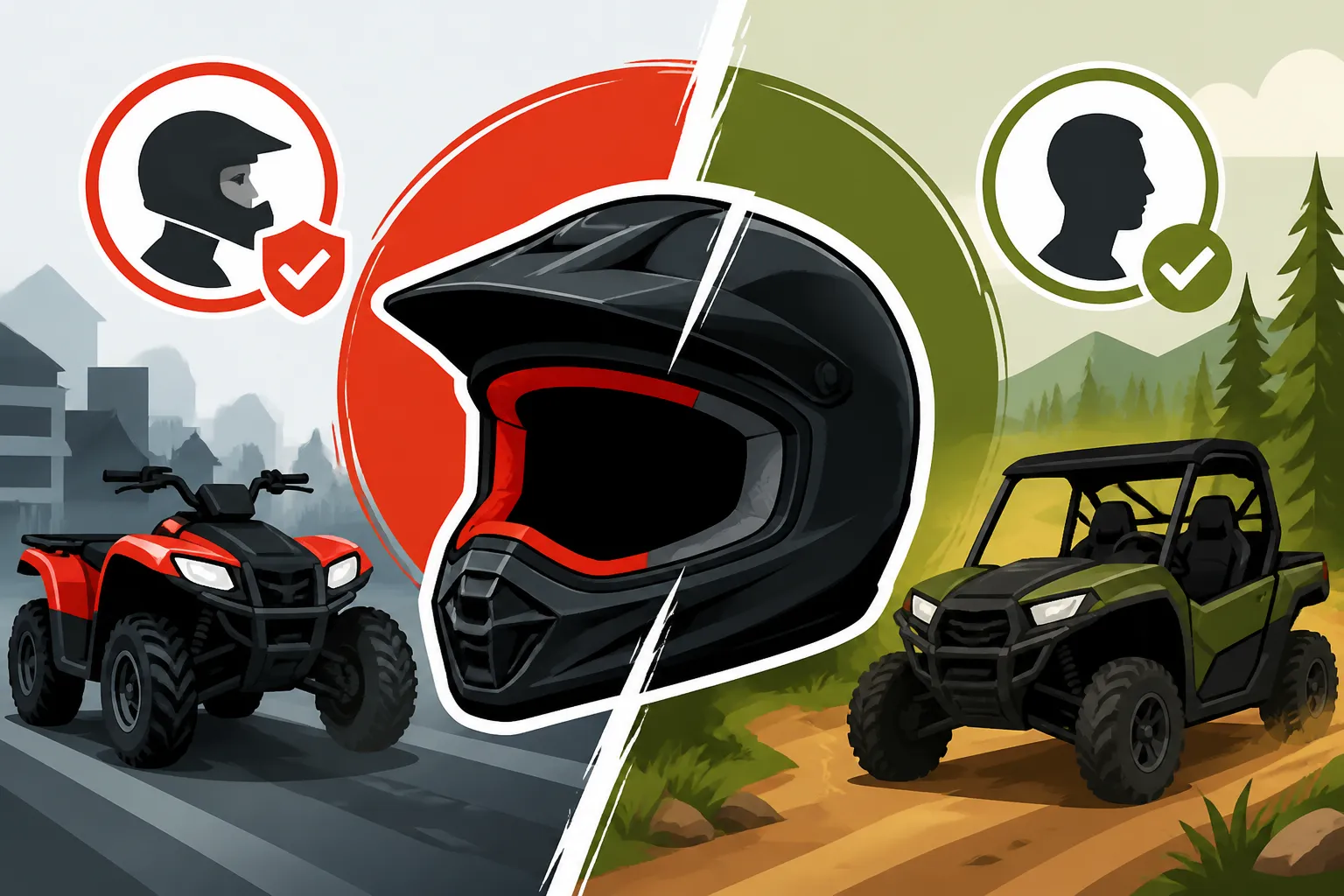
Within a remote community, an ORV operator may be exempt from the helmet requirement while operating an ORV for the purpose of transportation within that community. This is a crucial distinction. It means if you're riding your ATV or UTV from your home to a local store, to a neighbour's house, or to a community event within the boundaries of that remote community, you may not be required to wear a helmet. However, if you're leaving the community on a trail, heading into the bush for hunting or recreation, or travelling on a maintained road that connects to the provincial highway system, the standard helmet law typically applies. The intent is to provide relief for day-to-day transportation within the community, where speeds are generally lower and the nature of the travel is more akin to local street use. Even with this exemption, many still choose to wear helmets for their own safety, or at least a robust windshield and roof combo that many UTVs from brands like SuperATV can easily accommodate.
Balancing Freedom with Continued Responsibility (Still Not a Free-for-All)
It's absolutely essential to understand that this exemption is not an invitation to be reckless or to ignore safety entirely. While you might not be legally required to wear a helmet for local transportation within your remote community, you are still fully responsible for your safety and the safety of others. The physics of an accident don't change just because you're in a remote area. A fall or collision can still cause serious injury, even at low speeds. Many riders, even with the exemption, opt for increased vigilance, lower speeds, and other protective gear. Consider using your UTV's seat belts, ensuring passengers are seated properly, and maintaining your machine to prevent breakdowns. It’s about exercising good judgment and recognizing that personal responsibility remains paramount, regardless of specific regulations.
Here's a quick comparison of helmet rules:
| Condition | Standard Manitoba ORV Rules | Remote Community ORV Rules (for local transport) |
|---|---|---|
| Helmet Required? | Yes, always | Generally no, for local transport within community |
| Accepted Standards | Snell, DOT, ECE certified | N/A (if exemption applies) |
| Applies to | All ORV operations | Only local transportation within the community |
| Applies when leaving community? | Yes | Yes |
| Focus | Universal safety | Practicality for daily life |
Other Rules That Still Apply (Even with Helmet Exemptions)
Just because the helmet rule might be relaxed in a remote community doesn't mean all other ORV laws vanish into thin air. There are many other critical regulations you must still adhere to, ensuring safe and legal operation of your machine. Thinking about it, many of the protective elements you might consider from a brand like SuperATV, such as brush guards or enhanced lighting, still contribute to safety, regardless of helmet requirements.
Registration, Age, and Safe Operation (No Exemptions Here)
One of the most common misconceptions is that if you're in a remote area, you don't need to register your machine or follow age restrictions. This is absolutely incorrect. Your ORV still needs to be properly registered with Manitoba Public Insurance (MPI). This includes ensuring you have your [Manitoba Registration Cards Carried at All Times] when you're riding. Similarly, the age restrictions for operating ORVs remain in full effect. A young rider must still meet the [Manitoba Age Tiers for Young Riders] and, if applicable, have appropriate supervision or a valid license. You can't put a 10-year-old on a full-sized ATV and let them roam freely, even if you’re in a remote community. Operating your ORV safely, adhering to speed limits (even if informal ones exist), and avoiding impaired operation are also non-negotiable. These fundamental safety and legal requirements are universal across Manitoba.
Understanding Local By-Laws and Safety Gear (Beyond Just the Helmet)
Even within remote communities, local governments or community councils may have their own by-laws regarding ORV use. These can dictate where you can ride, noise restrictions, or even specific times of day for operation. It’s always a good idea to check with your local community leadership to understand any additional rules specific to your area. What the provincial law says might be one thing, but local rules can add another layer of regulation. Furthermore, while the helmet might be optional for local transport, other safety gear is always a good idea. Eye protection, sturdy boots, gloves, and appropriate clothing for the weather are crucial. Many riders in remote areas also find that robust aftermarket accessories, such as a full enclosure or heavy-duty skid plates from a company like SuperATV, provide valuable protection from the elements and rough terrain, making rides more comfortable and safer, regardless of helmet use. Remember, the goal is always to get home safely after every ride, and a well-equipped machine along with responsible riding habits is the best way to ensure that. Whether you're riding on private land or [Manitoba Crown Land Riding Explained], understanding all layers of regulation is key.
Disclaimer
This article is for general informational purposes only and does not constitute professional advice. Laws, prices and regulations vary by location and change over time. Consult a qualified professional for guidance on your specific situation.