Where a Manitoba Ditch Is Legal to Ride
Riding your ATV or UTV in Manitoba ditches can feel like navigating a legal minefield, with rules that often seem to contradict common sense or vary depending on who you ask. It’s a common frustration for many riders who just want to enjoy their machines without breaking the law. This guide aims to clear up the confusion surrounding where and how you can legally ride your off-road vehicle in Manitoba's ditches, ensuring you stay safe and on the right side of the law.
Understanding Manitoba's Ditch Riding Rules: The Basics
Let's cut right to it: ditch riding in Manitoba isn't a free-for-all. There are very specific rules governing where and how you can operate your ATV or UTV, designed primarily for your safety and the safety of others on the road. Ignoring these foundational rules can lead to hefty fines and, more importantly, dangerous situations. It's not just about knowing that there are rules, but truly understanding their intent.
The "Ditch to the Right" Rule
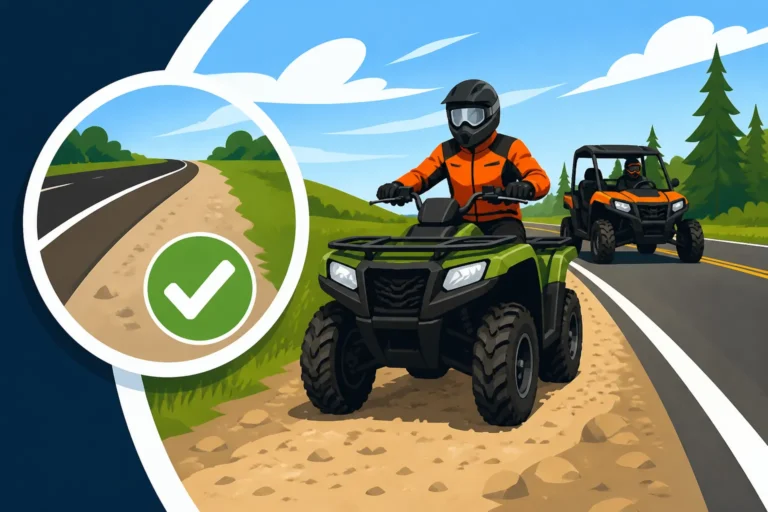
This is one of the most fundamental principles of ditch riding in Manitoba, and frankly, it causes a lot of head-scratching for riders new and old. The law is quite clear: when you're riding in a ditch alongside a roadway, that ditch must be to the right of the roadway in the direction of travel. This means if you're heading east, you should be in the ditch on the south side of the road. If you’re heading west, you’d be in the ditch on the north side.
The rationale here is simple: it mirrors the flow of traffic on the paved road, reducing the risk of head-on collisions with other ORVs or unexpected encounters with vehicles entering or exiting the roadway. Imagine trying to navigate a ditch while constantly checking for traffic coming at you from both directions on the road, and from other ORVs potentially coming at you in the ditch itself. It creates an unnecessary hazard. This rule is often enforced by local authorities, who are well-versed in [Manitoba Ditch Riding Rules].
Ditch Travel Direction: With or Against Traffic?
Following on from the "ditch to the right" rule, the direction you travel within that legal ditch is also prescribed. You must travel in the same direction as the adjacent roadway traffic. This isn't just a suggestion; it's a critical safety measure. Picture this: you're cruising along a ditch, minding your own business, and suddenly a car slows down to make a turn into a driveway or field ahead. If you're going against traffic, that driver might not see you, especially if you're a bit obscured by the ditch's contours or vegetation.
By travelling with the flow of traffic, you're more predictable to motorists and other ORV riders. It gives everyone more time to react, whether it's a driver making a turn, another ORV merging, or even an animal crossing your path. It's all about minimizing surprises and maximizing visibility, especially if you've got a machine with enhanced lighting or flags from a brand like SuperATV to make yourself even more noticeable. Remember, visibility is your best friend when riding near roads.
Four-Wheel-Drives Barred From Ditches
Here’s a rule that can really trip people up because it sounds like it might apply to our ATVs and UTVs, but it's actually about a different class of vehicle. While many off-road vehicles like ATVs and UTVs are indeed four-wheel-drive, the legislation actually refers to larger, typically street-legal four-wheel-drive vehicles like Jeeps, trucks, or SUVs. These machines are explicitly barred from riding in ditches.
The distinction is important. Your ATV or UTV, designed for off-road use, generally can be ridden in ditches according to the rules we're discussing. However, if you thought you could take your lifted pickup truck or your rugged SUV for a spin in the ditch, think again. The legislation is focused on limiting larger, heavier, and often faster road vehicles from using ditches as recreational or shortcut routes, which could cause significant damage to the ditch infrastructure and pose a greater danger to smaller ORVs or pedestrians. [Manitoba Four-Wheel-Drives Barred From Ditches] clarifies this further.
Navigating Intersections and Crossings in Ditches
Ditch riding often means encountering intersections, driveways, and even major highways that you need to cross. These are critical points where the risk of an incident skyrockets, and Manitoba has some very specific, non-negotiable rules about how you must handle them. This isn't the time for guesswork or hoping for the best; precise adherence to these rules is paramount for your safety and avoiding penalties.
The 5-Metre and 3-Kilometre Rules for Crossings
Manitoba’s rules for crossing roadways while ditch riding are designed to prevent collisions by ensuring maximum visibility and reaction time. You cannot simply dart across a highway whenever the mood strikes you. There are two key distance rules to remember:
First, you must cross the highway at least 5 metres from any intersection. This rule exists because intersections are complex zones with merging traffic, turning vehicles, and pedestrians. Crossing too close to an intersection significantly increases the chance of being hit by a turning vehicle or causing a traffic disruption. It gives drivers a clearer view of you and more time to react, as you're not competing with the visual clutter of intersection activity.
Second, if there isn't another intersection within 3 kilometres, you must still cross at least 3 kilometres from the nearest one. This rule generally applies in more rural areas where intersections are few and far between. It's meant to prevent random crossings in unpredicted spots, encouraging riders to use designated or predictable crossing points. Both of these rules are covered in detail by [Manitoba Crossing Rules at 5 Metres and 3 Kilometres], highlighting the province's commitment to safety.
Driver's Licence Requirement for Crossings
This is a crucial point that many riders, especially younger ones or those who primarily ride off-road, might overlook. To legally cross a highway on your ORV in Manitoba, you must hold a valid driver's licence. This isn't just about having an ORV safety certificate; it means you need a full-fledged driver's licence that allows you to operate a motor vehicle on public roads.
Why is this rule in place? Crossing a highway involves understanding road traffic laws, judging speeds, and making quick, safe decisions that are typically expected of licensed drivers. It's not just about operating your machine; it's about interacting safely with road traffic. This requirement directly impacts younger riders, as [Manitoba Crossings Need a Driver's Licence] clearly states that a learner's permit will not suffice. If you're riding with someone under 16 or 18 who only has a youth ORV permit, they cannot legally cross a highway, even if supervised. This means planning your route to avoid such crossings, or ensuring they dismount and walk their machine across if it's legally permissible by local bylaws (always check!).
Single Machine Crossing and Clear View
When it comes to the act of crossing itself, safety protocols dictate a methodical approach. First, crossings must be made one machine at a time. This prevents a group of riders from inadvertently blocking traffic or creating a confusing scene for oncoming vehicles. It ensures each rider can focus entirely on their own crossing, assessing the situation without the pressure or distraction of following another machine.
Before you even think about moving, you absolutely must ensure you have a clear view of approaching traffic and that those drivers have a clear view of you. This means stopping at the edge of the ditch, looking both ways, and yielding to all traffic. Don't assume drivers see you, even if your machine is equipped with bright lights from a brand like SuperATV. Eye contact, if possible, is always best. Take your time, make your intentions clear, and only proceed when it is unequivocally safe to do so. Rushing a crossing is one of the quickest ways to invite trouble, and officers are vigilant about these infractions, which can lead to tickets for [Manitoba Careless Operation Penalties].
Exceptions and Specific Scenarios for Ditch Riding
While the general rules for ditch riding are fairly strict, there are some specific scenarios and exceptions that can apply. Understanding these nuances is key to knowing when and where you might have a little more flexibility, or conversely, when you need to be extra cautious. It's never a one-size-fits-all situation in the diverse landscapes of Manitoba.
Agricultural Shoulder Exception
For farmers, the rules can be a little different, particularly when it comes to using the shoulder of a roadway for agricultural purposes. The province recognizes that farmers often need to move their machines between fields or to barns, and sometimes the quickest or only practical route involves using road shoulders. In these specific circumstances, a farm quad or UTV may be allowed on the shoulder of a roadway.
However, this isn't a blanket permission for any ORV. This exception is strictly for agricultural purposes, meaning the machine is being used for a legitimate farming activity. Furthermore, machines operating under this exception must be equipped with a slow-moving vehicle sign – that distinctive orange triangle – to warn other motorists of their slower speed. There's also a speed limit of 40 km/h when operating on the shoulder under this exception. It’s crucial to remember that this is a shoulder rule, not a ditch rule, though the two can sometimes be confused. [Manitoba's Agricultural Shoulder Exception] provides more details on this specific allowance.
Local By-Laws and Their Impact
This is where things can get a bit localized and sometimes confusing. While the provincial Off-Road Vehicles Act sets the broad framework for ORV operation, municipalities, Local Government Districts (LGDs), and even Northern Community Councils have the power to create their own by-laws. These by-laws can either be more restrictive or, in some cases, can actually open up certain roads or ditches for ORV use within their specific boundaries.
For example, a rural municipality might have a by-law that allows ORV use on certain municipal roads or ditches during specific seasons, perhaps to connect to local trails or for access to hunting areas. Conversely, a more populated community might have by-laws that completely ban ORVs from all ditches within town limits to minimize noise complaints and improve safety for residents. It's absolutely vital to check the local by-laws for any area you plan to ride in. A quick call to the municipal office or checking their website can save you a lot of grief. [Manitoba Municipal By-Law Powers] highlights how these local rules can significantly alter your riding options. Don't rely on what you think the rules are; always verify the local context, especially if you're exploring with accessories from a brand like SuperATV that might tempt you off the beaten path.
Age and Supervision for Ditch Riding
The age of the rider also plays a significant role in where and how an ORV can be operated, including in ditches. Manitoba has specific age tiers that dictate supervision requirements:
- Riders Under 14: Children under 14 years of age are generally only permitted to operate an ORV on private land where they have consent, or on Crown land if directly supervised by an adult (18+) and maintaining visual contact. They are explicitly not allowed to operate an ORV in ditches adjacent to roadways. This means a parent riding alongside their child in a ditch, even if the child is on their own machine, would be an infraction if the child is under 14.
- Riders 14 and Over: Once a rider turns 14, they are generally allowed to operate an ORV in ditches without direct adult supervision, provided they follow all other rules (like the ditch-to-the-right rule and direction of travel). However, they still need to meet the driver's license requirements if they intend to cross a highway, which can be a catch-22 for many young riders.
- Learner Stage Riders (15 and a half with a Class 6M licence): These riders are still considered learners, and while they can operate an ORV, their ability to cross a highway might still be restricted depending on the specific conditions of their learner's permit.
Parents and guardians bear a significant responsibility here. Understanding [Manitoba Age Tiers for Young Riders] is essential, not just for compliance but for the safety of young operators. It's about ensuring they have the skills, maturity, and legal standing to navigate complex environments like ditches and highway crossings.
Here's a quick summary of key ditch riding rules in Manitoba:
| Rule Category | Specifics | Why It Matters |
|---|---|---|
| Location | Ditch must be to the right of the roadway. | Aligns with traffic flow, reduces head-on collision risk with other ORVs. |
| Direction | Must travel in the same direction as adjacent traffic. | Increases predictability for motorists, enhances safety. |
| Vehicle Type | Four-wheel-drive road vehicles are prohibited. | Prevents damage to ditches, reduces danger from larger, heavier vehicles. |
| Crossing Distance 1 | Cross at least 5 metres from any intersection. | Avoids complex traffic zones, improves visibility for all parties. |
| Crossing Distance 2 | Cross at least 3 kilometres from the nearest intersection (if no other within 3 km). | Prevents unpredictable crossings in rural areas, promotes designated crossing points. |
| Driver's Licence | Required to cross any highway. | Ensures rider understands road laws and can make safe traffic decisions. |
| Crossing Method | One machine at a time, with a clear view. | Minimizes traffic disruption, maximizes individual safety and reaction time. |
| Agricultural Use | Farm quads/UTVs can use shoulder (with SMV sign, 40 km/h limit). | Acknowledges practical needs for farmers, distinct from general ditch riding. |
| Local By-Laws | Municipalities can modify provincial rules. | Rules can vary significantly by location; always check local regulations. |
| Rider Age 1 | Under 14: No ditch riding allowed. | Protects young riders from high-risk environments. |
| Rider Age 2 | 14+: Ditch riding allowed (follow rules), but driver's licence still needed for highway crossings. | Balances independence with safety and legal requirements. |
Disclaimer
This article is for general informational purposes only and does not constitute professional advice. Laws, prices and regulations vary by location and change over time. Consult a qualified professional for guidance on your specific situation.