Seat Belts Where the Maker Fitted Them
One of the trickiest things about riding off-road in Manitoba is wrapping your head around all the rules, especially when it comes to safety gear. You've likely heard bits and pieces about helmets, but what about seat belts? Many riders are confused about whether they're actually required, or if it depends on the machine. This guide will clarify Manitoba's regulations regarding seat belts on ATVs and UTVs, focusing on the critical detail of whether your machine was designed with them from the factory.
Understanding Manitoba's Approach to Seat Belts on Off-Road Vehicles
Navigating the rules for off-road vehicles (ORVs) in Manitoba can sometimes feel like trying to find your way through thick bush in the dark. It's not always as straightforward as "yes" or "no," and seat belts are a prime example of this nuance. The provincial legislation, specifically the Off-Road Vehicles Act, takes a very practical, design-based approach to rider restraints, which means your machine's original configuration plays a huge role in what's expected of you as an operator or passenger. This isn't about arbitrary mandates; it's about respecting how the machine was built to protect its occupants.
The "As Designed" Principle: Manufacturer's Intent is Key
The core of Manitoba's seat belt rule boils down to a simple, yet profoundly important, concept: if the manufacturer designed and equipped your off-road vehicle with seat belts, then you, as the operator, and any passengers, are legally required to use them. This isn't just a suggestion; it's the law. The province recognizes that vehicle manufacturers put a lot of research and development into designing safety features for their specific machines. If a seat belt system was integrated into the original design, it was put there for a reason – to offer a specific type of protection in certain scenarios, often in conjunction with other features like a roll-over protective structure (ROPS).
Think about it: when you buy a brand new side-by-side, those seat belts aren't an optional add-on; they're an integral part of its safety system. The law simply reinforces the manufacturer's intent. It acknowledges that these machines are built with specific safety capabilities in mind, and that riders should utilize them. This also means that if your machine didn't come with seat belts from the factory, the law generally doesn't mandate you to install and use them. The expectation is that you will comply with the safety measures as provided by the manufacturer. This distinction is absolutely critical and often overlooked, leading to a lot of confusion among riders. It's about respecting the engineering and making sure you're using the safety equipment that's already there for your benefit.
How Seat Belts Interact with Helmet Laws
Here's where things get really interesting and where the "as designed" principle can directly impact another major safety rule: the helmet law. In Manitoba, the general rule is that every person operating or riding on an off-road vehicle must wear an approved helmet. There are good reasons for this, as helmets significantly reduce the risk of head injuries in the event of an accident. However, there's a specific exemption that comes into play for certain types of machines equipped with seat belts.
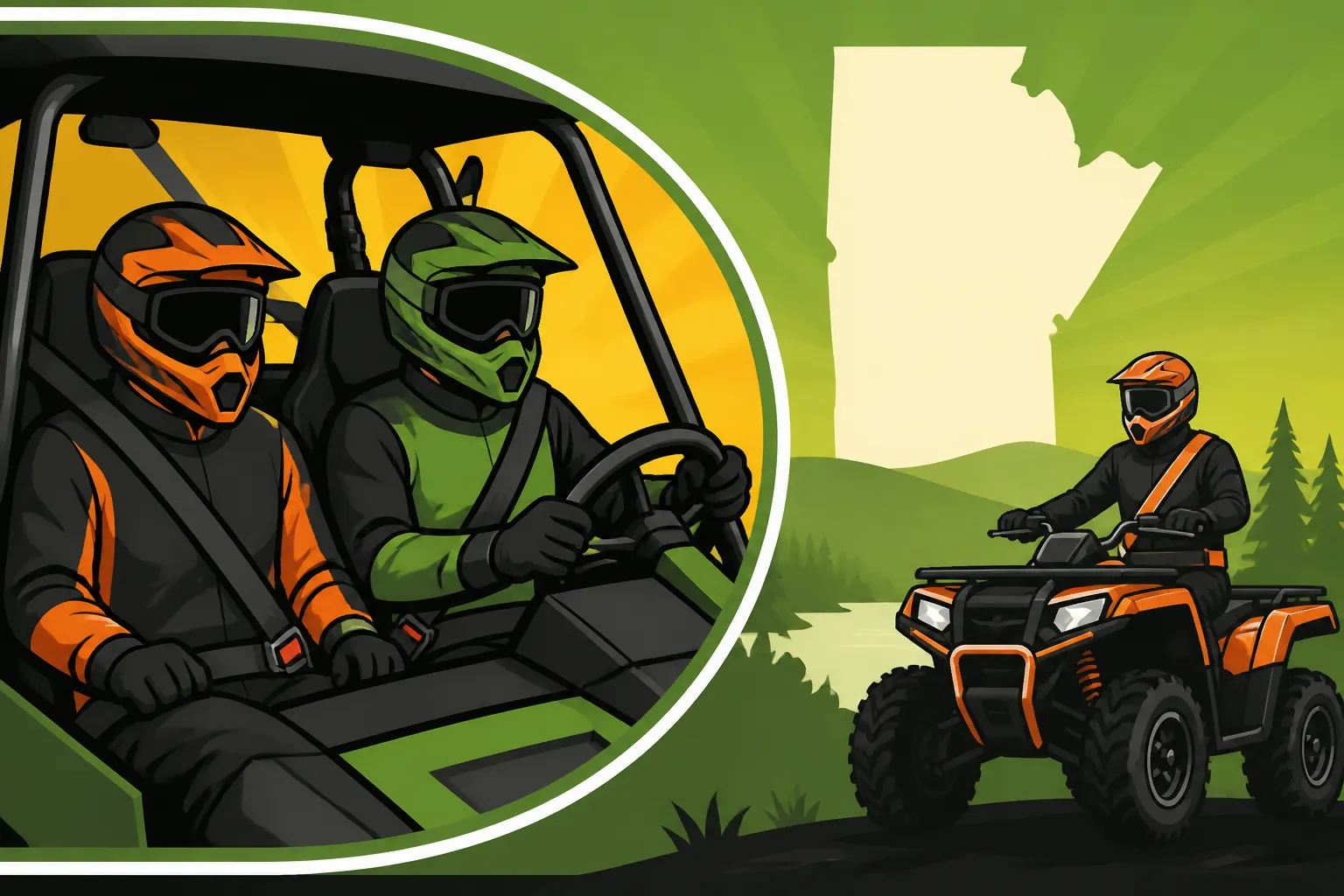
If your ORV is designed with a roll-over protective structure (ROPS) – often referred to as a roll cage – AND is equipped with seat belts by the manufacturer, then the helmet requirement can be waived if those seat belts are being worn. This exemption is typically relevant to side-by-sides (UTVs) where the design inherently includes both a robust ROPS and factory-installed seat belts. The logic here is that the combination of the roll cage and the seat belt provides a high level of occupant protection, reducing the risk of ejection or head impact that a helmet would otherwise mitigate. It’s a recognition that different types of machines offer different safety envelopes. However, this is not a blanket exemption. If your machine has a roll cage but no seat belts, or if the seat belts aren't worn, then the helmet rule still applies. You can read more about [Manitoba Helmet Law and Its Exemptions]. It’s vital for riders to understand this interplay. You can't just assume that because you're in a side-by-side, a helmet isn't needed. It specifically hinges on those two design features being present and the seat belts being buckled up.
What This Means for Different Machine Types
The "as designed" rule isn't just a legal technicality; it profoundly impacts how you should approach safety gear depending on the kind of off-road vehicle you operate. A quad is built differently from a side-by-side, and these differences dictate the types of safety measures legally required and practically advisable. Understanding these distinctions is crucial for staying safe and compliant on Manitoba's trails and designated riding areas. Ignoring these nuances can lead to fines, but more importantly, it can put you and your passengers at unnecessary risk.
Side-by-Sides and Factory-Installed Seat Belts
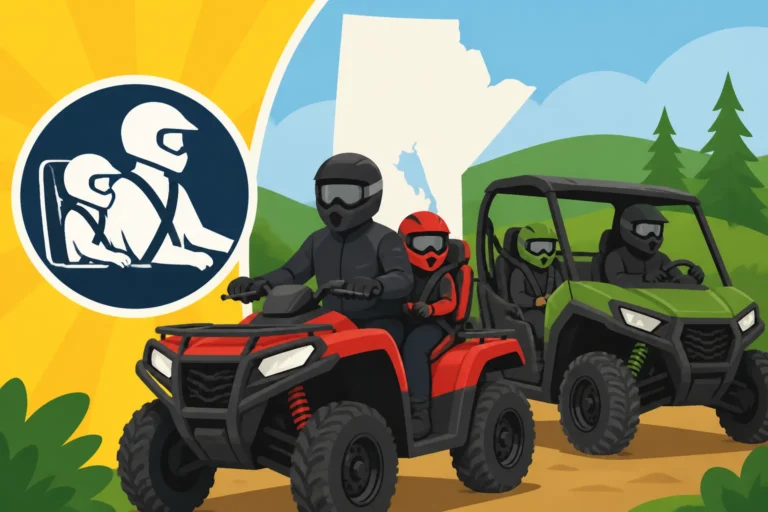
Side-by-sides, or UTVs (Utility Terrain Vehicles), are almost universally designed and manufactured with factory-installed seat belts, along with a roll-over protective structure (ROPS). For these machines, the rule is crystal clear: if your side-by-side came with seat belts from the manufacturer, you must wear them. This applies to both the driver and any passengers. These machines are engineered for multiple occupants and are often used for work, recreation, or even utility tasks, meaning they can encounter various terrains and situations where restraint is paramount. The seat belts are there to keep you inside the protective cage of the ROPS in the event of a roll-over or sudden stop.
Consider a scenario: you're out exploring the [Manitoba Eastman Riding Areas] with a few friends in your four-seater side-by-side. The trails are great, but suddenly you hit an unexpected rut or an unseen rock. Without seat belts, you and your passengers could be violently jostled, potentially ejected from the vehicle, or collide with the roll cage itself. With seat belts properly fastened, you're much more likely to remain safely within the vehicle's protective zone. The law's requirement for seat belt use in these machines is a direct reflection of their design and intended safety capabilities. It's not an option; it's a fundamental part of operating a side-by-side safely in Manitoba.
Aftermarket Additions and Their Legal Standing
This is where many riders get confused. What if your machine didn't come with seat belts, but you want to add them for extra safety? Or perhaps you want to upgrade the existing factory belts to a multi-point harness system? The law specifies that if the manufacturer fitted seat belts, you must use them. It doesn't explicitly mandate adding them if they weren't original equipment. However, if you do choose to install aftermarket seat belts or harness systems, especially in a machine that already has a ROPS, using them becomes a common-sense safety measure. While the law won't penalize you for not having aftermarket belts in a machine not originally equipped, it certainly encourages enhanced safety.
Many companies, like SuperATV, offer a wide range of aftermarket seat belt and harness systems, as well as roll cage extensions and other safety accessories, designed to enhance rider protection. If you're modifying your UTV, for example, to create a more secure riding environment, these products can be invaluable. However, it's crucial to ensure that any aftermarket additions are installed correctly and are compatible with your machine's design. Improper installation could actually compromise safety. Always prioritize quality components and professional installation if you're unsure. While an aftermarket seat belt might not trigger the helmet exemption mentioned earlier (as that specifically refers to factory-fitted belts), it undeniably adds a layer of personal protection, which is always a good idea when you're out on the trails. When considering any modification, much like you would with reputable aftermarket providers such as SuperATV, it's wise to carefully research to ensure compatibility and safety.
The Grey Area of ATVs and Seat Belts
Now, let's talk about ATVs, or quads. These machines are fundamentally different in design from side-by-sides. ATVs are designed for a single operator (or in some cases, a single passenger in addition to the operator on specialized two-up models), and they rely on the rider's active balance and body movements for control, especially when navigating turns or uneven terrain. Crucially, ATVs do not come equipped with seat belts from the factory, nor do they typically have a ROPS or roll cage.
Because of this fundamental design difference, the "as designed" principle means that seat belts are generally not a legal requirement for ATVs in Manitoba. The absence of factory-fitted seat belts means the law doesn't compel you to install or use them. This is why you will always see the helmet requirement firmly in place for ATV riders, without the exemption granted to certain UTVs. An ATV rider's primary protection against head injury comes from their helmet. Therefore, when you're riding your quad, whether you're tackling the sandy areas of the [Manitoba Woodridge Club Trails] or navigating through the dense bush, your helmet is your most critical piece of safety equipment. You can read more about [Manitoba ATV Helmet Law]. Without a ROPS and without a manufacturer-designed seat belt system, the helmet remains the steadfast defender against impacts, which is a major distinction from the rules governing side-by-sides.
Here’s a quick overview of how seat belt requirements differ:
| Machine Type | Factory Seat Belts Fitted? | Helmet Exemption (with ROPS)? | Legal Requirement to Use Seat Belts? | Primary Safety Device (Always Required) |
|---|---|---|---|---|
| Side-by-Side (UTV) | Yes | Yes, if worn | Yes | Seat Belts & Helmet (unless exempt) |
| ATV (Quad) | No | No | No | Helmet |
Practical Considerations and Rider Safety
Beyond the letter of the law, there's the spirit of safety, and that's something every off-road enthusiast in Manitoba should embrace. The rules are there to provide a baseline, but personal responsibility and proactive measures can significantly reduce risks. After all, the goal isn't just to avoid a ticket; it's to enjoy your passion safely and come home in one piece after a fantastic day out on the trails.
Why Seat Belts Matter, Even If Not Always Required
Let's be honest: no one wants an accident. Even if your machine doesn't legally require seat belts (like an ATV), or if you’re in a side-by-side that offers the helmet exemption when seat belts are worn, the underlying safety principles remain. Seat belts are designed to keep you inside the vehicle's protective envelope, preventing ejection, which is often the cause of the most severe injuries in off-road accidents. An unexpected roll-over, a sudden impact, or even just a sharp turn on uneven ground can throw an unbelted occupant from the machine, into objects, or under the vehicle itself.
Think about the forces at play when you're riding. Even at moderate speeds, a sudden stop or impact generates immense kinetic energy. A seat belt, particularly a multi-point harness system (like those offered by SuperATV for aftermarket upgrades), distributes those forces across stronger parts of your body, reducing the likelihood of a single point of impact causing catastrophic injury. So, while the law might defer to the manufacturer's design, your personal safety should always be the priority. For any machine with factory-installed seat belts and a ROPS, always, always buckle up. It’s a habit that could literally save your life or the life of a passenger. [Seat Belts and Passenger Limits on a Manitoba UTV] further discusses how these are integrated into the overall safety of your ride.
Maintaining and Inspecting Your Machine's Restraints
Just having seat belts isn't enough; they need to be in good working order to provide the protection they were designed for. Regular inspection and maintenance of your ORV's seat belts and related components are crucial. This applies equally to factory-installed systems and any aftermarket additions you might have. Here's what you should be looking for:
- Fraying or Cuts: Check the webbing of the seat belt for any signs of wear, tears, cuts, or fraying. Damaged webbing can weaken the belt and compromise its ability to restrain you in an impact.
- Buckle Functionality: Ensure the buckle latches securely and releases smoothly. A sticky or unreliable buckle isn't safe.
- Retractor Operation: If your belts are retractable, make sure they retract fully and smoothly. Also, test the locking mechanism by giving the belt a quick, sharp tug to simulate an impact – it should lock up instantly.
- Mounting Points: Visually inspect where the seat belts are anchored to the machine. Look for any loose bolts, cracks in the mounting plates, or signs of corrosion that could weaken the attachment.
- Harness Condition (if applicable): For multi-point harnesses, check all straps, adjusters, and attachment points. Ensure they are free from damage and properly routed.
If you find any issues during your inspection, address them immediately. Don't put off repairs or replacements. A compromised seat belt is a false sense of security. You can often find replacement parts through your dealer or through reputable aftermarket suppliers like SuperATV. Maintaining your safety equipment is just as important as maintaining your engine or tires. It ensures that when you're out enjoying the [Manitoba Crown Land Riding Explained] or a local club trail, your safety gear is ready to perform its critical function when it matters most.
Disclaimer
This article is for general informational purposes only and does not constitute professional advice. Laws, prices and regulations vary by location and change over time. Consult a qualified professional for guidance on your specific situation.