Black Flies on an Eastman Trail
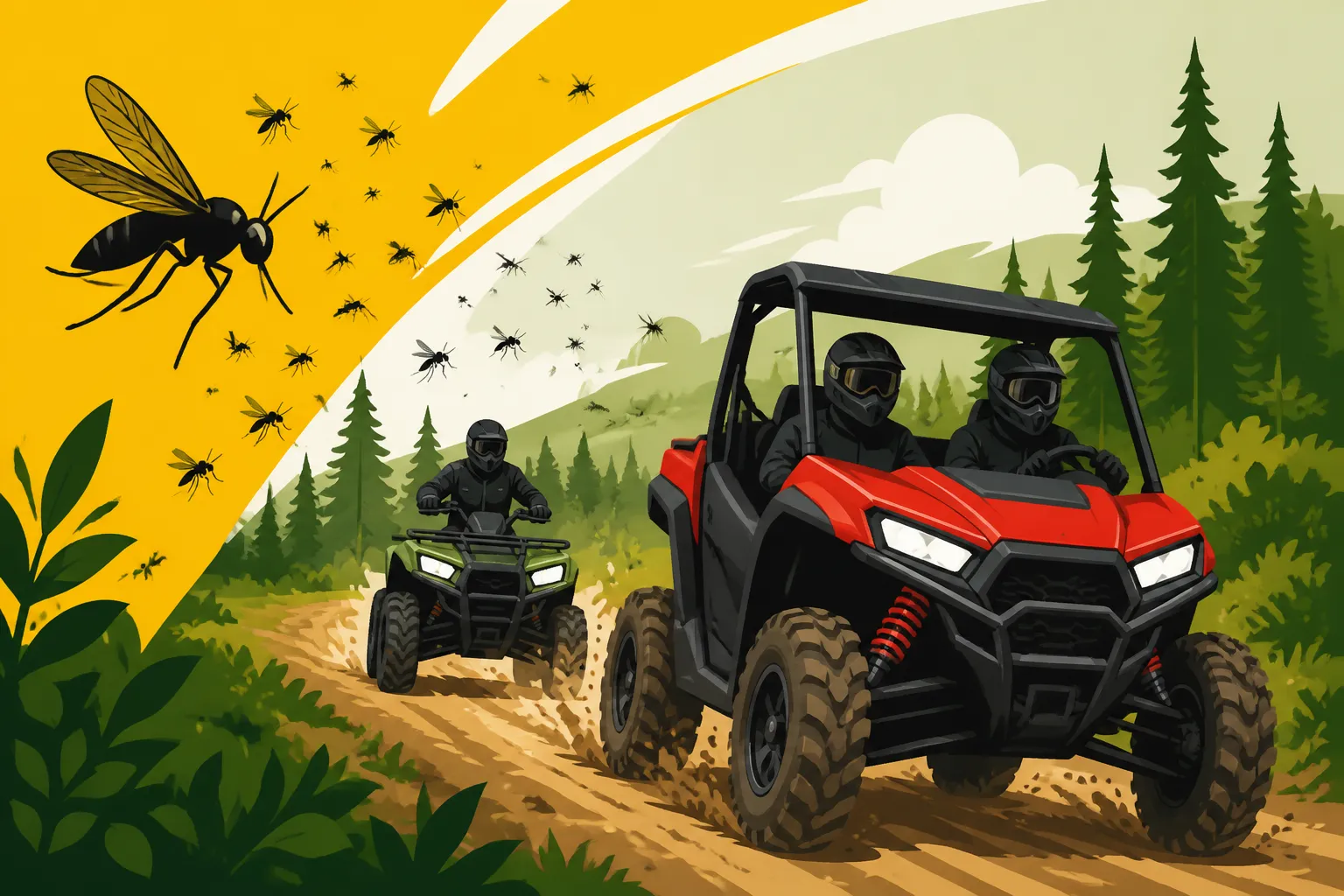
Black flies can turn a pleasant Eastman trail ride into a day of swatting at your helmet, stopping to pull bugs from your eyes, and wondering whether the next clearing will be any better. This guide explains when and where they tend to bother riders, what to wear, how to plan breaks, and how to keep a Manitoba ATV or UTV ride comfortable and safe.
Why black flies can be troublesome on Eastman trails
Where riders are most likely to notice them
Eastman’s mix of bush, low-lying ground, waterways, and forest trails can create plenty of places where biting insects are noticeable. Black flies often gather near moving water where their young develop, but you do not need to be right beside a stream to encounter them. A wooded section, damp trail edge, or sheltered clearing may feel much worse than an open, breezy stretch nearby.
That contrast can be frustrating. You might leave a staging area near Steinbach feeling fine, then reach a shaded section of trail where flies cluster around your helmet and neck. A little farther along, the trail opens up and the breeze makes them less persistent. Conditions can change quickly along the same route, so a quiet starting point does not guarantee a bug-free ride.
A ride on or near the Manitoba Agassiz Club Trail or Manitoba Woodridge Club Trails may include several different environments in one outing. Treat those route names as a reminder to prepare for changing conditions, not as a promise that any particular section will be free of insects. Check the club or trail information before setting out, and respect posted closures and access directions.
When they tend to be active
Black-fly activity often becomes an issue in spring and early summer, but the timing and intensity vary with weather and local conditions. Warm, damp, calm days can feel especially rough. A breeze may help, while a sheltered spot can feel thick with insects even when the weather seems pleasant elsewhere.
Black flies are generally more of a daytime nuisance than mosquitoes, which many riders associate with dawn and dusk. Still, insect activity is not perfectly predictable. Recent rain, temperature, wind, shade, and nearby water can all affect what you encounter. It is more useful to plan for the possibility of biting insects than to assume a particular month or time of day will be safe.
If you are choosing a route or departure time, check local riding information and conditions rather than relying on a calendar alone. The guide to Spring Riding in the Eastman Bush can help you think through seasonal trail conditions, while Manitoba Trail Conditions Before You Haul is a useful reminder to check access and trail status before loading the machine.
What to wear and pack for a buggy ride
Cover skin without compromising riding safety
Clothing is your first line of defence. Lightweight long sleeves, long pants, gloves, and socks that cover the gap above your boots can reduce the amount of exposed skin. Choose close-fitting cuffs or secure them so insects have fewer easy ways inside. A neck gaiter can help protect the neck, but make sure it does not interfere with your helmet fit, breathing, or ability to turn your head comfortably.
A fine-mesh head net can be useful when you are stopped, walking around a trailhead, or taking a break in a buggy spot. On a moving machine, however, loose mesh can flap, catch air, or distract you. Make sure any net or face covering works with your helmet and eye protection, stays clear of moving parts, and does not block your vision. A net that shifts over your eyes is not worth the relief.
Use insect repellent according to its label, including directions about where it can be applied and how often to reapply it. Keep it out of your eyes and away from hot machine parts. If you use a product intended for clothing rather than skin, follow its instructions carefully and allow treated items to dry as directed before wearing them. Do not spray while seated beside a running machine or near a hot exhaust.
Pack for more than the ride itself
A small bug kit can make a noticeable difference during stops. Consider packing repellent, a spare pair of gloves, a head net, tissues, drinking water, and a sealable bag for keeping treated clothing or used wipes separate from food. Store the kit somewhere easy to reach, but secure it so it cannot bounce loose on rough ground.
A simple comparison can help you choose what to bring:
| Item | Most useful when | Practical note |
|---|---|---|
| Long sleeves and pants | Riding through brush or shaded areas | Choose clothing that does not snag or restrict movement |
| Gloves and covered cuffs | Bugs are reaching hands and wrists | Check that gloves still allow a secure grip and control use |
| Fine-mesh head net | Stopped in an area with heavy activity | Keep it clear of your eyes and compatible with your helmet |
| Insect repellent | Exposed skin or clothing needs added protection | Follow the product label and avoid contact with eyes |
| Spare layer | The day changes or clothing becomes damp | Keep it dry and easy to reach |
| Water and wipes | Longer rides with several stops | Keep drinking water separate from chemicals and used wipes |
It is also worth thinking about how you will carry the items. A head net buried under tools does not help when you stop and the flies immediately arrive. Put frequently used gear in a secure, reachable compartment, and avoid attaching loose straps or bags where they could interfere with the controls, wheels, or passengers.
For longer outings, preparation goes beyond insects. The checklist in Packing for a Cold Manitoba Morning is useful for thinking about changing conditions, while First Aid on a Long Manitoba Loop can help you plan for the ordinary discomforts and minor problems that are easier to handle when you have supplies along.
How to plan breaks and manage the ride
Keep stops short and choose them thoughtfully
A black-fly problem often feels worst once the machine is parked. While moving, airflow may keep some insects away; when you stop in a sheltered, wooded spot, they can gather around your face and hands. If you need a quick break, try to stop in an open area with some breeze where stopping is permitted and safe. Do not pull off into fragile ground, block the trail, or stop where other riders cannot see you.
When you do stop, decide what you need before removing your gloves or helmet. If the area is buggy, handle water, a snack, a map check, and equipment adjustments efficiently rather than leaving everything open on the seat. Keep food and personal items contained, and do not let the discomfort rush you into skipping a necessary rest or safety check.
A good stop is still important if you are tired, overheated, dealing with a passenger, or checking a machine issue. In those situations, take the time you need. Put on the head net or repellent before you begin, and choose a place where you can stand safely away from moving traffic and other machines.
Use route information without letting navigation distract you
Before leaving, look at the route, planned stops, and options for turning back. A route that passes through open and sheltered sections gives you flexibility if one part feels especially buggy. Keep in mind that changing trails to avoid insects does not make an unauthorized route acceptable. Confirm that the route is open and that you have permission to ride there.
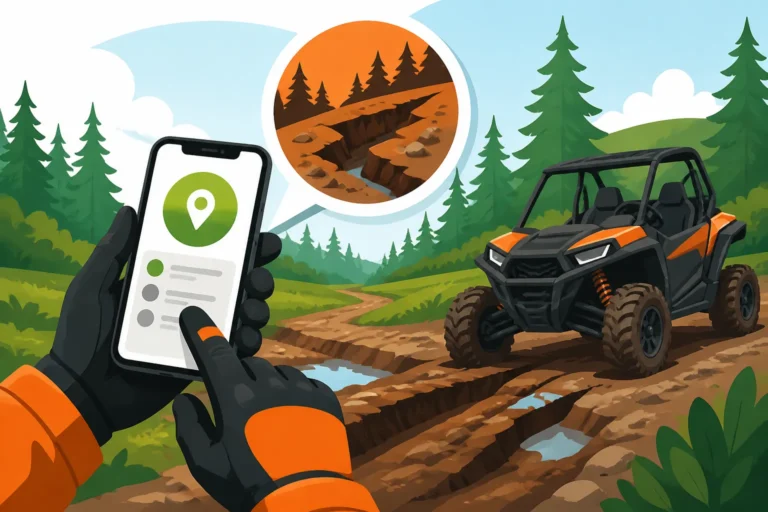
A navigation app such as onX Offroad may help you review a route before the ride, but it should not replace local trail information or posted signs. If you use onX Offroad, set up your route and check the relevant map details before you start moving. Do not try to read or operate a phone while driving. Pull over safely, stop the machine, and then check your screen.
Cell service can be unreliable in some riding areas, so have a backup plan. Carry the route information you need before leaving, tell someone where you expect to ride, and agree on what you will do if the group becomes separated. Manitoba Trail Apps and Maps and Carrying a Paper Map in the Manitoba Bush offer useful reminders that a screen is only one part of navigation. onX Offroad can be one planning tool, but riders should still check current access information through the relevant club or land manager.
A practical checklist for an Eastman ride
Before you leave home
Check the trail information, weather, and any local notices that may affect access. Pack clothing that covers your skin, repellent, water, and a head net if you have one. If you are riding with children or passengers, make sure everyone has properly fitting protective gear and knows where the bug supplies are stored.
Talk through the plan with your group before unloading. Decide who will lead, where you expect to stop, and what to do if someone needs to turn back. A rider who is distracted by insects may miss a turn or fall behind, so keep the group together and make stops in safe, visible places. The advice in Manitoba Group Ride Planning and Manitoba Trail Etiquette Locals Expect can help make a shared ride more comfortable for everyone.
During and after the ride
If the flies are bad, do not let frustration push you into riding faster than visibility and trail conditions allow. Keep your eyes clear, your helmet and eye protection properly positioned, and your hands on the controls. If insects get inside your helmet or affect your vision, stop somewhere safe before trying to fix the problem.
At the end of the ride, check for bites and remove or store treated clothing as its label directs. Clean mud and debris from the machine, inspect it for damage, and pack out wrappers and used wipes. If you encountered a troublesome stretch, share practical information with your riding group or the local club, without treating one day’s conditions as a permanent trail report.
A little preparation will not guarantee a fly-free ride, but it can keep a frustrating stretch from dominating the day. Cover exposed skin, bring a few useful supplies, choose stops carefully, and put safety ahead of the urge to hurry through a buggy section.
Disclaimer
This article is for general informational purposes only and does not constitute professional advice. Laws, prices and regulations vary by location and change over time. Consult a qualified professional for guidance on your specific situation.