Manitoba Roll-Over Protection Exemptions
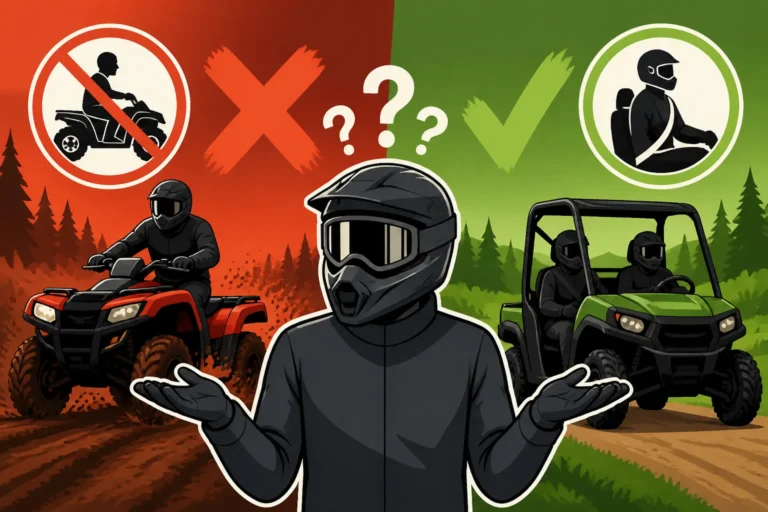
Many riders in Manitoba scratch their heads when it comes to helmet laws, especially if they're operating a side-by-side or another off-road vehicle (ORV) that comes with what looks like a roll cage. The common frustration is wanting to understand if that factory-installed protection means you can skip the helmet without breaking any rules or, more importantly, compromising your safety. This guide is here to untangle the specifics of Manitoba's roll-over protection exemptions, clarifying when and how these structures factor into the helmet requirement for ORV operators and passengers.
Understanding Roll-Over Protective Structures (ROPS) in Manitoba
When we talk about off-road vehicle safety, one of the most significant advancements, particularly in the side-by-side (SxS or UTV) market, has been the widespread adoption of Roll-Over Protective Structures, or ROPS. These aren't just aesthetic additions; they are engineered safety features designed to protect occupants in the event of a rollover. But what exactly do they entail in the eyes of Manitoba law, and how does that impact your helmet choices?
What is a Roll-Over Protective Structure?
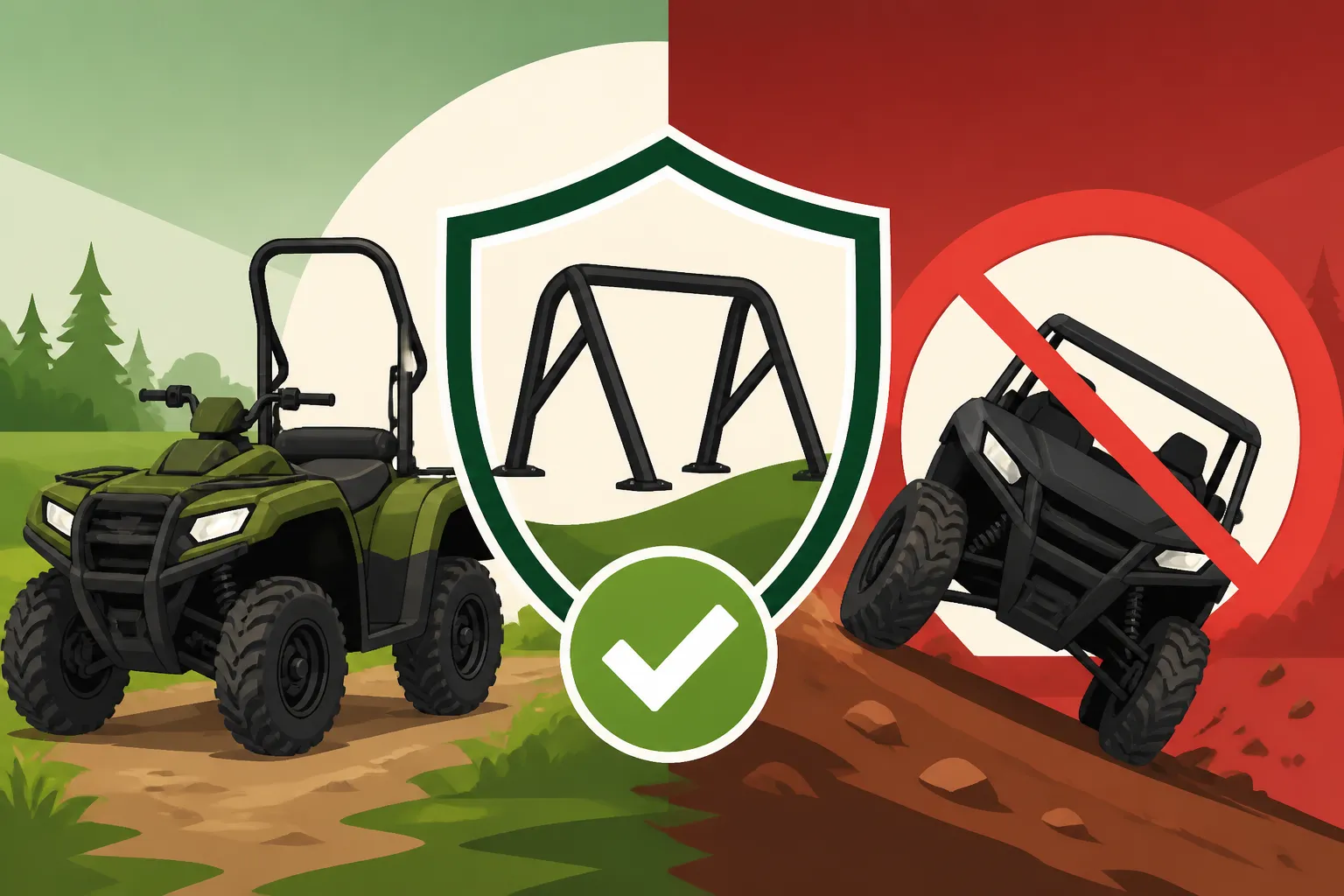
At its core, a Roll-Over Protective Structure (ROPS) is a factory-designed and installed system intended to create a protective zone around the occupants of an off-road vehicle during a rollover accident. Think of the sturdy framework, often made of steel tubing, that forms the "cab" of many side-by-sides. This structure is built to withstand significant force, preventing the vehicle's weight from crushing occupants if the machine tips over. It's not just a collection of bars; it's a carefully engineered system that includes the frame itself, along with components like seatbelts, doors, and sometimes even nets or windows, all working in concert to keep you safe inside the vehicle's footprint during an upset.
The critical distinction here is that we're talking about factory-installed, purpose-built systems, not just any random metal tubing you might bolt onto your machine. The intent is safety through structural integrity, designed to meet specific industry standards for crush resistance and occupant containment. Without these structures, a rollover could have far more severe consequences, highlighting their importance in modern ORV design.
Why ROPS Matters for Rider Safety
The presence of a ROPS dramatically changes the safety dynamic in a rollover incident. Historically, ATVs (All-Terrain Vehicles) were open, saddle-straddle machines where the rider's primary protection came from their gear and their ability to quickly dismount. With the rise of UTVs, which often resemble small cars with their bucket seats and steering wheels, the potential for being trapped inside the vehicle during a rollover became a major concern. ROPS addresses this directly by providing a physical barrier against crushing forces.
Beyond preventing crush injuries, ROPS also provides anchor points for crucial safety features like seatbelts. These seatbelts are essential because they keep occupants securely within the protective zone created by the ROPS. Without them, even a robust ROPS might not prevent a rider from being ejected or from striking interior components during a chaotic rollover. When these systems are working together, they form a powerful safety envelope, significantly reducing the risk of serious injury or fatality. Understanding this synergy is key to appreciating why Manitoba's regulations acknowledge ROPS in their safety framework.
Manitoba's Approach to ORV Safety
Manitoba takes ORV safety seriously, and its legislation, primarily the Off-Road Vehicles Act, outlines clear rules designed to protect riders. This includes regulations on everything from registration and age limits to, most notably for our discussion, helmet use. The province recognizes that different types of ORVs present different risk profiles and therefore require different safety considerations. While the general philosophy is always to prioritize rider safety, the specific rules can adapt to the design features of the machine.
For instance, the Act meticulously defines various classes of ORVs, from ATVs and snowmobiles to side-by-sides and dirt bikes. [Manitoba Classes Covered by the Act] provides a good overview of these classifications. This careful distinction allows for tailored regulations. The acknowledgement of ROPS as a legitimate safety feature, and its potential to influence helmet requirements, is a testament to this nuanced approach. It’s not a blanket rule for all ORVs; rather, it’s a recognition that a machine equipped with specific, tested safety features might offer an equivalent, or even enhanced, level of protection under certain conditions, thereby justifying an exemption from another, more general safety requirement like a helmet.
The General Rule: Helmets Are Mandatory
Before we dive into the specifics of ROPS exemptions, it's absolutely crucial to understand the foundational rule in Manitoba: if you're riding an off-road vehicle, you generally need to be wearing an approved helmet. This isn't just a suggestion; it's a cornerstone of ORV safety legislation across the province, designed to protect riders from the most common and often most devastating injuries in an accident – head injuries.
The Core Requirement for Most ORV Riders
For the vast majority of off-road vehicle operators and passengers in Manitoba, the helmet requirement is non-negotiable. Whether you're tearing through the bush on an ATV, navigating trails on a dirt bike, or even cruising on a snowmobile, a helmet is your primary line of defense. The law is clear: unless a specific exemption applies, you and any passengers must have an approved helmet securely fastened on your head whenever the machine is in operation. This applies to all ages and all experience levels.
This universal rule is in place because ORVs inherently carry risks. Rollovers, collisions, and unexpected impacts with obstacles are always possibilities, even for experienced riders on familiar terrain. A helmet significantly reduces the risk of serious head trauma in such events. Failing to wear one is not only a safety gamble but also an infringement of the law, which can lead to fines. For more details on the general rule, you can check out [Manitoba ATV Helmet Law].
The "Why" Behind the Helmet Law
The reasons behind mandatory helmet laws are rooted in undeniable statistics and medical evidence. Head injuries are among the most severe consequences of ORV accidents. They can lead to lifelong disabilities, cognitive impairment, or even death. A helmet, when properly worn and approved to safety standards, acts as a shock absorber, distributing impact forces over a wider area and providing a protective barrier against sharp objects and abrasions.
Think about the forces involved in a simple fall or a low-speed collision. Even at relatively slow speeds, the human head is incredibly vulnerable. Without a helmet, the skull offers little protection against the impact of hitting the ground, a tree, or even another part of your own machine. The brain can suffer bruising, concussions, or more severe traumatic injuries. The helmet law exists to mitigate these risks, ensuring that riders have the best possible chance of avoiding catastrophic injury. It’s a proactive measure, acknowledging the inherent dangers of off-road riding and providing a simple, effective solution.
What Constitutes an Approved Helmet
It’s not enough to just wear any helmet; it must be an approved helmet. In Manitoba, an approved helmet is one that meets specific safety standards. These standards are typically recognized international benchmarks, ensuring that the helmet has undergone rigorous testing for impact absorption, penetration resistance, and retention system strength. Common approvals include those from the Snell Memorial Foundation (Snell), the U.S. Department of Transportation (DOT), and the Economic Commission for Europe (ECE).
When purchasing a helmet, always look for the certification sticker or label. It's usually found on the back of the helmet or inside, under the padding. An unapproved helmet, even if it looks protective, may not offer the necessary safety features and could be deemed non-compliant with the law. Choosing a helmet that fits properly and is in good condition is also vital; a damaged or ill-fitting helmet won't provide the protection it was designed for. Remember, [Passengers Must Wear a Helmet Just Like Operators] if they are riding on a machine where helmets are required, and the same approval standards apply to them.
When ROPS Changes the Helmet Game: Specific Exemptions
Here's where the specific rules about Roll-Over Protective Structures come into play and provide a narrow, but important, exemption to the general helmet mandate. Manitoba's Off-Road Vehicles Act recognizes that certain machines, by their design and integrated safety features, offer an alternative form of head protection that can, under specific circumstances, allow riders to forego a helmet. This exemption is not universal, and it comes with clear conditions.
The Helmet Exemption Clause for ROPS
Manitoba's legislation includes a specific clause that allows for an exemption from the helmet requirement for operators and passengers of certain off-road vehicles that are equipped with a Roll-Over Protective Structure (ROPS) and seatbelts. This is a critical distinction, as it doesn't apply to every ORV, nor does it mean you can just remove your helmet on any machine with a basic roll bar. The exemption is tightly tied to the factory design of the vehicle.
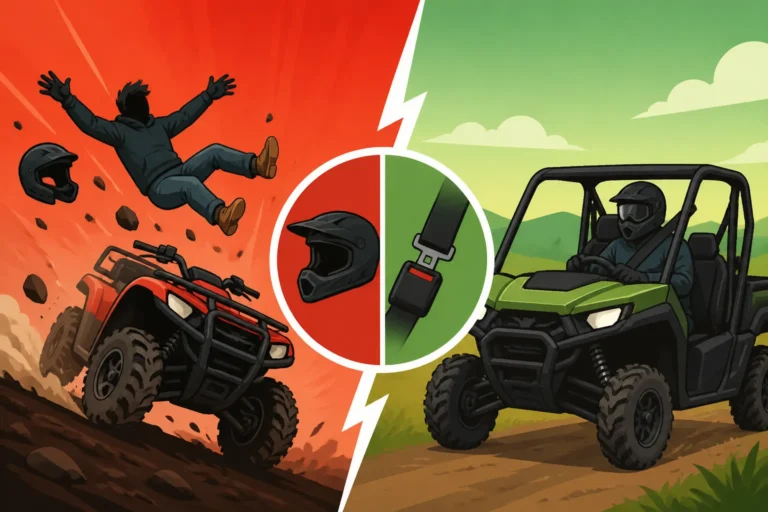
The key phrase here is "how a roll cage excuses the helmet rule." [How a Roll Cage Excuses the Helmet Rule] explains that for an ORV to qualify for this helmet exemption, it must be equipped with a ROPS that was originally installed by the manufacturer and it must also have seatbelts that are properly worn by all occupants. This ensures that even if the vehicle rolls, the ROPS provides the crush protection, and the seatbelts keep occupants contained within that protective zone, minimizing the risk of head impact. Without both elements working in tandem, the exemption does not apply.
Conditions for the ROPS Helmet Exemption
As mentioned, the ROPS helmet exemption is not a free pass; it's conditional. To be legally exempt from wearing a helmet on a ROPS-equipped ORV, the following conditions must be met:
- Factory-Installed ROPS: The Roll-Over Protective Structure must have been installed by the manufacturer of the off-road vehicle. This means aftermarket roll cages or custom fabrications, no matter how sturdy they appear, generally do not qualify for the exemption. The design and testing of a factory ROPS are crucial to its effectiveness.
- Seatbelts Worn: Every occupant, both the operator and any passengers, must be wearing a seatbelt that is securely fastened. The seatbelt is what keeps you inside the protective shell of the ROPS. Without it, you could be ejected or thrown around within the cabin, negating the ROPS's protective benefits.
- Machine Type: While the legislation doesn't explicitly name "side-by-sides," these are the most common ORVs that come factory-equipped with ROPS and seatbelts. This exemption is primarily designed for these types of utility or recreational vehicles, not typical ATVs or dirt bikes.
- No Modifications: The ROPS itself should not be substantially modified in a way that could compromise its integrity or original design. While adding accessories like a roof or windshield (perhaps from a reputable brand like SuperATV) is usually fine, any alteration to the structural members of the ROPS could void its compliance.
It's vital to note that even with these exemptions, safety remains paramount. While the law might permit going helmet-less in certain ROPS-equipped vehicles, riders should always consider additional protective gear based on the terrain, speed, and their comfort level.
Who Benefits from This Exemption
The primary beneficiaries of the ROPS helmet exemption are operators and passengers of modern side-by-side (SxS) or Utility Terrain Vehicles (UTV) that come from the factory with an integrated ROPS and seatbelt system. These machines, often used for recreation, utility work, or hunting, are designed with an enclosed, or semi-enclosed, occupant compartment, making the helmet requirement a point of contention for many.
For example, a family heading out for a day of trail riding in their four-seat UTV, where everyone is securely belted into their seats and the vehicle has its original factory roll cage, would typically qualify for this exemption. This allows for a different riding experience, often chosen by those who prefer the feel of an automotive-style interior and the social aspect of riding side-by-side with passengers. [Seat Belts and Passenger Limits on a Manitoba UTV] further outlines safety requirements for these multi-occupant machines. However, it's never about sacrificing safety; it's about providing equivalent protection through different means. Always verify your specific machine meets all the legal requirements before deciding to ride without a helmet.
Manufacturer Design and ROPS Classification
The distinction between a factory-installed Roll-Over Protective Structure and aftermarket additions is not just a technicality; it's a fundamental aspect of how Manitoba's exemption rules are applied. The intent and engineering behind a manufacturer's ROPS are what give it legal standing in terms of helmet exemptions.
Distinguishing Factory-Installed ROPS from Aftermarket Additions
When the law speaks of ROPS, it's typically referring to a system that was an integral part of the vehicle's design and manufacturing process. These structures undergo extensive testing by the manufacturer to ensure they meet industry safety standards, such as those set by the American National Standards Institute (ANSI) or the Recreational Off-Highway Vehicle Association (ROHVA). This testing ensures that the ROPS can withstand specific impact forces and create a survivable space for occupants in a rollover.
Aftermarket additions, on the other hand, are components installed after the vehicle leaves the factory. While many aftermarket companies, like SuperATV, produce high-quality roll cages, doors, and other protective accessories, these additions might not have been tested in conjunction with that specific vehicle's frame and overall design to the same rigorous standards as a factory-installed ROPS. The legal exemption in Manitoba is very specific about the ROPS being "installed by the manufacturer." This means that simply adding an aftermarket roll cage to an ATV that didn't originally come with one will not automatically exempt you from wearing a helmet. It's about the integrated design and certified safety, not just the appearance of a protective structure.
Side-by-Sides and Their Integrated Safety Systems
Side-by-sides are the quintessential example of ORVs designed with integrated safety systems, including ROPS, right from the factory floor. These machines are engineered from the ground up to accommodate multiple passengers in a seated position, often with a steering wheel and foot pedals similar to a car. The ROPS is not an add-on but a foundational element of the chassis, providing the main structural support for the cabin.
Coupled with the ROPS are other integrated safety features such as multi-point seatbelts, doors, and sometimes even side nets. These components work together to ensure that occupants remain within the ROPS's protective envelope during operation and in the event of an accident. The manufacturer's design brief for a UTV includes the intention that occupants will be protected by this combined system. This comprehensive approach to safety is precisely why the Manitoba legislature makes an exception for these types of machines under specific conditions.
The Role of Testing and Standards
The rigorous testing and adherence to industry standards are what truly validate a factory-installed ROPS. Manufacturers invest heavily in crash testing, rollover simulations, and material science to develop ROPS that effectively protect occupants. Standards bodies develop guidelines that dictate minimum strength requirements, deflection limits, and occupant space. These standards are crucial because they provide a benchmark for safety performance.
When an ORV's manufacturer states that its ROPS meets certain industry standards, it offers a level of assurance that the structure has been proven to perform under stress. This systematic approach to safety engineering is what distinguishes a compliant ROPS from a generic roll bar. For an enforcement officer or an insurance adjuster, this certified compliance is key. It's not just about having a structure; it's about having one that has been designed, tested, and certified to provide a measurable level of protection, which then informs legislative decisions like the helmet exemption.
Practical Considerations for ROPS Equipped Machines
Even with a robust, factory-installed ROPS and seatbelts, there's more to safe riding than just meeting the minimum legal requirements for a helmet exemption. Responsible ORV ownership and operation involves ongoing vigilance, maintenance, and smart accessorizing to maximize the safety benefits of your machine.
Beyond the Exemption: Remaining Safe with ROPS
While the ROPS exemption offers flexibility for helmet use, it should never lead to complacency about safety. A ROPS is designed for rollovers, but it doesn't make you invincible. Other risks, such as impacts with objects, other vehicles, or extreme terrain, still exist. Therefore, even if you’re legally allowed to ride without a helmet, consider factors like speed, visibility, dust, and potential projectiles (like rocks or branches) before making that choice. Many riders, even with ROPS, still opt for a helmet, especially in challenging conditions, understanding that it provides an additional layer of protection for impacts beyond a simple rollover.
Furthermore, driving a ROPS-equipped machine requires good judgment. [Manitoba Safety Services Training Options] can provide valuable insights into safe operating practices for all types of ORVs, helping you understand how to navigate different terrains and situations responsibly. Even the safest machine is only as safe as its operator. Respecting speed limits, maintaining a safe distance from other riders, and avoiding impaired operation are universal safety principles that apply regardless of your machine's safety features.
Maintenance and Inspection of ROPS
Just like any other critical component on your ORV, the Roll-Over Protective Structure requires regular inspection and maintenance to ensure it remains effective. A damaged ROPS may not offer the protection it was designed for. After any impact, rollover, or even a minor bump, it's crucial to thoroughly inspect the ROPS for:
- Cracks or Bends: Look closely at all tubing, welds, and connection points for any signs of stress, deformation, or cracking. Even hairline cracks can compromise structural integrity.
- Loose Fasteners: Check that all bolts, nuts, and other fasteners securing the ROPS to the chassis are tight and in good condition. Vibrations from riding can loosen hardware over time.
- Corrosion: Rust can weaken metal. Address any signs of corrosion immediately.
- Seatbelt Condition: Inspect seatbelts for fraying, tears, or any damage to the buckle mechanism. A damaged seatbelt won't restrain you effectively.
- Mounting Points: Ensure the ROPS mounting points on the vehicle frame are intact and show no signs of fatigue or damage.
If you find any damage, it's essential to have it professionally repaired or replaced. Never attempt to "fix" a compromised ROPS with quick welds or inadequate repairs, as this could severely reduce its effectiveness in an accident. Your safety depends on its integrity.
Accessorizing Your ROPS: Windshields, Doors, and Nets
Many riders choose to enhance their ROPS-equipped machines with various accessories that can improve comfort, weather protection, and sometimes even add another layer of safety. Companies like SuperATV offer a wide range of aftermarket parts for UTVs, from full windshields and rear panels to half doors and side nets.
- Windshields: These offer protection from wind, dust, rain, and debris. Ensure any windshield you install is made of a shatter-resistant material and doesn't impede your visibility.
- Doors/Side Enclosures: Half or full doors can help keep occupants securely inside the vehicle and offer protection from mud or trail hazards.
- Nets: Side nets can provide an additional barrier, especially for passengers, preventing limbs from extending outside the vehicle during rough terrain or a minor slide.
When adding accessories to your ROPS, always ensure they are compatible with your specific model and do not compromise the structural integrity or original safety features of the vehicle. Choose reputable brands and follow installation instructions carefully. While accessories like those from SuperATV can enhance your ride, they should complement, not diminish, the primary safety function of the ROPS and seatbelts.
Enforcement and Misconceptions Around ROPS Exemptions
Navigating the nuances of ORV regulations can sometimes feel like a maze, and the ROPS helmet exemption is no exception. Understanding how this rule is enforced and clearing up common misunderstandings is crucial for every rider in Manitoba. Ignorance of the law is never an excuse, especially when safety is on the line.
What Officers Look For Regarding ROPS Exemptions
When a conservation officer, RCMP officer, or other authorized enforcement official encounters an ORV operator without a helmet in Manitoba, their first step will be to verify if the machine and its occupants qualify for an exemption. They're not just looking for a roll cage; they're checking for specific compliance points:
- Factory-Installed ROPS: The officer will assess whether the ROPS appears to be original equipment from the manufacturer. They are trained to identify aftermarket modifications. If there's doubt, they may check the vehicle's make and model specifications.
- Seatbelt Use: This is non-negotiable. Every occupant must be wearing their seatbelt. If even one person isn't buckled up, the exemption is void for everyone in the vehicle, and helmet use becomes mandatory. [What an Officer Can Ask to See in Manitoba] will highlight their authority to make such checks.
- Machine Integrity: An officer may also look for signs that the ROPS has been severely damaged or modified in a way that compromises its protective capability. A bent or altered ROPS might be deemed non-compliant.
- Overall Safe Operation: Beyond the helmet exemption, officers are always observing for safe operating practices, proper registration, and other compliance with the Off-Road Vehicles Act. [Manitoba Equipment Checks by Officers] covers the broader scope of what they might inspect.
If an ORV and its occupants don't meet all the conditions for the ROPS helmet exemption, then wearing a helmet becomes a legal requirement, and a ticket could be issued for non-compliance.
Common Rider Misunderstandings About Helmets and ROPS
There are a few common misconceptions that often trip up riders regarding ROPS and helmet use:
- "Any roll cage means no helmet." This is perhaps the biggest misunderstanding. As discussed, it must be a factory-installed ROPS, and critically, seatbelts must be worn. An aftermarket cage on an ATV, or even a factory cage on an older UTV without functional seatbelts, does not grant an exemption.
- "My UTV has a roof, so I'm covered." A roof provides weather protection, but it is distinct from a structural ROPS. The roof itself does not offer roll-over protection, nor does it replace the need for seatbelts.
- "It's just a short ride, so the rules don't apply." The law applies whenever the ORV is in operation, regardless of the distance or perceived risk of the ride.
- "I'm an experienced rider; I don't need a helmet." Skill level does not negate the law or the unpredictable nature of off-road riding. The helmet law (or its exemption conditions) applies equally to everyone.
- "My friend told me…" Always consult the official Manitoba government resources or speak with an Autopac agent for accurate information. Relying on hearsay can lead to fines and, more importantly, put your safety at risk.
The Importance of Knowing the Specifics
For any ORV owner or operator, being intimately familiar with Manitoba's Off-Road Vehicles Act is not just about avoiding fines; it's about ensuring your safety and the safety of your passengers. The rules surrounding ROPS exemptions are specific because they pertain to a very particular set of safety features and conditions.
Making assumptions or relying on incomplete information can have serious consequences, both legal and physical. If you're unsure whether your machine qualifies, or if you have questions about any aspect of ORV operation in the province, seek out definitive answers. An Autopac agent can assist with questions regarding registration and basic rules, but for detailed legislative interpretations, reviewing the Act itself or speaking with a provincial authority would be best. Taking the time to understand these specifics ensures you can enjoy Manitoba's vast riding opportunities safely and legally.
ROPS and Helmet Exemption Summary Table
To help clarify the conditions for helmet exemptions related to Roll-Over Protective Structures in Manitoba, here's a quick summary:
| Feature/Condition | Standard ORV (e.g., ATV, Dirt Bike) | ROPS-Equipped ORV (e.g., modern UTV) | Notes |
|---|---|---|---|
| Helmet Required? | Yes, always | Potentially No (see conditions) | General rule is helmets are mandatory. |
| ROPS Present? | Generally No | Yes | ROPS must be factory-installed. Aftermarket cages typically do not count. |
| Seatbelts Required? | Generally No | Yes, and must be worn | Seatbelts are crucial for ROPS exemption; they keep occupants contained. |
| Primary Protection | Helmet, rider skill, protective gear | ROPS + Seatbelts (primary) | Helmets still offer excellent secondary protection, even with ROPS. |
| Passenger Rules | Same as operator (helmet) | Same as operator (ROPS + seatbelt) | [Manitoba Rules for a Child Passenger] still apply to age/supervision. |
| Legal Basis | General Helmet Law | Specific Exemption Clause | Exemption is conditional and narrow. |
| Recommended Accessories | Goggles, gloves, boots | Windshields, doors, nets (SuperATV) | Accessories should enhance, not compromise, core safety features. |
| Maintenance | General ORV checks | ROPS inspection, seatbelt checks | Critical for ROPS integrity; inspect for damage after any incident. |
This table serves as a quick reference, but remember that the full details of the Off-Road Vehicles Act always supersede any summary.
Disclaimer
This article is for general informational purposes only and does not constitute professional advice. Laws, prices and regulations vary by location and change over time. Consult a qualified professional for guidance on your specific situation.