Why Every Registration Includes a $25 Trails Fee
It’s a question that pops up in conversations among Manitoba off-road vehicle (ORV) enthusiasts time and time again: "Why do I have to pay an extra $25 trails fee every time I register my ATV or UTV, especially if I rarely, or never, use designated trails?" It can certainly feel like just another charge tacked onto the cost of enjoying your machine. This guide will peel back the layers to explain exactly why this mandatory fee exists, where your money goes, and how it contributes to the broader off-road riding experience across our beautiful province.
The Mandatory $25 Trails Fee: What It Is and Why It's There
Let's face it, nobody likes surprise fees. When you’re budgeting for your new or used quad, or just renewing your registration, seeing that extra $25 tacked on can feel like a bit of a head-scratcher. But this isn't just a random charge; it's a specific levy with a clear purpose that impacts the entire ORV community in Manitoba.
A Universal Surcharge for Off-Road Vehicles
The $25 trails fee isn't something you can opt out of. It’s a standard, non-negotiable part of the provincial registration process for all off-road vehicles. Whether you're registering a brand-new side-by-side or renewing your dirt bike's papers, that $25 is included. This means that if you're registering an ORV through MPI, you'll see this charge on your bill. It’s part of the [Manitoba ORV Registration Cost] that every owner faces. Many riders scratch their heads, wondering why they have to pay for "trails" when they plan to ride solely on private land or within remote communities. The simple truth is, it applies universally, regardless of your intended riding location. This fee is clearly articulated in materials related to [The $25 Trails Fee Added to Every Registration], ensuring transparency for all registrants.
The Genesis of the Trails Fee
So, why was this fee implemented in the first place? In Manitoba, as in many places, the popularity of ATVs and UTVs has steadily grown over the years. With more machines hitting the dirt, the demand for safe, sustainable, and enjoyable riding areas also increased. However, maintaining and developing these trails isn't free. It requires significant resources for everything from clearing brush and repairing bridges to proper signage and environmental mitigation. The province recognized a need for a dedicated, consistent funding source to support the ORV trail network and the overall health of the riding community. This led to the introduction of the trails fee, designed to ensure that those who benefit from the ability to operate these machines contribute to the infrastructure and stewardship required to keep our riding areas pristine and accessible. It’s essentially a collective investment in the future of off-road riding in Manitoba, put in place to address the ongoing costs associated with a growing sport.
Where Your $25 Actually Goes: Funding the Manitoba ORV Experience
It's natural to wonder, "Where exactly does my $25 go?" This isn't just money disappearing into a general provincial fund; it's specifically earmarked to enhance the ORV experience for everyone in Manitoba. The funds collected through this mandatory charge are directly channeled into programs and initiatives that support off-road riding across the province.
Supporting Trail Development and Maintenance
One of the primary beneficiaries of the trails fee is the actual physical infrastructure that riders use: the trails themselves. Maintaining a network of trails, especially through Manitoba's diverse terrain, is a monumental task. Your $25 helps fund:
- Trail Grooming and Clearing: Imagine riding through a trail choked with fallen trees or overgrown bushes. These funds pay for the equipment and labour needed to keep paths clear and enjoyable.
- Bridge and Culvert Repairs: Many trails cross streams or low-lying areas, requiring bridges or culverts. The fee ensures these structures are safe and functional, preventing erosion and ensuring continuous passage.
- Signage and Mapping: Clear, consistent signage is crucial for rider safety and navigation, especially in unfamiliar areas. These funds help install and maintain signs and create up-to-date trail maps.
- New Trail Construction: As the ORV community grows, so does the desire for new riding opportunities. A portion of the fee can be allocated towards developing and establishing new designated ORV routes.
Essentially, this money is actively put to work on the ground, making our trails better and more accessible. It’s why you'll often see the phrase [Trails Fee Money Spent on Trail Maintenance Grants] when you look into how these funds are distributed.
Enhancing Rider Education and Safety Initiatives
Beyond the physical trails, the trails fee also plays a crucial role in promoting a safer riding culture. Education is key to preventing accidents and ensuring responsible use of off-road vehicles. Funds from the fee contribute to:
- Safety Training Programs: While Manitoba doesn't mandate safety courses, these funds can help support voluntary training programs, making them more accessible and affordable for riders of all ages.
- Awareness Campaigns: Promoting safe riding practices, environmental stewardship, and respect for other trail users is vital. The fee helps fund campaigns that spread these important messages.
- Developing Educational Materials: From brochures on responsible riding to online resources about local regulations, these funds help create and distribute information that empowers riders to make safe choices.
By investing in education, the trails fee helps create a more knowledgeable and safety-conscious riding community, directly fulfilling the promise of [Trails Fee Money Funding Rider Education Programmes].
Environmental Protection and Land Remediation
Riding off-road vehicles inevitably has an impact on the environment. Responsible stewardship is paramount to ensure that our natural spaces remain beautiful and accessible for generations to come. The trails fee contributes to:
- Erosion Control Projects: Riding can sometimes lead to soil erosion, especially on steep grades or near water bodies. Funds are used for projects that stabilize soil and prevent runoff.
- Habitat Restoration: In areas where riding has inadvertently caused damage, portions of the fee can be directed towards restoring natural habitats.
- Garbage and Debris Removal: Unfortunately, not all users respect the "leave no trace" principle. Funds can be used for clean-up efforts on trails and staging areas.
- Sustainable Trail Planning: Ensuring that new trails are designed with environmental impact in mind, minimizing disruption to sensitive ecosystems.
This dedication to environmental responsibility is why you’ll often hear about [Trails Fee Money Repairing Land Damaged by Riders], ensuring that the enjoyment of ORVs doesn't come at the cost of our natural heritage.
Addressing Common Questions About the Trails Fee
Despite the clear intentions behind the $25 trails fee, it's one of the most frequently misunderstood aspects of ORV registration in Manitoba. Riders often have specific scenarios in mind that they feel should exempt them from the charge. Let's tackle some of these common questions and clarify why the fee applies universally.
"But I Only Ride on My Own Land!"
This is perhaps the most common query: "I have a huge farm, and I only ever ride my quad on my own property. Why do I need to pay for trails I'll never use?" It's a valid sentiment, and one that many property owners share. The key here, however, is that the trails fee is linked directly to the act of registering your off-road vehicle with the province, not your intent to use public trails.
Manitoba’s Off-Road Vehicles Act mandates registration for most ORVs operated anywhere in the province, with very specific exemptions (like operating exclusively on your own private land and never crossing public property, or within remote communities that lack year-round road access). Even if your primary use is on your own land, the moment your machine touches any public land, ditch, or road crossing—even just to get to another part of your property—it typically needs to be registered.
Since the fee is tied to registration, if your machine requires a plate, it requires the trails fee. This means that even if you spend 99% of your time on private property, that 1% of time when you might cross a road, use a public ditch, or participate in an organized event on Crown land means your machine must be registered, and thus, the fee applies. It's a blanket approach to ensure a stable funding source for the entire system, as it would be practically impossible to track individual rider usage. So, yes, even if you never intend to hit the major club trails, you’re still contributing. This is often highlighted in discussions around [Paying the Trails Fee Without Using a Trail].
"Is This an ATV Trail Pass?"
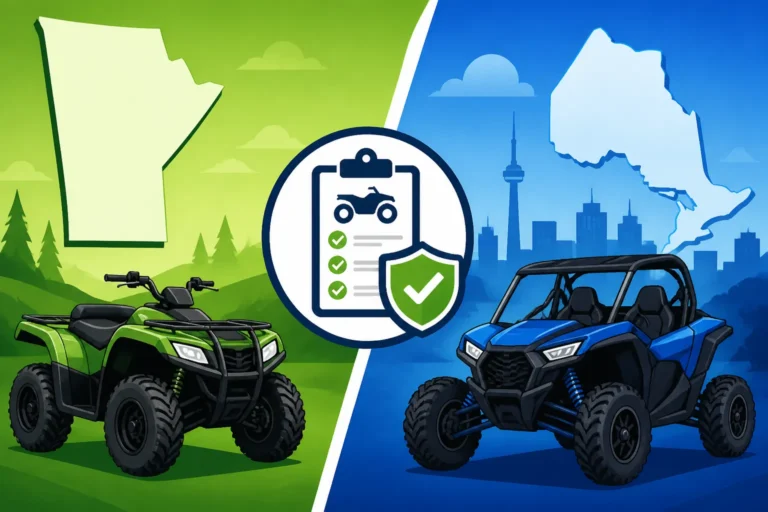
This is another area of frequent confusion. Many provinces, like Ontario, have a dedicated "trail pass" system where riders purchase a permit specifically to access and use designated provincial trail networks. Manitoba does things differently. The $25 trails fee is not a traditional trail pass. You do not receive a separate sticker or card that grants you access to specific trails because of this fee.
Instead, think of it as a surcharge on your general ORV registration that goes towards the overall support of the ORV ecosystem, including trail development and maintenance. It's a system designed to spread the cost among all registered ORV owners rather than relying on an opt-in pass system. This means [Manitoba Has No ATV Trail Pass] in the way some other jurisdictions do. The registration, which includes this fee, simply makes your machine legal to operate where permitted, and the fee itself contributes to the broader infrastructure. If you want to ride specific club trails, you might still need to purchase a membership from that particular club, which often includes their own local fees or volunteer requirements, separate from the provincial trails fee.
What Happens If I Don't Pay It?
Given that the $25 trails fee is an integral and mandatory part of the ORV registration process in Manitoba, the simple answer is: you cannot register your machine without paying it. If you attempt to register your ATV or UTV with MPI, that $25 will be automatically included in your total registration cost.
If you somehow managed to get a machine on the trails or public land without registration (which would mean without paying the trails fee), you would be operating an unregistered off-road vehicle. This carries significant legal consequences, including fines and potential impoundment of your machine. An unregistered ORV also means you lack the basic liability insurance that comes with Manitoba registration, leaving you highly exposed in case of an accident.
In essence, paying the $25 trails fee isn't an option; it's a requirement to legally register and operate your ORV in Manitoba. It's simply built into the overall cost of ownership, and it’s one of the reasons [Why Manitoba Adds $25 to Every ORV Registration] for every ORV owner.
The Long-Term Vision: A Sustainable Future for Manitoba ORV Riding
The $25 trails fee, while sometimes a point of contention, represents a fundamental piece of the puzzle in building and maintaining a sustainable future for off-road vehicle enthusiasts in Manitoba. It’s an investment that fosters growth, safety, and environmental responsibility, ensuring that our machines have places to ride for years to come.
Collaboration with ORV Clubs and Associations
A significant portion of the trails fee revenue is channeled into grants and funding opportunities for local ORV clubs and associations across the province. These organizations are the backbone of the Manitoba ORV community. They are often volunteer-driven, dedicating countless hours to:
- Building and Maintaining Trails: Club members are on the ground, clearing paths, building bridges, and placing signage.
- Organizing Events: They host poker runs, group rides, and community gatherings that bring riders together.
- Advocating for Riders: Clubs work with local and provincial governments to ensure rider interests are represented and that access to riding areas is preserved and expanded.
The funds generated by the trails fee provide these clubs with much-needed financial support, supplementing their own fundraising efforts and volunteer hours. This collaborative model empowers them to do more, better, and faster, directly improving the riding experience for their members and the wider public. If you're looking to get involved, explore local groups like those found in [Manitoba ATV Clubs Worth Joining] and see how these funds directly benefit their work.
The Collective Benefit for All Riders
Ultimately, the $25 trails fee is about collective responsibility and collective benefit. While it might be easy to feel like you’re paying for something you don't directly use, the reality is that the entire ORV community benefits from a well-funded, well-maintained, and well-managed system.
- Improved Safety: Better trails, clearer signage, and educational programs lead to fewer accidents and a safer environment for everyone.
- Expanded Access: Funds can lead to the development of new trails and riding areas, offering more choices for adventure.
- Environmental Preservation: By supporting remediation and sustainable practices, the fee helps ensure that our natural spaces remain beautiful and open for riding.
- Stronger Community: When clubs are supported, they can foster a more vibrant and engaged riding community.
Even if you exclusively ride on private property, having a robust network of well-maintained public trails helps to spread out rider traffic, reduces pressure on private landowners, and elevates the overall reputation of ORV riding in the province. It's a small annual contribution that, when pooled together, makes a massive difference, directly fulfilling the purpose of [Where Manitoba's Off-Road Trails Fee Actually Goes]. This ensures that whether you're a casual rider or a dedicated trail explorer, the ORV landscape in Manitoba is continually improving for us all.
Manitoba ORV Trails Fee: Quick Facts
Here's a quick overview of the key aspects of Manitoba's mandatory ORV trails fee:
| Feature | Description |
|---|---|
| Amount | $25 per off-road vehicle (ATV, UTV, dirt bike, snowmobile, etc.) |
| Collection Method | Collected automatically by MPI during the annual ORV registration process. |
| Mandatory | Yes, it is a non-optional component of ORV registration. You cannot register without paying it. |
| Purpose | Funds trail development, maintenance, safety education, and environmental remediation related to ORV use in Manitoba. |
| Refundable | No, the fee is generally non-refundable, even if you sell your machine mid-year or don't use designated trails. This is covered under [Manitoba Trails Fee Is Non-Refundable]. |
| Exemptions | Few, primarily tied to specific registration exemptions (e.g., certain farm use entirely on private land, specific remote community rules) as described in [Manitoba Registration Exemptions Explained]. |
| Direct Benefits | Supports local ORV clubs through grants, contributes to signage, bridge repairs, trail clearing, and rider education across the province. |
| Is it a "Trail Pass"? | No, it is a registration surcharge, not a specific pass for individual trails or trail networks like in some other provinces. |
Disclaimer
This article is for general informational purposes only and does not constitute professional advice. Laws, prices and regulations vary by location and change over time. Consult a qualified professional for guidance on your specific situation.