Parents Sign for Owners Aged 16 to 18
Picture this: your teenager has finally saved up enough money, found the perfect ATV or UTV, and is absolutely buzzing to get it registered and hit the trails. It's a huge milestone for them, but for you, the parent, it can feel like navigating a maze of paperwork and rules, especially when it comes to the legalities of a minor owning an off-road vehicle in Manitoba. The provincial guidelines can be a bit confusing, leaving many parents wondering exactly what their role is and what signatures are truly necessary. This guide is here to untangle all that, walking you through the specific requirements for parents to sign for owners aged 16 to 18, ensuring a smooth registration process for your young rider.
Understanding Manitoba's Age Requirements for ORV Ownership
It's exciting when a young person shows responsibility and passion for off-road riding, but Manitoba has some clear rules about who can own and operate an off-road vehicle (ORV). These rules are in place to ensure safety and accountability, and they definitely come into play when a rider is still legally considered a minor. Many parents find themselves scratching their heads, trying to figure out where their responsibilities begin and end, especially when their child is on the cusp of adulthood.
The Legal Age for Ownership vs. Operation
One of the most common points of confusion for families is the distinction between who can own an ORV and who can operate one. In Manitoba, an individual can technically own an ORV from the age of 16. However, "owning" it on paper for registration purposes is where the nuances come in. While a 16-year-old can be listed as the owner, the province requires parental or guardian consent for the registration process itself. This means that while your teenager might have paid for the machine with their hard-earned cash, you'll still be stepping in to make that registration official.
This often leads to a bit of a chicken-and-egg situation. Your teen feels like they're fully independent because they've acquired the machine, but the government's rules bring the parents back into the picture. It's not about doubting your child's capability, but rather a legal safeguard recognizing that a 16 or 17-year-old is still a minor with limited legal capacity for certain transactions. The province wants to ensure there's a responsible adult involved in the formal recognition of ownership and the associated responsibilities.
Why Parental Consent is Crucial for Young Owners
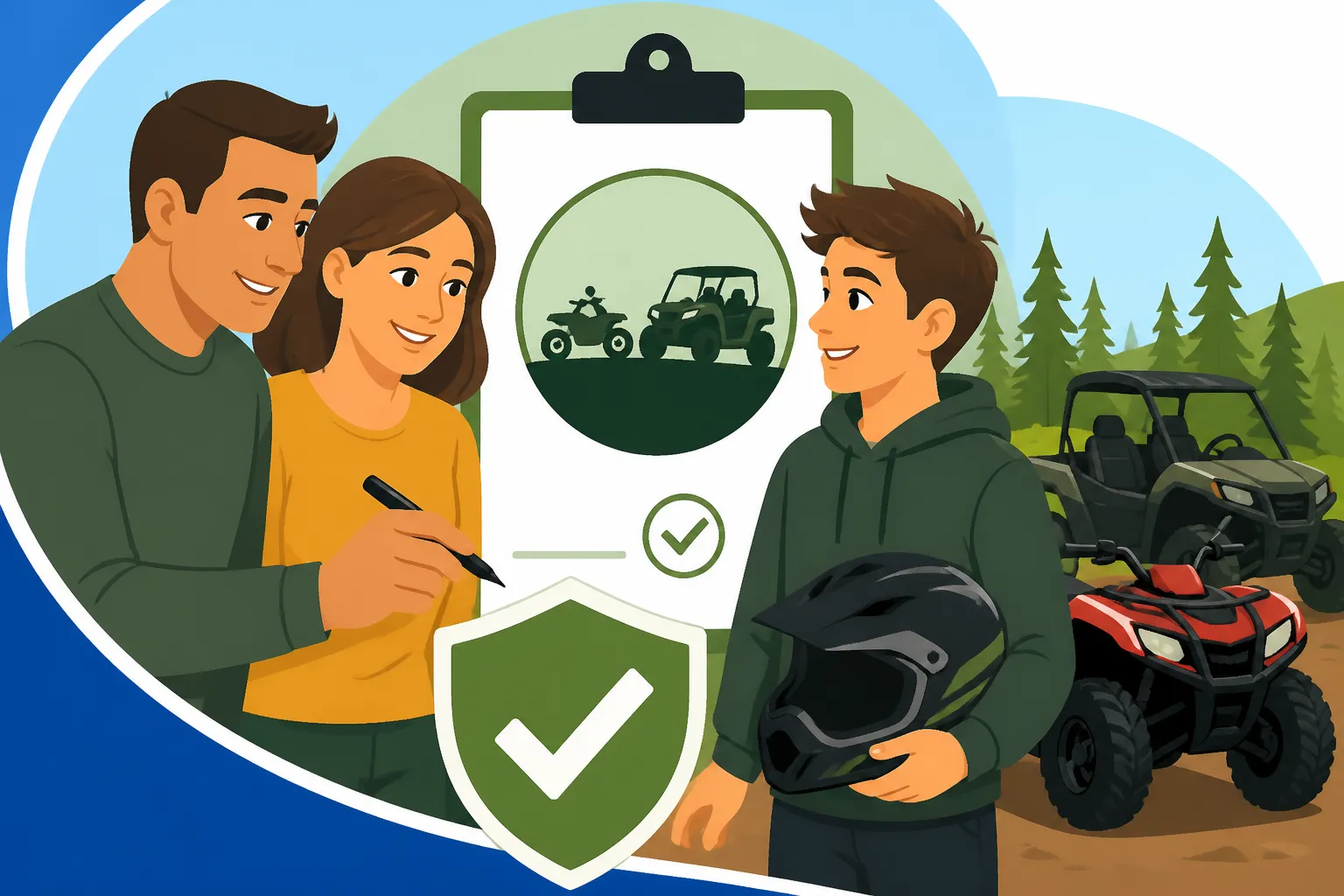
Parental consent isn't just an arbitrary hurdle; it's a critical legal step that places a layer of adult responsibility over the ownership of a minor. When you, as a parent or legal guardian, sign off on the registration for your 16 or 17-year-old, you're not just initialing a form; you're acknowledging a significant legal and often financial commitment. This consent helps to ensure that there is an adult who understands the implications of ORV ownership, including potential liabilities and the need for proper insurance.
Think of it this way: if your child, as a minor, were to be involved in an accident with their ORV, the legal and financial ramifications could easily extend to you as their parent. Your signature on the registration form helps establish this connection and ensures that an adult is aware of the responsibilities that come with a powerful piece of machinery. It’s about protecting everyone involved—the young rider, other trail users, and even your family's assets. It's a validation that you, the adult, are aware and supportive of this venture, and are prepared for the obligations that come with it.
Proof of Age and Identity at Registration
When you head to an Autopac agent to register an ORV for a 16 or 17-year-old, you'll need more than just the machine's paperwork. Both the parent (or legal guardian) and the young owner will need to provide valid proof of identity and age. This isn't just a formality; it's how the Autopac agent verifies who everyone is and that the age requirements are met. Imagine the frustration of getting all the way to the counter only to realize you forgot a crucial document!
Typically, this means bringing a birth certificate for the young owner, along with a valid form of government-issued photo identification for both parties. For instance, a driver's license or a Manitoba Identification Card would work for identification. The birth certificate directly confirms the owner's age, which is paramount for validating the need for parental consent. Make sure all documents are originals or certified true copies, as photocopies usually won't be accepted. Having all this squared away before you even walk through the door will save you a lot of time and potential headaches. For more on what to bring, you can look into [Bringing a Birth Certificate to Prove Your Age].
The Parental Consent Process for ATV & UTV Registration
The thought of government paperwork can often make people sigh, but understanding the steps for parental consent in ORV registration can make it surprisingly straightforward. It's really about knowing who needs to sign, what documents to have ready, and where to go for help. Don't let the administrative side dampen the excitement of getting your young rider out on the trails.
Who Needs to Sign and Where
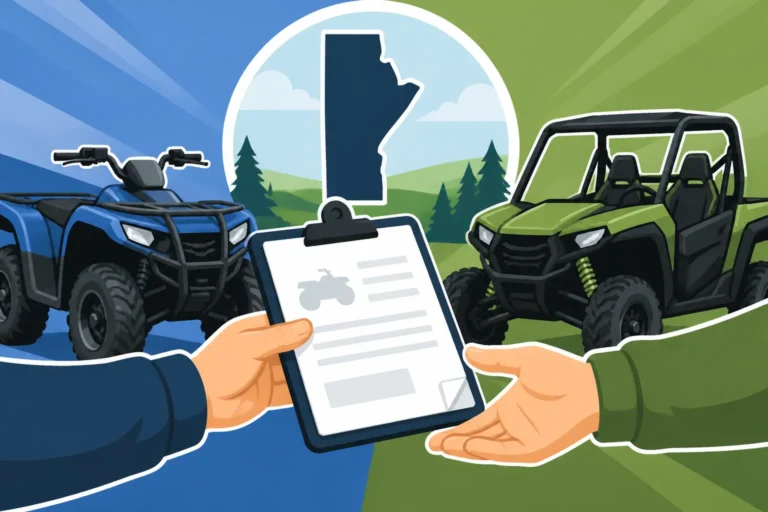
For a 16 or 17-year-old ORV owner, the key is the signature of a parent or legal guardian. This signature isn't just an arbitrary line on a form; it's typically required on the official registration application document itself. The Manitoba Public Insurance (MPI) registration form will have a specific section designated for parental or guardian consent when the applicant is a minor. It's essential that the parent or legal guardian who attends the registration appointment is the one signing this document.
What if there are two parents, or a legal guardian is involved? Generally, one parent or legal guardian's signature is sufficient, as long as they have the legal authority to grant consent. If there's any doubt or unique family circumstances, it's always best to confirm with an Autopac agent beforehand to avoid any last-minute surprises. They can guide you on the specific requirements for your situation. The goal is to ensure that a legally responsible adult is formally acknowledging the minor's ownership and the associated responsibilities.
Preparing the Necessary Documents for Consent
Beyond the proof of identity and age, there are other crucial documents you'll need to gather to ensure the parental consent process goes smoothly. The most important document is the proof of ownership for the ORV itself, typically a bill of sale. This document not only proves that the machine belongs to your young rider but also verifies details like the Vehicle Identification Number (VIN), make, model, and purchase price, which is essential for calculating any applicable taxes.
If the machine was a gift, or if it's an older model without a traditional bill of sale, you might need to prepare a sworn statement of ownership. Services like LawDepot offer templates for various legal documents, including bills of sale or affidavits of ownership, which can be incredibly helpful for ensuring all necessary details are captured correctly and legally. Having a clear, detailed bill of sale or a properly executed affidavit is vital. Without it, you won't be able to register the machine, even with all the other consent forms in place. Make sure to double-check that the VIN on the machine matches the paperwork exactly. If you're dealing with a situation where there's no bill of sale, it can be a bit more complicated, so getting that sorted first is key. You can find more specific guidance on this in [Manitoba Registration Without a Bill of Sale].
The Role of an Autopac Agent in the Process
Think of your Autopac agent as your guide through the registration process. They're not just there to process forms; they're equipped to answer your questions, verify documents, and ensure that all legal requirements, including parental consent, are met. When you bring your 16 or 17-year-old and all your documents to an Autopac agent, their role is to facilitate the transaction and ensure compliance with provincial regulations.
They will review the bill of sale, check the VIN, confirm the identities of both the parent and the young owner, and witness the parental consent signature. They'll also explain the various fees involved, including the registration fee and the mandatory [Manitoba's Off-Road Trails Fee Explained]. Don't hesitate to ask them any questions you might have about the process, liability, or future steps. They are a valuable resource and can clarify any lingering doubts. Showing up organized and ready will make their job—and your experience—much easier. For more insights on how these agents can help, check out [Manitoba Autopac Agents and ORV Registration].
Navigating Joint Ownership and Liability
Getting an ORV registered for a young person involves more than just a signature; it brings up important considerations about who is ultimately responsible for the machine and any incidents that might occur. This is particularly true when considering scenarios where parents might co-own the machine or when a minor is operating it. Understanding these aspects is crucial for both protection and peace of mind.
When Parents and Youth Co-Own the Machine
Some families opt for joint ownership, where both the parent and the young rider are listed on the registration. This can be a strategic move, especially if the ORV is a shared family asset or if you want to maintain a more direct hand in the machine's legal standing. Listing both names on the registration means that both parties have legal ownership, and consequently, share in the responsibilities that come with it.
Joint ownership can simplify things down the road when the young owner turns 18, as the transfer of full ownership to them can be a more straightforward administrative process. However, it also means that both owners are legally responsible for the machine. This can have implications for insurance, sale, or in the unfortunate event of an accident. It's a decision that should be discussed thoroughly within the family, weighing the benefits of shared responsibility against the potential complexities. For more information on this, you can refer to [Manitoba Registration With Two Owners].
Understanding Parental Liability for a Minor's Machine
This is a really important one for parents. Even if your 16 or 17-year-old is the sole registered owner (with your consent), as their parent or legal guardian, you still bear a significant degree of liability for their actions while operating the ORV. This isn't to scare you, but to highlight the seriousness of the consent you're providing. If your child causes an accident resulting in injury or property damage, you could be held financially and legally responsible.
Manitoba's basic ORV registration includes third-party liability coverage, which helps cover damages or injuries your child might cause to others or their property. However, this base coverage has limits, and it doesn't cover injuries to your child or damage to their own machine. This is why conversations about responsible riding, safety courses, and adequate insurance are paramount. Your liability underscores the importance of not just signing the form, but also actively supervising and educating your young rider. Knowing the full scope of [Manitoba's Liability Coverage Requirement] is crucial for every parent.
Insurance Considerations for Young Owners
While the basic registration for an ORV in Manitoba includes some third-party liability coverage, it's absolutely vital for parents to understand its limitations. This basic coverage helps protect you if your child accidentally injures someone else or damages their property while riding. However, it typically does not cover medical expenses for your child if they are injured, nor does it cover damage to the ORV itself, or theft. This can be a huge shock for families who assume "registered and insured" means fully covered for all eventualities.
As a parent, you'll want to seriously consider extending this coverage. Options like "All Perils" or "Collision" coverage can protect the machine from damage, and "Specified Perils" often covers theft and fire. Most importantly, looking into "Accident Benefits" is highly recommended to provide coverage for your child's medical expenses if they are injured in a riding incident. While no law requires these additional coverages, they offer a much stronger financial safety net. Speaking with an Autopac agent or an independent insurance broker can help you understand all the options available and tailor a policy that truly protects your family. Don't overlook this critical step; it's often the difference between a minor inconvenience and a major financial hardship. It's important to remember that [Manitoba Insurance Included With Registration] is quite basic, so exploring further options is often wise. You can learn more about specific requirements in [Manitoba ATV Insurance Requirements].
Here's a quick comparison of what's generally required at different age ranges for ORV ownership in Manitoba:
| Age Range | Ownership Status | Registration Requirement | Parental Consent Required? | ID Required for Rider | Key Considerations |
|---|---|---|---|---|---|
| Under 16 | Cannot be registered owner | No | N/A | N/A | Cannot be legally registered in their name. |
| 16 – 17 Years Old | Can be registered owner | Yes | Yes, from parent/guardian | Birth Certificate, Photo ID | Parent assumes significant liability; consider co-ownership. |
| 18 Years Old & Up | Can be registered owner | Yes | No | Photo ID | Full legal and financial responsibility for the owner. |
Beyond Registration: Ongoing Responsibilities and Best Practices
Getting the ATV or UTV registered is a huge first step, but it’s really just the beginning of the journey. For both parents and young riders, there are ongoing responsibilities and best practices that ensure not only continued compliance with the law but also safe and enjoyable experiences for years to come. It’s about cultivating a mindset of responsibility long after the paperwork is filed.
Transferring Ownership When They Turn 18
That day will come when your young rider officially crosses the threshold into adulthood at 18. At this point, the need for parental consent for registration officially ends. If you've been a co-owner, or if you simply wish for your now-adult child to take on full, sole legal ownership of the machine, you'll need to go through a formal transfer of ownership. This is a fairly straightforward process, but it does require another visit to an Autopac agent.
You'll complete a transfer of ownership form, typically found on the reverse side of the existing registration certificate, which you and your child will both sign. The agent will then process the change, removing your name if you were a co-owner, and issuing a new registration certificate solely in your child's name. This transition marks an important step in their independence as an ORV owner. It’s a good idea to discuss this ahead of time, so both of you know what to expect and what documents to bring. For detailed steps on this, refer to [Manitoba Transfer of Ownership Steps] and [Manitoba Transfer of Ownership Rules].
Maintaining Registration and Addressing Changes
Registration isn't a one-time thing; it's an ongoing commitment. In Manitoba, ORV registration generally renews annually, often aligning with your existing Autopac policy if you have one. It's easy to overlook, especially during busy times, but letting registration lapse can lead to fines and legal issues if your child is caught riding an unregistered machine. You'll typically receive a renewal notice from MPI, so keep an eye out for it. [Manitoba ATV Registration Renewal] offers more detail on how this process works.
Beyond renewal, there are other administrative tasks to keep in mind. If your family moves, you'll need to update your address with MPI within 15 days, which can be done through an Autopac agent. [Manitoba Address Changes Within 15 Days] provides specific information on this requirement. What if the registration card gets lost or damaged on the trail? You'll need to apply for a replacement plate and registration card. Taking care of these small but important details ensures that your young rider is always legally covered when they head out for a ride. Getting a [Manitoba Plate Replacement If Lost] is not a huge deal, but it's important to do promptly.
Educating Young Riders on Safe and Legal Operation
The paperwork is done, the machine is registered, and your young rider is eager to go. But perhaps the most important "best practice" is continuous education and reinforcement of safe and legal operating practices. This goes beyond just knowing how to operate the machine; it includes understanding all the provincial rules of the road (or, more accurately, the rules off the road!).
This means ensuring they know the [Manitoba ATV Helmet Law] and always wear an approved helmet. It means understanding where they can and cannot ride, including rules around [Manitoba Ditch Riding Rules], crossing highways, and restrictions near dwellings or playgrounds. While safety courses aren't mandatory in Manitoba, they are highly recommended. Many organizations offer ORV safety training that covers everything from basic controls to emergency procedures and environmental awareness. This investment in their education isn't just about avoiding tickets; it's about fostering responsible riders who respect the land, their machine, and other trail users, ensuring they can enjoy their ORV adventures safely for years to come.
Disclaimer
This article is for general informational purposes only and does not constitute professional advice. Laws, prices and regulations vary by location and change over time. Consult a qualified professional for guidance on your specific situation.