Manitoba Autopac Agents and ORV Registration
Navigating the world of off-road vehicle (ORV) registration in Manitoba can feel a bit like wading through thick muskeg – confusing, slow, and sometimes you just don't know which way to turn. Many riders get frustrated trying to figure out what documents they need, where to go, and who can actually help them get their ATV, UTV, or snowmobile legally on the trails. This comprehensive guide is here to untangle the process, focusing on how your local Autopac agent is your most valuable resource for smooth ORV registration.
The Essential Role of Autopac Agents in ORV Registration
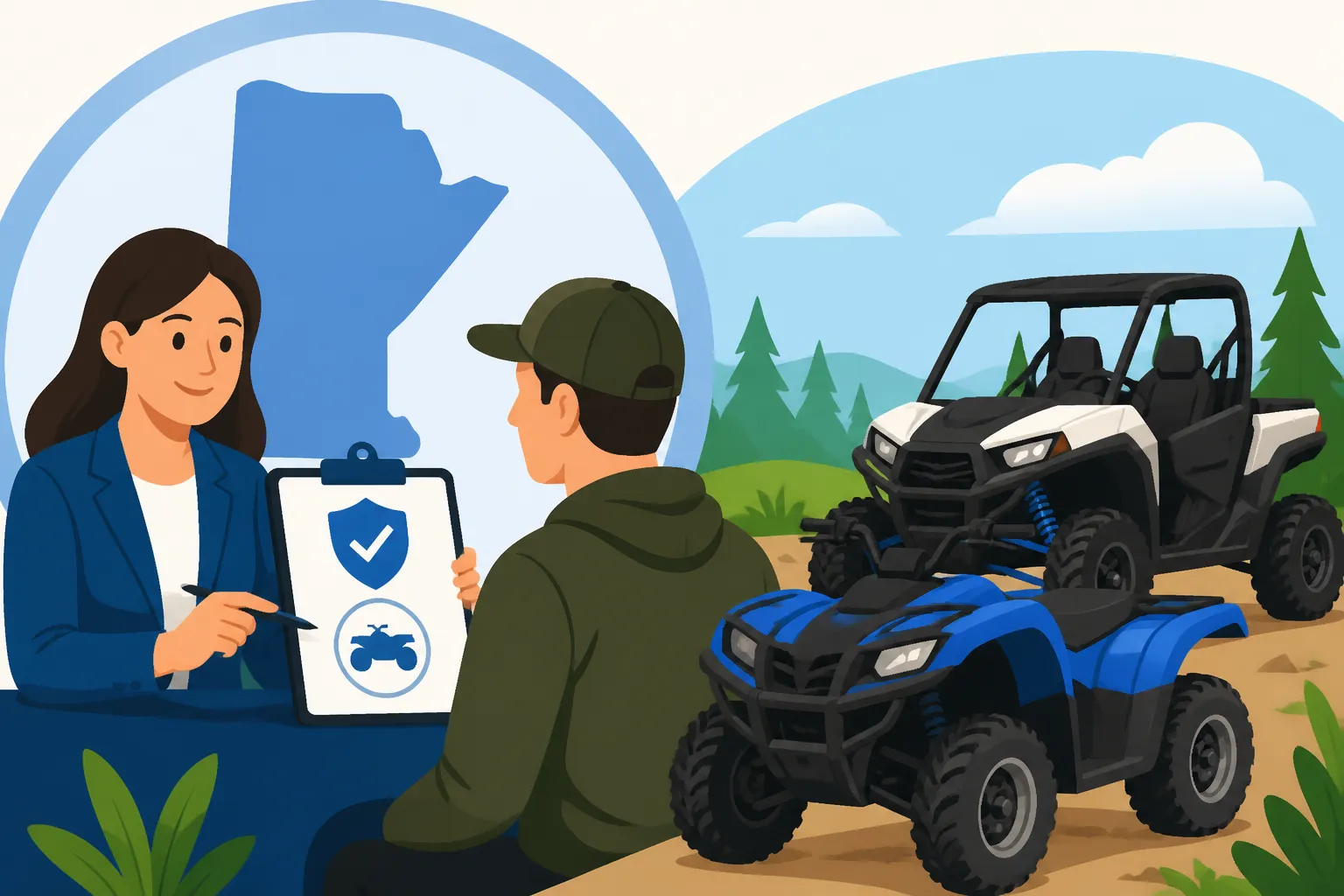
When it comes to getting your ORV registered in Manitoba, your local Autopac agent isn't just a friendly face – they are the gateway to compliance. Unlike other provinces where you might deal with different government departments for registration and insurance, Manitoba Public Insurance (MPI) handles it all through its extensive network of independent Autopac agents. These agents are fully equipped and trained to guide you through every step of the process, from initial registration to renewals and transfers.
Your Go-To Resource for MPI Services
Think of your Autopac agent as your personal concierge for all things related to your ORV's legal standing in Manitoba. They are the authorized representatives of MPI, meaning they can perform all the necessary transactions. This centralized approach is designed to make life a bit easier for Manitoban riders, even if it sometimes feels like there's a lot of paperwork involved. They're not just order-takers; they're problem-solvers who can explain the nuances of the Off-Road Vehicles Act.
Many riders initially assume they need to visit a specific government office or that the process is purely online. While some information is available digitally, the actual transactional work – submitting documents, paying fees, and receiving your plate and registration card – almost always happens through an Autopac agent. They have the systems in place to verify your ownership, collect the provincial sales tax (RST), calculate the required fees, and issue your official documents right then and there. This convenience means you can often walk out with everything you need, ready to hit the trails, assuming your paperwork is in order.
Why You Can't Bypass the Agent
It might seem tempting to try and navigate the registration process entirely on your own, especially if you're a seasoned ORV owner. However, for initial registration and many transfers, you simply can't bypass an Autopac agent. They are the only ones authorized to input your vehicle's details into the MPI system, verify your identity, process the financial transactions, and ultimately hand you your physical registration card and plate. Without their involvement, your machine remains unregistered and therefore illegal to operate on public lands, trails, or ditches.
Even for renewals, while some might be eligible for online renewal if no changes are needed, many riders still find it reassuring to visit their agent. This is especially true if you have questions about your coverage, want to make adjustments to your policy, or need to address any changes to your personal information or the machine's details. The agent can provide peace of mind that everything is correctly updated in the system, preventing any unwelcome surprises down the line if you're ever stopped by an officer.
Preparing for Your Autopac Visit
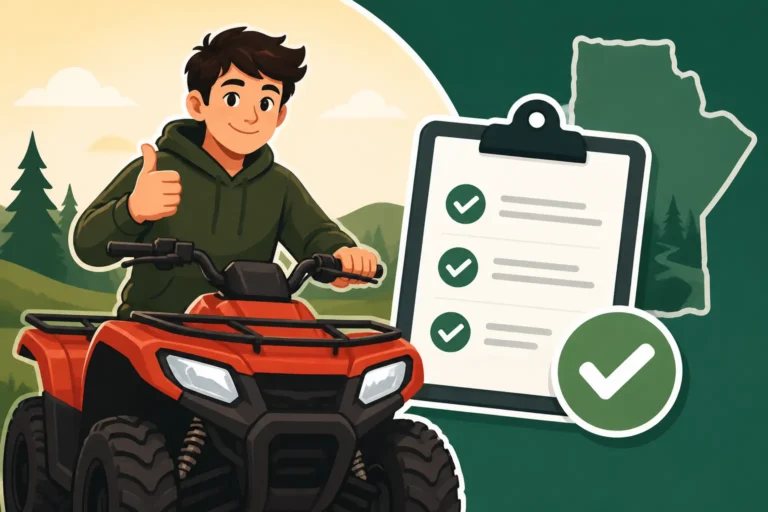
Before you head out the door with your documents, it's worth taking a moment to ensure you're fully prepared for your visit to the Autopac agent. Walking in with everything you need can save you a frustrating trip back home and speed up the entire registration process. It’s all about having your ducks in a row.
Documents You'll Need for Registration
The specific documents required will vary slightly depending on whether you're registering a brand-new machine, a used one, or one you've brought in from outside the province. However, some core items are almost universally needed. Always call ahead to your agent if you have any doubts, but generally, be ready with:
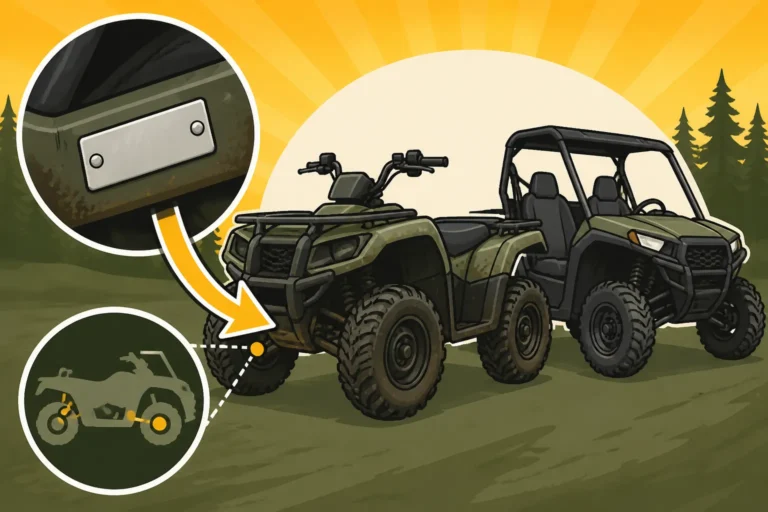
- Proof of Ownership: This is paramount. For a new machine, it's typically the Manufacturer's Statement of Origin (MSO) or a New Vehicle Information Statement (NVIS). For a used machine, it's usually a bill of sale or a transfer of ownership form signed by the previous owner. Make sure it clearly states the vehicle identification number (VIN), make, model, year, and the sale price. Without proper proof, you won't be able to register. You can learn more about this in [Manitoba Registration Without a Bill of Sale] and [Manitoba Machines With No Paperwork].
- Proof of Identity: A valid Manitoba driver's license or another government-issued photo ID is essential. This confirms who you are and that you're eligible to register a vehicle in the province.
- Proof of Age: If you're 16 or 17, you'll need parental consent to register an ORV. Bringing a birth certificate or another document proving your age can also be helpful. For more details, see [Manitoba Parental Consent From 16 to 18].
- Method of Payment: Be prepared to pay for the registration fees, the annual trails fee, and any applicable provincial sales tax (RST). Agents accept various payment methods, but it's always good to confirm beforehand.
It’s worth noting that if you're buying from a private seller, a comprehensive bill of sale is not just good practice but often a requirement for registration. If you're unsure how to draft one, resources like LawDepot can provide customizable templates that ensure all the necessary information, like the VIN and purchase price, is included, making your registration process much smoother.
What to Expect During Your Appointment
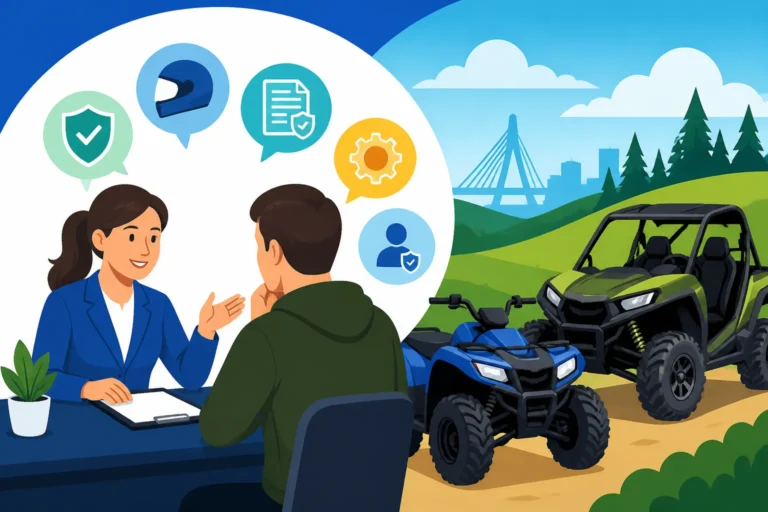
When you arrive at the Autopac agent's office, you'll typically be greeted by a representative who will guide you through the process. They'll review your documents, enter the machine's details into the MPI system, and confirm your personal information. This is also where they'll calculate the registration fees, including the mandatory provincial sales tax (RST) and the annual off-road trails fee. Don't be shy about asking questions! This is your opportunity to clarify anything you're unsure about.
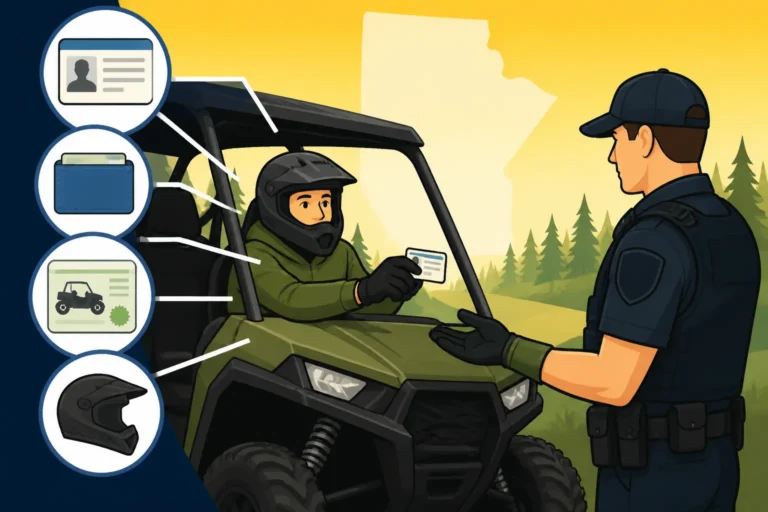
The agent will then process your payment and, once everything is in order, they'll issue your registration certificate and your ORV license plate. It's a fairly straightforward process when you have all your documents ready. Remember to keep your registration card with you whenever you're riding, as it's required by law. [Carrying Your Registration Card on Every Ride] explains why this is so important.
Once you have your plate and registration, the agent will also explain your basic third-party liability coverage, which is included with your registration. This is also the time to discuss additional insurance options, such as collision, comprehensive, or extended accident benefits, if you want more protection than the basic coverage provides.
Understanding the Registration Process for Different Scenarios
The beauty of having Autopac agents is their ability to handle a wide array of registration scenarios. Whether you're a first-time owner or transferring ownership of a used machine, they're equipped to help.
Registering a Brand-New ORV
If you've just purchased a shiny new ATV or UTV from a dealer, the registration process is usually the most straightforward. The dealer will often provide you with the necessary manufacturer's documentation (like the MSO or NVIS) and may even help you fill out some of the initial paperwork.
When you bring these documents to your Autopac agent, they'll verify the new machine's details, process the provincial sales tax (RST) based on the purchase price, and collect the annual registration fees. This typically includes the base registration fee and the mandatory [Manitoba's Off-Road Trails Fee Explained]. Within minutes, you'll have your plate and registration, ready for mounting. The dealer paperwork usually simplifies things significantly, as they're well-versed in providing the correct forms.
Registering a Used ORV from a Private Sale
This is where many riders encounter their first hurdle. Buying a used ORV from a private seller requires diligent paperwork to ensure a smooth transfer of ownership. The most critical document here is a clear, signed bill of sale that includes:
- The full names and addresses of both the buyer and seller.
- The date of sale.
- A detailed description of the ORV, including its make, model, year, and most importantly, the Vehicle Identification Number (VIN).
- The agreed-upon purchase price.
- Signatures of both parties.
When you take this bill of sale to your Autopac agent, they will use it to transfer ownership in the MPI system. They'll also assess the provincial sales tax (RST) based on the declared sale price or the "book value" of the machine, whichever is higher, to prevent tax evasion. If the previous owner already had a plate, you'll need to get a new one. This ensures that the machine is properly registered in your name, and you can ride legally. More information on this can be found in [Manitoba Transfer of Ownership Rules].
Registering an Out-of-Province ORV
Moving to Manitoba with your ORV, or purchasing one from another province, introduces a few extra steps. While the core process is similar, you'll need to ensure you have proper proof of ownership from the originating jurisdiction. This could be a bill of sale, a certificate of title, or a registration document from the previous province or state.
Your Autopac agent will need to verify the VIN and may require additional documentation to ensure the machine was legally owned and operated elsewhere. They will then process the registration as a new Manitoba ORV, collecting all applicable fees and taxes. It's crucial that all documentation from out-of-province sources is clear and legitimate, as any discrepancies could delay your registration.
Beyond Initial Registration: Other Services Autopac Agents Provide
Your Autopac agent's role extends far beyond just getting your initial plate. They are there to support you throughout your ORV ownership journey, handling everything from routine renewals to unforeseen circumstances.
Renewals and Cancellations
Just like your car insurance, your ORV registration needs to be renewed annually. Thankfully, Autopac agents make this process easy. Typically, you'll receive a renewal notice in the mail or digitally before your registration expires. You can then visit your agent with this notice, or simply your driver's license, and they will process the renewal for another year. This often aligns with your [Manitoba Registration Renews With Your Autopac Policy].
If you sell your ORV, or decide to take it off the trails for an extended period, you'll need to cancel its registration and surrender the plate. Your Autopac agent can handle this as well. They will process the cancellation and inform you if you're eligible for any refund on unexpired portions of your registration or the trails fee, although the trails fee is often non-refundable. [What MPI Refunds When You Sell an ORV] offers more details on these scenarios. It's important to cancel promptly to avoid unnecessary charges and to formally remove your responsibility for the machine.
Transfers and Plate Replacements
If you're selling your registered ORV, your Autopac agent is essential for processing the transfer of ownership to the new buyer. You'll need to complete the transfer section on your registration certificate (often found on the back) and both you and the buyer will need to sign it. The agent then processes this change in the MPI system, removing your name as the registered owner. This protects you from any liability once the machine is no longer yours.
Accidents happen, and sometimes plates get lost or damaged on the trail. If your ORV plate is lost, stolen, or becomes unreadable, your Autopac agent can issue a replacement. You'll typically need to provide your identity and registration details, and there will be a small fee for the new plate. They understand that off-road adventures can be tough on equipment, so they're prepared to help you get a new plate quickly so you can get back to riding legally. [Manitoba Plate Replacement If Lost] explains the steps involved.
Common Pitfalls and How Autopac Agents Can Help
Even with the best intentions, riders sometimes run into issues with ORV registration. Knowing these common problems can help you avoid them, and your Autopac agent is usually the best person to turn to when things go sideways.
Missing or Incomplete Paperwork
One of the biggest headaches for both riders and agents is incomplete or missing paperwork. This can range from a bill of sale that lacks a VIN to an unsigned transfer document. Without the correct and complete documentation, your Autopac agent's hands are tied, and they won't be able to process your registration.
If you find yourself in this situation, don't despair! Your agent can advise you on the specific missing pieces and often suggest ways to rectify the issue. For instance, if you bought a machine years ago and lost the original bill of sale, they might guide you on how MPI can perform a title search if it was previously registered in Manitoba, or advise on statutory declarations for machines with no paperwork. For such situations, having a reliable document management system, perhaps even using templates from LawDepot for any agreements or declarations needed, can be incredibly helpful.
Incorrect VIN or Machine Details
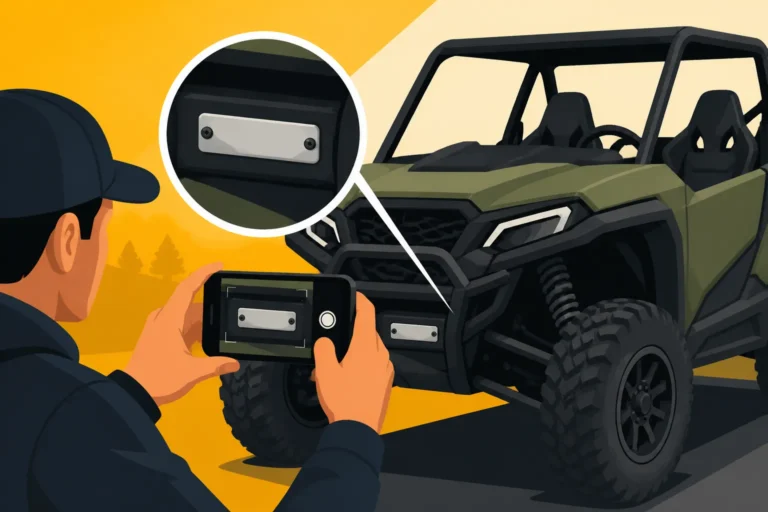
It’s surprisingly common for VINs to be miswritten on bills of sale or for other machine details (like the year or model) to be incorrect. These errors, even minor ones, can halt the registration process because the information entered into the MPI system must exactly match the machine.
Your Autopac agent will always verify the VIN against any documentation you provide. If there's a discrepancy, they'll help you figure out what the correct VIN is, potentially by having you re-check the physical machine or contacting the previous owner or dealer. Getting these details right at the outset saves a lot of hassle later, especially during transfer or if the machine ever needs a police check.
Understanding Costs and Fees
Many riders are sometimes surprised by the total cost of registering an ORV, especially if they haven't factored in the provincial sales tax (RST) on used machines, which is often calculated based on book value rather than the declared sale price if the latter is unusually low.
Your Autopac agent is the best source for a clear breakdown of all costs. They can explain the various fees, including the base registration, the mandatory trails fee, and the RST. Don't hesitate to ask for a full cost estimate before committing to the registration. They can also explain the implications of different insurance choices on your total annual cost, helping you budget effectively for your riding season. For a general overview, you can also look at [Manitoba ORV Registration Cost].
Questions Worth Asking Your Autopac Agent
To make the most of your Autopac visit, come prepared with a list of questions. Here are a few that many riders find helpful:
| Topic | Questions to Ask Your Autopac Agent |
|---|---|
| Initial Registration | What specific documents do I need for my machine (new/used/out-of-province)? |
| How is the provincial sales tax (RST) calculated for my ORV? | |
| What is the total cost including all fees and the trails fee? | |
| Insurance Coverage | What basic liability coverage is included with registration? |
| What optional coverages (e.g., collision, theft, extended accident benefits) are available? | |
| How do deductibles work for ORV insurance? | |
| Transfers & Renewals | What's the process for transferring ownership when I sell my ORV? |
| What happens if I want to cancel my registration? Am I eligible for a refund? | |
| When does my ORV registration renew, and how will I be notified? | |
| Plate & Documents | What do I do if my ORV plate is lost, stolen, or damaged? |
| Is there a digital version of my registration I can carry, or must it be physical? | |
| Rules & Regulations | Are there any specific age restrictions for operating certain ORVs in Manitoba? |
| What are the basic requirements for helmet use? | |
| Where can I find information on legal riding areas and trail rules? |
Asking these questions upfront ensures you leave the Autopac office not just with a registered ORV, but with a clear understanding of your responsibilities and options. They are a treasure trove of information, and using their expertise can save you a lot of guesswork and potential fines down the road. [Questions Worth Asking an Autopac Agent] is another great resource for preparing for these conversations.
Disclaimer
This article is for general informational purposes only and does not constitute professional advice. Laws, prices and regulations vary by location and change over time. Consult a qualified professional for guidance on your specific situation.