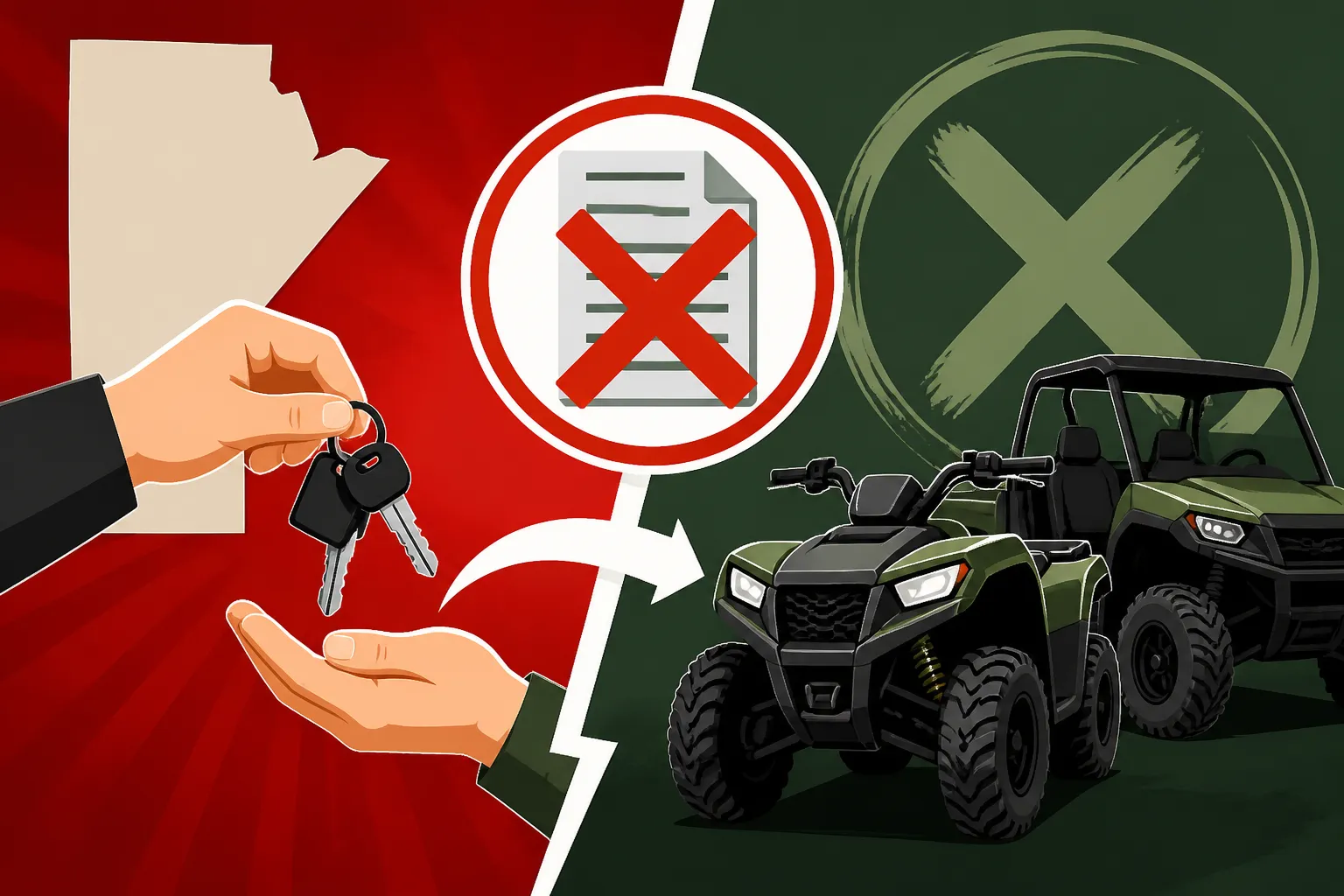
Manitoba Transfer Ends Your Registration
It's a common misconception that when you sell your off-road vehicle (ORV) in Manitoba, the registration simply "goes with it" to the new owner. Many riders find out the hard way that this isn't the case, leading to confusion and even potential liability issues. This guide will thoroughly explain why and how your Manitoba ORV registration actually ends the moment you transfer ownership, detailing the steps you need to take and what the new owner must do.
The Immediate Impact: How Selling Your ORV Ends Your Registration
When you decide to part ways with your beloved ATV or UTV in Manitoba, whether it’s a nimble quad that’s seen countless bush trails or a robust side-by-side that’s hauled its share of gear, many people assume the registration just transfers right along with the machine. This couldn't be further from the truth. In Manitoba, your ORV registration is tied directly to you, the owner, not the machine itself. The moment you transfer ownership, your existing registration for that specific ORV is no longer valid. It's a clean break, and understanding this is the first crucial step in a smooth sale.
Your Registration is Personal, Not Perpetual
Think of it like your driver's license; it identifies you, not the car you drive. Similarly, your ORV registration confirms your legal right to operate that particular machine in Manitoba. When you sell the ORV, you're not just handing over the keys; you're ending your legal association with its registration. This is vital because it means the new owner cannot simply continue riding on your old registration. They must obtain a brand-new registration in their name. This process ensures that Manitoba Public Insurance (MPI), which handles ORV registration, always knows who is legally responsible for each machine on the trails and in the bush.
Imagine you sell your quad to a friend. If they were to continue riding on your registration, any incident involving the ORV, even a parking ticket or a more serious accident, could potentially trace back to you. This is why the system is set up to terminate your registration upon sale. It’s a mechanism designed to protect both the seller and the buyer by establishing clear lines of responsibility. For a deeper dive into these requirements, check out [Manitoba ORV Registration Through MPI].
Why Immediate Cancellation Protects You from Liability
Failing to properly end your registration can expose you to unnecessary risks. Once you've sold an ORV, you no longer have control over how it's operated. If the new owner gets into an accident, engages in reckless riding, or even abandons the machine, and your registration is still technically active, you could find yourself in a difficult position. Authorities might initially link the incident to you, requiring you to prove you no longer own the ORV.
The peace of mind that comes with knowing you've completely severed your legal ties to a sold ORV is invaluable. It removes the lingering worry about what the machine might be doing out there once it's out of your hands. Proper transfer and cancellation protect you from potential fines, legal fees, or even insurance claims that aren't your responsibility. This immediate termination of your registration is a feature, not a bug, of the Manitoba system, safeguarding your interests post-sale.
Navigating the Transfer of Ownership Paperwork
The official transfer of an ORV's ownership in Manitoba might seem like a bureaucratic maze, but it's actually a straightforward process once you understand the key documents and steps. The heart of this process lies in the proper completion and submission of specific paperwork, most notably the transfer section of your registration certificate and a solid bill of sale. Skipping these steps can lead to headaches for both the seller and the buyer, so let's break it down.
The Critical Role of Your Registration Certificate's Transfer Section
Your current ORV registration certificate isn't just proof of your active registration; it's also the official document for transferring ownership. On the back, or sometimes an attached section, you'll find spaces for the seller and buyer to complete. This includes critical information like the sale date, the selling price, the odometer reading (if applicable), and most importantly, both of your signatures. This signed section is the legal declaration that you, the registered owner, are relinquishing ownership to the buyer.
It's paramount that this section is filled out accurately and completely. Any missing information or illegible handwriting could cause delays or issues when the buyer tries to register the machine in their name. Remember, this is the document that formally tells MPI that the ORV has a new custodian. For an understanding of what to do with this important document, refer to [Manitoba Transfer Document Hiding in Your Registration Certificate]. Without this properly executed transfer, the buyer won't be able to establish their ownership, and you might remain on record as the owner, even after the sale.
Crafting a Clear Bill of Sale for Private Transactions
While the transfer section on the registration certificate is official, a comprehensive bill of sale is your best friend, especially in a private sale between individuals. This document serves as a detailed receipt and a contract outlining the terms of the sale. It should include the full names and addresses of both buyer and seller, the date of sale, a clear description of the ORV (make, model, year, VIN), the selling price, and a statement that the machine is sold "as is, where is," if that's the agreement. Signatures from both parties are essential.
Using a well-structured bill of sale can prevent future disputes. For instance, if there's a disagreement later about the condition of the ORV at the time of sale, a detailed bill of sale provides a written record. You can find reliable, legally sound templates for a bill of sale through services like LawDepot, which help ensure you cover all necessary bases for a smooth transaction. This added layer of documentation protects both parties and provides clarity beyond the basic transfer on the registration certificate. If you're buying, a good bill of sale is crucial, especially if you need to know [Manitoba Registration Without a Bill of Sale].
Your Trip to an Autopac Agent: Finalizing the Process
As the seller, once you've completed the transfer section of the registration certificate and have a signed bill of sale, your next step is to inform MPI. While the buyer will eventually take the documents to register the ORV in their name, you, as the seller, have the responsibility to officially surrender the old plate and effectively cancel your registration for that specific ORV. This is typically done by visiting an Autopac agent.
At the Autopac agent, you'll present the completed transfer document and usually the ORV's license plate. The agent will process the cancellation of your registration, which is the official act that ends your legal ties to that machine. This action is critical for stopping any further insurance premiums or fees associated with that specific ORV under your name. It's a simple, quick step that provides immense peace of mind. To know more about the agents handling this process, consult [Manitoba Autopac Agents and ORV Registration].
What Happens to Your Trails Fee and Insurance When You Sell?
Selling your ORV isn't just about handing over the machine and the paperwork; it also brings up questions about the associated costs you've already paid. Many riders wonder what happens to the trails fee they paid and the insurance coverage that was bundled with their registration. Understanding these aspects will help you manage your finances and ensure no surprises pop up after the sale.
The Non-Refundable Nature of the Trails Fee
Since April 2024, every ORV registration in Manitoba includes a trails fee. This fee is a contribution towards the maintenance and development of ORV trails across the province, as well as rider education and land rehabilitation. It’s an essential part of keeping Manitoba’s riding areas enjoyable and sustainable. However, when you sell your ORV and cancel its registration, this trails fee is generally non-refundable.
This means that even if you sell your machine halfway through your registration year, you won't get a portion of that $25 fee back. The province views it as a charge for the period it covered, regardless of how long you actually owned or used the ORV within that period. It's a small but important detail to remember when budgeting for the sale. For a complete understanding, see [Manitoba Trails Fee Is Non-Refundable]. While it might seem unfair to some, the funds are immediately put to work for the greater ORV community, contributing to the very trails you and others enjoy.
Your Insurance Coverage Ends with Registration
Just like your registration, the basic insurance coverage that comes with it is tied to your ownership of the ORV. [Manitoba Insurance Included With Registration] confirms that this basic third-party liability coverage ceases the moment your registration for that ORV is cancelled. This is another reason why it’s so important for you to formally notify MPI and cancel your registration promptly after a sale.
If you had additional coverage, such as collision or comprehensive insurance, through MPI or a private insurer, those policies will also need to be addressed. MPI will typically refund any unused portion of your insurance premiums once your registration is cancelled. However, it's always wise to follow up with your Autopac agent or private insurer to ensure all policies are correctly terminated and any eligible refunds are processed. Don't assume it happens automatically; a quick call or visit can save you from continued charges.
Protecting Yourself as the Seller: Why Cancelling is Crucial
Selling an ORV can be exciting, but the excitement can quickly turn to anxiety if you don't properly sever your ties with the machine. As the seller, your responsibility doesn't end when the money changes hands and the keys are passed over. The most critical step you can take to protect yourself is the formal cancellation of your registration with Manitoba Public Insurance (MPI). This step safeguards you against a host of potential liabilities and ensures a clean break.
Avoiding Post-Sale Liability and Fines
Imagine this scenario: you sell your quad, but in the hustle and bustle, you forget to formally cancel the registration. A month later, the new owner is involved in an incident – maybe they're riding illegally, or worse, cause an accident. Because the machine is still registered in your name, you might be the first person authorities contact. You could be facing inquiries about fines, property damage, or even legal action, all stemming from a machine you no longer own.
By cancelling your registration promptly, you clearly establish that your legal responsibility for that ORV ended on the day of the sale. This documentation from MPI serves as irrefutable proof, protecting you from any liabilities that occur after the transfer of ownership. It's not just about avoiding future fines; it's about preventing the immense stress and legal headaches that can arise from not taking this simple, final step. When you transfer ownership, the responsibility for things like [Manitoba RST Collected at Registration] also shifts.
Stopping Future Insurance Premiums and Fees
Beyond liability, there's a financial incentive to cancel your registration. As long as an ORV is registered in your name, MPI will continue to assess and charge you for its basic insurance coverage, even if the machine is no longer in your possession. You could unknowingly be paying for insurance on a machine that someone else is riding, essentially throwing money away.
A swift cancellation ensures that your account is credited for any unused portion of your insurance premiums, preventing unnecessary financial drains. This small administrative task guarantees that you're not paying for coverage you no longer need or that applies to a machine you no longer own. It’s a smart financial move that complements the legal protection provided by proper cancellation. To correctly surrender your plate and cancel your registration, see [Surrendering a Plate at an Autopac Agent].
The Importance of a Complete Paper Trail
In any transaction, a clear and complete paper trail is your best defense. When selling an ORV, this means having a signed bill of sale and official documentation from MPI confirming the cancellation of your registration. These documents are your evidence should any questions or disputes arise later.
This paper trail isn't just for you; it's also helpful for the buyer. A well-documented sale facilitates their new registration process, making it smoother and faster for them to get on the trails legally. For complex private sales, especially those involving unique terms, a service like LawDepot can provide customizable bill of sale templates that ensure every detail is covered, creating an airtight record for both parties.
Buying a Used ORV: Starting Fresh with Registration
So, you've found the perfect used ATV or UTV in Manitoba! Maybe it's a trusty workhorse for the farm, or a sleek sport model for weekend adventures. Regardless, one of the first things you need to understand as a new owner is that the previous owner's registration ends with the sale. You, as the buyer, must embark on a fresh registration process to legally operate your new machine. This isn't just a suggestion; it's a legal requirement in Manitoba, ensuring the ORV is properly recorded in your name.
Your Responsibility to Obtain New Registration
When you purchase a used ORV, the responsibility to register it in your name falls squarely on your shoulders. You cannot, under any circumstances, simply continue riding with the previous owner's registration or license plate. Doing so would be riding an unregistered machine and could lead to significant fines, impoundment of the ORV, and other legal penalties. It's a bit like buying a house; you don't just move in, you have to formally transfer the title and register it under your name.
The process of registering a used ORV involves taking the necessary documents – typically the completed transfer section of the previous owner's registration certificate and a bill of sale – to an Autopac agent. There, you'll apply for new registration, get a new license plate, and arrange for your own insurance coverage. This ensures that you are the recognized legal owner and that the machine meets all Manitoba's requirements for operation. For specific details on the costs involved, refer to [Manitoba Registration Cost].
What You Need to Bring to Your Autopac Agent
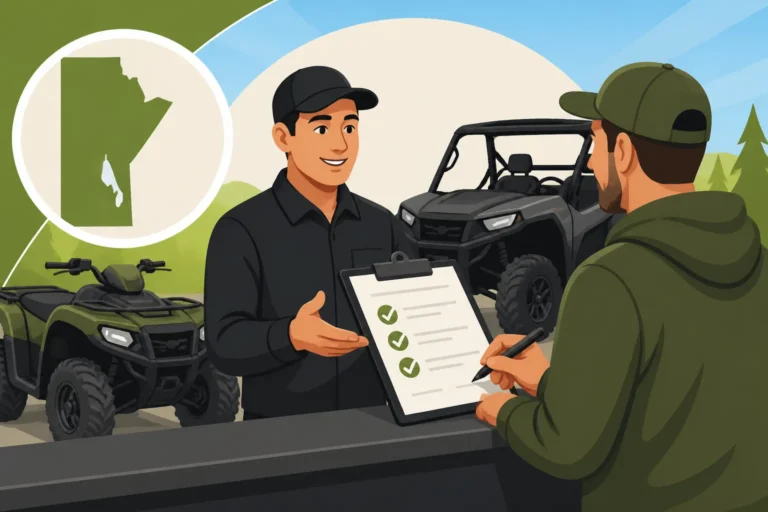
To register your newly acquired used ORV, you'll need a few key pieces of documentation. Being prepared can save you a second trip and get you on the trails faster. Here's a general checklist:
- The previous owner's registration certificate: This is the most crucial document. Ensure the transfer section on the back or attached portion is fully and correctly filled out by the seller, including their signature, the sale date, and the selling price.
- Bill of Sale: While not always strictly required if the transfer section on the registration certificate is perfect, a detailed bill of sale from the seller is highly recommended, especially for private sales. It provides additional proof of purchase and can detail the "as-is" condition or other agreements. Services like LawDepot can help sellers provide professional-grade documents.
- Proof of Identity: Your valid Manitoba driver's license or another form of government-issued photo ID.
- Payment for Fees: Be prepared to pay the registration fee, the non-refundable trails fee, and any applicable Retail Sales Tax (RST) on the purchase price. [Manitoba RST Collected at Registration] applies to used ORVs as well, based on the purchase price or appraised value.
Understanding the MPI Valuation for Tax Purposes
When you purchase a used ORV from a private seller, the Retail Sales Tax (RST) is collected at the time of registration. MPI will typically base this tax on the declared selling price on your bill of sale or the transfer document. However, if the declared selling price is significantly lower than the ORV's market value, MPI may use an established "book value" to calculate the RST. This is to prevent individuals from under-reporting the sale price to avoid taxes.
If the ORV is very old or a unique model not listed in common valuation guides, MPI may require an appraisal to determine its fair market value for tax purposes. It's a system designed to be fair but also to ensure that the province receives its due taxes. Always be transparent about the purchase price to avoid complications or delays in your registration process. If you encounter difficulties, especially with machines that might lack proper paperwork, review [Manitoba Machines With No Paperwork] for guidance.
Common Misconceptions and Transfer Pitfalls
Transferring ownership of an ORV in Manitoba might seem simple enough, but a few common misconceptions and easily overlooked details can turn a smooth process into a frustrating ordeal. Understanding these potential pitfalls from both the buyer's and seller's perspective can help you navigate the process with confidence and avoid unnecessary stress.
The "Plate Stays on the Machine" Myth
One of the most persistent myths is that the ORV's license plate simply stays with the machine when it's sold. This is absolutely incorrect in Manitoba. The license plate, like the registration itself, is tied to the owner and their active registration. When you sell an ORV, you, the seller, are required to remove the license plate.
The buyer will then receive a brand-new license plate when they register the ORV in their name. This ensures that every ORV on Manitoba trails and property is correctly identified with its current legal owner. Failing to remove the plate can lead to confusion and is an indicator that the sale and registration transfer haven't been completed properly. As a seller, remember that [You Get Seven Days to Move a Plate] or surrender it.
Informal Sales and Missing Paperwork
Sometimes, especially in rural areas or between acquaintances, ORV sales can be very informal. A handshake, cash, and a quick transfer of keys might seem sufficient. However, this lack of formal documentation is a major pitfall. Without a proper bill of sale or the completed transfer section of the registration certificate, the buyer will struggle immensely to register the ORV in their name.
MPI needs a clear chain of ownership. If documents are missing or incomplete, the buyer might face delays, additional requirements (like statutory declarations or even appraisals), and significant frustration. As a seller, always provide all necessary paperwork. As a buyer, never accept an ORV without a clear transfer document and a bill of sale. Even for older machines or ones bought at auction, there's a process, so read [Manitoba Registration for an Auction Buy] if that applies.
Not Understanding MPI's Seven-Day Rule for Plates
Manitoba has a specific rule regarding the license plate after a sale. As the seller, you have seven days from the date of the sale to either attach that plate to another ORV you own (if applicable and the transfer rules allow), or surrender it to an Autopac agent. This seven-day window allows for a bit of grace, but it's not an excuse to delay the formal cancellation.
Forgetting this rule can lead to issues. If you simply leave the plate on the sold ORV, or hold onto it indefinitely, it's still technically associated with your account, potentially accruing fees or creating confusion. Always prioritize either re-assigning the plate within seven days or surrendering it.
Your ORV Transfer Checklist
To help you navigate the ORV transfer process in Manitoba, here's a handy checklist outlining the responsibilities for both the seller and the buyer. This should make the process smoother and ensure all legal requirements are met.
| Action | Seller's Responsibility | Buyer's Responsibility |
|---|---|---|
| Complete Transfer Section | Yes, fill out accurately on the registration certificate. | Ensure seller completes this section. |
| Provide Bill of Sale | Yes, generate a detailed one, especially for private sales. | Keep a copy for your records. |
| Remove License Plate | Yes, remove the existing plate from the ORV. | N/A |
| Surrender Plate/Cancel Registration | Yes, visit an Autopac agent within 7 days to surrender plate and cancel. | N/A |
| Obtain New Registration | N/A | Yes, visit an Autopac agent with documents to register. |
| Pay Fees (RST, Registration, Trails) | N/A | Yes, pay all applicable taxes and fees at registration. |
| Secure Insurance | N/A, your old insurance ends. | Yes, arrange new insurance coverage. |
| Keep Records | Yes, keep copies of all sale and cancellation documents. | Yes, keep copies of all purchase and registration documents. |
Conclusion: Ensuring a Clean Break and a Fresh Start
Successfully transferring ownership of an ORV in Manitoba, and understanding that your registration officially ends at that moment, is about much more than just a change of keys. It's about a clean legal break for the seller and a proper, legal fresh start for the buyer. By diligently following the steps outlined in this guide – from accurately completing transfer documents and bills of sale (perhaps even utilizing tools like LawDepot for robust paperwork), to promptly cancelling your registration and surrendering the old plate – you protect yourself from future liabilities and pave the way for a hassle-free experience for the new owner.
Remember, the Manitoba system is designed to ensure clarity of ownership and responsibility. Don't let common myths or informal practices lead you astray. Whether you're selling your trusted machine or excited about a new acquisition, being informed and prepared is your best asset.
Disclaimer
This article is for general informational purposes only and does not constitute professional advice. Laws, prices and regulations vary by location and change over time. Consult a qualified professional for guidance on your specific situation.