Manitoba Classes Covered by the Act
One of the most common sources of confusion for off-road enthusiasts in Manitoba revolves around a simple question: "Is my machine actually considered an off-road vehicle under the law?" With so many different types of machines out there, from classic quads to specialized amphibious vehicles, it's easy to assume your specific ride might be exempt or fall into a grey area. This guide is here to cut through that uncertainty, clarifying precisely which classes of machines are covered by The Off-Road Vehicles Act in Manitoba, helping you understand your obligations as a rider and owner.
The Broad Reach of Manitoba's Off-Road Vehicles Act
Understanding the "Off-Road Vehicle" Label
Many riders, especially newcomers or those with unique machines, might instinctively think the term "off-road vehicle" (ORV) only applies to classic quads or side-by-sides they see on the trails. However, Manitoba's Off-Road Vehicles Act casts a much wider net. The legislation uses a broad, inclusive definition to ensure a consistent approach to safety, environmental protection, and regulation across a diverse array of machines designed primarily for non-highway use. It’s a common pitfall to assume your specific ride falls outside this definition, only to discover otherwise when encountering an enforcement officer. This comprehensive approach by the province ultimately benefits all who enjoy Manitoba's vast natural landscapes by promoting responsible riding.
Why Official Classification Matters to You
The way your machine is officially classified under The Off-Road Vehicles Act isn't just a bureaucratic detail; it directly impacts your responsibilities as an owner and operator. This classification is the foundation upon which all other regulations are built. It dictates whether your machine requires registration with Manitoba Public Insurance (MPI), what kind of insurance coverage you're legally obligated to carry, where and how you can legally operate your vehicle, and, crucially, the potential penalties for non-compliance. Misunderstanding this fundamental classification can lead to a cascade of issues, from unexpected fines and impoundments to serious problems with insurance claims in the event of an incident. It's the critical first step in navigating all the other ORV rules you'll encounter, like those discussed in [Manitoba ORV Registration Through MPI] or [Manitoba ORV Road Rules Explained].
Key Defining Characteristics of an Off-Road Vehicle
Designed for Off-Highway Travel
At the heart of The Off-Road Vehicles Act's definition is the phrase "designed for travel on land other than a highway." This is the cornerstone of classification. It means a machine's primary purpose, as intended by its manufacturer, is to navigate environments like rough terrain, designated trails, agricultural fields, or snow-covered landscapes, rather than paved public roads. When you look at an ORV, you'll typically notice features that scream "off-road": knobby, aggressive tires for traction, high ground clearance to clear obstacles, robust suspension systems built to absorb impacts, and often a more utilitarian design lacking many of the comforts or features of a typical road vehicle. The key distinction here is the fundamental design purpose, not just where you happen to operate it occasionally. A 4×4 pickup truck, for example, can certainly venture off-road, but its primary design is for highway travel, placing it under different legislation.
Engine-Powered and Built for Transport
To be an off-road vehicle under the Act, a machine must also be powered by an engine. This typically excludes purely human-powered devices like traditional mountain bikes, and often low-power electric-assist bicycles or scooters where the electric motor is primarily supplemental to pedalling. Furthermore, the machine must be built for the purpose of transporting at least one person. This distinction helps separate true off-road vehicles from remote-controlled toys, purely industrial equipment that doesn't transport people, or specialized machinery that might operate off-highway but isn't designed for recreational or utility transport in the same vein as an ATV or snowmobile. The presence of an engine combined with the design for human transport over varied, non-highway terrain is a critical dual criterion.
The Core Classes Covered by the Act
Manitoba's Off-Road Vehicles Act is quite specific, yet broad, in the types of machines it covers. Here's a breakdown of the primary classes you'll find explicitly under its umbrella.
All-Terrain Vehicles (ATVs)
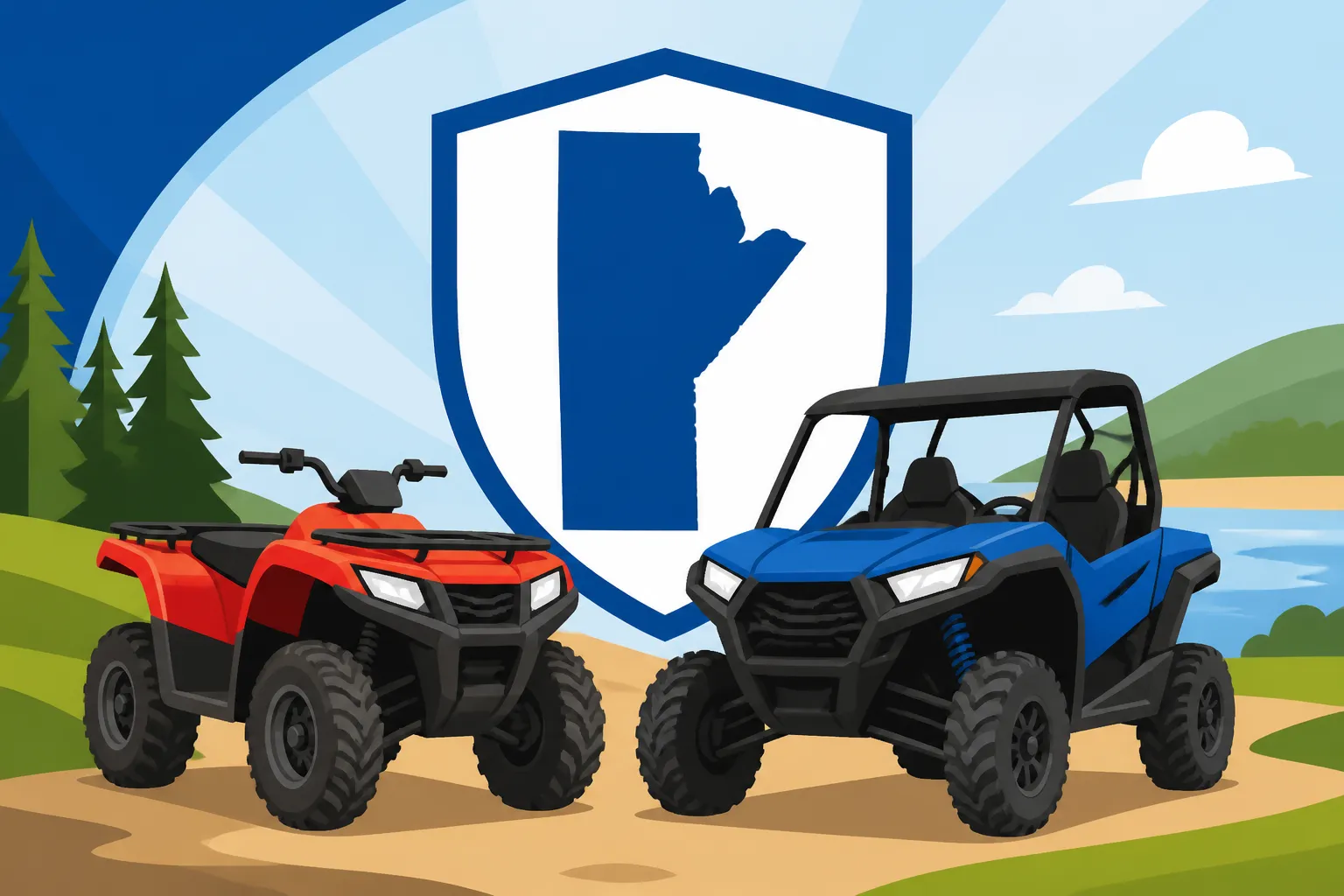
The ubiquitous "quads" or "four-wheelers" are, without a doubt, central to The Off-Road Vehicles Act. These machines are typically designed for one or two riders, feature handlebars for steering control, and are purpose-built to handle a wide range of off-road conditions, from muddy trails to rocky climbs. Whether you're talking about a high-performance sport quad, a rugged utility model, or anything in between, if it fits this description of a straddle-seat, engine-powered, multi-wheeled off-road machine, it is an ATV under the Act. Even smaller, specialized youth models, often with restricted engine sizes and safety features, fall under this same classification. This means understanding requirements like [Manitoba Registration for a Youth Quad] is just as vital as it is for an adult machine.
Utility Terrain Vehicles (UTVs) or Side-by-Sides (SxSs)
UTVs, commonly known as side-by-sides, have experienced a massive surge in popularity over recent years for both recreational trail riding and demanding utility work. These machines are characterized by their automobile-style controls, which include a steering wheel and foot pedals, along with side-by-side seating that often accommodates multiple passengers. Their robust design, typically featuring roll-over protection structures (ROPS) and sometimes seat belts, clearly marks them as being engineered for off-highway travel. As such, UTVs are unequivocally covered by The Off-Road Vehicles Act. Their versatility, whether used for hauling gear on a farm or navigating challenging backcountry trails, means they must meet all provincial registration and operating standards. You can find more specific details on [Registering a Side-by-Side in Manitoba].
Snowmobiles
While their operation is strictly seasonal and tied to snow cover, snowmobiles are indeed designated as off-road vehicles under the Act. They perfectly fit the core definition of a machine designed for travel on land other than a highway, specifically adapted for traversing snow and ice. This inclusion means that snowmobile owners have similar responsibilities regarding registration, insurance, and adhering to operating rules as their wheeled ORV counterparts. Although specific regulations for trails, crossing procedures, or even licensing might differ slightly due to their unique mode of operation, the overarching legal framework of The Off-Road Vehicles Act applies. For clarity on the specific processes, resources like [Manitoba Registration for a Snowmobile] are invaluable.
Off-Road Motorcycles (Dirt Bikes)
For those who prefer two wheels, off-road motorcycles—commonly known as dirt bikes—are also specifically included within the scope of The Off-Road Vehicles Act. Unlike their street-legal counterparts, dirt bikes are engineered from the ground up with features like long-travel suspension, lightweight frames, and aggressively knobby tires, all optimized for superior performance on rugged, unpaved terrain. Their primary design purpose is not highway travel, which is the key differentiator. Even if your riding is confined exclusively to private land or designated off-road parks, understanding that your dirt bike falls under this Act is crucial for compliance. Information on [Manitoba Registration for a Dirt Bike] ensures you're properly equipped to meet provincial requirements.
Amphibious Machines
Though less common than ATVs or snowmobiles, amphibious machines—vehicles uniquely designed to operate both on land and in water—are also covered by the Act if they meet the fundamental criteria. If these engine-powered vehicles are primarily intended for travel on land other than a highway (even if that travel includes floating across a body of water), they are considered ORVs. Their unique, dual-environment capability doesn't grant them an exemption. The core registration and operating rules still apply to these fascinating machines, adding an extra layer of complexity for their owners. For specific guidance on how these unique vehicles are handled, you might look into [Manitoba Registration for an Amphibious Machine].
What the Act Generally Excludes
Just as important as knowing what is covered is understanding what isn't. Misconceptions here can lead to confusion and potential legal issues if you assume a vehicle falls outside the Act when it actually doesn't, or vice-versa.
Conventional Highway Vehicles
This is perhaps the most frequent point of confusion. Your everyday pickup truck, SUV, family car, or street-legal motorcycle, even if it boasts four-wheel drive or is capable of venturing off-road, is not considered an off-road vehicle under The Off-Road Vehicles Act. The crucial distinction lies in their primary design. These vehicles are primarily engineered and intended for highway use, and as such, they are regulated under separate legislation, specifically The Highway Traffic Act. While you might take your 4×4 through a muddy field or down a rough logging road, that occasional use doesn't magically transform it into an ORV for legal classification purposes. The rules governing their registration, operation, and insurance are entirely distinct.
Agricultural and Industrial Equipment
Specialized machinery like farm tractors, combines, excavators, forklifts, and other heavy industrial equipment are specifically designed for agricultural or construction tasks, not for recreational off-road use. While these machines operate extensively off highways and can navigate challenging terrain, their primary function sets them apart from the recreational or utility ORVs covered by the Act. There are often specific exemptions for these machines when they are being used for their intended commercial or agricultural purpose, as seen with [Manitoba Registration for a Farm Machine]. However, it's important to note that if such equipment were to be heavily modified and then used predominantly for recreational off-road adventures, it could potentially fall under the scrutiny of the ORV Act.
Pedal Bikes and Low-Power Electric Assist Devices
Generally, traditional pedal-powered bicycles (including mountain bikes) and many low-power electric-assist bicycles or scooters typically fall outside the direct scope of The Off-Road Vehicles Act. These devices are either entirely human-powered or feature electric motors that are usually supplemental to human effort, and their design often doesn't meet the engine-powered or specific off-road design criteria to be classified as an ORV. While they may have their own set of rules, often governed by municipal bylaws or other sections of general highway traffic legislation, they usually do not trigger the requirements of the provincial ORV Act. Riders of such devices should always check local regulations specific to their use.
The Practical Implications for Owners
Understanding whether your machine is classified as an ORV under Manitoba law is more than just academic knowledge; it has concrete, real-world impacts on how you acquire, own, and operate your vehicle.
Navigating Registration and Fees
If your machine fits into any of the classes covered by The Off-Road Vehicles Act, it is mandatory to register it with Manitoba Public Insurance (MPI). There are very specific and rare exemptions, but for the vast majority of owners, registration is a non-negotiable step. This process involves not just obtaining a registration certificate and plate, but also paying the annual [Manitoba's Off-Road Trails Fee Explained], which contributes to the development and maintenance of Manitoba's off-road trail network. Failure to register your machine can lead to significant fines, impoundment, and considerable hassle if you are stopped by law enforcement. It's critical to ensure all your ownership paperwork, such as a clear bill of sale, is in order to facilitate this process. For drafting reliable legal documents like bills of sale or ownership transfers, a service like LawDepot can provide valuable templates to ensure everything is legally sound.
Adhering to Operating Regulations
Once your ORV is properly classified and registered, you immediately become bound by all the operating rules and regulations stipulated within the Act. This encompasses a wide array of requirements, including the mandatory use of approved helmets, strict age restrictions for operators (especially for younger riders), specific rules dictating where you can ride (such as [Manitoba Ditch Riding Rules], designated trails, or private land with permission), and adherence to posted or statutory speed limits. It's crucial to remember that these operating rules are distinct from those governing conventional highway vehicles, and assuming similarity can lead to severe penalties. For instance, understanding [Manitoba Helmet Law and Its Exemptions] is not optional – it's a safety and legal imperative.
Understanding Insurance and Liability
Basic third-party liability coverage is typically included with your ORV registration through MPI. This provides a fundamental level of protection if your machine causes damage or injury to another person or their property. However, it's vital to recognize that this base coverage often does not extend to protecting your own machine from theft, covering collision damage, or providing for your own personal injuries. For these types of protections, many riders opt for additional, enhanced insurance coverage through MPI or a private insurer.
Furthermore, when selling or transferring ownership of an ORV, having clear, legally sound documentation is paramount. This ensures a proper transfer of liability from the seller to the buyer and helps avoid future disputes or complications. Using a reputable resource like LawDepot to draft a formal transfer of ownership document or bill of sale can provide peace of mind for both parties, ensuring the transaction is legally sound and all responsibilities are clearly defined.
Facing Enforcement and Penalties
Law enforcement agencies in Manitoba, including the RCMP, conservation officers, and municipal police services, are empowered to enforce The Off-Road Vehicles Act. They rely heavily on the machine's official classification to determine if it should be registered and if the operator is complying with all applicable rules. Violations can range in severity, from fines for operating an unregistered machine or failing to carry proper documentation, to much more serious penalties for reckless operation, environmental damage, or infractions such as [Manitoba Impaired Riding Penalties]. Knowing exactly what constitutes an ORV under the Act is your fundamental first step in ensuring you remain compliant and avoid any unwitting non-compliance that could lead to significant legal consequences.
| Machine Type | Is it an ORV under the Act? | Key Defining Feature | Typical Use Case(s) |
|---|---|---|---|
| ATV (Quad) | Yes | Straddle seating, handlebars, multi-wheeled, engine-powered, off-road tires | Recreational trail riding, hunting, utility work |
| UTV (Side-by-Side) | Yes | Side-by-side seating, steering wheel, foot pedals, engine-powered, off-road tires | Recreational trail riding, utility work, family outings |
| Snowmobile | Yes | Engine-powered, track and skis, designed for snow | Winter recreation, ice fishing, northern travel |
| Dirt Bike | Yes | Two-wheeled, engine-powered, knobby tires, long-travel suspension | Off-road racing, trail riding, motocross |
| Amphibious Machine | Yes | Engine-powered, operates on land and water, off-road design | Niche recreation, remote access, utility |
| Pickup Truck (4×4) | No | Primarily designed for highway travel, registered for road use | Commuting, hauling, occasional off-road |
| Farm Tractor | No (Exempt for farm use) | Designed for agricultural tasks, not recreational off-road | Tilling fields, planting, harvesting |
| Electric Mountain Bike | No | Primarily pedal-powered, electric motor assists | Recreational cycling, light trail riding |
Disclaimer
This article is for general informational purposes only and does not constitute professional advice. Laws, prices and regulations vary by location and change over time. Consult a qualified professional for guidance on your specific situation.