Manitoba Registration Payment Methods
It's no secret that dealing with vehicle registration can feel like navigating a maze, and when it comes to your ATV or UTV in Manitoba, it's easy to get confused about how exactly you're supposed to pay for it all. Many riders worry about what payment methods are accepted, what fees they're actually covering, and how to make sure the process goes smoothly. This comprehensive guide is here to clear up the confusion, walking you through all the common payment methods available when you register your off-road vehicle (ORV) in Manitoba, so you can ride with peace of mind.
Understanding What You're Actually Paying For
Before we dive into how you can pay, let's talk about what you'll be paying for. When you register an ORV in Manitoba, you're not just handing over cash for a single fee. You're typically covering a few different components, each playing a crucial role in getting your machine road and trail-ready, at least for the provincial portion. Knowing these components helps you understand the total cost and prepare for the transaction. After all, nobody likes surprises at the counter!
The Core Registration Fee
This is the fundamental cost to get your ATV or UTV legally recognized in Manitoba. This fee ensures your machine is entered into the provincial system and is issued the necessary plate. Think of it as the base cost for official identification and tracking. This fee contributes to the administrative costs of maintaining the registration database and providing the services associated with it. Without this core registration, your machine isn't considered legally registered for use anywhere beyond specific exemptions, such as on your own private property.
The Off-Road Trails Fee
This is a specific charge dedicated to supporting the upkeep and development of Manitoba's extensive network of ORV trails. Since April 2024, every ORV registration in Manitoba includes this non-refundable trails fee. It’s a way for all riders to contribute directly to the trails we all enjoy, helping to fund maintenance, signage, and even new trail creation through grants to local clubs. While some riders might not always hit the designated trails, this fee is collected with every registration, ensuring a broad base of support for the infrastructure. It’s part of the commitment to a sustainable and enjoyable riding experience for everyone. You can learn more about [Manitoba Trails Fee Collected With Registration] and why it’s so important to the riding community.
Retail Sales Tax (RST) Considerations
One of the biggest components of your total payment, especially if you're registering a newly purchased machine or one from a private sale, is the Retail Sales Tax (RST). In Manitoba, ORVs are subject to a provincial sales tax that is collected at the time of registration if you haven't paid it already to a dealer. This can be a significant amount, so it's vital to factor it into your budget. The amount of RST you pay will depend on the purchase price or the assessed value of the machine. For private sales, be aware that the province often uses an average market value (like from a 'blue book' guide) if the stated sale price seems unusually low, ensuring fair taxation across the board. [Manitoba RST Collected at Registration] has more details on how this works.
Other Potential Fees (Like Dealer Fees)
While not paid directly to the Autopac agent for registration, it's worth noting that if you buy your ORV from a dealer, you might encounter additional fees that add to your overall cost. These can include freight, pre-delivery inspection (PDI) charges, documentation fees, and potentially extended warranty costs. These are typically paid directly to the dealership at the point of sale and are usually subject to RST themselves. It’s always a good idea to get a full breakdown of the "out-the-door" price from a dealer so you know exactly what you’re paying for before you even step foot in an Autopac office. For a more comprehensive look, check out [Manitoba Dealer Fees and What to Expect].
Common Payment Methods at Autopac Agents
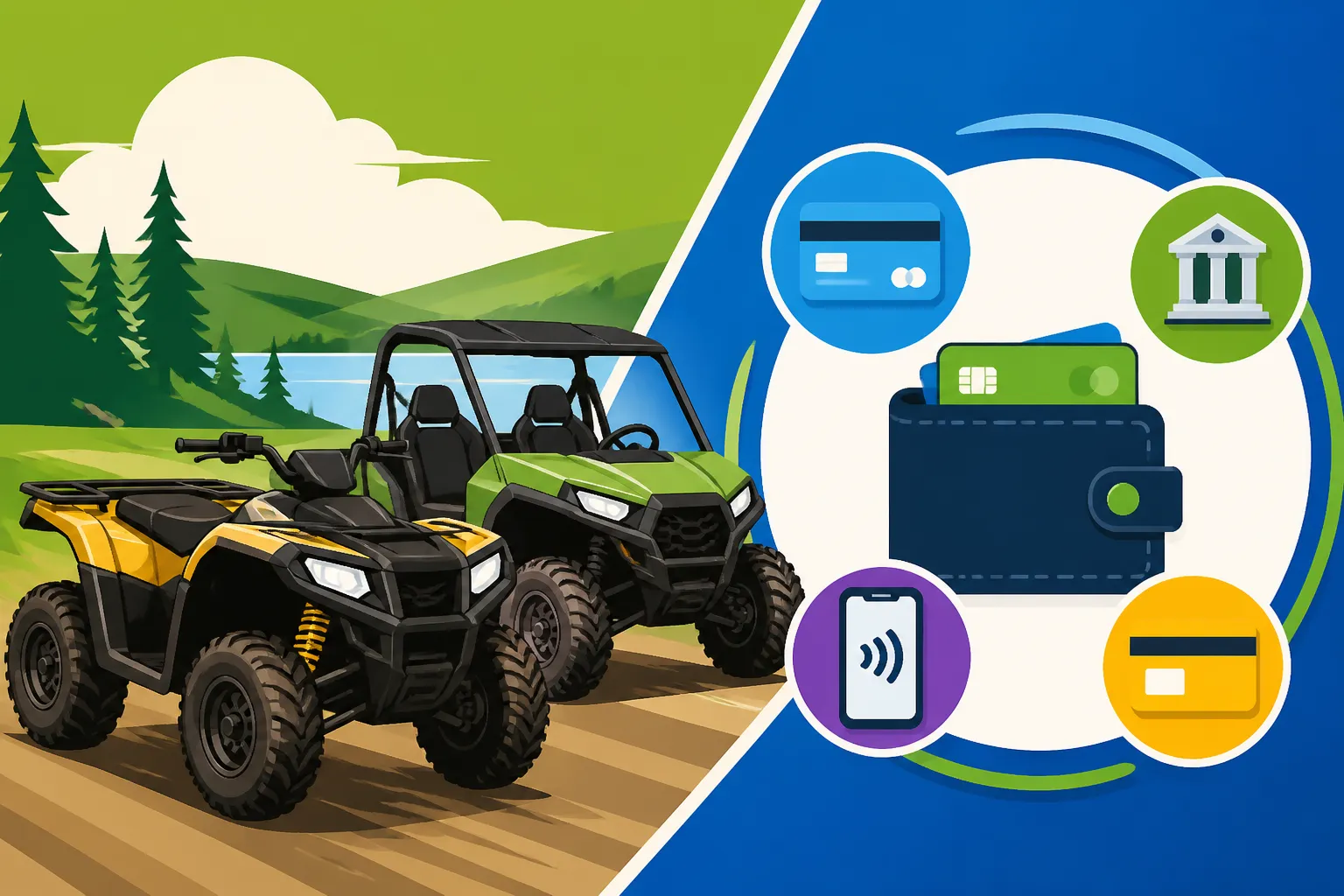
When you head to your local Autopac agent to register your ATV or UTV, you'll find they offer a variety of payment options to make the process as convenient as possible. Remember, MPI, through its network of Autopac agents, handles the registration, insurance, and collection of sales tax all in one visit, aiming to streamline the process for you. This means that [MPI Registers, Insures and Taxes in One Visit].
Debit Card Payments
Debit cards are one of the most common and convenient ways to pay for your ORV registration. Most Autopac agents are equipped with point-of-sale (POS) terminals that accept major debit cards. It’s a straightforward transaction where funds are directly debited from your bank account.
- Pros: It's quick, secure, and you don't incur interest charges like you might with a credit card. You get an immediate record of the transaction.
- Cons: You need to ensure you have sufficient funds in your bank account, and there might be a daily transaction limit set by your bank, which could be an issue for very expensive machines or multiple registrations. It’s always wise to check with your bank beforehand if you’re planning a large payment.
Credit Card Payments
Credit cards offer another flexible payment option for your registration. This can be particularly useful if you prefer to earn reward points or if you need to spread out the cost over time. Most Autopac agents accept major credit cards like Visa, Mastercard, and American Express.
- Pros: Convenience, ability to earn rewards, and the option to pay over time. It can also be helpful in an emergency if you don't have immediate cash or debit funds available.
- Cons: You might incur interest charges if you don't pay off your balance promptly. Also, some smaller Autopac agents might have limits on credit card transactions or, in rare cases, prefer not to accept them for very large sums due to processing fees. It's always a good idea to confirm with your specific agent if you plan to pay a large amount via credit card.
Cash Payments
Yes, good old cash is still a perfectly acceptable method of payment for your ORV registration. For many, it's the simplest way, especially for smaller amounts or if you prefer to avoid electronic transactions.
- Pros: No processing fees, no worrying about bank limits or credit card interest. It's universally accepted.
- Cons: Carrying large amounts of cash can be a security risk. You also don't get an automatic digital record of the transaction, though you will receive a receipt from the Autopac agent. Always ensure you get and keep your official receipt.
Cheque or Money Order
While less common these days, personal cheques or money orders can sometimes be used, especially for larger payments or by businesses. However, acceptance of cheques can vary, and there might be a waiting period for the cheque to clear before your registration is fully processed. Money orders are generally more widely accepted as they are pre-paid.
- Pros: Useful for large sums without carrying cash, and provides a paper trail.
- Cons: There may be a hold period (your registration might not be fully issued until the funds clear), and not all agents might readily accept personal cheques. Money orders usually require an upfront payment at a financial institution or post office. Always confirm with your Autopac agent if they accept cheques and what their policy is regarding processing times.
What to Bring to Your Registration Appointment
Having your payment method sorted is one thing, but ensuring you have all the other necessary paperwork is just as crucial for a smooth registration experience. A little preparation goes a long way in avoiding extra trips or delays.
Proof of Ownership and Identification
When you go to register your ORV, you'll need more than just money. You must provide valid proof of ownership for the machine. This typically means a bill of sale or the previous registration certificate with the transfer of ownership section completed. If you're buying from a private seller, a well-drafted bill of sale is essential. Sometimes, getting this document right can feel like a legal hurdle, and services like LawDepot can provide templates to help ensure you have all the necessary details for a clear transfer of ownership. For dealer purchases, they will typically handle much of the paperwork, but you'll still need your personal identification.
You'll also need to prove your identity, which usually means bringing a valid driver's license or another form of government-issued photo ID. If you're 16 or 17 years old and registering your first quad, you might also need parental consent and proof of age. Knowing [Manitoba Registration Without a Bill of Sale] outlines specific scenarios where standard proof might be missing, but it's always best to have a clear ownership document.
Preparing for a Smooth Transaction
To make sure your visit to the Autopac agent is as quick and painless as possible, gather everything you need before you go. This includes:
- Your chosen payment method: Make sure you have enough funds or credit available.
- Proof of ownership: The bill of sale, previous registration, or other valid documents.
- Personal identification: Driver's license or other government ID.
- Your ORV’s Vehicle Identification Number (VIN): This is critical for the registration process.
- Any supporting documents: If you're claiming an exemption (like for farming or a remote community) or if there are any unusual circumstances surrounding your purchase, bring relevant paperwork.
By being prepared, you help the Autopac agent process your registration efficiently, getting you out the door and ready to ride sooner. This is especially true for intricate situations, like those outlined in [Manitoba Transfer of Ownership Steps] or even when buying a machine at auction, which can sometimes come with unique paperwork challenges covered in [Manitoba Registration for an Auction Buy].
Considerations for Different Purchase Scenarios
The exact payment process can look a little different depending on where and how you acquired your off-road vehicle.
Paying for a Dealer Purchase
When you buy a new or used ORV from a Manitoba dealer, they typically handle the collection of the Retail Sales Tax (RST) at the time of purchase. This means you’ll pay the tax directly to the dealer, and they will remit it to the province. When you then go to register your machine with an Autopac agent, you will generally only be paying the core registration fee and the provincial trails fee. The dealer should provide you with all the necessary documentation, including proof that the RST has been paid, which simplifies your visit to the Autopac agent. It's a good idea to confirm with your dealer exactly what paperwork they'll provide for registration purposes. Understanding [Manitoba Dealer Paperwork at Delivery] can help you prepare for this.
Paying for a Private Sale
Purchasing an ORV from a private seller means you’ll be responsible for paying the Retail Sales Tax (RST) directly to the Autopac agent at the time of registration. This is where the importance of the bill of sale comes in, as it verifies the purchase price. As mentioned earlier, the province may assess the machine's value using a "blue book" guide to ensure the correct RST is collected. Be prepared for this potential tax amount on top of the registration and trails fees. [Manitoba Tax on a Private ATV Sale] provides more specific details on how this tax is calculated in these scenarios. You'll likely pay for the machine itself directly to the seller, and then handle the registration and tax payment at the Autopac office separately.
Refunds and Overpayments
Sometimes, circumstances change, and you might need to sell your ORV or cancel its registration. In such cases, you might be eligible for a refund on certain fees, particularly the unused portion of your registration fee. The trails fee, however, is generally non-refundable. If you've overpaid any portion of your registration fees, the Autopac agent or MPI will process a refund. This process typically involves a credit back to your original payment method (if applicable) or a cheque being mailed to you. It's always best to inquire about specific refund policies at the time of cancellation. Information about [What MPI Refunds When You Sell an ORV] can be really helpful if you're looking at selling your machine down the road.
Here's a quick overview of common payment methods for your Manitoba ORV registration:
| Payment Method | Accepted at Autopac Agents | Pros | Cons | Best For |
|---|---|---|---|---|
| Debit Card | Yes | Quick, secure, no interest | Daily limits, requires sufficient funds | Most common, everyday transactions |
| Credit Card | Yes | Rewards, flexibility to pay over time | Interest charges, potential transaction limits | Spreading out large costs, earning rewards |
| Cash | Yes | Universally accepted, no fees | Security risk for large sums, no digital record | Smaller payments, preference for physical money |
| Cheque/Money Order | Sometimes (confirm first) | Good for large sums, paper trail | Potential clearing delays, less immediate | Business transactions, large infrequent payments |
Final Thoughts on Your Manitoba ORV Registration Costs
Navigating the costs and payment methods for your ATV or UTV registration in Manitoba doesn't have to be a headache. By understanding the components you're paying for – the core registration fee, the essential trails fee, and the Retail Sales Tax – you can better budget and prepare for your visit to an Autopac agent. Whether you prefer the convenience of plastic with your debit or credit card, the simplicity of cash, or the formality of a money order, there's a payment method that fits your needs. Remember, a little preparation in gathering your documents and understanding the payment process will make your registration experience smooth, getting you and your off-road machine ready for the trails and wide-open spaces of Manitoba. Keep in mind that the total [Manitoba ORV Registration Cost] can add up, so being prepared is key.
Disclaimer
This article is for general informational purposes only and does not constitute professional advice. Laws, prices and regulations vary by location and change over time. Consult a qualified professional for guidance on your specific situation.