You Get Seven Days to Move a Plate
It can be incredibly confusing when you've just bought or sold an off-road vehicle (ORV) in Manitoba and you're left wondering what to do with the licence plate. Many riders assume they need to get a new plate immediately, or that they can just keep the old plate on indefinitely. This guide is here to demystify the specific seven-day window Manitoba provides for moving an existing ORV plate, helping you navigate these transitions smoothly and legally.
Understanding the Seven-Day Plate Transfer Window
The Manitoba government, through MPI (Manitoba Public Insurance), understands that life happens fast, especially when it comes to buying and selling recreational vehicles. That's why they've established a specific, limited window of time that allows for a bit of breathing room when transferring a licence plate from one off-road vehicle to another. It's a common point of anxiety for riders, wondering if they're doing things correctly, but with a little understanding, it's quite straightforward.
What Exactly Does the Seven-Day Rule Mean?
Simply put, if you sell an ORV that has a current, valid registration and then acquire a new ORV, you generally have a seven-day grace period to transfer your existing licence plate from the old machine to the newly acquired one. This isn't a free-for-all to ride any unregistered machine, but rather a temporary measure to keep you legal while you complete the formal paperwork. It ensures that you aren't stuck without a plate immediately after a transaction, which would otherwise halt your riding plans. Think of it as a brief, but crucial, administrative bridge between machines.
This seven-day window is a critical aspect of [Manitoba Transfer of Ownership Rules]. It's designed to minimize disruption, allowing you to get your new machine home or even on a quick test ride without immediate penalties, provided you have all your ducks in a row. However, it's essential to remember that this isn't a permanent solution. The clock starts ticking the moment you take possession of the new ORV, and those seven days go by quicker than you think when you're excited about a new ride!
Why This Window Exists
The main reason for this seven-day allowance is practicality. Imagine you sell your old quad on a Saturday and pick up a new-to-you side-by-side that same afternoon. Without this rule, you'd be unable to legally move the new machine from the seller's property or ride it at all until you could get to an Autopac agent during business hours. That's just not realistic for most people, especially with weekend transactions or if you live a fair distance from the nearest service centre.
This rule acknowledges the real-world challenges riders face. It allows for a seamless, albeit temporary, continuation of your registration and basic insurance coverage, giving you the necessary time to formally complete the transfer at an MPI-authorized [Manitoba Autopac Agents and ORV Registration] location. It's about enabling commerce and recreational activity without creating unnecessary bureaucratic roadblocks that would frustrate and deter riders.
Who Benefits from This Temporary Solution
This seven-day window is a huge benefit to nearly every ORV owner in Manitoba who buys or sells a machine. For sellers, it means they don't have to worry about a plate immediately after their machine leaves their possession, assuming the buyer will handle their part. For buyers, especially those acquiring a machine from a private seller, it provides immediate, temporary legality for their newly purchased ORV. This is particularly useful if you're buying a machine from a remote area and need to transport it home before you can officially register it.
It's especially helpful if you're upgrading or replacing a primary machine. Instead of having to wait for a brand new registration to be processed, you can essentially "swap" your plate over temporarily. This ensures you can continue to enjoy your passion with minimal downtime. However, always remember that during this period, you must still adhere to all other operating rules, such as carrying your registration documents and operating your ORV safely and responsibly. [Carrying Your Registration Card on Every Ride] is still a must, even in this temporary state.
When the Seven-Day Rule Comes into Play
The seven-day window isn't a blanket rule for all ORV situations. It's quite specific, primarily kicking in when you're moving from one registered machine to another, typically due to a sale or a new purchase. Understanding these scenarios is key to knowing when you can lean on this temporary flexibility and when you need to follow different rules entirely.
Selling Your Old Machine and Getting a New One
This is one of the most common situations where the seven-day rule proves invaluable. Let's say you've sold your trusty old ATV and, almost simultaneously, found the perfect side-by-side you've been eyeing. When you sell your old machine, your registration for that specific ORV is technically terminated. However, if you then purchase a different off-road vehicle, you can use the plate from your recently sold machine on your newly acquired machine for up to seven days.
This allows you to take possession of your new ride without immediately needing a new plate or registration. For example, if you sell your quad on a Friday and buy a side-by-side on Saturday, you can put your old quad's plate onto the new side-by-side. You then have until the following Friday to get to an Autopac agent and formally register the side-by-side to that plate. This temporary arrangement prevents you from having to leave your new acquisition at the seller's or illegally transport it without a plate. Always be sure to have the necessary paperwork from both transactions with you when you're operating under this grace period.
Buying a Machine from a Private Seller
Purchasing an ORV from a private seller can sometimes be a bit more complicated than buying from a dealership, especially concerning paperwork and immediate legality. The seven-day rule is a real lifesaver here. When you buy a machine from a private seller, they will typically transfer ownership to you, but the plate on their machine (if it had one) doesn't transfer. You need to use a plate that is registered to you. If you have an existing ORV plate from a machine you just sold or traded in, you can place that plate on the newly purchased machine.
During this week, you need to ensure you have proof of purchase, such as a bill of sale, along with your existing registration card (which will still show the old machine's details). This documentation proves that you're in the process of transferring, not just riding an unregistered machine. Using a reputable source like LawDepot can help you create a robust bill of sale, ensuring all the critical details are captured for a smooth transfer at MPI. This helps protect both you and the seller and makes your visit to the Autopac agent much more efficient.
Replacing a Damaged or Stolen Machine
Sometimes, unfortunate events can put your ORV out of commission. If your registered ORV is damaged beyond repair in an accident, or worse, stolen, and you decide to replace it with another machine, the seven-day rule can also apply. Once you've dealt with the official processes for your damaged or stolen machine (such as reporting to police and insurance), and you then acquire a replacement ORV, you can transfer the existing plate (or if it was stolen, apply the intent to use that registration on the new machine) to your new ride for up to seven days.
This allows you to transition to your new ORV without an immediate gap in your ability to legally operate it. For example, if your old snowmobile was written off and you purchase a new one, you can temporarily affix your old plate to the new sled while you arrange the formal registration. It streamlines the process during what can already be a stressful time, ensuring you can get back out on the trails or through the bush as quickly as possible. Just remember, this is about getting you to the Autopac agent; it's not an excuse to delay the full transfer of registration.
Critical Steps During the Seven-Day Window
Understanding that you have a seven-day window is one thing; knowing exactly what to do during that time is another. This period is a grace period, not a free pass, and requires proactive steps to ensure you stay legal and compliant. Missing these steps can lead to unnecessary complications down the road.
Documenting the Sale or Purchase Properly
The absolute cornerstone of a smooth plate transfer, especially within the seven-day window, is proper documentation. When you sell a machine, you must ensure you complete the transfer of ownership paperwork. This usually involves signing over the transfer section of your existing registration certificate. If you're buying, you need a clear, legible [A Bill of Sale From a Manitoba Neighbour] or a purchase agreement from a dealer. This document is your proof that you legally acquired the machine.
Without this proof, you can't legitimately claim to be within the seven-day window, even if you have a plate. An officer stopping you would have no way to verify your story. It's wise to carry both the bill of sale (or dealer invoice) for your new machine AND the registration certificate from the machine whose plate you are temporarily using. Ensuring all details like VIN, make, model, and date of transaction are correct on the bill of sale is paramount. Using a service like LawDepot to create a clear, legally sound bill of sale can prevent headaches later, especially if you're buying or selling privately.
Visiting an Autopac Agent
The ultimate goal of the seven-day window is to give you time to visit an MPI-authorized Autopac agent and formalize the plate transfer. This isn't optional; it's the mandatory next step. During your visit, you will officially surrender the old registration (if applicable) and register your newly acquired ORV to your existing plate, or obtain a new plate if you don't have one to transfer. This is also where you'll confirm your insurance coverage for the new machine.
When you go to the agent, be prepared with all your documents: your driver's licence, the bill of sale for the new machine, and the registration certificate for the old machine (or your existing plate number). The agent will process the transfer, update your vehicle information, and ensure the plate is now legally assigned to your new ORV. This process is how [Manitoba Transfer Ends Your Registration] on the old machine and begins it for the new one, all while making sure [One Plate Per Machine, Front or Rear] is correctly assigned. Don't procrastinate on this; the seven days will fly by!
What to Do If You Can't Make It Within Seven Days
Life can throw curveballs, and sometimes, despite your best intentions, getting to an Autopac agent within the strict seven-day window just isn't possible. Perhaps there was an unexpected emergency, or you live in a remote area with limited access to services, or an agent had no appointments available. While the rule is clear about the seven days, it's crucial not to operate your ORV with an expired temporary arrangement.
If you find yourself in this predicament, the best course of action is to not ride the machine until you've completed the transfer. Operating it after the seven days without formal registration means it's considered unregistered, and you could face fines and penalties, and even have your basic insurance coverage jeopardized. Contact an Autopac agent as soon as possible to explain your situation and schedule an immediate appointment. It's always better to be upfront and resolve the issue than to risk operating illegally. In some cases, you might be required to [Surrendering a Plate at an Autopac Agent] before you can even begin the process of getting a new plate for your new machine if the transfer window has passed.
Beyond the Seven Days: Risks and Next Steps
Once that crucial seven-day window has closed, the temporary flexibility regarding your ORV plate is gone. Operating your off-road vehicle after this period without formally completing the registration transfer carries significant risks. It's vital to understand what happens if you miss this deadline and what actions you need to take to rectify the situation.
It's Not a "Free Riding" Period
Let's be absolutely clear: the seven-day window is not a "free riding" period where you can just put any old plate on any machine and hit the trails. It's a very specific administrative allowance. You are expected to be in the process of transferring an existing valid registration from one ORV to another ORV you've just acquired. It's not for riding an entirely unregistered machine, or for a machine that was never registered in the first place.
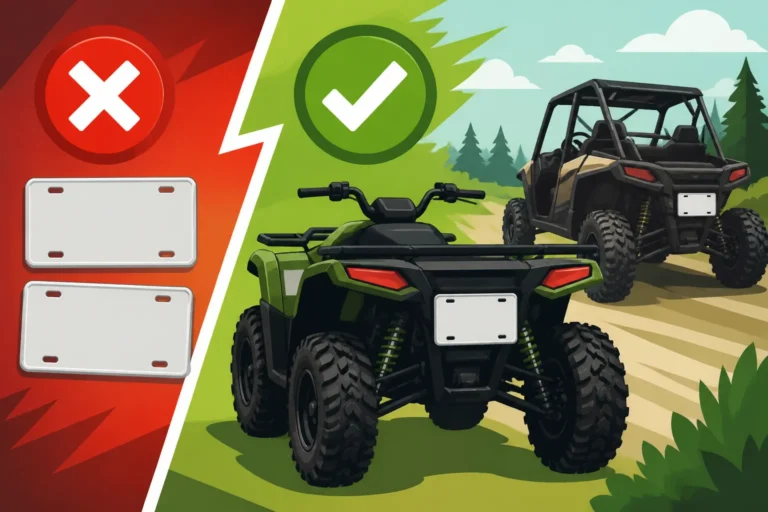
If you are stopped by law enforcement after the seven days, or even within the seven days without proper documentation (like a bill of sale), you could be cited for operating an unregistered ORV. This can lead to fines, and potentially even having your machine impounded. The idea is to give you time for paperwork, not extra time for joyriding before you make things official. Always double-check that your machine has appropriate plates, like [Manitoba Plates on the Rear of a Quad] or [Manitoba Plates on the Front of a Two-Wheeler], and that they're clearly visible and assigned to the correct machine through MPI.
Insurance Implications During the Transfer
One of the most concerning aspects of operating an ORV beyond the seven-day window without formalizing the plate transfer is the impact on your insurance. While your basic Autopac coverage might extend for those seven days when your plate is temporarily on a newly acquired ORV, this coverage can be severely compromised once that grace period expires. If you have an accident or incident after the seven days and your ORV isn't properly registered to that plate, you could find yourself uninsured.
This means you would be personally liable for any damages or injuries incurred. Basic Autopac coverage for ORVs is already quite specific, so adding the complication of an unregistered machine is a risk you simply don't want to take. Even if you have optional "add-on" insurance through a private broker, those policies are typically contingent on your basic Autopac registration being valid. Always prioritize your safety and financial security by ensuring your ORV is correctly registered and insured, especially when considering [Manitoba Registration Renews With Your Autopac Policy].
Consequences of Missing the Deadline
Missing the seven-day deadline for transferring your ORV plate can lead to a host of unpleasant consequences. The most immediate is the risk of being ticketed by law enforcement for operating an unregistered vehicle. Fines for such infractions can be substantial, and these tickets aren't just a slap on the wrist. They can also reflect poorly on your driving record.
Beyond fines, there's the inconvenience and potential cost of impoundment. If your ORV is deemed unregistered, an officer might have it towed and impounded, requiring you to pay towing and storage fees on top of any fines to get it back. Furthermore, as mentioned, operating without valid registration can void your insurance coverage, leaving you vulnerable to significant financial liabilities in case of an accident. It’s always best to aim to complete the transfer well within the seven days, perhaps even making an appointment with your Autopac agent the day after your transaction to ensure everything is buttoned up.
Essential Paperwork for a Smooth Transfer
Navigating any kind of vehicle registration in Manitoba always comes back to one crucial element: paperwork. The seven-day plate transfer window is no exception. Having the correct documents in hand, completed accurately and thoroughly, is what makes the temporary transfer legal and the final registration seamless. Without it, you're just asking for trouble.
The Importance of a Valid Bill of Sale
The bill of sale is, arguably, the most important piece of documentation when you're dealing with the transfer of an ORV, whether within the seven-day window or not. For the buyer, it proves legal ownership and the date of acquisition, which is essential for establishing when your seven-day grace period began. For the seller, it proves you no longer own the machine, protecting you from any liability once it's out of your hands.
A valid bill of sale should include:
- The full names and addresses of both the buyer and the seller.
- A clear description of the ORV, including make, model, year, and crucially, the Vehicle Identification Number (VIN) or serial number.
- The purchase price (or indication it was a gift).
- The date of the sale.
- Signatures of both the buyer and the seller.
Sometimes, the official registration certificate from MPI includes a transfer section that also acts as a bill of sale. Make sure you understand [The Transfer Document Hiding in Your Registration Certificate] and how to properly fill it out. A properly prepared bill of sale, perhaps using a template from a service like LawDepot, can make all the difference when you arrive at the Autopac agent, preventing delays or questions about the legitimacy of your transaction.
Proof of Ownership and Identification
When you visit an Autopac agent to formalize your plate transfer, you'll need more than just the bill of sale. You'll need to prove your identity and, if you're the buyer, that you are the legitimate new owner of the ORV. This means bringing your valid Manitoba driver's licence or other government-issued identification. If there are two owners, both may need to be present or provide appropriate authorization.
For proving ownership of the new machine, the bill of sale is primary. For proving ownership (or prior ownership) of the old machine whose plate you're transferring, your existing registration certificate for that machine is key. If you're transferring a plate from a machine you just sold, you'll also likely need the signed-off portion of the previous registration to show the transfer of ownership to the new buyer. The agent needs to verify all these details to ensure a legal and correct transfer, avoiding any potential issues with theft or fraudulent transactions.
When a LawDepot Document Can Help
In the world of private sales, not everyone is a seasoned legal expert, and it's easy to overlook crucial details on a simple handwritten note. This is where services like LawDepot can be incredibly helpful. They offer customizable legal document templates, including bills of sale for vehicles, that ensure all the necessary legal clauses and information fields are included.
Using a pre-formatted template from a reputable source means you're less likely to forget critical details like warranties (or lack thereof), disclaimers, and clear identification of the vehicle and parties involved. This can provide peace of mind for both the buyer and the seller. It streamlines the documentation process, making sure that when you present your paperwork to the Autopac agent, everything is clear, complete, and legally sound, facilitating a swift and hassle-free transfer of your ORV plate.
Disclaimer
This article is for general informational purposes only and does not constitute professional advice. Laws, prices and regulations vary by location and change over time. Consult a qualified professional for guidance on your specific situation.