Manitoba Rules for Towing a Trailer
There's nothing quite like packing up your ATV or UTV for a weekend adventure, a serious hunting trip, or just hauling some firewood for the cabin. But the moment you hitch up a trailer, a whole new set of questions arises, especially when it comes to navigating Manitoba's specific rules. It can feel like a minefield trying to figure out what's allowed and what's not, often leading to frustration and uncertainty for riders who just want to get their gear where it needs to go. This guide is here to cut through the confusion, providing clear, actionable information on Manitoba's rules for towing a trailer with your off-road vehicle, ensuring your next haul is legal and safe.
The Basics of Towing with an ORV in Manitoba
Towing with an Off-Road Vehicle (ORV) in Manitoba isn't as simple as just hooking up a hitch. There are fundamental considerations about what your machine can handle and the basic equipment you'll need to stay within safe and legal boundaries. Understanding these foundational elements is the first step toward a successful and trouble-free towing experience.
Understanding What You Can Tow
Before you even think about attaching a trailer, you need to understand your ORV's capabilities. Not all ATVs and UTVs are created equal when it comes to towing. Manufacturers typically provide a maximum towing capacity, which is a critical number you should never exceed. Pushing your machine beyond this limit isn't just risky for your vehicle's drivetrain and suspension; it's a major safety hazard. You could lose control, especially on uneven terrain or during braking, potentially leading to accidents or serious damage.
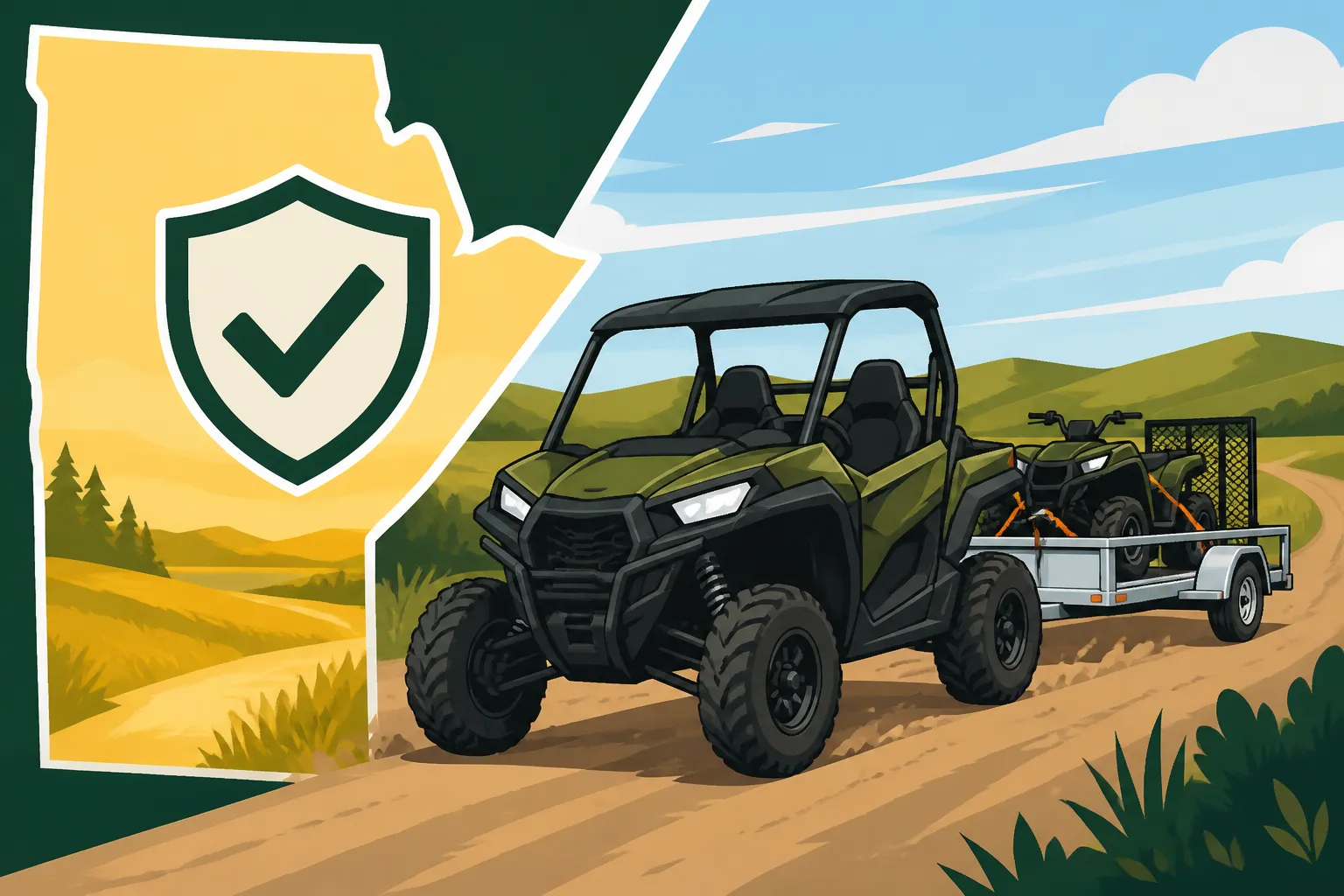
Most riders use their ATVs or UTVs to tow utility trailers, small logging skids, or specialized off-road cargo trailers designed for rough terrain. These are usually single-axle units meant for hauling gear, feed, hunting supplies, or tools. What you're carrying also matters. A heavy load of gravel behaves differently than a few bags of camping supplies. Always consider the gross weight of the trailer and its contents. If you’re unsure, it’s always better to err on the side of caution and carry less, or make multiple trips. Remember, while the trailer itself might not be specifically "off-road," the context of your ride often is, and that demands a robust understanding of your limits. It's also worth noting that the [Manitoba Classes Covered by the Act] dictate what kind of machines are even considered ORVs, and thus subject to these towing regulations.
General Equipment Requirements for Towing
Once you know your ORV's capacity, you need the right hardware. The hitch itself is paramount. Common hitch types include the traditional ball hitch, pintle hitches for heavier-duty applications, or clevis hitches, often found on farm equipment or older utility vehicles. Whatever type you use, ensure it's securely attached to your ORV's frame and rated for the weight you intend to tow. A loose or undersized hitch is an accident waiting to happen.
Beyond the hitch, safety chains are a non-negotiable requirement. These chains act as a backup in case the primary hitch connection fails, keeping the trailer attached to your ORV and preventing it from becoming a runaway projectile. They should be crossed under the hitch and securely fastened to your ORV's frame, not just to a flimsy bumper. When it comes to trailers that might be used on or near public roadways, even if briefly for a crossing, proper lighting becomes crucial. Turn signals, brake lights, and tail lights on your trailer ensure visibility to others. While ORVs often have their own basic lighting, a trailer can obscure these, especially if it's wide or loaded high. Make sure the trailer lights are wired correctly and functioning perfectly before every trip. Some heavier trailers might even require their own braking system, especially if they exceed a certain percentage of your ORV's weight. Always check your ORV's manual and provincial guidelines for specific brake requirements. For more on what lights your machine itself needs, check out [Manitoba Lighting Requirements on a Machine].
Legalities and Road Rules for ORV Trailer Towing
This is where things can get particularly tricky for riders in Manitoba. The rules for where you can ride your ORV are already quite specific, and adding a trailer into the mix introduces even more limitations. Understanding these legal boundaries is crucial to avoid fines and ensure the safety of yourself and others.
Where You Can Legally Tow a Trailer
The biggest hurdle for ORV operators towing trailers in Manitoba is the restriction on public roadways. Generally, ORVs, and by extension, anything they are towing, are not permitted on primary public roadways. This includes paved highways, municipal roads, and most streets within towns and cities, unless specifically designated by a local by-law. We often cover this, as [Manitoba Bans Riding on Roadways] is a pretty firm rule.
So, where can you legally tow?
- Private Land: If you have permission from the landowner, you can tow a trailer on private property. This is common for farming, logging, or recreational use on private acreage.
- Designated Trails: Many provincial and club trails allow ORVs to tow small utility trailers, especially for hauling camping gear, hunting supplies, or maintenance equipment. Always check with the trail authority or club before heading out, as some trails might have width or weight restrictions.
- Crown Land: In many areas of Crown land, you can operate ORVs and tow trailers, but you must adhere to any specific restrictions, such as those related to environmental protection, wildlife management, or fire bans. Remember, you might need specific permits for certain activities on Crown land.
- Ditches: While ORVs are generally allowed in ditches adjacent to roadways in many rural areas, this comes with its own strict set of rules. You must travel in the same direction as traffic, maintain specific distances from intersections and dwellings, and navigate safely. Towing a trailer in a ditch requires even greater caution due to the added length and reduced maneuverability. For a deeper dive into these rules, consult [Manitoba Ditch Riding Rules].
There are narrow exceptions for crossing roadways or using shoulders for agricultural purposes, but these are highly regulated. For instance, you can cross a highway at a 90-degree angle, typically within specific distances from intersections. Read more about these constraints in [Manitoba Crossing Rules at 5 Metres and 3 Kilometres]. However, you cannot simply use a highway to get from one section of ditch to another while towing a trailer.
Operating Rules When Towing
Operating an ORV with a trailer attached demands a heightened sense of awareness and adherence to specific rules. Speed is a major factor. When riding in a ditch or crossing a roadway, you must maintain a safe, often reduced, speed. The added weight of a trailer significantly increases your stopping distance and makes sharp turns far more precarious. Even on private land, common sense dictates slowing down considerably when towing, especially on uneven or slippery surfaces. When riding in ditches, remember [Manitoba Ditch Travel With Traffic] rules still apply.
Visibility is another key concern. Ensure your view isn't obstructed by your trailer or its load, especially when making turns, reversing, or crossing. This is particularly vital when crossing a highway, where a clear view is absolutely essential for safety. [Manitoba Crossings Need a Clear View] outlines these requirements in detail.
Perhaps one of the most important operating rules is about passengers: you generally cannot carry passengers in a towed trailer. Trailers are not designed or equipped for human transport and doing so is extremely dangerous and almost universally illegal. Furthermore, your ORV itself has specific passenger limits dictated by its manufacturer and provincial law. Exceeding these limits, especially while towing, is a recipe for disaster.
Lastly, exercise extreme caution and demonstrate responsible operation. Any actions that are deemed careless or reckless while operating an ORV, particularly with a trailer, can lead to significant penalties. This includes speeding, aggressive driving, or operating without due care for conditions or other users. For information on the consequences of such actions, refer to [Manitoba Careless Operation Penalties].
Safety Considerations and Best Practices for ORV Trailer Towing
Towing a trailer with your ORV adds another layer of complexity to your ride. Even with all the legal boxes checked, safety should always be your top priority. Proactive checks, smart loading, and adapting your riding style are essential for a safe and enjoyable experience.
Pre-Ride Checks and Load Management
Before you even turn the key, a thorough pre-ride inspection of your ORV and trailer is crucial. This isn't just a suggestion; it's a vital safety measure. Start with your ORV: check tire pressure, oil levels, brakes, and lights. Then move to the trailer.
- Hitch Connection: Is it secure? Is the coupler properly latched and locked?
- Safety Chains: Are they crossed and securely attached to the ORV's frame? Is there enough slack for turns but not so much they drag?
- Trailer Tires: Are they properly inflated? Check for any damage or excessive wear.
- Trailer Lights: Connect the wiring harness and confirm all lights (tail, brake, turn signals) are working.
- Load Security: This is paramount. Every item in the trailer needs to be secured to prevent shifting during travel. Use tie-downs, straps, or nets. A shifting load can drastically alter the trailer's balance, leading to sway or even a rollover.
- Tongue Weight: The weight pressing down on your hitch, known as tongue weight, is critical. Too little, and the trailer can sway violently. Too much, and it puts excessive strain on your ORV's rear suspension and steering, reducing control. Aim for about 10-15% of the total trailer weight on the tongue. Adjust your load within the trailer to achieve this balance.
Ignoring these checks can lead to serious incidents. It's not uncommon for conservation officers or local law enforcement to conduct [Manitoba Equipment Checks by Officers], and an improperly secured trailer or non-functional lights are easy targets for citations.
Adapting to Terrain and Weather
Towing significantly changes how your ORV handles, making it crucial to adapt your driving style to different terrains and weather conditions.
- Hills: Uphill climbs will strain your engine and transmission. Downhill descents require careful use of engine braking and gentle application of your ORV's brakes to prevent overheating and loss of control. The added weight of the trailer will push you forward, increasing momentum.
- Mud, Snow, and Ice: These conditions already reduce traction, and towing a trailer amplifies the challenge. Your ORV will have less grip, and the trailer can easily slide sideways, pushing your machine off course. Reduce your speed dramatically, use a lower gear, and avoid sudden movements. Having high-quality tires, perhaps from a brand like SuperATV, can make a huge difference in maintaining traction when towing through challenging conditions.
- Braking Distance: Always assume your braking distance is significantly increased when towing. Leave more space between yourself and obstacles, and anticipate stops far in advance.
- Sway: Uneven terrain, crosswinds, or improper load distribution can cause trailer sway. If your trailer starts to sway, gradually reduce speed and avoid sudden braking or steering inputs. Often, a gentle acceleration can help to pull the trailer straight, but if the sway is severe, it's best to stop and re-evaluate your load.
Essential Gear and Accessories for Safe Towing
Beyond the basic hitch and safety chains, certain accessories can greatly enhance your safety and capability when towing.
- Winch: A winch is invaluable for self-recovery or assisting others, especially if your ORV or trailer gets stuck in mud, snow, or a ditch. SuperATV offers a range of robust winches and recovery gear that can be lifesavers when you're far from help.
- Heavy-Duty Suspension/Springs: If you frequently tow heavy loads, consider upgrading your ORV's suspension. Heavier-duty springs or even air shocks can help maintain proper ride height, improve stability, and prolong the life of your suspension components. SuperATV also has lift kits and suspension components that can improve your towing stance and capability.
- Communication Devices: Cell service can be spotty in Manitoba's backcountry. Carrying a satellite communicator or two-way radio is a smart move, especially when towing, as a breakdown or stuck situation can quickly become serious.
- Extra Fuel: Towing consumes more fuel. Always carry extra fuel in approved containers, secured safely away from heat sources.
- Recovery Kit: Beyond a winch, a basic recovery kit with a tow strap, shackles, and a tree saver can be incredibly useful.
- Mirrors: Consider extended mirrors, especially for UTVs, to give you a better view of your trailer and what's behind it. This is particularly helpful when backing up or navigating tight trails.
By investing in the right equipment and practicing safe towing habits, you can confidently and safely haul your gear wherever your Manitoba adventures take you.
Here's a quick checklist to help ensure you're ready to tow safely and legally:
| Item | Check Before Every Tow | Notes |
|---|---|---|
| ORV Tire Pressure | Yes | Ensures stability and capacity for the added load. |
| Trailer Tire Pressure | Yes | Prevents blowouts and improves stability. |
| Hitch Connection | Yes | Securely latched and locked. |
| Safety Chains | Yes | Crossed and securely attached to ORV frame. |
| Trailer Lights | Yes | Test brake lights, turn signals, and tail lights. |
| Load Security | Yes | All items tied down to prevent shifting. |
| Tongue Weight | Yes | Proper balance (10-15% of total trailer weight). |
| ORV Brakes | Yes | Ensure optimal function for increased stopping distances. |
| Fluid Levels | Yes | Engine oil, coolant – towing puts extra strain. |
| Available Traction | Assess | Consider specialized tires (e.g., from SuperATV) for challenging terrain. |
| ORV Towing Capacity | Verify | Never exceed manufacturer's stated maximum. |
| Route Restrictions | Verify | Ensure your planned route is legal for ORV and trailer use. |
| Emergency Gear | Pack | Winch, recovery strap, first aid, communication device, extra fuel. |
Disclaimer
This article is for general informational purposes only and does not constitute professional advice. Laws, prices and regulations vary by location and change over time. Consult a qualified professional for guidance on your specific situation.