Manitoba Registration Questions Riders Ask
One of the most common headaches for off-road vehicle enthusiasts in Manitoba is figuring out the ins and outs of registration. It's not always straightforward, and many riders find themselves scratching their heads wondering if their machine truly needs a plate, what paperwork is actually required, or what happens when they buy a used quad. This guide aims to tackle those frequent questions head-on, giving you a clear, no-nonsense rundown of everything you need to know to stay legal and enjoy the trails.
Understanding the Basics of ORV Registration in Manitoba
Before you even think about hitting the dirt, snow, or muskeg, it's crucial to grasp the foundational principles of off-road vehicle (ORV) registration here in Manitoba. Many riders assume it's only for those who use designated trails, but the reality is far more encompassing. Getting registered isn't just a bureaucratic hurdle; it's a vital step that ensures your machine is legally recognized, provides basic liability coverage, and contributes to the overall health of our riding areas.
Why Every ORV Needs to Be Registered (Almost)
It can be a real surprise to some new riders, and even a point of confusion for seasoned ones, but almost every ATV, UTV, dirt bike, or snowmobile operated in Manitoba needs to be registered with Manitoba Public Insurance (MPI). This isn't just about riding on public trails; it applies to virtually any location outside of very specific exemptions. Imagine buying a brand new side-by-side, eager to explore, only to find out you can't even drive it off your trailer without registration, unless you're literally in your own driveway. It's a common oversight that can lead to unexpected fines. This broad requirement is in place to ensure that all operators carry at least basic liability insurance, protecting others in case of an accident. It also provides a clear ownership record, which is helpful for theft prevention and recovery. For more on this, you can look up [Manitoba Requires Registration in Any Location].
The province's Off-Road Vehicles Act is quite clear on this. It defines what an ORV is and pretty much mandates registration for any machine that fits the bill. There are very few exceptions, and they are usually tied to specific activities or locations, not general use. For instance, if you're thinking your old dirt bike doesn't count because it's not a "quad," think again. Most two-wheeled off-road machines fall under the same umbrella. The whole system is designed to create a baseline of accountability and safety for everyone who enjoys our beautiful province's backcountry.
What Comes With Your Registration: Plate, Card, and More
Once you successfully register your ORV, you won't just get a receipt and a pat on the back. You'll receive some very important pieces of documentation and equipment that are essential for legal operation. First and foremost, you'll get one registration plate. Unlike cars which often have front and rear plates, ORVs in Manitoba typically get just one, and where you mount it depends on your machine type. For example, quads usually display theirs on the rear, while dirt bikes have specific front mounting requirements. This plate is your machine's visible identifier, much like a license plate on a car. It needs to be securely attached and clearly visible. You can find more details on this in [Manitoba Issues One Plate, Not Two].
Beyond the physical plate, you'll also receive a registration card or certificate. This document is like your machine's driver's license – it contains crucial information about the ORV, its registered owner, and the effective dates of registration and insurance. Many riders forget about this little card, tucking it away in a drawer at home. Big mistake! You are legally required to carry this registration card with you at all times when operating your ORV. Imagine being pulled over by a conservation officer or RCMP, and you can't produce the card. That's a ticket waiting to happen. Keeping it safe and dry, perhaps in a waterproof pouch on your machine, is a best practice. Learn more about this by checking out [Carrying Your Registration Card on Every Ride].
The Mandatory Trails Fee and Where It Goes
Here's a question that often sparks debate around the campfire: "What's this extra $25 fee for, and why do I have to pay it if I only ride on my own land?" Well, the province of Manitoba implemented an annual $25 Off-Road Vehicle Trails Fee, which is collected right along with your registration. This fee is mandatory for virtually all ORV registrations, regardless of where you intend to ride. It's a non-refundable charge that goes directly into a special fund dedicated to enhancing the province's ORV trail network and supporting responsible riding. Many riders feel a bit of frustration when they pay this fee but don't use organized trails, but it's part of the comprehensive funding model.
This isn't just about creating new trails, though that's certainly part of it. The funds are used for a variety of purposes that benefit the entire ORV community, directly and indirectly. This includes grants for ORV clubs to maintain existing trails, signage, and infrastructure. It also supports rider education programs, ensuring that new riders learn safe and responsible practices. Some of the money even goes towards repairing environmental damage that can sometimes occur from ORV use, helping to keep our natural spaces healthy and accessible for everyone. So, while it might feel like an extra charge, it's actually an investment in the future of ORV riding in Manitoba. For a full breakdown, explore [Manitoba's Off-Road Trails Fee Explained].
Navigating the Registration Process: Steps and Documents
Registering an ORV in Manitoba might seem like a daunting task, especially if it's your first time or if you're dealing with a used machine. The key is to be prepared and understand what MPI, through its Autopac agents, will require from you. It’s not just about showing up with your machine; it’s about having the right documents and knowing the process. A little preparation goes a long way in making the experience smooth and efficient, preventing you from having to make multiple trips.
Your First Visit to an Autopac Agent
When it’s time to register your ORV, your first stop will be an Autopac agent. These agents are the authorized representatives of MPI and are equipped to handle all aspects of ORV registration, from new purchases to transfers. You can’t just walk into an MPI service centre for this; you need to go through an agent. When you go, bring all relevant paperwork. For a new machine purchased from a dealer, they will typically provide you with all the necessary forms, including a New Vehicle Information Statement (NVIS) and a bill of sale. If you're buying privately, you'll need a properly completed bill of sale from the previous owner. This document is paramount as it proves your ownership and will be used to calculate any applicable Retail Sales Tax (RST).
Additionally, you’ll need personal identification such as a valid driver's license or another form of government-issued ID. If you're 16 or 17 years old, there are specific rules regarding [Manitoba Parental Consent From 16 to 18] that require a parent or legal guardian to sign consent forms. They may also need to show proof of their identity. MPI agents are quite adept at guiding you through the paperwork, but having everything organized beforehand will save you time and potential frustration. Don't be afraid to call ahead to your chosen Autopac agent to confirm exactly what they'll need for your specific situation; it's always better to over-prepare.
What if You Don't Have a Bill of Sale?
This is a common quandary, especially when dealing with older machines, inherited ORVs, or those bought at auctions without formal dealer paperwork. It can feel like a bureaucratic brick wall when you don’t have that pristine bill of sale. However, it's not an impossible situation. MPI does have provisions for situations where a standard bill of sale isn't available. In some cases, if the machine's value is below a certain threshold (check with MPI for current figures, as they can change), a signed declaration of ownership might be accepted. This is a sworn statement affirming that you are the rightful owner. For machines bought at an auction, the auction house will typically provide an invoice or bill of sale, which serves the same purpose.
If you’re dealing with an inherited machine, you’ll need documents proving your right to administer the estate, such as a will or letters of administration. If you bought an older machine from a private seller and they can't locate the original bill of sale, you might be able to create one using a template from a service like LawDepot, as long as both parties agree and sign it. It must clearly state the vehicle information (VIN, make, model), sale price, date of sale, and the full names and addresses of both buyer and seller. MPI will verify the VIN to ensure it’s not stolen or subject to outstanding liens. This entire process can be a bit more complex, so definitely allow extra time and be prepared to provide as much supporting evidence of ownership as possible. For more insights on this specific challenge, refer to [Manitoba Registration Without a Bill of Sale].
Age Requirements and Parental Consent
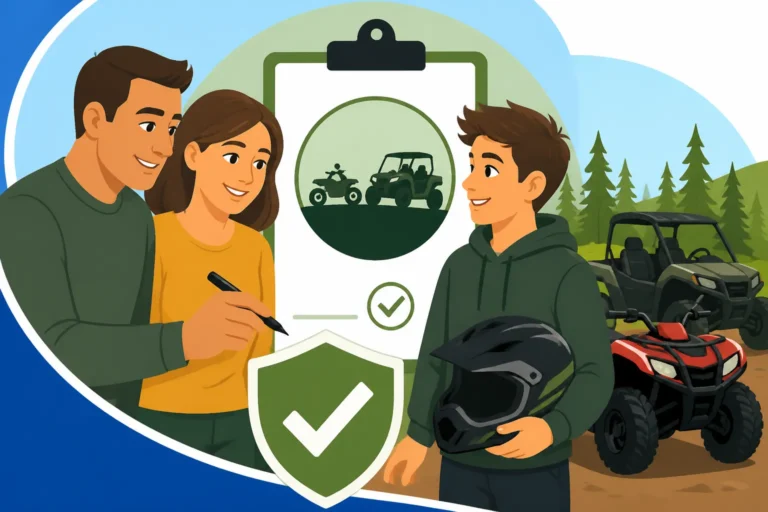
The age at which you can legally own and register an ORV in Manitoba is 16 years old. This is a common age across many types of vehicle registration, reflecting a certain level of maturity and responsibility. However, simply being 16 isn't the whole story. If you're between 16 and 18 years old, the province adds an extra layer of protection: you’ll need explicit parental or guardian consent to register an ORV in your name. This is a crucial step that ensures a responsible adult is aware of your purchase and your legal obligations as an ORV owner. Many parents will appreciate this safety measure, ensuring they have input before their teenager takes on the responsibility of an off-road machine.
The consent process typically involves a parent or legal guardian signing specific forms at the Autopac agent’s office. They will also need to present their own identification. This isn't just a formality; it's a legal safeguard. It acknowledges that while a 16 or 17-year-old is old enough to operate and own an ORV, the significant responsibilities that come with it, including liability and adherence to operating rules, warrant parental oversight. So, if you're a young rider looking to get your first quad, make sure your parents are on board and ready to accompany you to the Autopac agent. It's an important part of [Manitoba Registration Age of 16] and ensures everyone is on the same page.
Specific Scenarios and Common Exemptions
While the general rule in Manitoba is that all ORVs need to be registered, there are indeed a few specific situations and exemptions that can apply. These aren't loopholes to avoid registration, but rather carefully defined circumstances where the provincial government has determined that the typical requirements don't fit or aren't necessary. Understanding these can save you time and confusion, especially if your riding habits fall into one of these niche categories.
Riding Exclusively on Private Land
This is perhaps the most frequently asked question regarding ORV registration: "Do I need to register my quad if I only ride it on my own property?" The answer, in this very specific scenario, is generally no. Manitoba offers a clear [Manitoba Own-Property Registration Exemption]. If your ORV is exclusively operated on land that you own or lease, and it never touches public land, roads, ditches, or even crosses a municipal road (unless specifically allowed by by-law and then, typically, it needs to be registered), then you are exempt from the registration requirement. This exemption is primarily designed for farmers, ranchers, or those with large private estates where the machine's use is strictly confined.
However, a word of caution: "exclusively" means just that. The moment your wheels touch a public right-of-way, a Crown land trail, or even a friend's property that isn't connected to yours without crossing public land, you've likely lost that exemption. It's not uncommon for riders to accidentally stray onto public land or use a public ditch to get from one part of their property to another, thinking they're still covered. If caught without registration in such a situation, you could face fines. So, be absolutely certain your use is 100% private and contained. Many find it simpler to register anyway, just for peace of mind and the basic liability insurance that comes with it.
Machines in Remote Communities
Manitoba also recognizes that some communities are so isolated that the standard rules for ORV use and registration might not be practical or necessary. Therefore, there's an exemption for ORVs operated solely within certain designated remote communities. These are typically communities that do not have year-round all-weather road access, meaning they are largely reliant on winter roads or air travel for external connections. In such places, ORVs are often a primary mode of transportation, not just recreation. This exemption is in place to reduce barriers for residents in these unique circumstances.
However, just like the private land exemption, this isn't a blanket rule for any community that feels a bit "remote." The specific communities that qualify for this exemption are designated by the province. If you live in what you believe is a remote community, it's essential to verify if your area is officially on this list before relying on the exemption. And, similar to the private land rule, if you take your ORV outside of the designated remote community's boundaries, especially onto provincial roads or managed trails, the exemption no longer applies, and your machine would then require full registration.
Special Exemptions for Farmers and Trappers
Beyond the general private land and remote community exemptions, there are specific allowances for individuals engaged in certain traditional or essential activities. Farmers and licensed trappers benefit from particular exemptions that recognize the integral role ORVs play in their livelihoods. For farmers, an ORV used principally for agricultural purposes on their own land, or land they lease for farming, may not require registration. This allows them to use quads or side-by-sides for chores like checking fences, moving equipment, or herding livestock without an additional bureaucratic step.
Similarly, a licensed trapper operating an ORV within their registered trapline district can be exempt from registration. This acknowledges that ORVs are often essential tools for accessing remote traplines and transporting equipment or harvested furs. These exemptions are very specific and tied directly to the pursuit of farming or trapping as a commercial activity. If the ORV is used for recreational purposes, or if a farmer takes their quad to a public trail for a joyride, these exemptions would generally not apply. It's always best to verify the specific conditions with MPI or the relevant provincial department to ensure you meet all criteria for these very specific occupational exemptions.
Ownership Changes and Transferring Registration
The world of ORV ownership isn't always about brand-new machines from a dealer. A significant portion of the market involves buying and selling used quads, side-by-sides, and snowmobiles. This is where many riders encounter their biggest registration questions. Transferring ownership and ensuring the machine is properly registered in the new owner's name is a critical step that protects both the buyer and the seller. Skipping or mishandling this process can lead to headaches down the road, from unexpected tax bills to liability issues.
Selling Your Registered Machine
When you decide to sell your registered ORV in Manitoba, you have a few key responsibilities to ensure a smooth and legal transfer of ownership. The most important document is your Certificate of Registration. On the back of this certificate, you'll find a section specifically for transferring ownership. This section needs to be accurately completed, including the sale date, selling price, and the signature of both the seller and the buyer. It’s also wise to include the odometer or hour meter reading at the time of sale, if applicable. This completed form acts as the official bill of sale for MPI purposes, allowing the new owner to register the machine in their name.
As the seller, once you've signed over the registration certificate, it's generally a good practice to retain a copy for your records. This proves you've relinquished ownership and transferred responsibility. It's also important to be aware that your registration (and the associated basic insurance coverage) ceases the moment you transfer ownership. You can look into [Manitoba Transfer of Ownership Rules] for the specifics. Any unused portion of your registration fee might be refundable from MPI, but you'd need to contact them directly about that. The onus is on the buyer to then take the signed-over certificate to an Autopac agent and complete their new registration promptly.
Buying a Used ORV: What to Watch For
Buying a used ORV can be an exciting prospect, offering great value. However, it also comes with a unique set of considerations to ensure you don't inherit someone else's problems. The number one thing to get right is the transfer of ownership paperwork. Insist on a properly completed Certificate of Registration from the seller, with their signature and all details filled out. If the seller doesn't have the original Certificate of Registration, be very cautious. They might be able to get a duplicate from MPI, but it's a red flag that should prompt further investigation. If you're going the private sale route, you might find templates for a comprehensive bill of sale on sites like LawDepot, which can add an extra layer of clarity to the transaction.
Before finalizing the purchase, always verify the Vehicle Identification Number (VIN) on the machine matches the VIN on the registration certificate. A discrepancy here could indicate a stolen vehicle or a re-VINned machine. It’s also a good idea to perform a lien check through MPI or a service like Carfax (though specific ORV reporting may vary), especially for newer, higher-value machines that might have outstanding financing. You don't want to buy a quad only to find out the bank still owns it! Once you have the signed-over registration certificate, you have seven days to get to an Autopac agent and register the machine in your name. This is a strict deadline, and riding it unregistered during this period can lead to issues. Learn more about the process in [How to Register an ATV in Manitoba].
Handling Inherited or Gifted Machines
Receiving an ORV as a gift or through inheritance can be a wonderful thing, but the registration process has its own set of rules separate from a standard sale. When a machine is gifted, even if no money changes hands, MPI still requires a transfer of ownership. The giver (donor) will need to complete the transfer section on their Certificate of Registration, indicating that it was a gift rather than a sale with a monetary value. This is important because it impacts how Retail Sales Tax (RST) is handled. While there's no sale price to tax, MPI may still assess RST based on the machine's "fair market value," usually determined by industry guidebooks, unless it's explicitly exempt for certain family transfers.
For inherited machines, the process can be a bit more involved, depending on whether there's a will and how the estate is being administered. Generally, the executor or administrator of the deceased owner's estate will be responsible for completing the transfer section of the Certificate of Registration. They will need to provide documentation proving their authority to act on behalf of the estate. The new owner (beneficiary) then takes this documentation, along with their identification, to an Autopac agent to register the machine in their name. This ensures that the ownership chain is clear and legal, preventing any future disputes or complications. It's often helpful to consult with an Autopac agent early in this process to understand the specific documents required for your unique situation.
| Scenario | Required Documents (Typical) | Key Considerations |
|---|---|---|
| New Machine (Dealer) | NVIS, Dealer Bill of Sale, Personal ID | Dealer handles much of the initial paperwork; RST collected at sale. |
| Used Machine (Private) | Signed-over Registration Certificate (back section), Personal ID | Verify VIN, consider lien check, act within 7 days. |
| No Bill of Sale | Signed Declaration of Ownership (MPI form), Personal ID, proof of acquisition | More scrutiny, may require appraisal, limited to lower-value machines. |
| Inherited Machine | Deceased owner's Registration Certificate, Estate documents (will, letters) | Executor/Administrator completes transfer; fair market value for RST may apply. |
| Gifted Machine | Giver's Signed Registration Certificate (marked as gift), Personal ID | Fair market value for RST may apply, even with no cash exchange. |
| 16-17 Year Old Rider | As above, plus Parental/Guardian Consent Form (signed by parent at agent) | Parent/Guardian must be present with ID; [Manitoba Parental Consent From 16 to 18]. |
Ongoing Responsibilities and What to Carry
Getting your ORV registered is a significant first step, but it's not a "set it and forget it" situation. There are ongoing responsibilities that every ORV owner and operator in Manitoba needs to be aware of. From keeping your registration current to understanding what documents you must have on you when you're out riding, these details are crucial for legal and responsible operation. Neglecting these aspects can lead to fines, inconvenience, and even potential liability issues.
Renewing Your ORV Registration
Just like your car's insurance and registration, your ORV registration isn't a one-time deal; it needs to be renewed annually. The good news is that ORV registration renewal is typically tied to your Autopac policy, so it often aligns with the renewal cycle for your other vehicles. You'll receive a renewal reminder from MPI, usually well in advance of your expiry date. This reminder will detail the fees due, including the annual registration fee and the mandatory $25 Off-Road Vehicle Trails Fee. It's essential to not let your registration lapse, as operating an unregistered ORV is illegal and can lead to significant penalties, not to mention a lack of basic liability coverage.
You can renew your ORV registration at any Autopac agent. It's usually a quick and straightforward process if everything is in order. If you've moved or had other changes, make sure to update your information during the renewal. Keeping your contact information current with MPI is important so you receive all official communications. Many riders simply add their ORV to their existing Autopac policy, making the renewal process seamless. For more on this, check out [Manitoba ATV Registration Renewal]. It’s a simple annual task that ensures you can continue to hit the trails or fields without worry.
Carrying Your Registration Card and Plate Display
We touched on this earlier, but it truly bears repeating because it's one of the most common mistakes riders make: you must carry your registration card with you whenever you are operating your ORV. This isn't just a suggestion; it's a legal requirement under Manitoba's Off-Road Vehicles Act. Whether you're just putting around your property (if registered), traversing a trail, or crossing a road, if you're stopped by an enforcement officer, they will ask to see it. Failure to produce it can result in a fine. Think of it like your driver's license for your ORV.
The challenge, of course, is keeping a paper document safe and dry in the often rugged and wet environment of ORV riding. Many riders find a small, waterproof case or bag that can be securely attached to the machine, or kept in a pocket of their riding gear. Whatever method you choose, ensure it's accessible and protected from the elements. Equally important is the proper display of your registration plate. It needs to be securely mounted in the designated location for your machine type (e.g., rear for quads, front for dirt bikes), kept clean, and unobstructed so that it is clearly visible at all times. This visibility is not just for enforcement but also for identification in case of an incident.
Addressing Address Changes and Lost Documents
Life happens, and sometimes you move, or important documents get lost. When these situations arise, it’s crucial to know how to handle your ORV registration. If you change your address within Manitoba, you are legally required to notify MPI within 15 days. This isn't just about getting your mail; it ensures your registration details are accurate in the provincial database, which is important for any official communication or enforcement needs. You can typically update your address by visiting an Autopac agent.
If your registration card is lost, stolen, or damaged, don't panic. You can obtain a duplicate from any Autopac agent. There might be a small fee for this, but it's a necessary step to ensure you comply with the legal requirement of carrying your registration. Similarly, if your physical registration plate is lost, stolen, or damaged beyond recognition, you’ll need to apply for a replacement plate through an Autopac agent. They will guide you through the process, which usually involves completing a form and, in the case of a stolen plate, potentially filing a police report. Promptly replacing lost or damaged documents ensures you can continue to operate your ORV legally and avoid unnecessary fines.
Disclaimer
This article is for general informational purposes only and does not constitute professional advice. Laws, prices and regulations vary by location and change over time. Consult a qualified professional for guidance on your specific situation.