Manitoba Plates on the Front of a Two-Wheeler
One of the most common head-scratchers for new dirt bike and dual-sport owners in Manitoba is figuring out where exactly that single registration plate is supposed to go. Unlike quads or side-by-sides with their relatively flat rear surfaces, two-wheelers present a unique challenge, leading to confusion and, unfortunately, incorrect plate placement. This guide will clarify exactly where your plate needs to be mounted on a two-wheeled off-road vehicle in Manitoba, ensuring you stay compliant with the rules and avoid any unnecessary hassles.
The Unique Challenge of Two-Wheelers
Dirt bikes, trail bikes, and other two-wheeled off-road vehicles (ORVs) have a distinct design that sets them apart from their four-wheeled counterparts. This design difference is precisely what often causes confusion when it comes to plate mounting, as the "obvious" spots on a quad simply don't exist in the same way.
Why Two-Wheelers Differ from Quads and Side-by-Sides
Think about a typical ATV or side-by-side. They usually have a robust rear rack, a flat rear fender, or a dedicated bumper area that provides a clear, stable surface for mounting a license plate. It's often intuitive, and you see them on the back, plain as day. [Manitoba Plates on the Rear of a Quad] covers this common practice.
Two-wheelers, however, are built for agility, light weight, and navigating challenging terrain. Their rear ends are typically narrow, often occupied by a rear fender that flexes, a taillight assembly, or exposed suspension components. There's rarely a flat, rigid, and consistently visible spot at the back that meets the legal requirements for plate display. Many riders might instinctively try to zip-tie a plate to a rear fender or frame, only to find it quickly gets bent, covered in mud, or simply isn't visible from various angles. This is why the rules need to be specific.
The Manitoba Act's Specific Guidance
Thankfully, the province of Manitoba recognized these unique design challenges and provided clear, specific guidance within the Off-Road Vehicles Act. While many ORVs get their plate on the rear, the Act carves out an explicit exception and directive for two-wheeled machines. It understands that a "one-size-fits-all" approach to plate placement simply doesn't work across all ORV types.
The core principle behind all ORV plate requirements is visibility and ease of identification. Whether it's for law enforcement, trail management, or in the event of an incident, the plate needs to be readily identifiable. For two-wheelers, the legislature decided that the front of the machine provides the most consistent and practical location to achieve this, given the inherent limitations of the rear.
Where Your Plate Must Go on a Dirt Bike
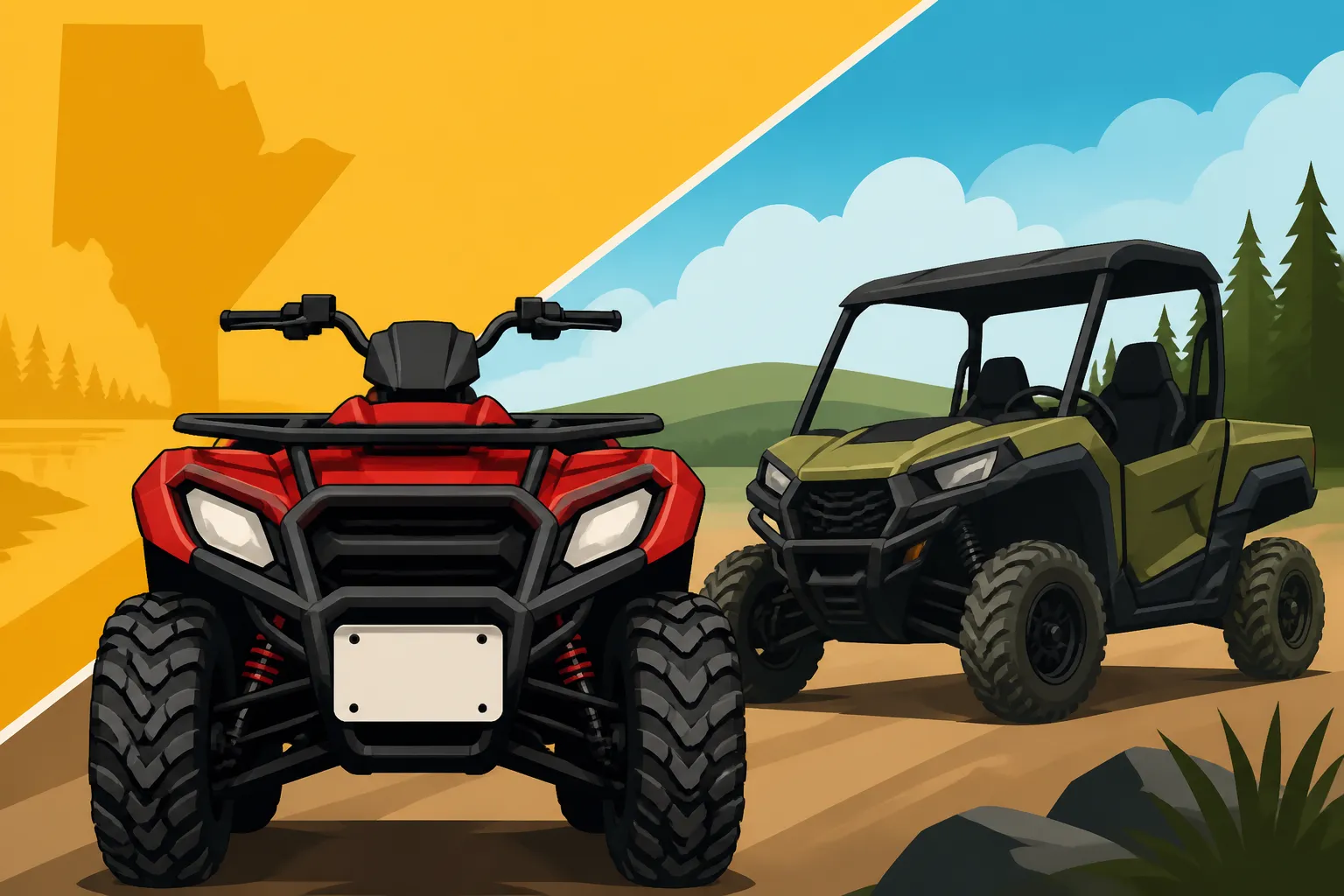
For any two-wheeled off-road vehicle in Manitoba, the rule is unequivocally clear: your registration plate must be mounted on the front of the machine. This isn't a suggestion; it's a legal requirement designed to ensure proper identification while riding.
The Front-Mount Requirement
Yes, you read that right. On a dirt bike, trail bike, or any other two-wheeled ORV, your registration plate belongs at the front. This stands in contrast to most other ORVs like ATVs and side-by-sides, which typically display their single plate on the rear. [Manitoba Plate Mounting by Machine Type] highlights these distinctions clearly. The intent here is to have the plate in a forward-facing position, easily visible to anyone approaching the machine or standing in front of it.
This might feel a little unusual if you're used to seeing license plates primarily on the back of vehicles. However, when you consider the design of most two-wheelers – the way the rear fender can get obscured by mud, the rider's body, or even luggage – placing it front and centre makes a lot of sense from an enforcement and safety perspective.
Visibility is Key
Beyond just being on the front, the plate must be mounted in a way that ensures it is clearly visible and legible at all times. This means:
- Unobstructed View: No part of the plate should be covered by cables, fairings, lights, fenders, or anything else on the machine. It needs to be fully exposed.
- Legible: The plate should be kept clean, so the numbers and letters can be easily read. A caked-on mud plate isn't going to cut it, even if it's technically mounted correctly.
- Securely Attached: The plate shouldn't be flapping in the wind, bouncing loosely, or at risk of falling off. It needs to be firmly affixed to the machine. [Mounting Your Plate Where It Can Be Seen] offers more general advice that definitely applies here.
Imagine a conservation officer or an RCMP officer needing to identify your machine quickly. They shouldn't have to squint, walk around the bike multiple times, or ask you to move your gear. The plate should be instantly recognizable.
Practical Considerations for Mounting
So, where exactly on the front? This is where the practical application comes in. Common locations include:
- Front Forks: Many riders opt to mount a small, custom bracket to the front fork tubes, often just above the front fender. This keeps it relatively low, out of the way of the handlebars, and provides good forward visibility.
- Headlight Shroud/Number Plate Area: If your two-wheeler has a rigid front number plate or a headlight shroud, this can be a suitable spot, provided it's flat enough and doesn't interfere with the light output. You'll want to ensure the plate is mounted securely enough to withstand vibration and impacts.
- Handlebar Clamp: Less common, but some riders might fashion a bracket to the handlebar clamp area. This can be tricky to keep truly visible without obstructing instruments or controls, so careful planning is needed.
The key is to find a spot that is as flat and vertical as possible, facing directly forward. Avoid mounting it at a severe angle where it becomes difficult to read. Remember, the province only issues [Manitoba Issues One Plate, Not Two], so that single plate needs to be placed strategically.
Common Mistakes and How to Avoid Them
Even with clear rules, it's easy to fall into traps when mounting your ORV plate on a two-wheeler. These mistakes often stem from assumptions, a lack of awareness of the specific regulations, or simply trying to make it "fit" where it doesn't belong.
Rear-Mounting Misconceptions
The most frequent error two-wheeler owners make is attempting to mount their plate on the rear fender or frame, just like an ATV or a motorcycle. It feels natural, right? That's where plates usually go. However, as we've covered, the Manitoba Off-Road Vehicles Act specifically directs two-wheeled ORVs to display their plate on the front.
Trying to force a plate onto a flimsy rear fender of a dirt bike almost guarantees it will get bent, broken, or ripped off during a ride through the bush or over rough trails. It might also become quickly caked in mud or hidden by the rider's legs or gear, rendering it invisible. An officer pulling up behind you won't see it, leading to potential issues. The law isn't just about having a plate, it's about displaying it correctly and visibly.
Obstruction by Gear or Rider
Another common oversight is mounting the plate in a location that seems visible when the machine is static, but becomes obscured once you're geared up and riding. For instance, if you mount it too close to the handlebars, your chest protector or even your arms might block the view. Similarly, front bags, tool rolls, or other accessories could easily cover the plate if not placed strategically.
Before you finalize your mounting spot, take a moment to sit on the bike in your riding gear. Have a friend walk around the front and verify that the plate is completely unobstructed from various angles, including slightly to the left and right. Consider how your posture and any mounted accessories might change the visibility. The aim is for maximum, consistent visibility, regardless of riding conditions.
Damaged or Illegible Plates
Our Manitoba trails can be tough on equipment, and ORV plates are no exception. A common mistake is not adequately protecting the plate once it's mounted. Plates can get bent by branches, cracked by impacts, or simply worn down and scratched, making the registration numbers hard to read. A plate that is damaged to the point of illegibility is just as problematic as having no plate at all.
To avoid this, consider robust mounting solutions that protect the plate. This might involve using a sturdy metal bracket rather than flimsy plastic, or even reinforcing the plate itself with a clear protective cover if allowed (check local regulations for any restrictions on plate covers). Regularly inspect your plate for damage and cleanliness. If it becomes severely damaged or unreadable, you'll need to contact your Autopac agent for a [Manitoba Plate Replacement If Lost] or damaged. It's far better to proactively replace a worn plate than to face a fine or delay from a law enforcement officer on the trail. LawDepot can be a good resource for understanding general legal obligations, though specific plate replacement procedures are handled by MPI.
Mounting Your Plate Securely and Legally
Now that we know where the plate goes and what to avoid, let's talk about how to mount it effectively. A secure and legal mount is crucial for longevity, compliance, and peace of mind on the trails.
Choosing the Right Bracket
The standard metal plate issued by MPI isn't designed with two-wheelers specifically in mind, so you'll almost certainly need an aftermarket bracket. Don't just rely on zip ties, as they often don't provide the rigidity or security needed for long-term use on an ORV.
- Universal Brackets: Many motorcycle accessory shops or online retailers sell universal license plate brackets. Look for ones made of sturdy metal (aluminum or steel) with multiple mounting points and adjustability. These can often be adapted to fit fork tubes, triple clamps, or front fairings.
- Model-Specific Brackets: For some popular dirt bike models, you might find custom-made brackets designed to integrate seamlessly. These are often the best option as they are engineered to fit perfectly and securely.
- DIY Solutions: If you're handy, fabricating your own bracket from sheet metal or sturdy plastic can be an option. Just ensure it's robust, corrosion-resistant, and provides a stable, forward-facing platform for the plate. Remember, the goal is not just to hold the plate, but to present it clearly and prevent damage.
When choosing, prioritize strength, vibration resistance, and corrosion resistance. The plate will be exposed to mud, water, dust, and vibrations, so flimsy materials won't last long.
Installation Best Practices
Once you have your bracket, installation needs to be done carefully to ensure both legality and durability.
- Select Your Spot: Re-confirm the optimal location on the front of your two-wheeler that is unobstructed, relatively flat, and provides good forward visibility. Consider factors like steering clearance, headlight beam, and potential interference with suspension travel.
- Test Fit: Before drilling or permanently attaching anything, hold the bracket and plate in place. Check clearances, visibility, and ensure it doesn't interfere with any controls or moving parts.
- Secure Fasteners: Use appropriate nuts, bolts, and washers. Lock washers or thread locker (like Loctite) are highly recommended to prevent bolts from vibrating loose on rough terrain. Self-tapping screws into plastic can work for lighter applications, but bolts through pre-drilled holes with backing washers provide much better security.
- Avoid Sharp Edges: Trim or deburr any sharp edges on your bracket that could snag clothing, injure you, or scratch the machine.
- Final Check: After installation, sit on the bike, turn the handlebars lock-to-lock, operate the suspension (if possible), and visually inspect from various angles to confirm the plate remains visible and secure.
Remember, the goal is a "set it and forget it" installation that won't require constant fiddling or re-securing after every ride.
Protecting Your Plate from Trail Abuse
Manitoba trails can throw a lot at your machine – flying rocks, mud, branches, and the occasional tumble. Your front-mounted plate is particularly vulnerable.
- Mud Flap/Guard: If your front fender is short, consider adding a small mud flap or guard directly above the plate to deflect some of the mud and debris that might otherwise coat it.
- Reinforcement: If the plate itself feels flimsy, you can back it with a thin piece of aluminum or plastic cut to size and secured along with the plate to the bracket. This adds rigidity and helps prevent bending.
- Clear Protective Film: Some riders apply a heavy-duty clear protective film over their plates. This can help prevent scratches and keep the numbers legible for longer, especially against abrasive dust and light impacts.
- Regular Cleaning: Make it a habit to wipe down your plate after every ride, or at least before your next outing. Dried, caked-on mud can become surprisingly tough to remove and obscures the plate effectively.
By taking these extra steps, you can significantly extend the life and legibility of your ORV plate, saving you the hassle and cost of replacement down the line.
Why This Specific Rule Matters
You might wonder why such a seemingly minor detail as plate placement warrants so much specific attention. The truth is, these rules aren't arbitrary; they serve important functions for both riders and the wider community. Understanding the "why" can help motivate compliance and ensure a safer, more enjoyable riding experience for everyone.
Enforcement and Identification
The primary reason for clear and consistent plate placement is for law enforcement. Conservation Officers, RCMP, and local police need to be able to quickly and easily identify ORVs. If a plate is missing, obscured, or mounted incorrectly, it hinders their ability to verify registration, track down owners in case of an incident, or enforce other regulations like age restrictions or trail usage rules. [What an Officer Can Ask to See in Manitoba] often includes proof of proper registration and plate display.
Think about it from an officer's perspective: if they're trying to monitor a trail system or investigate a complaint, a clearly visible plate allows them to do their job efficiently. A hidden or damaged plate only raises red flags and could lead to you being pulled over for an [Manitoba Equipment Checks by Officers] and facing an [Manitoba Ticket Costs for Riders].
Safety and Trail Stewardship
Proper identification also plays a role in safety and responsible trail stewardship. In the event of an accident, a clearly visible plate can help first responders identify the machine and potentially its owner, speeding up emergency procedures. It also holds riders accountable for their actions on public or club trails. If someone is riding irresponsibly, damaging property, or violating trail etiquette, an identifiable machine makes it possible to address the issue.
Many trails are maintained by volunteer clubs, funded in part by the ORV trails fee. Riders who properly register and display their plates are contributing to these efforts and demonstrating their commitment to responsible riding.
Consequences of Non-Compliance
Ignoring the plate placement rules can lead to more than just a stern talking-to. In Manitoba, operating an ORV without a properly displayed or legible registration plate can result in fines. These fines are designed to encourage compliance and ensure the integrity of the ORV registration system.
Beyond a monetary fine, an officer might also order you to correct the issue on the spot, or even have you remove your machine from the trail until it's rectified. This could put a serious damper on your riding day. Repeat offenses could lead to more significant penalties. It's always best to be proactive and ensure your plate is mounted correctly before you head out. Don't let a simple oversight turn into a frustrating and costly encounter.
Other Important Registration Details for Two-Wheelers
While plate placement is key for two-wheelers, it's part of a larger picture of responsible ORV ownership in Manitoba. There are other crucial aspects of registration that dirt bike and trail bike riders need to be aware of to stay on the right side of the law.
Carrying Your Registration Card
Having a properly mounted plate is only half the battle. You are legally required to carry your ORV registration certificate with you whenever you are operating the machine. This isn't just a suggestion; it's a non-negotiable part of responsible riding.
Think of it like your driver's license for your car – you wouldn't leave home without it. The registration card contains vital information about your machine and its registration status. In Manitoba, [Manitoba Registration Cards Carried at All Times] and [Carrying Your Registration Card on Every Ride] are fundamental rules. Keep it safe, dry, and accessible, perhaps in a waterproof bag in your backpack or a secure compartment on your bike. An officer can ask to see this document at any time, and not having it can lead to further complications.
The Trails Fee and Your Two-Wheeler
Every registered ORV in Manitoba, including two-wheelers, is subject to an annual trails fee. This fee is automatically collected when you register or renew your ORV registration through an Autopac agent. You might wonder, "What does this have to do with my plate?" Well, it's directly linked to the privilege of riding in the province.
The $25 trails fee isn't just an extra charge; it's a vital contribution to the province's trail infrastructure. This money goes towards maintaining existing ORV trails, developing new ones, funding signage, and supporting educational programs for riders. [The $25 Trails Fee Added to Every Registration] is a transparent part of the process. Even if you primarily ride on private land, this fee is still collected as part of the overall provincial registration system that aims to benefit all riders and ensure the sustainability of ORV recreation in Manitoba.
Age Restrictions for Riders
Finally, it's essential to remember that operating a two-wheeled ORV in Manitoba comes with specific age restrictions, just like other ORVs. These rules are in place for the safety of young riders and others sharing the trails.
- Minimum Age of 16: Generally, to register an ORV in your own name and operate it independently, you must be at least 16 years old. [Manitoba Registration Age of 16] outlines this clearly.
- Parental Consent: For riders between 16 and 18 years old, parental consent is usually required for registration and often for certain operating privileges.
- Supervision for Younger Riders: There are also rules governing younger riders (under 16) and the level of adult supervision they require, as well as restrictions on where they can ride. If you're registering a machine that might be used by a younger family member, specifically a [Manitoba Registration for a Dirt Bike] for a youth, make sure you understand all the operating rules pertaining to their age category.
Always ensure that any operator of your two-wheeled ORV meets the minimum age and licensing requirements for the specific riding environment. These rules are for everyone's safety and help prevent serious accidents.
Table: ORV Plate Placement Comparison in Manitoba
| ORV Type | Plate Location Requirement | Typical Mounting Spot | Common Pitfalls |
|---|---|---|---|
| Two-Wheeled ORV (Dirt Bike, Trail Bike) | Front of the machine | Front forks, headlight shroud, number plate area (with bracket) | Mounting on rear fender, obscured by gear/body, flimsy attachment |
| ATV (All-Terrain Vehicle) | Rear of the machine | Rear rack, rear fender, dedicated bumper area | Covered by luggage, mud, damaged taillight, zip-tied haphazardly |
| Side-by-Side (UTV) | Rear of the machine | Rear bumper, roll cage, dedicated plate bracket on the rear | Covered by spare tires, flag poles, rear window guards, caked in mud |
| Snowmobile | Left side of the machine | Tunnel, running board, side panel (requires specific orientation) | Not visible from left, covered by snow flap/tunnel bag, bent |
This table helps illustrate the specific distinction for two-wheelers, reinforcing that their front-mount requirement is unique among most ORV types.
Disclaimer
This article is for general informational purposes only and does not constitute professional advice. Laws, prices and regulations vary by location and change over time. Consult a qualified professional for guidance on your specific situation.