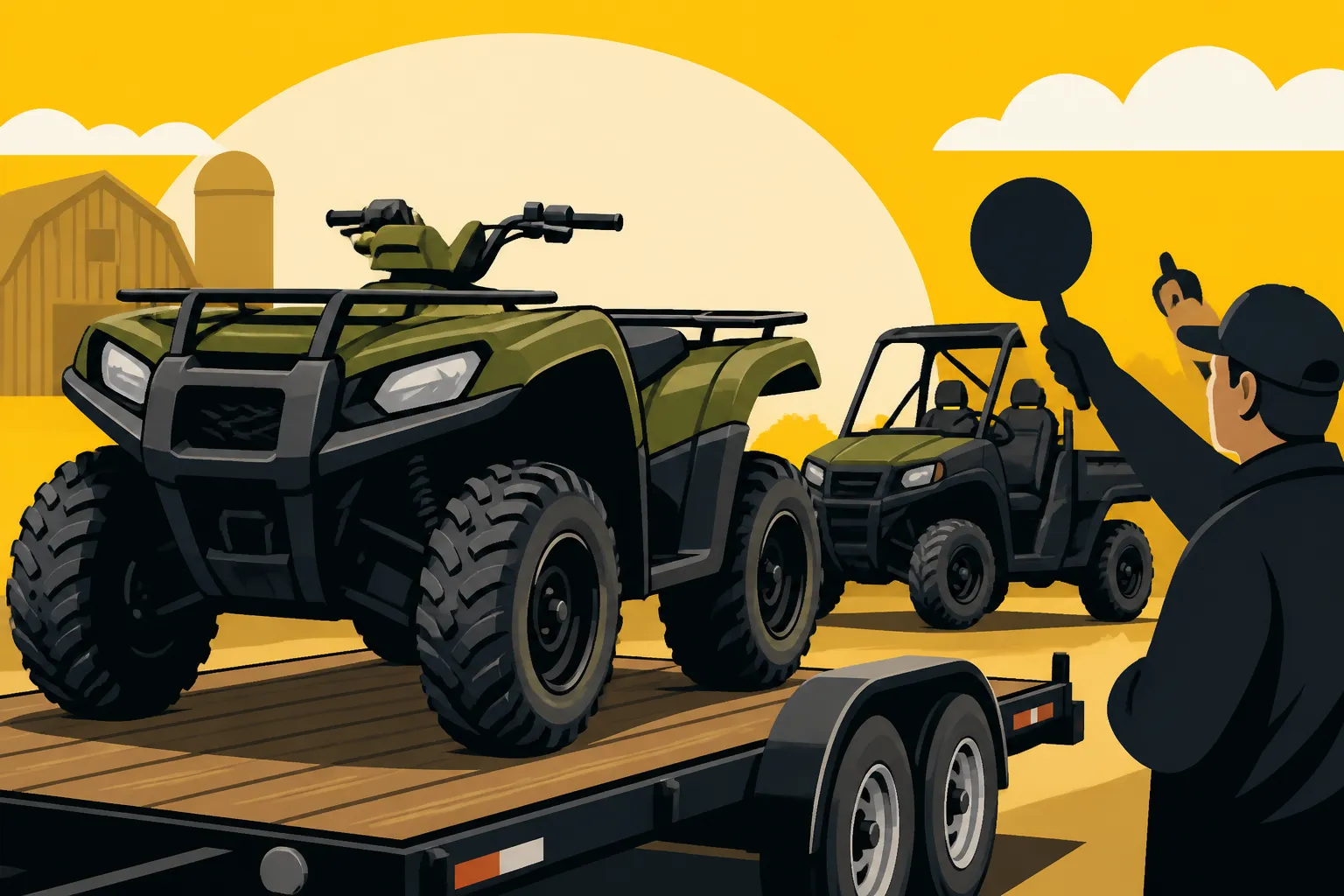
A Machine Bought at a Manitoba Farm Auction
Buying an ATV or UTV at a farm auction in Manitoba can feel like a fantastic opportunity – the thrill of the bid, the promise of a great deal, and the unique charm of a machine with a story. However, it often comes with a unique set of challenges, especially when it's time to actually get that machine registered and ready for the trails. This guide will walk you through the ins and outs of securing your auction-bought off-road vehicle and navigating the sometimes-tricky path to legal ownership and registration in Manitoba, addressing the common frustrations many riders face.
The Allure and the Anxiety of Auction Buys
There’s a certain romance to a farm auction, isn't there? You’re out in the Manitoba countryside, the air is buzzing with excitement, and you see all sorts of equipment that just needs a new home. For many, finding an off-road vehicle at one of these events seems like a hidden gem, a way to potentially snag a quad or side-by-side for less than retail. But that initial high can quickly turn into a headache when you realize the typical paperwork process you’d expect from a dealership just isn’t there.
Why Farm Auctions are Popular for Machines
Farm auctions are fantastic places to find a wide array of equipment, and off-road vehicles are no exception. Farmers often upgrade their machinery, or estates are being settled, leading to a diverse selection of ATVs and UTVs hitting the block. You might find anything from a well-loved utility quad that’s seen a few harvests to a recreational side-by-side that belonged to a family member. The appeal is clear: you could stumble upon a great deal, potentially bypassing dealership markups and getting a robust machine directly from a previous owner, often with a clear history of use, even if that history isn't documented. It feels like a very Manitoba way to buy a machine.
However, this excitement often comes with an unspoken caveat: "as-is, where-is." You're buying what you see, and while that can be great for a bargain, it also means you're taking on any potential mechanical or administrative issues that come with it. It’s a bit of a gamble, but for many, the potential reward of a sturdy machine at a good price makes it worth the risk.
The Core Challenge: Paperwork and Ownership Proof
Here's where the anxiety kicks in for most auction buyers: the paperwork, or lack thereof. When you buy a new or used ATV from a dealership, they handle all the heavy lifting: the bill of sale, the GST and PST collection, and often even the initial registration with Manitoba Public Insurance (MPI). When you buy privately, you typically get a signed bill of sale directly from the seller, which is then your key document for transfer of ownership.
At a farm auction, things can be much less straightforward. The auctioneer's primary job is to facilitate the sale and collect payment for the seller. They often provide a basic receipt of sale, perhaps listing the item number and your bid, but it rarely serves as a comprehensive bill of sale that MPI requires for transfer and registration. The original owner might not even be present to sign anything, especially if it’s an estate sale or a consignment. This lack of a clear, signed transfer document is the biggest hurdle for anyone trying to register an off-road vehicle bought this way, and it can leave you feeling frustrated and wondering if you truly own what you just paid for. [Manitoba Machines With No Paperwork] are definitely a headache.
Due Diligence Before the Hammer Falls
Before you get caught up in the bidding frenzy, it's absolutely critical to do your homework. That phrase "buyer beware" really applies to auction purchases, perhaps more than any other type of sale. Remember, once that hammer falls and the auctioneer points to you, that machine is yours, along with all its quirks and potential problems – both mechanical and administrative.
Inspecting the Machine on Site
This is your one chance to really look over the ATV or UTV you're interested in. Don't be shy! Get up close, walk around it, and if possible, ask if you can start it up. Look for obvious signs of wear and tear, especially in critical areas. Check the tires for cracks or excessive wear, examine the frame for bends or rust, and look underneath for any fluid leaks. Does the engine look well-maintained, or is it caked in mud and grime? Check the suspension components and steering for looseness.
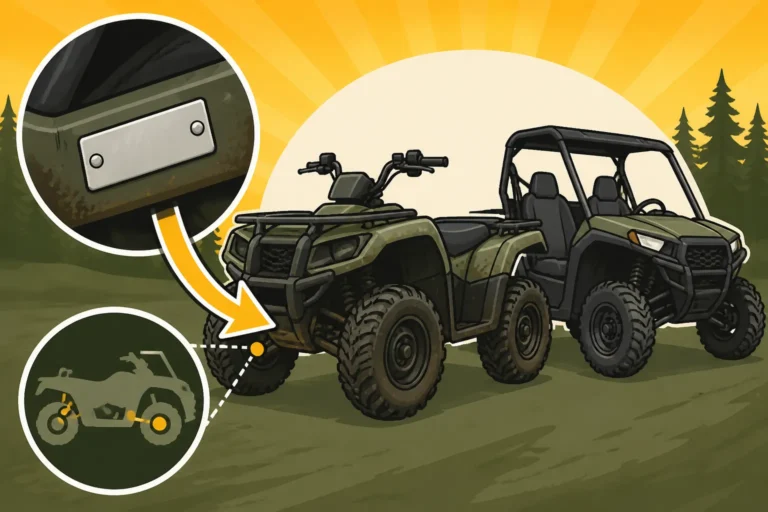
Most importantly, locate the Vehicle Identification Number (VIN). This is usually stamped into the frame, often on the front left side near the wheel, or on a sticker somewhere on the machine. Write it down, take a photo – anything to ensure you have it accurately. The VIN is like the machine's DNA; it’s essential for registration, checking for theft, and identifying any outstanding liens. If you can’t find a VIN, or if it appears tampered with, that’s a huge red flag and you might want to reconsider. Even if the machine looks great, you need that VIN for MPI.
Understanding the Auction Terms and Conditions
Every auction has its own set of rules, and it’s your responsibility to understand them before you bid. These terms will be posted somewhere prominent, often in the office or on the auctioneer's website. They cover everything from payment methods and deadlines to pickup arrangements and, crucially, the "as-is, where-is" clause. This clause means you have no recourse if you discover a major mechanical flaw or missing parts after the sale. The machine is sold exactly as it sits, with no warranties implied or offered by the seller or the auction house.
Pay close attention to any buyer's premiums – these are additional percentages added to your winning bid by the auction house – and understand how provincial sales tax (RST) will be applied. Some auctioneers collect RST directly, while others might state it's the buyer's responsibility to pay at MPI during registration. Knowing these details upfront prevents nasty surprises when it’s time to settle up. The auction house acts as a facilitator, often not taking direct ownership, which complicates the transfer process even further, as they typically won't provide the detailed bill of sale you'd get from a private seller.
Navigating the Paperwork Labyrinth After a Win
So, you won, the hammer fell, and you're now the proud (and perhaps slightly nervous) owner of a new-to-you off-road vehicle. Congratulations! Now comes the crucial step of gathering the right documentation to prove ownership and get it registered with MPI. This is often the trickiest part, as the standard methods of proving ownership might be lacking.
What You Should Get from the Auction
Ideally, after you've paid for your machine, the auction house will provide you with an official receipt. This receipt should, at a minimum, clearly state:
- The name of the auction company.
- The date of the sale.
- Your name as the buyer.
- A description of the item, including its lot number.
- The VIN of the machine.
- The price you paid (your winning bid plus any buyer's premium).
This receipt is your initial proof that you legally purchased the machine and paid for it. It's often the first piece of documentation an MPI agent will want to see. However, it’s important to understand that while it proves purchase, it doesn't always serve as the official "bill of sale" from the previous owner that MPI typically prefers for a clean transfer of ownership. It proves you bought it, but not necessarily that the person who sold it through the auction had clear title, or that they formally transferred it to you.
The Bill of Sale: Your Crucial Document
For MPI to process a transfer of ownership and register your ATV or UTV, they generally require a proper bill of sale. This document officially records the change of ownership from the seller to you, including specific details about the machine and the transaction. Without one, you’ll encounter roadblocks.
The challenge with auction buys is that the original seller might not be present to sign a traditional bill of sale directly with you. The auction receipt, as mentioned, is often too basic. If you can get hold of the previous owner through the auction house, or if they are present, it's highly recommended to ask them to sign a proper bill of sale. You can even bring your own template. Services like LawDepot offer simple, legally sound bill of sale templates that you can customize and print. Having the seller and yourself sign one of these, clearly listing the VIN, sale price, date, and contact information for both parties, can make your MPI visit much smoother. [Manitoba Transfer of Ownership Rules] are fairly strict about this.
What If the Seller Isn't There to Sign?
This is a very common scenario at farm auctions and probably the biggest frustration for buyers. If the previous owner isn't around, or simply won't engage in signing a separate bill of sale, you’re left with just the auction receipt. While this is less than ideal, it doesn't mean your machine can't be registered. It just means MPI will need to do a bit more legwork, and you might need to provide additional details or even sign an affidavit.
MPI agents are accustomed to these situations. They have procedures in place for when a conventional bill of sale isn’t available, such as for machines bought at auction, inherited, or simply very old with no existing paperwork. Be prepared to explain the circumstances of your purchase, present your auction receipt, and possibly fill out additional forms that MPI provides to establish a clear chain of ownership. It might take a bit longer, but it's usually resolvable. If the auction house can provide any documentation that links the machine to the previous owner, even if it's just a consignment agreement, bring that along too. Every little bit helps to establish the machine's history. When you go to [Manitoba Autopac Agents and ORV Registration], be ready for a few extra questions.
Registering Your Auction-Acquired ORV in Manitoba
The finish line is in sight! With your auction receipt and any other ownership documents you've managed to gather, it's time to head to an Autopac agent to get your machine officially registered. This step is non-negotiable if you plan to ride your ATV or UTV anywhere beyond your own private property in Manitoba.
The MPI Visit: What to Bring
When you visit your local Autopac agent, assemble all the paperwork you have. Here’s a checklist of what you should aim to bring:
- Your auction receipt: This is your primary proof of purchase. Ensure the VIN is clearly legible on it.
- A completed Bill of Sale (if you managed to get one signed): Even a self-generated one using a template from a service like LawDepot, signed by both you and the previous owner, is incredibly valuable.
- Proof of Identity: Your valid Manitoba driver's license or other government-issued photo ID.
- Proof of Age: If you are a younger rider, this might be required. [Registering Your First Quad at Age 16] requires parental consent for those 16-18.
- The VIN: Have it ready, written down clearly, in case it's hard to read on your documents.
- Payment for Registration and Taxes: Be prepared to pay the registration fees, the provincial sales tax (RST) on the purchase price, and the mandatory off-road trails fee. [Manitoba RST Collected at Registration] will happen at the counter.
The Autopac agent will review your documents, verify the VIN, and check for any outstanding liens or if the machine has been reported stolen. [Manitoba Registration and Lien Records] are routinely checked at this stage, and it's also where MPI performs [A Stolen Machine Check in Manitoba]. This process protects everyone involved.
Dealing with Missing or Incomplete Paperwork at MPI
Don't despair if your paperwork isn't perfect. As mentioned, Autopac agents deal with diverse scenarios, and they have protocols for dealing with non-standard purchases like auction buys. They might ask you to sign a declaration or affidavit attesting to the circumstances of the purchase and your rightful ownership. They might also have a specific form for [Manitoba Registration Without a Bill of Sale].
The key is to be honest, thorough, and patient. Clearly explain that the machine was bought at a farm auction and that a traditional bill of sale from the previous owner wasn't obtainable. Present your auction receipt as the foundational proof of purchase. The agent will then work through their internal process to establish ownership. If the agent needs to establish the value of the machine for RST purposes, especially if your purchase price seems unusually low or you don't have a clear purchase price on a bill of sale, they may refer to established valuation guides. [Manitoba Blue Book Values for ORVs] are what MPI uses to determine a fair market value for tax purposes.
Potential Roadblocks and Solutions
Even with good preparation, you might hit a snag. Here are a few common ones and how to approach them:
- Undisclosed Lien: If MPI discovers a lien on the machine, you will not be able to register it until that lien is cleared. This is a significant roadblock, as it means someone else still has a financial claim to the vehicle. You would then need to contact the lienholder (usually a bank or credit union) and the seller to resolve it, which can be a complex process. This highlights the importance of checking for liens before purchasing at an auction, if possible, but often that information isn't readily available.
- Stolen Vehicle: If the VIN comes back as stolen, the machine will be impounded, and you will lose your purchase. This is a tough reality of auction purchases and another reason why MPI's VIN check is so vital. Unfortunately, there's no recourse here for the buyer.
- Valuation Discrepancies for RST: If the value on your bill of sale (or auction receipt) seems too low to MPI, or if it's missing entirely, they may assess the provincial sales tax based on their own valuation guides, like the Blue Book. This means you could end up paying more RST than you anticipated. Having a clear, detailed bill of sale with the actual price paid (even if low) can help, but MPI still has the final say on valuation.
Once all the paperwork is sorted and fees paid, you’ll receive your registration certificate and the single Manitoba license plate. Remember, you must carry your registration card with you whenever you operate the machine. [Carrying Your Registration Card on Every Ride] is a legal requirement. You'll also need to know [Manitoba Plate Mounting by Machine Type] to ensure it's properly displayed. While the auction process can be a bit of a maze, with patience and the right documentation, you'll be hitting the trails in no time.
Disclaimer
This article is for general informational purposes only and does not constitute professional advice. Laws, prices and regulations vary by location and change over time. Consult a qualified professional for guidance on your specific situation.