Manitoba Impaired Riding Penalties
Riding an ATV or UTV in Manitoba can be an incredible experience, offering freedom and adventure across diverse landscapes, but for some, a moment of poor judgment can turn that freedom into a nightmare. Many riders underestimate the severe legal and personal consequences of operating an off-road vehicle while impaired by alcohol or drugs. This guide aims to shed light on the harsh realities and significant penalties you could face, helping you understand why responsible riding isn't just a suggestion, but a necessity to protect yourself, your machine, and your future.
The Serious Reality of Impaired Riding in Manitoba
It's a common misconception that impaired driving laws only apply to cars on paved roads. Many believe that because an ATV or UTV often operates off-road or in less populated areas, the rules are somehow more lenient or less strictly enforced. This couldn't be further from the truth in Manitoba. The provincial authorities, including the RCMP and local law enforcement, take impaired operation of any motorized vehicle very seriously, whether it's a truck on the Trans-Canada Highway or a side-by-side deep in the Whiteshell. The stakes are incredibly high, not just for your immediate freedom, but for your long-term legal and financial well-being.
The moment an officer suspects impairment, the easygoing day on the trails can evaporate, replaced by a stressful encounter with law enforcement and a cascade of legal processes. This isn't just about getting a ticket; it's about potentially losing your freedom, your license, and your reputation. The focus here isn't to scare you, but to provide a realistic picture of what can happen when riders make the dangerous choice to operate an ORV under the influence.
Understanding Impaired Operation
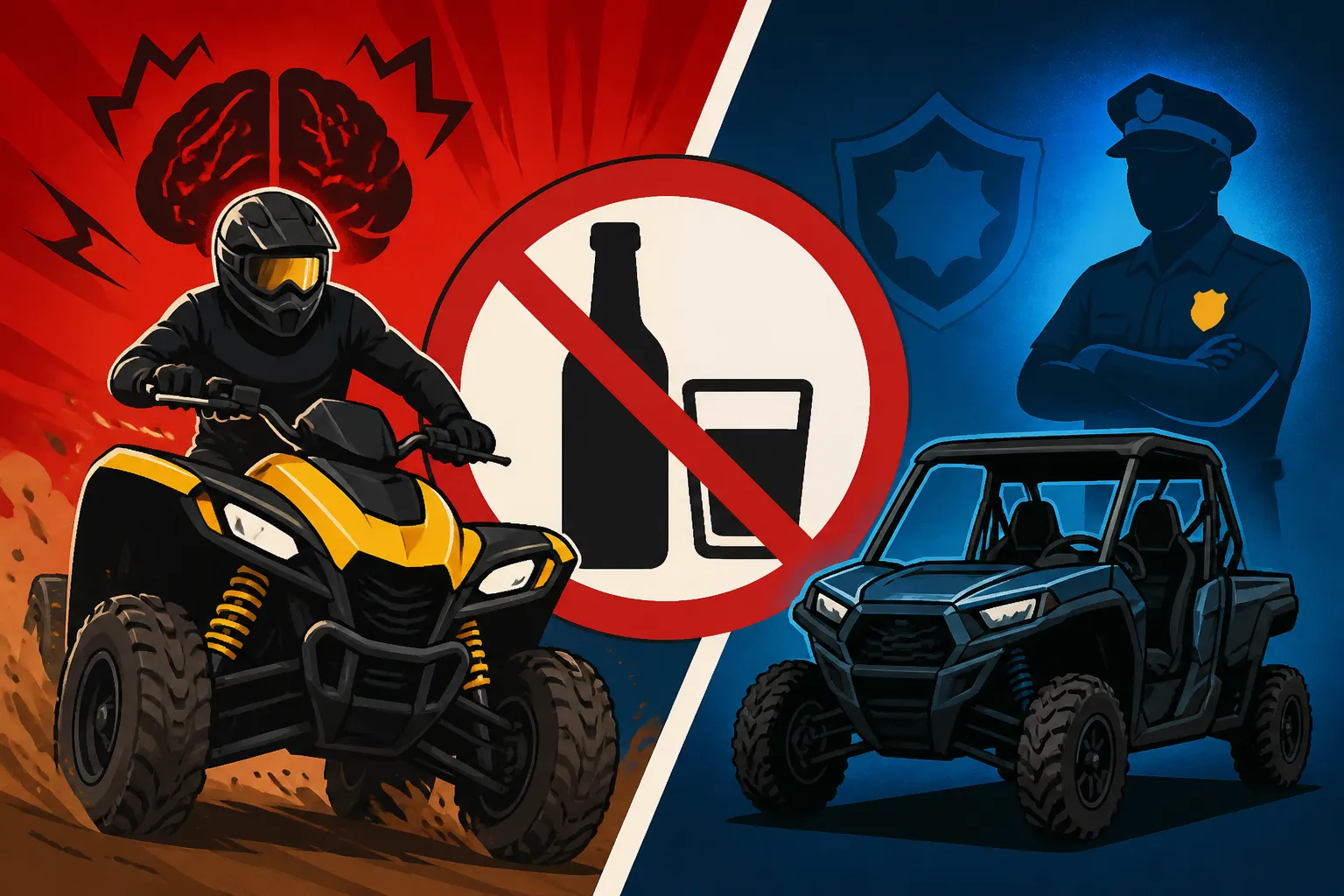
When we talk about impaired operation, most people immediately think of alcohol. And while drunk driving is certainly a major component, it's crucial to understand that "impaired" encompasses much more. In Manitoba, operating an ORV while impaired by any substance – alcohol, cannabis, prescription medications, or illegal drugs – is against the law. This means that even if you have a prescription for a drug, but it affects your ability to safely operate your machine, you could be deemed impaired.
Police officers are trained to recognize the signs of impairment, which can range from erratic driving patterns and poor coordination to slurred speech and bloodshot eyes. They have tools, like approved screening devices for alcohol and standardized field sobriety tests for drugs, to help them make an assessment. It's not just about a specific blood alcohol content (BAC) level; it's about whether your faculties are sufficiently affected to pose a risk. Even if you're not falling down drunk, if your judgment, reaction time, or motor skills are compromised, you're at risk of an impaired driving charge.
The Immediate Consequences on the Trail
Imagine you're out riding with friends, maybe enjoying a campfire later, and an officer approaches. If they suspect you're impaired, the situation will escalate quickly. First and foremost, you will be stopped, and potentially detained. Your ability to continue your ride, or even drive your truck and trailer home, will be immediately revoked. The machine you were operating, whether it's a trusty quad or a high-performance UTV with aftermarket upgrades from a company like SuperATV, will likely be impounded. This isn't just an inconvenience; it means your pride and joy is taken away, often to a storage lot, incurring fees every day it sits there.
Depending on the circumstances, you might be arrested and transported to a police detachment for further testing, such as providing breath samples or undergoing a drug recognition evaluation. This entire process is disruptive, embarrassing, and can set a grim tone for what's to come. It’s a stark reminder that the wilderness doesn't exempt you from the law, and the consequences start the very moment you're caught. An officer won't hesitate to enforce the rules, because riding impaired isn't just about your safety; it's about the safety of every other person on or near the trails, and the reputation of the entire riding community. You might also find yourself facing charges related to [Manitoba Impaired Riding Penalties], which carry their own specific legal weight.
Navigating the Legal Landscape: Penalties You'll Face
Once you're off the trail and in the legal system, the true weight of an impaired riding charge begins to unfold. These aren't minor infractions that you can simply pay a small fine and forget about. The penalties for impaired operation in Manitoba are designed to be a significant deterrent, reflecting the serious danger that impaired riders pose to themselves and others. The consequences can impact your ability to drive any vehicle, your finances, and even your future employment prospects. It’s a complex and often intimidating journey through the courts, potentially involving lawyers, court appearances, and a lot of stress.
The justice system aims to send a clear message: impaired operation is unacceptable. Even if you’re riding on remote Crown land, or using your machine for agricultural purposes, the rules still apply. It's important to understand that while many of these penalties are designed for road vehicles, they often extend to off-road vehicles as well, particularly when it comes to the provincial Highway Traffic Act and the Criminal Code of Canada.
Fines, Licence Suspensions, and Mandatory Programs
One of the most immediate and tangible penalties you'll face is a substantial fine. The specific amount can vary greatly depending on whether it's your first offense, your blood alcohol level, or if there were aggravating factors like an accident or injury. Expect these fines to be in the thousands of dollars, not hundreds. These are not minor tickets; they are serious financial hits that can strain your budget.
Beyond the fines, a conviction for impaired riding will almost certainly result in a driver's licence suspension. This is a critical point that many ORV riders overlook: even if you were operating an ATV or UTV and not a car, an impaired conviction will typically lead to a suspension of your driver's licence for all classes of vehicles. This means you won't be able to drive your car to work, take your kids to school, or even legally operate another ORV. These suspensions can range from one year for a first offense to much longer periods for repeat offenders. Reinstating your licence after the suspension period often involves additional fees and may require you to install an ignition interlock device in your vehicle, adding another layer of cost and inconvenience.
In addition to fines and suspensions, you'll likely be required to complete mandatory education or treatment programs. These programs are designed to address the underlying issues related to impaired driving and are a prerequisite for getting your licence back. Missing these programs or failing to complete them can further delay your return to driving.
Machine Seizure and Insurance Impacts
As mentioned, your ATV or UTV will almost certainly be impounded following an impaired riding charge. This isn't just temporary; getting it back can be a complicated and expensive process. You'll be responsible for towing fees and daily storage fees, which can quickly add up to hundreds, if not thousands, of dollars. The longer your machine sits, the more it costs you. For some, the expense of retrieving their machine can be so prohibitive that they simply abandon it, losing their investment entirely. Sometimes, police action means you will need to replace a few parts after the vehicle is released. Fortunately, vendors specializing in quality aftermarket parts, such as SuperATV, can often assist with those repairs.
The long-term financial consequences extend far beyond immediate fines and impoundment. An impaired driving conviction, even if it happened on a backwoods trail, will have a dramatic and lasting impact on your vehicle insurance rates. Your basic Autopac coverage will be affected, and your premiums for all your vehicles – your car, truck, and any other recreational vehicles – will skyrocket. Insurance companies view impaired drivers as high-risk, and they will adjust your rates accordingly for many years to come. In some cases, you might even find it difficult to obtain insurance at all, or be relegated to high-risk pools with exorbitant premiums. This financial burden can last for a decade or more, making every aspect of vehicle ownership significantly more expensive. For information on how this might impact your overall costs, you can explore topics like [Manitoba ATV Insurance Cost Per Year].
Criminal Record and Future Implications
Perhaps the most severe and enduring consequence of an impaired driving conviction in Manitoba is the acquisition of a criminal record. Unlike a simple traffic ticket, an impaired driving charge is a criminal offense under the Criminal Code of Canada. A criminal record isn't just a mark on a piece of paper; it's a permanent stain that can follow you for the rest of your life, impacting many areas you might not initially consider.
This record can severely hinder your employment opportunities, especially for jobs that require driving, bonding, or a clean background check. Many employers are hesitant to hire individuals with criminal records, regardless of the nature of the offense. If you travel internationally, particularly to the United States, a criminal record for impaired driving can lead to denial of entry at the border, disrupting vacations, business trips, or even family visits. This isn't just a temporary inconvenience; it can be a lifelong impediment to travel and can require costly and time-consuming legal processes to try and overcome. The ramifications extend to housing, volunteer opportunities, and even personal relationships, as the stigma of a criminal record can be difficult to shake. This far outweighs the initial enjoyment of a few drinks or drugs on the trail.
Beyond the Courtroom: The Ripple Effects of Impaired Riding
While the legal and financial penalties are substantial, the impact of impaired riding stretches far beyond courtrooms and bank accounts. The ripple effects can be felt in your personal life, your relationships, and the broader community, leaving a legacy of regret and difficulty. It’s easy to focus on the immediate thrill or perceived relaxation, but the potential collateral damage is immense and often underestimated until it's too late. Thinking about the long-term consequences can sometimes be the best deterrent against making a poor choice.
Many riders, especially those new to the sport, might not fully grasp how interconnected their actions on the trail are with their everyday life. An incident involving impaired riding can quickly unravel years of hard work and good standing, illustrating that responsible conduct is essential, regardless of where you choose to ride.
Personal and Financial Strain
Beyond the direct fines and increased insurance premiums, an impaired riding conviction can place immense personal and financial strain on you and your family. The cost of legal fees alone can be staggering, often reaching into the tens of thousands of dollars, even for a first offense. This doesn't include lost wages from time off work for court appearances, mandatory programs, or even potential job loss. If your licence is suspended, you might incur additional transportation costs, relying on taxis, public transit, or rides from friends and family, which can be both expensive and inconvenient.
The stress of navigating the legal system, dealing with the financial fallout, and coping with the shame or guilt can take a heavy toll on your mental and emotional well-being. It can strain relationships with family and friends who might be directly affected by your inability to drive or the financial pressures. The enjoyment you once found in riding can be replaced by anxiety and regret, making it difficult to fully appreciate the recreational aspects of your machine, even if you eventually get it back. The initial cost of your quad or side-by-side, plus any accessories or modifications, such as those you might add from SuperATV, becomes an even more bitter pill to swallow when considering these additional burdens.
Safety Risks and Community Impact
While legal penalties are important, the most critical consequence of impaired riding is the inherent safety risk it creates. Operating a powerful off-road machine while impaired severely compromises your judgment, reaction time, coordination, and ability to assess risks. This puts not only yourself in grave danger but also any passengers you might have, and other innocent trail users, including hikers, cyclists, or even other ORV riders. Accidents involving impaired riders can lead to serious injuries, paralysis, or even fatalities. The emotional and physical toll of such an event, whether you are the victim or the perpetrator, is immeasurable and can haunt lives forever.
Furthermore, incidents of impaired riding cast a negative shadow over the entire ATV and UTV community. When news breaks about an impaired rider causing an accident or violating rules, it fuels public and political sentiment against ORV use. This can lead to increased restrictions, trail closures, and stricter regulations for all riders, penalizing the vast majority who ride responsibly. It tarnishes the image of a sport that brings joy and recreation to many, making it harder for clubs to secure trail access or advocate for rider rights. Responsible riders cherish their access to trails, and the reckless actions of a few can jeopardize that access for everyone.
Preventing Impaired Riding
The solution to avoiding these severe penalties and consequences is simple: never operate an ATV or UTV while impaired. If you plan to consume alcohol or drugs, make alternative arrangements for transportation for yourself and your machine. Designate a sober driver, plan to camp overnight, or simply leave your machine parked. There are no shortcuts or exceptions to this rule. Just as you ensure your machine is in top mechanical condition, perhaps with quality parts to enhance performance and safety, ensuring your own mind and body are fully capable is the most crucial preparation for any ride. Being a responsible rider means making smart choices before you even put the key in the ignition. For more details on safe operating practices, you might find valuable information in articles such as [Manitoba ATV Age Requirements] or [Manitoba ATV Helmet Law].
Here's a quick overview of potential penalties:
| Offense Type | Initial Penalties (Varies by Case) | Licence Impact | Vehicle Impact | Long-Term Implications |
|---|---|---|---|---|
| First Offense | Substantial fine (thousands of $), criminal record | Minimum 1-year suspension (all classes) | ORV impoundment (fees apply), increased insurance | Difficulty with employment, international travel |
| Second Offense | Higher fines, longer jail time | Minimum 3-year suspension | Longer impoundment, further insurance increase | Significant career and travel barriers, stigma |
| Third+ Offense | Very high fines, significant jail time | Lifetime suspension (possible reinstatement) | Possible permanent forfeiture, prohibitive insurance | Severe limitations on all aspects of life |
| Impaired with Injury/Death | Severe criminal charges, lengthy jail time, massive fines | Extended or permanent licence suspension | Vehicle forfeiture likely | Life-altering legal and personal consequences |
Remember, this table provides a general overview, and actual penalties can vary based on the specifics of each case, including blood alcohol content, aggravating factors, and judicial discretion. The message is clear: the risk is never worth it.
Disclaimer
This article is for general informational purposes only and does not constitute professional advice. Laws, prices and regulations vary by location and change over time. Consult a qualified professional for guidance on your specific situation.