Manitoba Helmet Standards Accepted
Trying to make sense of all the different helmet standards for your ATV or UTV in Manitoba can feel like deciphering a secret code. You know you need a helmet, but what kind? Is that cool new lid you saw online actually legal here, or will it just lead to a ticket? This guide is going to walk you through exactly what Manitoba expects when it comes to approved helmet standards, so you can ride safely and confidently, without the worry of non-compliance.
The Foundation of Rider Safety: Manitoba's Helmet Law
Riding an off-road vehicle in Manitoba is an incredible experience, but it comes with a serious responsibility: protecting yourself. The province's off-road vehicle (ORV) legislation is very clear about the need for helmets, and it's not just a suggestion – it's law. This isn't about dampening your fun; it's about ensuring you get home safely after every adventure.
Who Needs to Wear a Helmet in Manitoba?
Generally speaking, if you're operating an off-road vehicle in Manitoba, or you're a passenger on one, you need to be wearing an approved helmet. This rule casts a wide net, covering everything from your trusty ATV to your family-friendly side-by-side. It doesn't matter if you're on a designated trail, crossing a ditch, or just puttering around a field that isn't your own property; if you're on a public thoroughfare or Crown land, that helmet needs to be strapped on.
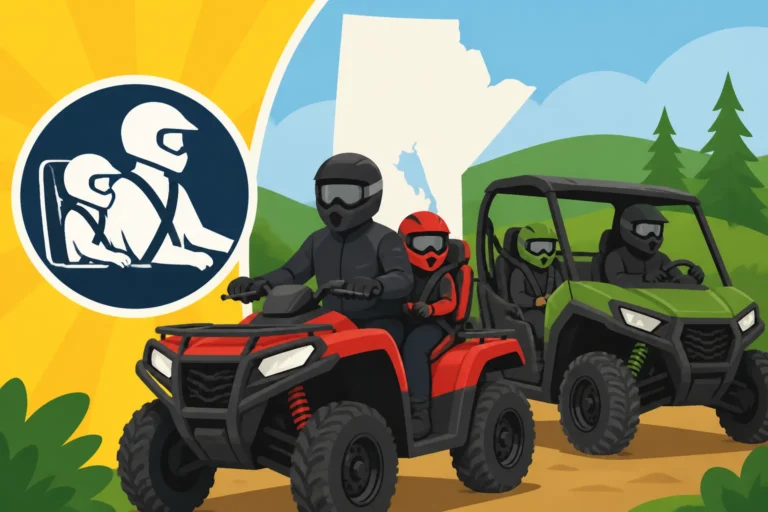
Think about it: whether you're a seasoned rider navigating challenging terrain or a new enthusiast learning the ropes, accidents can happen quickly and unexpectedly. A helmet is your first line of defense against head injuries, which can range from minor concussions to life-altering trauma. The law is designed to protect every person on the machine, and that includes your youngest passengers. For a deeper dive into rules around younger riders, you might want to read [Manitoba Rules for a Child Passenger]. The core message is consistent: if you're on an ORV, you need an appropriate helmet, because the risks are real and present no matter your age or experience level. It's a fundamental part of the riding experience here, much like ensuring your machine is properly registered.
Understanding the "Approved" Helmet Standard
This is where many riders get tripped up. It's not enough to simply wear any helmet; it must be an "approved" helmet. But what exactly does "approved" mean in the eyes of Manitoba law? Essentially, it means the helmet has been tested and certified by a recognized safety standards organization. These organizations put helmets through rigorous tests to ensure they meet certain criteria for impact absorption, penetration resistance, chin strap integrity, and peripheral vision.
When you're looking at helmets, you'll often see small stickers or labels inside indicating which standard it meets. These marks aren't just for show; they're proof that the helmet has undergone professional scrutiny and passed the necessary safety checks. Without one of these labels, your helmet, no matter how sturdy it feels, might not be considered "approved" by a Manitoba enforcement officer. So, before you hit the trails, make sure that label is clearly visible and recognized, because that sticker is your peace of mind and your compliance ticket all in one. For more information on what these labels look like, check out [Snell and FMVSS Marks].
Common Helmet Standards and What They Mean for You
When you walk into a powersports store or browse online, you'll quickly notice a variety of acronyms on helmet stickers: DOT, Snell, ECE. These aren't just random letters; they represent the different testing bodies and standards that ensure your helmet offers genuine protection. Understanding these differences can help you make an informed choice that aligns with Manitoba's requirements and your personal safety preferences.
The Canadian Standards Association (CSA) and its Role
While less common for dedicated powersports helmets compared to other standards, the Canadian Standards Association (CSA) is a highly respected organization that develops safety standards across numerous industries in Canada. When a helmet carries a CSA certification, it means it has been rigorously tested to meet specific Canadian safety requirements. These tests typically involve assessing the helmet's ability to withstand impacts, resist penetration from sharp objects, and maintain its structural integrity under stress.
For ORV helmets specifically, while CSA might not be the primary certifier you see, any helmet bearing this mark would certainly signify a high level of safety and compliance within Canada. If you encounter a helmet with a CSA sticker, you can be confident that it has met a recognized standard for protection. However, most riders will typically find helmets carrying other international certifications, which are also widely accepted in Manitoba. The key takeaway is that a CSA certification is a stamp of quality and safety, indicating a helmet designed to protect in accordance with Canadian standards.
US Department of Transportation (DOT) Certification (FMVSS 218)
The DOT certification, specifically Federal Motor Vehicle Safety Standard (FMVSS) 218, is probably the most commonly seen helmet standard in North America, including Manitoba. This standard is mandatory for all helmets sold for use on public roads in the United States, and it's widely accepted for off-road use in many places, including Manitoba. A DOT-certified helmet is designed to protect against a range of common impacts and provides a decent level of safety for most riding conditions.
The DOT standard focuses on ensuring a helmet can absorb significant impact energy, protecting your head from the kinds of forces experienced in a crash. It also tests for penetration resistance, ensuring that sharp objects are less likely to pierce the helmet shell. It's important to note that DOT certification is largely a self-certification process, meaning manufacturers test their own helmets and attest to their compliance, though the DOT does conduct random audits. When you see a "DOT" sticker, it's a good baseline indicator of safety. Many riders choose helmets with DOT certification because they are readily available and meet the legal minimums for protection in Manitoba, offering reliable defense during your rides, whether you're tackling muddy trails or cruising through the bush.
Snell Memorial Foundation (Snell) Certifications
For riders seeking an even higher level of protection, Snell certification is often the gold standard. The Snell Memorial Foundation is a non-profit organization that has been dedicated to helmet safety research, testing, and development since 1957. Unlike DOT's self-certification, Snell is an independent body that conducts its own, often more stringent, tests. This means a Snell-certified helmet has gone through an additional layer of scrutiny beyond what DOT requires.
Snell standards, such as the M2020 (Motorcycle) or SA2020 (Special Application, often for racing with fire resistance), push manufacturers to create helmets that can withstand multiple impacts in the same location and offer superior penetration resistance. While a DOT helmet is designed to protect you from one significant impact, Snell aims for protection through multiple impacts or more severe scenarios. This makes Snell helmets a popular choice for aggressive riders, racers, or anyone who simply wants the absolute best protection available. While not legally required over a DOT standard in Manitoba, choosing a Snell-certified helmet offers an added layer of confidence, knowing your head is encased in some of the most thoroughly tested protective gear on the market. Many performance-oriented helmets, which complement high-performance ORV parts like those from SuperATV, often carry Snell certification.
European and International Standards You Might Encounter
As the world gets smaller, you might encounter helmets that adhere to safety standards from outside North America. These international standards are often just as rigorous, if not more so, than their North American counterparts. Knowing what these certifications signify can broaden your options and ensure you're still selecting a helmet that provides adequate and legally accepted protection in Manitoba.
ECE R22.05/22.06: The European Standard
The Economic Commission for Europe (ECE) R22.05 (and its newer iteration, R22.06) is the mandatory standard for motorcycle helmets in over 50 countries worldwide, primarily in Europe, but also in many other regions. ECE-certified helmets are known for their comprehensive testing protocols, which include assessments for impact absorption, abrasion resistance, rigidity, and the reliability of the chin strap and visor. It's a very respected standard and is widely accepted as meeting or exceeding the safety requirements for ORV use in Manitoba.
One of the key differences often cited is that ECE testing involves multiple impact points on the helmet, and it sets specific limits for how much force can be transferred to the wearer's head, focusing on preventing critical brain injuries. This standard also emphasizes helmet weight, often resulting in lighter helmets that still offer robust protection. If you've purchased a helmet from a European brand or an international seller, it's highly likely to carry an ECE R22.05 or R22.06 sticker. Rest assured, these helmets are generally considered to provide excellent protection and are recognized for legal use on Manitoba's trails and pathways.
Other Less Common Standards (and a word of caution)
While DOT, Snell, and ECE cover the vast majority of approved helmets you'll find, there are other, less common standards out there, such as the Australian/New Zealand Standard (AS/NZS). These standards are typically developed for specific regional requirements and, while perfectly valid in their respective countries, might not be as universally recognized or explicitly listed as "approved" in Manitoba's regulations.
The important thing to remember here is to exercise caution. If a helmet doesn't carry a clear, widely recognized certification like DOT, Snell, or ECE, it's a good idea to research it thoroughly or consult with an Autopac agent or local powersports dealer. There's a growing market for inexpensive, uncertified, or even counterfeit helmets, especially online. These helmets might look the part, but they offer little to no real protection in an impact. They haven't been tested to any recognized standard, and relying on one could put your life at serious risk. Always prioritize genuine, certified protection over a bargain price. Your head is worth it.
Exemptions and Special Situations for Helmet Use
While the general rule in Manitoba is that if you're on an ORV, you need a helmet, there are a few very specific circumstances where this rule doesn't apply. These exemptions are not blanket passes to ride without protection; they are narrow, activity-specific allowances based on the unique nature of certain work or environments. Understanding these can prevent confusion, but it's crucial not to misinterpret them as widespread loopholes.
When the Helmet Rule Doesn't Apply: Farming, Fishing, Hunting, Trapping
Manitoba's ORV Act recognizes that certain agricultural, commercial, and recreational activities might make helmet use impractical or even unsafe in specific scenarios. Therefore, the helmet requirement is lifted for individuals engaged in these activities:
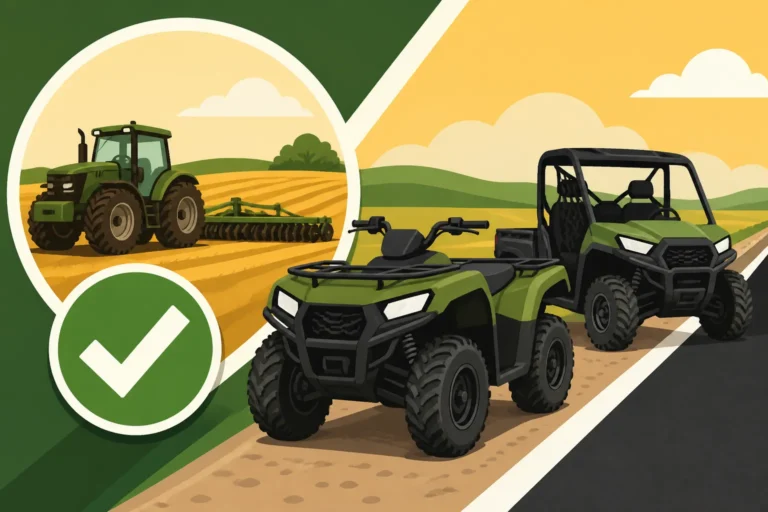
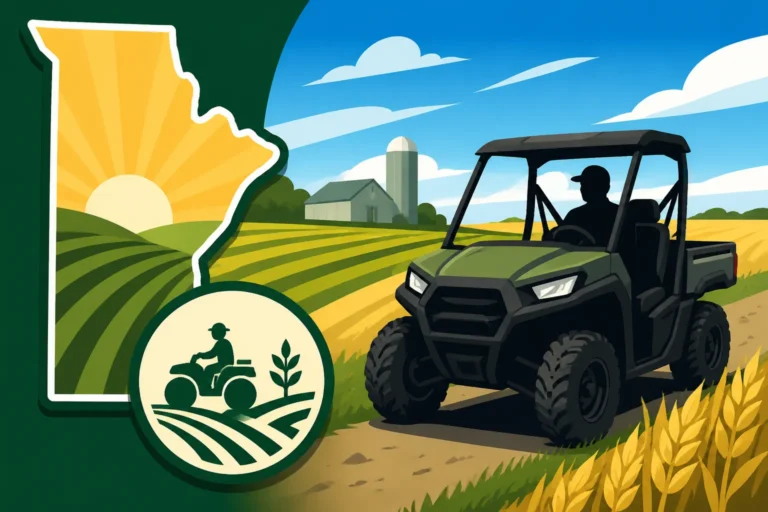
- Farming and Ranching: If you're using an ORV primarily for agricultural purposes on farmland, such as herding cattle, inspecting fences, or hauling small equipment, you might be exempt from wearing a helmet. The logic here is that these tasks often involve frequent stops, getting on and off the machine, and operating at very low speeds where the focus is on the task at hand rather than high-speed travel. However, this exemption typically applies only when you are actively engaged in farming work on agricultural land, not when you're simply riding the machine for recreation on a farmer's property. For more detailed information, see [Manitoba Farming and Fishing Helmet Exemptions].
- Commercial Fishing: Similar to farming, commercial fishers who use ORVs as an integral part of their business operations, such as checking nets on a frozen lake or transporting gear to remote areas, can also be exempt from the helmet rule while performing these duties. Again, the exemption is tied directly to the commercial activity.
- Hunting and Trapping: For licensed hunters and trappers using ORVs to access their hunting grounds or traplines, the helmet requirement may also be waived while they are actively pursuing their game or checking traps. This often involves navigating dense bush at low speeds, where peripheral vision and the ability to hear surrounding wildlife are critical, and a helmet might be seen as a hindrance. Again, this is for the act of hunting or trapping, not general recreational riding within a hunting zone. You can find more specifics on this at [Manitoba Hunting and Trapping Helmet Exemptions].
It's vital to remember that these are not blanket exemptions for anyone who happens to be a farmer, fisher, hunter, or trapper. The exemption only applies while you are performing those specific activities and often under specific conditions (e.g., on your own land, or on a registered trapline). If you finish hunting and decide to go for a recreational ride on a public trail, the helmet rule kicks right back in. Always be prepared to prove you are engaged in the exempted activity if an officer questions your helmet-less status.
Roll-Over Protective Structures (ROPS) and Seatbelts
This is a specific exemption that applies almost exclusively to side-by-side (UTV) vehicles, and it's where the design of your machine plays a crucial role. If your UTV is equipped by the manufacturer with a factory-installed Roll-Over Protective Structure (ROPS) and seatbelts, and you and your passengers are wearing those seatbelts properly, then you might be exempt from the helmet requirement. This exemption recognizes that a robust ROPS and seatbelts offer a significant level of protection in the event of a rollover or collision, effectively creating a "safety cell" around the occupants.
However, there's a critical caveat: you must be wearing your seatbelt. If you're in a UTV with a ROPS but you're not buckled in, the helmet rule still applies. The protection offered by the ROPS is only effective if you're secured within its confines. Many UTV owners enhance their machines with accessories like hard roofs, full windshields, and doors, which can provide additional comfort and weather protection. Companies like SuperATV offer a wide array of these UTV accessories that complement the factory ROPS, but remember, these additions, while great for comfort and utility, don't negate the seatbelt requirement for the helmet exemption. The core safety is in the ROPS and the seatbelt working together. Always double-check your machine's manual and the provincial regulations for the exact conditions of this exemption. More detail on this specific exemption can be found at [Manitoba Roll-Over Protection Exemptions].
Remote Communities and Specific Work Exemptions
Manitoba's ORV Act also acknowledges the unique challenges faced by residents and workers in remote communities, particularly those in the northern parts of the province. In certain designated remote communities, where ORVs are often essential for daily transportation, hunting, trapping, and accessing resources, residents might have different rules regarding helmet use. These are typically communities that are not connected by all-weather roads to the provincial highway network. The rationale here is to allow practical use of ORVs in environments where traditional vehicles are less viable, and where the nature of travel often involves lower speeds and specific community needs.
Furthermore, there are very specific work-related exemptions for certain industrial operations, such as those performed by Manitoba Hydro crews in remote or northern regions. For instance, [Manitoba Hydro Crews North of the 53rd Parallel] outlines situations where these workers might be exempt from helmet use while performing their duties, especially when operating specialized equipment or in situations where a helmet could impede communication or vision critical to the job. These exemptions are highly specific, temporary, and context-dependent, tailored to the unique operational requirements of essential services in challenging environments. It's not a general pass for anyone doing "work" but rather applies to tightly defined roles and locations. If you're not explicitly part of such an operation or a resident of a designated remote community, assume the general helmet law applies.
Choosing the Right Helmet and Maintenance
Selecting a helmet isn't just about meeting legal requirements; it's about choosing the right piece of safety equipment for you and your riding style. A properly chosen and maintained helmet can make all the difference in an accident. It's an investment in your safety, and a little knowledge goes a long way in ensuring that investment truly protects you.
Factors to Consider When Buying a Helmet
Beyond just the "approved" sticker, there's a lot to think about when you're helmet shopping. It's not a one-size-fits-all situation, and what works for one rider might not be ideal for another.
- Fit is King: This is perhaps the most crucial factor. A helmet that doesn't fit properly won't protect you effectively. It shouldn't move around on your head, nor should it create painful pressure points. When you try one on, it should feel snug all around, not just on your forehead. Shake your head from side to side; if the helmet slides, it's too big. If it's too tight in spots, you'll get headaches. Take your time, try on several sizes and brands, and consult with store staff. A well-fitting helmet is surprisingly comfortable, even after hours of riding.
- Comfort and Ventilation: Long rides mean you'll appreciate good ventilation. Look for helmets with adjustable vents that allow airflow, especially important during Manitoba's hot summers. Comfort also comes down to the interior padding – breathable, moisture-wicking materials are a huge plus.
- Weight: While not always a deal-breaker, a lighter helmet can reduce neck fatigue on longer rides. Modern materials like carbon fibre can significantly cut down on weight without compromising safety.
- Full-Face vs. Open-Face: For ORV riding, a full-face helmet offers the most comprehensive protection, covering your chin and jaw. Many ORV-specific full-face helmets have a larger eyeport for goggles and better airflow. While open-face helmets exist, they leave your face vulnerable, which isn't ideal for the impacts, dust, and debris common in off-road environments. Consider the terrain you ride and the potential for facial impacts.
- Budget vs. Safety Ratings: You don't need to break the bank to get a safe helmet. DOT-certified helmets offer excellent protection and are available at various price points. As mentioned, Snell or ECE certifications often come with a higher price tag due to more rigorous testing and advanced materials, but they offer enhanced protection. Decide what level of safety you're comfortable with and find the best helmet within your budget that meets those standards.
Remember, the goal is to find a helmet you'll actually want to wear every single time you ride.
Helmet Care, Lifespan, and When to Replace It
A helmet is a critical piece of safety gear, and like any gear, it requires proper care to function optimally and has a finite lifespan. Neglecting its maintenance or ignoring its age can severely compromise its protective capabilities.
- Cleaning and Storage: Keep your helmet clean. Use mild soap and water for the exterior shell and a gentle, helmet-specific cleaner for the interior padding, many of which are removable for washing. Avoid harsh chemicals, as they can degrade the helmet materials. Store your helmet in a cool, dry place, away from direct sunlight and extreme temperatures, which can damage the EPS (expanded polystyrene) foam liner. Keeping it in a helmet bag can protect it from scratches and dust.
- Lifespan: Helmets don't last forever, even if they've never been in a crash. The materials, especially the EPS liner and adhesives, degrade over time due to exposure to UV light, sweat, oils from your skin, and general wear and tear. Most helmet manufacturers and safety organizations recommend replacing your helmet every five to seven years from the date of manufacture (often stamped inside the helmet), or sooner if you ride frequently or in harsh conditions. While accessories from companies like SuperATV can enhance your ride's performance and comfort, they don't extend the life or protective capabilities of your helmet; that's a separate, vital concern.
- Replacement After Impact: This is non-negotiable. If your helmet has been involved in any impact, even if it looks fine on the outside, it needs to be replaced immediately. The EPS foam liner, which is designed to crush and absorb energy, can be compromised in a single impact, rendering it useless for subsequent hits. You might not see any visible damage, but the structural integrity could be gone. Think of it as a crumple zone in a car; once it's deployed, it's done its job and needs replacement. Do not take chances with a compromised helmet. Investing in a new helmet after an incident is far cheaper than the cost of a severe head injury. For more on maintaining your gear and ensuring it remains effective, you might find [Keeping an Older Helmet the Rules Still Accept] helpful, though remember, even older approved helmets have a lifespan.
Consequences of Non-Compliance and Enforcement
Riding without an approved helmet in Manitoba isn't just a safety risk; it's a legal one. Law enforcement officers take helmet laws seriously, not just to issue tickets, but because they understand the severe consequences that can arise from head injuries. Knowing the penalties and why officers enforce these rules can help reinforce the importance of always riding safely and legally.
Penalties for Not Wearing an Approved Helmet
If you're caught operating or riding as a passenger on an ORV without wearing an approved helmet, you're facing more than just a stern lecture. Manitoba's ORV Act carries specific penalties for non-compliance, which typically include a fine. While specific fine amounts can change, you can generally expect a significant financial hit.
Beyond the immediate fine, there can be other, less obvious consequences. For instance, if you're involved in an accident while not wearing an approved helmet, your insurance coverage could be impacted. While basic registration includes some third-party liability coverage, personal injury claims or additional coverage you might have purchased could be contested or reduced if you weren't following the law. This could leave you on the hook for substantial medical bills or other damages. Furthermore, repeated offences could lead to more severe penalties, including potential suspension of your driving privileges or other legal repercussions. It's simply not worth the risk, financially or physically. You can learn more about general penalties in Manitoba at [Manitoba Ticket Costs for Riders] and about insurance implications in [Manitoba Insurance Included With Registration].
Why Officers Care About Helmet Standards
Enforcement officers in Manitoba, whether it's the RCMP, local police, or Conservation Officers, aren't just looking to hand out tickets. Their primary concern is public safety and the well-being of riders. They've seen firsthand the devastating impact of head injuries that could have been prevented or significantly mitigated by a properly worn, approved helmet.
- Injury Prevention: Officers understand that a helmet is the single most effective piece of safety equipment in preventing severe head trauma. When they see a rider without one, they see a preventable risk. Their intervention is often driven by a desire to ensure you don't become another statistic.
- Setting a Precedent: By enforcing helmet laws, officers help reinforce the importance of responsible riding within the ORV community. This contributes to a culture of safety that benefits all riders, especially newer ones or young people learning the ropes.
- Beyond the Ticket: While a fine is the immediate consequence, an officer's goal is often educational. They want riders to understand why the law exists. They might check for proper registration, proof of age, or even your [Manitoba Registration Cards Carried at All Times]. It's all part of ensuring a safe and regulated riding environment for everyone. They are enforcing a vital safety measure that literally saves lives and prevents life-altering injuries. When an officer pulls you over for a helmet violation, remember it's ultimately about your safety, not just about the numbers on their quota.
Helmet Standards Comparison Table
To give you a clearer picture of the primary helmet standards accepted in Manitoba, here's a quick comparison:
| Standard | Issuer/Authority | Key Focus | Testing Rigor | Common Helmets Found | Notes |
|---|---|---|---|---|---|
| DOT | US Department of Transportation (FMVSS 218) | Impact absorption, penetration resistance, chin strap retention | Self-certified, random audits | Widely available, baseline protection | Legal minimum for most North American road use, generally accepted for ORVs in Manitoba |
| Snell | Snell Memorial Foundation | Multi-impact resistance, higher penetration resistance | Independent, very rigorous and comprehensive | High-performance, racing helmets | Often considered "gold standard" for safety, exceeds DOT requirements |
| ECE | Economic Commission for Europe (R22.05/06) | Impact absorption (multiple points), abrasion, rigidity, vision | Government-mandated, comprehensive | European brands, international models | Mandatory in over 50 countries, widely accepted in Manitoba |
| CSA | Canadian Standards Association | Impact protection, general safety standards | Rigorous, Canadian-specific | Less common for dedicated ORV helmets | A respected Canadian certification, though other international standards are prevalent |
Disclaimer
This article is for general informational purposes only and does not constitute professional advice. Laws, prices and regulations vary by location and change over time. Consult a qualified professional for guidance on your specific situation.