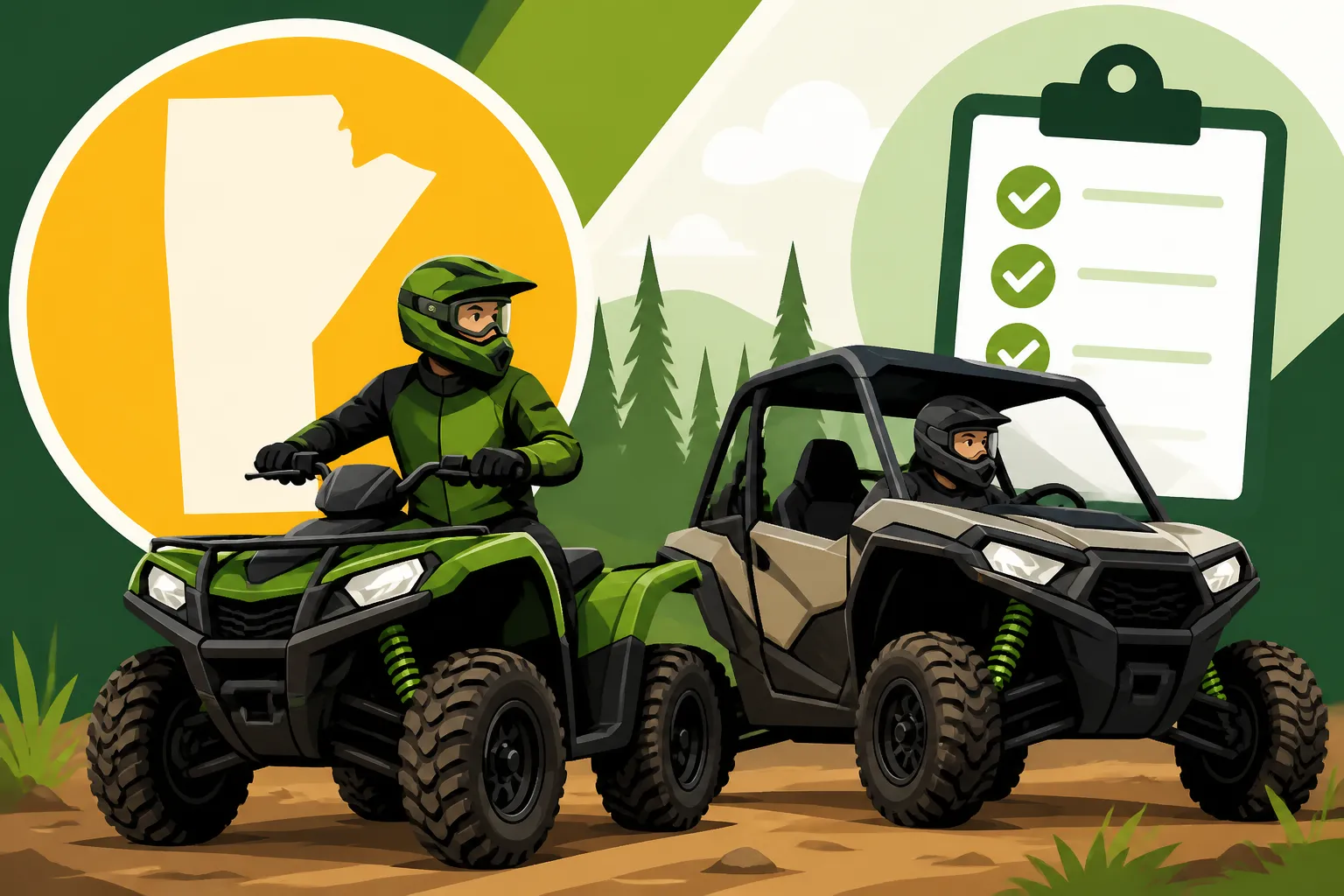
Manitoba Learner Stage Riders at 15 and a Half
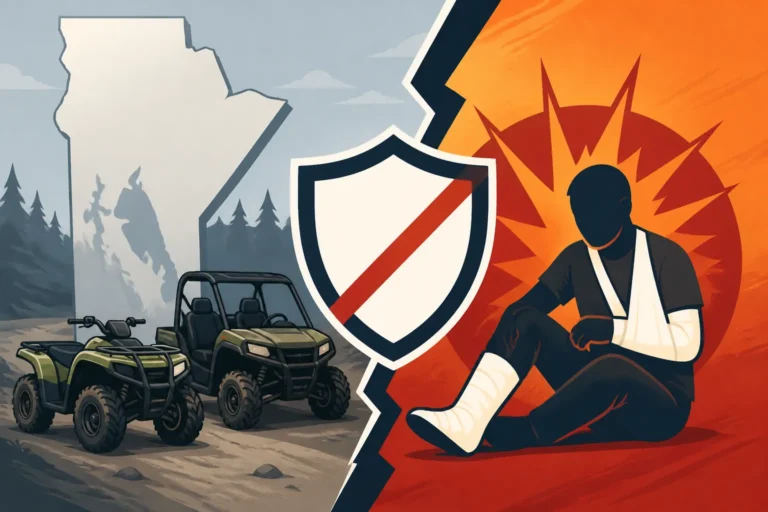
Many parents and young riders in Manitoba find themselves scratching their heads when it comes to understanding the specific rules for operating ATVs and UTVs, especially for those just starting out. The age of 15 and a half, in particular, comes with a unique set of privileges and important restrictions that can be confusing. This guide aims to clear up all the complexities surrounding the "learner stage" for off-road vehicle operators in Manitoba, explaining exactly what's allowed, what's prohibited, and the crucial role of adult supervision to ensure safe and legal riding.
Understanding Manitoba's Age Restrictions for ORV Riders
Manitoba has a clearly defined, multi-tiered system for who can operate an off-road vehicle (ORV), including ATVs and UTVs, and under what conditions. It's not a free-for-all, nor is it a single blanket rule for all young people. Instead, the province has carefully considered the developmental stages of young individuals and designed regulations to match their increasing capabilities and responsibilities. This approach acknowledges that while younger children can certainly learn to ride, their judgment and physical skills are still developing, necessitating stricter controls.
The Multi-Tiered Approach to Young Operators
Think of Manitoba's ORV age rules as a ladder, with each rung representing a new set of freedoms and responsibilities. It starts with very restrictive guidelines for the youngest riders, gradually easing as they mature and gain experience. This isn't just about throwing numbers at kids; it's about progressively empowering them while always prioritizing safety. For example, a child under 14 years old faces very different rules than a 15.5-year-old, and both are distinct from a fully licensed adult. These tiers aim to provide a structured pathway for youth to become competent and responsible ORV operators, reducing risks as they gain proficiency.
The provincial government recognizes that not all machines are created equal, and neither are all operators. Rules are put in place to ensure that the machine an individual is riding is appropriate for their size and skill level, as well as to dictate where and how they can operate it. This helps prevent situations where an inexperienced rider might be put in a dangerous situation, whether by the machine itself or the environment they're riding in. It's a system built on common sense and a strong commitment to rider safety, which is something we can all appreciate when hitting the trails.
Why Age-Specific Rules Are So Crucial
It's easy to look at age restrictions and feel they're arbitrary or overly cautious, but there's a serious rationale behind them. Operating an ORV, whether it's an ATV or a side-by-side, requires a significant amount of coordination, quick decision-making, and an understanding of risks. Younger riders, particularly those still developing their spatial awareness and impulse control, may not possess these attributes to the same degree as an adult. The rules are designed to mitigate these developmental differences, protecting both the young operator and others sharing the trails or roadways.
Consider the potential for accidents: a momentary lapse in judgment, a miscalculation of speed, or an inability to react swiftly to changing terrain can have severe consequences. Age-specific regulations, therefore, act as a protective barrier, ensuring that riders are either old enough to handle these challenges independently or are under the direct supervision of an experienced adult who can guide them. This also extends to understanding and adhering to traffic laws when operating near public roads, which demands a level of maturity that isn't present in very young children.
A Quick Look at Different Age Brackets
Before diving deep into the 15.5-year-old category, it's helpful to see where it fits in the broader spectrum of Manitoba's age guidelines for ORV operation. Generally, riders under 14 have very limited operating privileges and must always be under direct adult supervision on designated areas. Then, at 14 years old, there's a slight increase in autonomy, though significant restrictions still apply, especially regarding road use and supervision. You can find more details on these stages in our guide to [Manitoba Rules for a 14-Year-Old Rider].
The jump to 16 years old brings another significant shift, often aligning with the ability to obtain a regular driver's license, which broadens ORV operating privileges considerably. However, even then, certain ORV-specific rules remain. Each age bracket is carefully delineated to reflect a rider's presumed level of experience, judgment, and physical capability. This progressive system is designed to shepherd young riders towards safe and responsible operation as they grow.
The Learner Stage: What Being 15 and a Half Means for ORV Operators
Ah, the 15 and a half mark! This specific age often feels like a bit of an anomaly, sandwiched between the stricter rules for younger teens and the more expansive freedoms of fully licensed 16-year-olds. However, it's a very intentional stage in Manitoba's ORV framework, granting certain conditional permissions while still emphasizing caution and supervision. It’s a transition period, allowing young riders to gain valuable experience in more varied settings, but always with a safety net firmly in place.
Defining the "Learner Stage" in Manitoba
For the purposes of ORV operation, the "learner stage" in Manitoba for someone who is 15.5 years old is directly linked to the province's graduated licensing system for motor vehicles. While they may not yet hold a full Class 5 driver's license, being 15 and a half allows these young individuals to be considered for a Class 6 Learner Stage (or Class 5 Learner for cars, which is often a prerequisite mindset). This means they are permitted to operate an ORV on certain public thoroughfares, specifically ditches, provided they meet stringent conditions. This isn't about giving them free rein; it's about controlled exposure to more complex riding environments.
The crucial takeaway here is that "learner" implies ongoing education and supervision. It's not a license to ride independently on public land. This stage is designed to bridge the gap between riding exclusively on private land or designated trails and the eventual full autonomy granted at 16. It’s about building confidence and skill under watchful eyes, preparing them for the greater responsibilities that come with a full license. This gradual approach is key to developing safe riding habits from a young age.
Specific Privileges and Limitations at 15.5 Years Old
At 15 and a half, an ORV operator in Manitoba gains the specific privilege of being able to operate an ORV on a highway shoulder or in a ditch. This is a significant step up from younger age groups, who are generally restricted from such areas. However, this privilege comes with very clear and non-negotiable limitations. The most critical is the requirement for direct adult supervision. The supervisor must be at least 18 years old, hold a valid driver's license, and be capable of operating the ORV themselves. They must also be in a position to effectively supervise the learner, often meaning they are riding alongside or very close to them.
Another key limitation is that while they can operate in ditches, they generally cannot cross a highway unless they hold a valid Class 5 driver's license (which most 15.5-year-olds don't have yet). This is a vital safety distinction, as highway crossings are inherently risky manoeuvres requiring seasoned judgment. Therefore, a 15.5-year-old rider is largely confined to the ditch or shoulder and is expected to follow all other ORV operating rules, such as helmet use and machine registration. The goal is to provide a controlled environment for learning public road interaction, not unfettered access. For more on general ditch rules, see [Manitoba Ditch Riding Rules].
The Role of Formal Driver Training (or Lack Thereof)
While formal driver training is an excellent idea for any ORV operator, and certainly for young riders, it's important to clarify its specific role (or lack thereof) in the legal framework for 15.5-year-old learner stage riders in Manitoba. Unlike obtaining a Class 5 driver's license for a car, there is no mandatory ORV-specific safety course or certification required by law to reach this "learner stage" for ORV operation. The age itself, combined with the supervision requirement, is the primary legal determinant.
However, just because it's not legally mandated doesn't mean it's not incredibly beneficial. Many organizations offer excellent voluntary ORV safety courses that teach crucial skills, hazard recognition, and responsible riding practices. Taking such a course can significantly enhance a young rider's capabilities and confidence, making the supervised ditch riding experience much safer and more productive. While a 15.5-year-old can legally ride in a ditch with supervision without a formal course, investing in one is a smart move for any family committed to safety. It's about going beyond the minimum legal requirements to foster genuinely skilled and cautious riders.
Navigating Roadways and Ditches as a Learner Rider
The ability to operate an ORV in a highway ditch or on a shoulder marks a significant milestone for a 15.5-year-old rider. It opens up new possibilities for accessing trails and connecting riding areas, moving beyond strictly private land. However, this newfound privilege comes with a heightened sense of responsibility and a very precise set of rules that must be understood and followed to the letter. These rules are designed to ensure that ORVs, which are not designed for road travel, can safely coexist in proximity to standard highway traffic.
Ditch Riding Rules for 15.5-Year-Olds
For a 15.5-year-old in Manitoba, operating an ORV in a ditch is conditional on constant, direct adult supervision. This means an adult (18+, valid driver's license, ORV-competent) must be with them, actively overseeing their operation. When riding in a ditch, the learner must travel on the right-hand side of the roadway and in the same direction as the adjacent traffic. This isn't just a suggestion; it's a critical safety measure to ensure visibility and predictability for other road users. Riding against traffic, even in a ditch, is extremely dangerous and illegal.
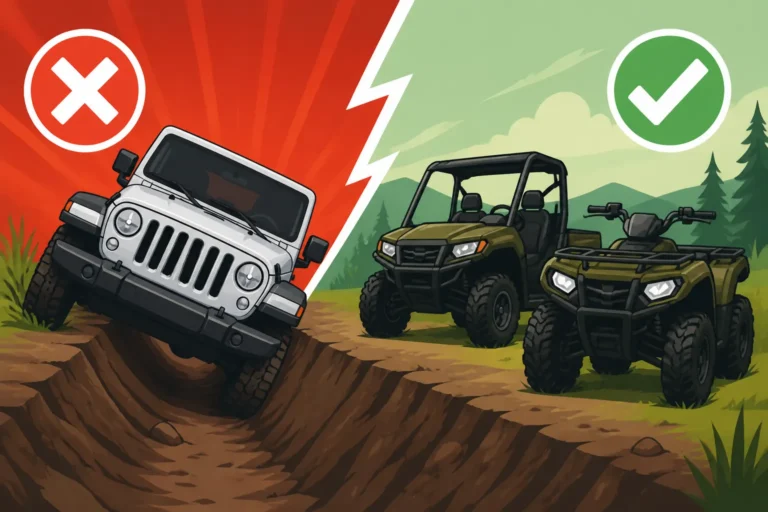
Furthermore, the machine itself must be registered, and the rider must carry the [Manitoba Registration Cards Carried at All Times]. Speed limits and other operational rules that apply to ORVs in ditches still apply to the learner. For instance, the 30-metre dwelling rule (avoiding residential areas after dark) or other specific municipal by-laws must still be adhered to. The ditch isn't a free-for-all; it's a designated area for ORV travel under strict conditions, especially for young learners. Companies like SuperATV, while known for performance parts, also offer accessories like mirrors or enhanced lighting that can improve a rider's awareness and visibility when operating in these semi-public spaces.
Crossing Highways: The Learner Rider's Restrictions
This is where the distinction for a 15.5-year-old learner becomes critically important: they are generally not permitted to cross a highway unless they hold a valid Class 5 driver's license. Since most 15.5-year-olds are still in the Class 5 Learner stage for cars, or haven't even started, this effectively means they are barred from performing highway crossings with their ORV. This can be a major point of confusion and frustration for young riders who see adults crossing.
The rationale is clear: crossing a highway, even at designated points like intersections or where clear visibility exists, demands a high degree of judgment, understanding of traffic patterns, and quick reflexes. These are skills that are still developing in a 15.5-year-old. [Manitoba Crossings Need a Driver's Licence] for a reason – it signifies a proven level of competence in navigating public roads. Therefore, if a trail or riding area requires crossing a highway, the 15.5-year-old learner must be trailered across or find an alternative route that avoids the crossing. This is a non-negotiable safety rule designed to prevent serious accidents.
Municipal By-Laws and Their Impact on Young Riders
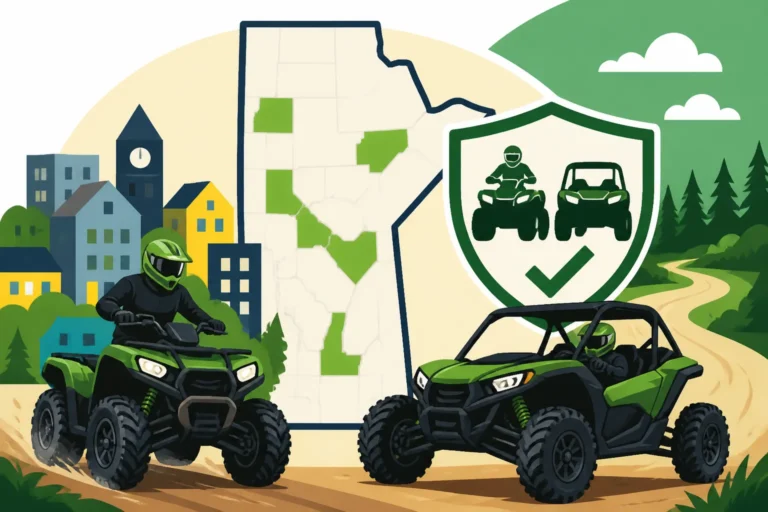
Beyond provincial regulations, municipalities in Manitoba have the power to enact their own by-laws regarding ORV use within their specific boundaries. This means that rules can vary significantly from one town or rural municipality to another. What's permitted in one area might be strictly forbidden just a few kilometres down the road. For a 15.5-year-old learner, this adds another layer of complexity to understanding where they can legally ride.
Before heading out, especially to a new area, it is absolutely essential to check local municipal by-laws. Some communities might have stricter rules regarding ditch riding, restrict ORV access on certain local roads, or have specific curfews for young riders. These local regulations often exist to address community concerns about noise, safety, and property damage. Ignoring them can lead to fines and legal trouble, even if you are otherwise complying with provincial laws. Always assume that local rules might be more restrictive, and do your homework before you unload your machine. You can learn more about this in [Manitoba Municipal By-Law Powers].
Supervision and Other Key Requirements for Young Operators
The concept of supervision is the bedrock of safe and legal ORV operation for 15.5-year-old learners in Manitoba. It's not just a suggestion; it's a mandatory requirement that shapes every aspect of their riding experience. Beyond supervision, there are other crucial safety and legal requirements that all young operators must adhere to, ensuring their well-being and compliance with provincial statutes. These are non-negotiable elements that help foster responsible riding habits from the outset.
The Absolute Requirement for Adult Supervision
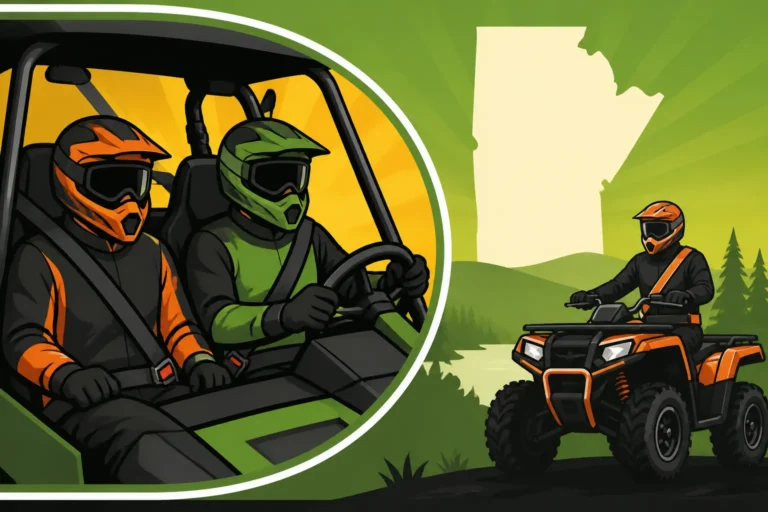
Let's be unequivocally clear: a 15.5-year-old operating an ORV in a ditch or on a highway shoulder in Manitoba must be under the direct supervision of an adult. This isn't a passive role. The supervising adult must meet specific criteria: they need to be at least 18 years of age, hold a valid driver's license (Class 5 or higher), and be competent enough to operate an ORV themselves. Furthermore, they must be in a position to effectively supervise the learner, meaning they should be riding a separate ORV alongside or directly behind the young rider, maintaining clear visibility and communication.
This supervision is about more than just presence; it's about guidance, instruction, and immediate intervention if necessary. The supervisor is responsible for ensuring the learner understands and follows all rules, makes safe decisions, and reacts appropriately to hazards. They are the primary safety officer in that riding scenario. Without this adult supervision, a 15.5-year-old found operating an ORV in these areas would be in violation of provincial regulations, leading to potential fines and other penalties. It's a serious responsibility for both the learner and the adult.
Helmet Laws and Other Safety Gear
Regardless of age or experience level, wearing a helmet is a fundamental safety requirement for all ORV operators and passengers in Manitoba, and this absolutely includes 15.5-year-old learners. The law specifies that the helmet must meet recognized safety standards, such as Snell or FMVSS (Federal Motor Vehicle Safety Standard). A proper-fitting, certified helmet can literally be a lifesaver in the event of an accident, protecting against severe head injuries. You can read more about this in [Manitoba ATV Helmet Law].
Beyond the helmet, other safety gear is highly recommended, though not always legally mandated. This includes eye protection (goggles or a helmet visor), sturdy over-the-ankle boots, gloves, long pants, and a long-sleeved shirt. These items provide crucial protection against flying debris, branches, and potential abrasions in a fall. While ORVs from manufacturers like Can-Am or Polaris are built with safety in mind, additional gear significantly enhances rider protection. Parents should ensure their young riders are always equipped with appropriate protective apparel for every ride, regardless of the terrain or duration.
The Importance of Carrying Proper Documentation
Just like an adult operator, a 15.5-year-old learner, along with their supervising adult, must ensure that all necessary documentation is readily available when operating an ORV. This includes the ORV's registration certificate and proof of ownership. While the ORV insurance is included with registration, carrying the physical card proves your compliance. It’s not enough for the machine to be registered; you need to be able to prove it if asked by a law enforcement officer. [Carrying Your Registration Card on Every Ride] is a non-negotiable rule.
Additionally, the supervising adult must carry their valid driver's license, as this is part of the criteria for being a legal supervisor. While the 15.5-year-old does not need a driver's license to operate the ORV under supervision, having their personal identification (like a birth certificate or Manitoba ID card) on hand is always a good practice. Ensuring all paperwork is in order prevents unnecessary delays and potential penalties during an ORV stop. Always keep these documents secure and protected from the elements while riding.
What Happens After the Learner Stage? Progressing to a Full Licence
The learner stage at 15 and a half is a crucial stepping stone, but it's by no means the final destination for young ORV operators in Manitoba. The provincial framework is designed to facilitate a natural progression towards greater independence and responsibility. Understanding what comes next, and how to prepare for it, is just as important as navigating the current rules. This prepares both the rider and their family for the future of their ORV adventures.
Moving from Learner to Fully Licensed Operator
The next significant milestone for a young ORV operator in Manitoba typically occurs at the age of 16. At this point, assuming they have successfully completed the requirements for a Class 5 Stage 1 (Learner) or full Class 5 (Intermediate/Experienced) driver's license for a car, their ORV operating privileges expand considerably. A 16-year-old with a valid Class 5 driver's license can operate an ORV on a highway shoulder or in a ditch without direct adult supervision. This is a major step towards independence. You can compare this to [Manitoba Rules for a 16-Year-Old Rider].
However, even with a Class 5 license, certain ORV-specific rules still apply. For example, while they can now cross highways (provided they meet the conditions for safe crossing, like having a clear view and yielding to traffic), they are still bound by rules regarding where ORVs can operate (e.g., generally not on paved roadways, medians, or sidewalks). The progression isn't about unlimited freedom; it's about earning the trust to make sound decisions independently in more varied environments.
The Path to Independent ORV Operation
The journey to becoming a fully independent and responsible ORV operator involves more than just reaching a certain age. It's about developing a deep understanding of the machine, the terrain, and the rules of the road (or ditch, as it were). For a young rider transitioning from the supervised learner stage, seeking out additional training, even if not legally required, is highly advisable. Practicing safe riding techniques, learning machine maintenance basics, and constantly honing judgment skills are all part of this path.
This continuous learning helps build the confidence and competence needed to handle diverse riding conditions and unexpected situations. For example, mastering techniques for navigating challenging terrain or safely using accessories like a winch, which might be found on machines equipped with SuperATV recovery gear, are skills best learned progressively. Independent operation means taking full responsibility for one's actions and decisions, and the best way to prepare for that is through consistent, informed practice.
Long-Term Safety Habits for All Riders
Ultimately, the goal of Manitoba's age-tiered ORV regulations is to instill long-term safety habits in all riders, starting from their formative years. The rules for 15.5-year-old learners, with their emphasis on supervision and controlled environments, are designed to create a foundation of cautious and respectful riding. These habits — wearing appropriate safety gear, understanding your machine's limits, respecting speed limits, knowing when and where you can legally ride, and always being aware of your surroundings — are crucial for a lifetime of safe ORV enjoyment.
Whether you're a seasoned veteran or just starting out, the core principles of ORV safety remain constant. The regulations might seem complex at first glance, but they are all geared towards reducing risks and ensuring that Manitoba remains a fantastic, and safe, place to enjoy off-road vehicles. Passing these values and practices on to the next generation of riders is arguably the most important outcome of the entire licensing and operating framework.
Manitoba ORV Age Restrictions Summary
To help clarify the various age brackets and their associated privileges and restrictions for off-road vehicle operation in Manitoba, the table below provides a concise overview. This focuses on the ability to operate on public land, specifically ditches or roadways, and the requirements for supervision and licensing.
| Age Bracket | Can Ride on Private Land | Can Ride in Ditches/Shoulders | Can Cross Highways (w/conditions) | Supervision Required (for public areas) | Driver's Licence Required (for public areas) |
|---|---|---|---|---|---|
| Under 14 | Yes (with conditions) | No | No | Yes (always) | No |
| 14 Years Old | Yes | Limited (with conditions) | No | Yes (always) | No |
| 15.5 Years Old | Yes | Yes (with conditions) | No (unless Class 5 held) | Yes (always) | No (unless crossing highway) |
| 16 Years Old+ | Yes | Yes (with conditions) | Yes (with Class 5, conditions) | No (if Class 5 held) | Yes (Class 5 required for ditch/crossing) |
This table provides a quick reference, but remember that specific conditions, local by-laws, and the requirement to carry proper documentation always apply.
Disclaimer
This article is for general informational purposes only and does not constitute professional advice. Laws, prices and regulations vary by location and change over time. Consult a qualified professional for guidance on your specific situation.