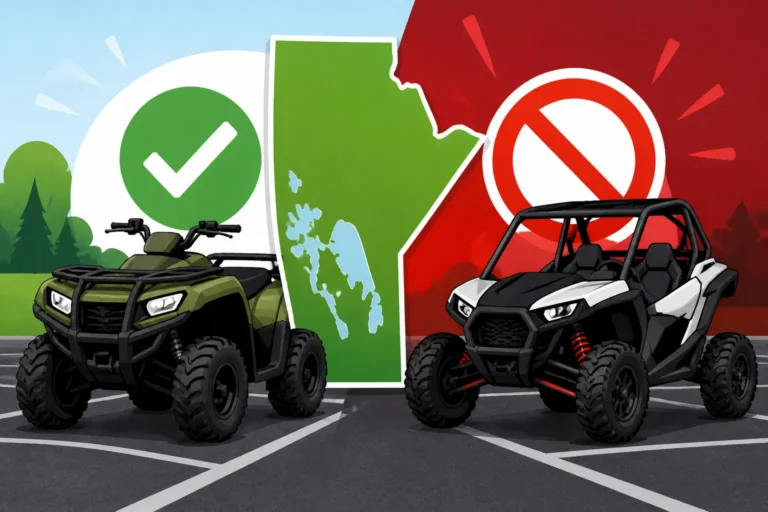
Manitoba Riders Under 14 Need Supervision
It's incredibly exciting to introduce your kids to the world of off-road riding, but the rules around young riders can feel like a maze, leaving many parents wondering exactly what’s required to keep their little adventurers safe and legal. This guide is here to clear up all that confusion, focusing specifically on the essential supervision requirements for riders under 14 in Manitoba, so you can enjoy the trails with confidence and comply with the law.
Understanding Manitoba's Age-Based Riding Rules
Manitoba's Off-Road Vehicles Act is pretty clear when it comes to who can ride what, and where, especially concerning age. It's not a one-size-fits-all scenario, and these regulations are designed with safety in mind, aiming to protect riders and others on shared lands. Understanding these tiers is the first step to ensuring your family's off-road adventures are both fun and fully compliant.
The 'Under 14' Distinction
For anyone under the age of 14, the rules are particularly stringent, and for good reason. Young riders, regardless of how skilled they might seem, often lack the mature judgment, strength, and experience to safely operate an off-road vehicle without adult oversight. The law recognizes this developmental stage and mandates supervision as a foundational safety measure. This isn't just a suggestion; it's a legal requirement that carries significant weight. When an officer spots a rider who appears to be under 14, their first question will often be about the presence and role of a supervisor.
This age group is specifically identified because they are still developing crucial motor skills, risk assessment abilities, and the capacity to react appropriately to unexpected hazards on the trail. A simple mistake that an experienced adult might shrug off could lead to a serious incident for a younger, less experienced rider. This is why the province emphasizes that [Manitoba Riders Under 14 Need Supervision] whenever they are operating an off-road vehicle. It's about more than just being physically present; it's about active guidance and immediate intervention when needed.
Transitioning to Independent Riding
As riders grow, the rules gradually ease, reflecting their increasing maturity and skill. Once a rider turns 14, they enter a different category where they can operate an ORV without direct adult supervision in certain contexts, particularly in ditches. However, this doesn't mean a free-for-all. There are still restrictions on where they can ride, and the vehicle they operate must be appropriate for their age and size. You can find more details on this transition in our comprehensive guide, [Manitoba Riders 14 and Over in Ditches].
When a rider reaches 16, the regulations align even more closely with adult rules, allowing them to ride in more locations and even cross highways with the appropriate driver's licence. However, even at 16, if they don't hold a valid driver's licence, certain restrictions still apply. It's a progressive system, designed to introduce responsibilities gradually. The key takeaway here is that the "under 14" category is unique in its mandatory supervision clause, making it a critical point for parents to understand and adhere to.
Why Supervision is Non-Negotiable for Young Riders
It might seem obvious to many parents, but the legal requirement for supervision for riders under 14 isn't just bureaucratic red tape. It's deeply rooted in safety principles and the realities of what young minds and bodies are capable of when operating powerful machinery in unpredictable environments. Ignoring this rule isn't just risking a ticket; it's risking the well-being of your child and others.
Safety First: Risks and Responsibilities
Off-road riding, while exhilarating, comes with inherent risks. Trails can be uneven, obstacles can appear suddenly, and weather conditions can change in an instant. For a child under 14, these challenges are amplified. Their peripheral vision might not be fully developed, their reaction times could be slower, and their ability to anticipate hazards is still maturing. They might panic in a difficult situation, making a mistake that an experienced adult would avoid. This is where supervision becomes a lifeline. A vigilant adult can spot potential dangers before they become problems, offer immediate guidance, or even intervene directly to prevent an accident.
Beyond the immediate physical risks, there's also the crucial aspect of teaching responsible riding. A supervisor isn't just there to prevent accidents; they're also a mentor. They can teach proper trail etiquette, how to respect the environment, and the importance of riding within one's limits. This hands-on guidance shapes future responsible riders. Thinking about equipping these young riders, even for supervised use, with reliable parts is a good idea. Brands like SuperATV, for instance, offer robust components that can enhance the durability of a youth machine, ensuring it holds up to the rigors of learning and keeps the focus on safe operation rather than equipment failure.
The Letter of the Law: What the Act Says
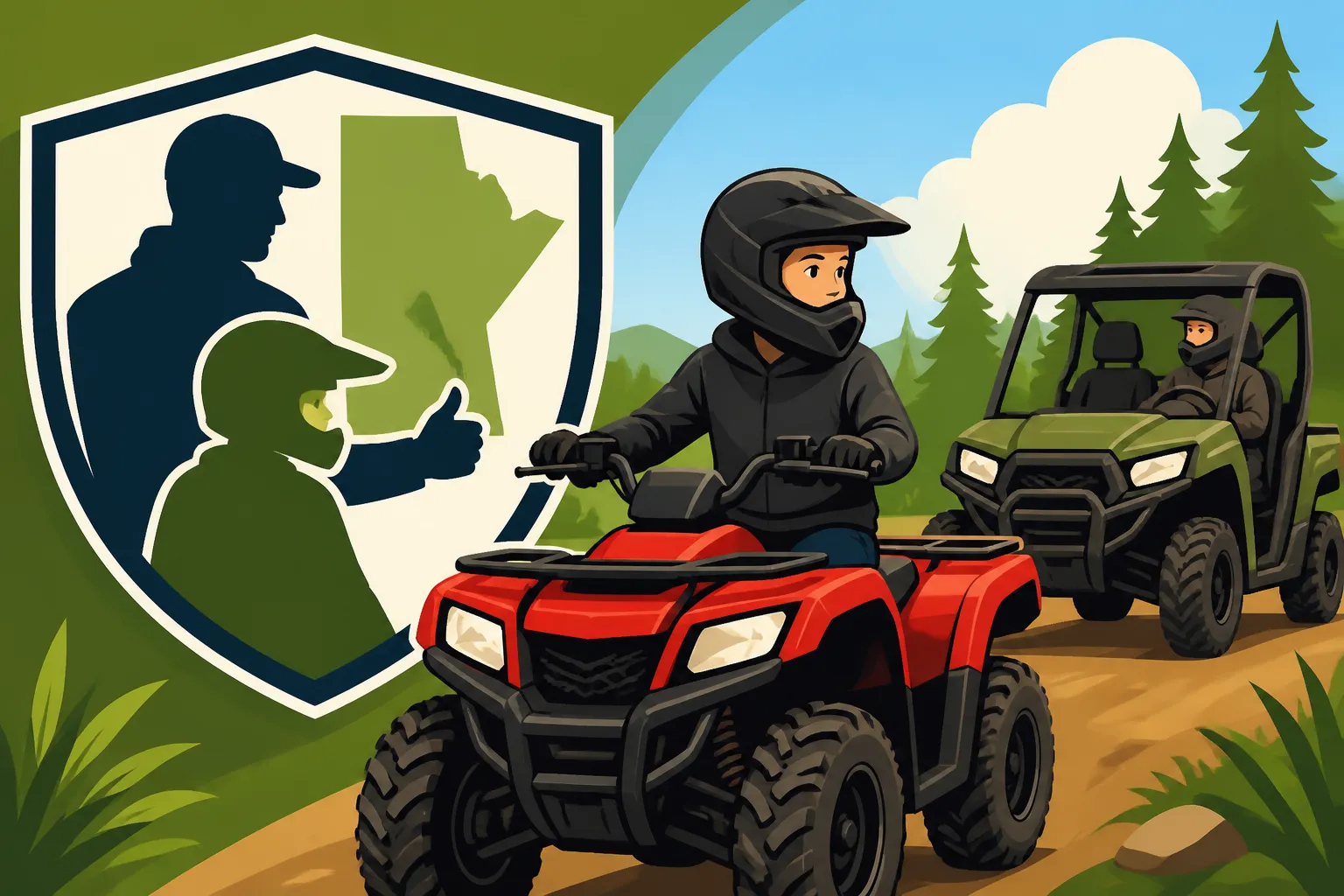
Manitoba's Off-Road Vehicles Act explicitly states that a person under the age of 14 operating an off-road vehicle must be under the direct supervision of an adult who is at least 18 years old. This isn't a guideline; it's a firm legal mandate. The term "direct supervision" means the adult must be close enough to the young rider to observe their actions, communicate with them effectively, and intervene immediately if necessary. This often means riding on another ORV alongside or immediately behind the child, or being within sight and earshot in an open area.
Failure to provide this supervision can lead to significant penalties for the supervising adult. These aren't minor infractions; they are serious charges that reflect the gravity of putting a child at risk. An officer conducting [Manitoba Equipment Checks by Officers] on the trail will often be looking for proper registration and safety gear, but they are equally observant of age-appropriate riding and the presence of required supervision. It's a critical element of compliance, and ignorance of the law is not considered a valid excuse. For detailed information on the specific age requirements, you can refer to [Manitoba ATV Age Requirements].
Who Can Supervise a Young Rider in Manitoba?
The law specifies that supervision for riders under 14 must come from a competent adult. This isn't just about someone being over 18; it implies a level of responsibility, experience, and capability to effectively oversee a young rider. Choosing the right supervisor is as important as choosing the right machine.
Defining a Qualified Supervisor
A qualified supervisor in Manitoba is an individual who is at least 18 years old and capable of operating an off-road vehicle themselves, or at least competent enough to provide effective guidance and intervention. This means they should understand the rules of the trail, be familiar with the operation of the ORV the child is riding, and possess the judgment to assess and mitigate risks. Ideally, the supervisor should be an experienced rider themselves, capable of handling their own machine while simultaneously keeping a watchful eye on the younger operator. It’s a lot to juggle, and the law expects that the adult is up to the task.
Consider a scenario where a grandparent, who might not be an active rider, wants to supervise their grandchild. While they might be over 18 and have the best intentions, if they lack the practical experience or immediate reaction skills necessary to anticipate and respond to trail hazards for both themselves and the child, they might not truly fit the definition of an effective supervisor. The spirit of the law implies that the supervisor needs to be capable of [Supervision by a Parent or an Adult] that goes beyond just being present; it's about active and knowledgeable oversight.
The Role of Parental Consent
While the supervisor doesn't always have to be a parent, parental consent is often an underlying factor, especially for any formal training or organized rides. For younger riders, parents are ultimately responsible for ensuring their child is being supervised appropriately and that any person acting as a supervisor meets the legal and practical requirements. If a child is riding with a family friend or another relative, the parents must ensure that this adult is fully aware of their responsibilities and capable of fulfilling them.
In Manitoba, while the Act focuses on the supervisor's age and presence, the broader context of a child's participation in off-road activities always involves the parent's ultimate authority and responsibility. Even if a child is registered for a youth program or a club event, the parents are still expected to verify that the supervision provided is adequate and that all safety protocols are being followed. This also extends to decisions about the type of machine a child rides. For example, ensuring that a [Manitoba Rules for a Youth Quad] is appropriately sized and powered for the child is a parental responsibility, often with the guidance of the supervisor.
Practical Tips for Riding Safely with Kids
Introducing kids to off-road riding can be a rewarding family activity. However, it requires careful planning and a strong emphasis on safety. Beyond simply meeting the legal supervision requirements, there are many practical steps you can take to ensure a safe and enjoyable experience for everyone involved.
Choosing the Right Machine and Gear
One of the most critical aspects of safe youth riding is ensuring the child is on an appropriately sized and powered machine. A common mistake is putting a child on a vehicle that's too large or too powerful, leading to loss of control and potential injury. Manufacturers typically provide age recommendations for their youth models, and these should be taken seriously. For instance, a 90cc quad is very different from a 250cc model, and a smaller child will struggle with a machine designed for an older, heavier teen. You can delve deeper into machine specifics in our guide [Manitoba Rules for a Youth Quad].
Beyond the machine itself, proper safety gear is non-negotiable. This includes:
- Helmets: A properly fitted helmet is the single most important piece of safety gear. It must be certified (DOT, Snell, ECE) and fit snugly, without obstructing vision. Check out [Manitoba ATV Helmet Law] for more details on requirements.
- Eye Protection: Goggles or a helmet with a face shield are essential to protect against dust, debris, and insects.
- Gloves: Protect hands from abrasions and improve grip.
- Long Sleeves and Pants: Durable material to prevent scrapes and bruises.
- Over-the-Ankle Boots: Provide ankle support and protection.
- Chest Protectors/Body Armour: While not legally required, these offer excellent protection for vulnerable areas, especially for more adventurous young riders.
When outfitting a youth machine, thinking about durability and control is key. Brands like SuperATV offer a range of robust aftermarket parts, from heavy-duty axles to control arms, that can stand up to the learning curve and keep a machine running reliably. These components ensure a safer experience under supervision by minimizing unexpected mechanical failures.
Setting Up Safe Riding Environments
The environment where a child learns to ride plays a huge role in their safety and skill development. Start in a controlled, open area free from obstacles, traffic, and distractions. A large field or a designated training course is ideal. Avoid immediate exposure to complex trails with steep inclines, deep mud, or tight turns. Gradually introduce more challenging terrain as the child's skills and confidence improve.
Before heading out, always conduct a pre-ride inspection of all machines, especially the youth ORV. Check tire pressure, brakes, throttle, and steering. Ensure all safety equipment is in good condition. During the ride, maintain a consistent pace that is comfortable for the young rider and frequently check in with them to gauge their comfort level and fatigue. It's often better to have shorter, more frequent rides than one long, exhausting session.
Teaching basic riding skills, such as turning, braking, and proper body positioning, should be a slow and deliberate process. Consider enrolling in a recognized ATV safety course. While not mandatory in Manitoba, [Manitoba Safety Services Training Options] can significantly enhance a young rider's skills and safety awareness, even before they reach the age of 14. This type of training reinforces good habits from the start. For parents considering a side-by-side for their family, especially with younger passengers, ensuring proper safety equipment is paramount. Aftermarket accessories, like those from SuperATV, can provide enhanced roll cages or specific harness systems that go beyond stock, giving extra peace of mind when little ones are riding along (always within the machine's designed passenger limits and age recommendations, of course).
Legal Consequences of Unsupervised Riding
When it comes to off-road vehicle regulations, the "under 14 with supervision" rule is not one to be taken lightly. The province has put these laws in place to safeguard its youngest riders, and there are tangible repercussions for those who fail to comply. It's crucial for parents and guardians to understand the potential fallout.
Fines and Penalties for Operators and Guardians
If a rider under the age of 14 is caught operating an ORV without the direct supervision of an adult (18 years or older), the consequences are directed at the adult who is responsible for their care and supervision. This typically means the parent or guardian present, or the designated supervisor. The penalties can be significant, ranging from substantial fines to other legal actions, reflecting the seriousness of endangering a minor. These fines are not trivial; they are designed to be a deterrent and to emphasize the importance of compliance with youth safety regulations.
An officer encountering such a situation isn't just handing out a slap on the wrist. They are enforcing a law designed to prevent serious injuries or even fatalities. Repeated infractions or incidents involving injury could lead to more severe penalties. It’s worth noting that these penalties are distinct from general traffic violations; they fall under the Off-Road Vehicles Act itself. Being found in violation can also impact your reputation and potentially even future dealings with authorities regarding your off-road activities. Always ensure you are familiar with the specific rules, as discussed in our article [Manitoba Careless Operation Penalties], to avoid such situations.
Insurance Implications
Beyond legal penalties, there are often significant insurance implications for unsupervised riding by minors. Most standard off-road vehicle insurance policies include clauses regarding legal operation. If an incident occurs while a rider under 14 is operating an ORV without the legally mandated supervision, the insurance company may have grounds to deny a claim. This could leave the family personally liable for damages, medical expenses, or legal fees, which could easily run into the tens or hundreds of thousands of dollars.
Imagine a scenario where an unsupervised 12-year-old rider, through no fault of their own, is involved in a collision with another ORV or accidentally damages property. If their insurance policy is invalidated due to a breach of the supervision clause, the parents or guardians would be directly responsible for all costs. This financial risk alone should be a powerful motivator to ensure strict adherence to the supervision rules. While basic registration might provide some liability coverage, it often has exclusions for illegal operation. It's always advisable to review your specific insurance policy carefully and discuss any concerns with your insurance provider. When you make an investment in a machine, sometimes with aftermarket parts like those from SuperATV, you want to ensure your insurance will cover your investment in case of an incident.
Gear and Machine Considerations for Youth Riders
Outfitting a young rider isn't just about grabbing the first helmet you see and tossing them the keys to a hand-me-down quad. There's a whole world of safety and fit that needs careful consideration to make the experience genuinely safe and enjoyable. Making the right choices here can prevent accidents and build confidence.
Essential Safety Gear Beyond the Helmet
We’ve already touched on the helmet, and its importance truly can't be overstated, as detailed in [Manitoba Helmet Law and Its Exemptions]. But riding safely involves a lot more protective gear than just what goes on your head. Each piece plays a vital role in cushioning impacts, preventing abrasions, and providing stability.
- Eye Protection: Dust, bugs, branches, and mud can all fly up unexpectedly. Goggles designed for off-road use provide full eye coverage and often have anti-fog features, ensuring clear vision at all times.
- Gloves: Beyond protecting hands from blisters and scrapes, riding gloves provide a better grip on the handlebars, which is crucial for maintaining control, especially over bumpy terrain.
- Long Sleeves and Pants: While it might seem obvious, lightweight, durable fabrics are essential. They protect against scrapes, brush, and minor impacts. Specialized riding jerseys and pants offer superior protection and ventilation compared to regular clothing.
- Over-the-Ankle Boots: Sturdy boots with good ankle support are critical. They protect feet from impacts, prevent them from slipping off footpegs, and guard against burns from hot engine parts.
- Chest Protector/Body Armour: For younger riders, a chest protector can be a game-changer. It shields the chest, back, and sometimes shoulders from impacts with handlebars, trees, or the ground. While not legally mandated, it’s a highly recommended piece of equipment for active young riders.
- Neck Brace: For more aggressive riding or when venturing onto rougher trails, a neck brace can help prevent hyperextension injuries to the neck and spine.
Investing in good quality gear means it will last longer and provide better protection. Don't skimp on these items; they are a direct investment in your child's safety.
Matching Machine to Rider
This is where many well-intentioned parents get it wrong. It's tempting to buy a machine that the child can "grow into," but this is a dangerous approach for off-road vehicles. A machine that is too large, too heavy, or too powerful for a child's size, strength, and experience level is an accident waiting to happen. The goal is to provide a machine that fits them now, allowing them to learn and control it effectively. For more specifics on youth machines, our guide [Manitoba Rules for a Youth Quad] is a great resource.
Manufacturers provide age and weight recommendations for a reason. These guidelines consider factors like:
- Engine Size: Smaller engines (e.g., 50cc-90cc) are suitable for very young children, while larger youth models (e.g., 110cc-150cc) are for older, more experienced pre-teens.
- Physical Size: The child should be able to comfortably reach the handlebars, footrests, and controls (brakes, throttle) without stretching. They should also be able to easily shift their weight and apply the brakes effectively.
- Weight: The machine's weight should be manageable for the child to maneuver and right if it tips over (with supervision).
- Safety Features: Many youth models come with adjustable throttle limiters, remote engine kill switches, and sometimes speed governors, all of which are invaluable tools for supervisors.
When considering machines, especially UTVs (side-by-sides) for family use, remember that even if the child isn't operating it, they might be riding as a passenger. In these cases, ensure the UTV has appropriate passenger seating, seatbelts, and roll-over protection. For those looking to enhance the safety or durability of their family UTVs, products from companies like SuperATV can offer robust roll cages, stronger suspension components, or even specific safety harnesses, providing an extra layer of protection and reliability during family outings on private land or designated trails.
Remember, the goal is not to push limits but to build a foundation of safe, responsible riding. Start small, stay within the manufacturer's recommendations, and prioritize control and safety over speed and power.
Age-Based Riding Requirements in Manitoba
To help you keep track of the different rules for various age groups in Manitoba, here's a quick reference table. This table highlights the key requirements and distinctions, especially concerning supervision.
| Age Group | Supervision Requirement | Machine Type & Size | Riding Locations (General) | Key Considerations |
|---|---|---|---|---|
| Under 14 Years Old | Mandatory direct adult supervision (18+) | Manufacturer-recommended youth ORVs (e.g., 50cc-150cc) | Private land, designated trails with supervisor. | Supervisor must be actively observing and able to intervene. Focus on basic skill development and safety. Parental consent for any supervised activities. |
| 14 to 15 Years Old | No direct supervision required in ditches, but restrictions apply. | Appropriate for age/size. | Ditches (following traffic, right side), private land, designated trails. Limited road crossing. | Can ride without direct supervision in ditches, but still needs to follow all rules like [Manitoba Rules for a 14-Year-Old Rider]. Cannot cross highways without a driver's licence. Still subject to [Manitoba Rules for a Child Passenger] if riding as one. |
| 15.5 Years Old (with Learner's) | No direct supervision in certain contexts. | Appropriate for age/size. | Ditches, private land, designated trails. Can cross roads with certain conditions and a valid Learner's permit. | Can cross roadways if holding a valid Learner's permit and meeting specific conditions (e.g., stopping, yielding, clear view). Still cannot ride on the roadway itself. Must follow all other ORV Act rules. |
| 16 Years Old+ (with Driver's Licence) | No direct supervision required. | Any ORV appropriate for use. | Most legal riding areas, including ditches, designated trails, and can cross highways. | Can ride independently. Must hold a valid driver's licence to cross public roads. Still subject to all ORV Act rules regarding safe operation, equipment, and location-specific restrictions. Consider [Manitoba Safety Services Training Options] for ongoing skill development. |
Keeping Your Papers in Order and Staying Informed
Just like operating any other vehicle, off-road riding in Manitoba comes with its share of paperwork and information you need to keep handy. Staying organized and informed isn't just about avoiding a ticket; it's about being a responsible and prepared rider.
Officers conducting compliance checks on the trail or road shoulder will likely ask to see your documentation. This includes proof of registration for your ORV, which also confirms you've paid the provincial trails fee. While the physical plate goes on your machine, [Carrying Your Registration Card on Every Ride] is crucial. For youth machines, having documentation ready to confirm the age and ownership, especially if you're not the registered owner but are supervising, is also a good idea. Make sure you understand [Manitoba Registration for a Youth Quad] so your child's machine is properly legal.
Beyond the immediate paperwork, being an informed rider means understanding where you can and cannot ride. While this guide focuses on age rules, remember that [Manitoba Rules for Riding Private Land] always requires landowner permission, and riding on Crown land has its own set of guidelines and potential restrictions, such as those during [Manitoba Wildfire Season Rules for Riders]. Local municipalities also have the power to create their own by-laws regarding ORV use within their limits. Before heading out to a new area, a quick check with the local authorities or a look at relevant trail maps can save you a lot of grief. The off-road community is a great resource, too, with clubs often providing up-to-date information on local trails and regulations.
Disclaimer
This article is for general informational purposes only and does not constitute professional advice. Laws, prices and regulations vary by location and change over time. Consult a qualified professional for guidance on your specific situation.