Keeping Your Registration Certificate Dry on the Trail
There’s nothing quite like hitting the trails on your ATV or UTV, feeling the rush of the wind, and enjoying Manitoba’s incredible outdoors. But let’s be real, those trails can be messy – mud, dust, water crossings, and sudden downpours are all part of the adventure. One common headache riders face is keeping their essential documents, especially that vital ORV registration certificate, safe and dry. It's incredibly frustrating to pull out a soggy, illegible piece of paper when you need it most. This guide is all about sharing practical, real-world strategies to protect your registration certificate from the elements, ensuring it's always in pristine condition when you need it.
Why Your Registration Certificate Needs Bulletproof Protection on the Trail
You might think, "It's just a piece of paper, what's the big deal?" But on the trail, that piece of paper carries a lot of weight – both legally and practically. Neglecting its protection can lead to unnecessary hassle, fines, and even cut your ride short.
The Legal Imperative: Carrying Your Proof
First and foremost, it's a legal requirement. In Manitoba, if you're operating an ORV anywhere other than your own private property, you must carry your registration certificate with you. This isn't just a suggestion; it's a rule that law enforcement officers expect you to follow. Imagine being stopped for a routine check, proudly pulling out your wallet, only to present a smudged, unreadable card that looks like it's been through the washing machine – or worse, a mud bog. That's a surefire way to invite unwanted scrutiny or even a ticket. The officer needs to be able to verify your machine's registration clearly and efficiently. [Manitoba Registration Cards Carried at All Times] are a non-negotiable part of responsible riding.
Beyond simply having it, the document must be in a condition where it can be easily read and verified. A tattered, water-damaged certificate that’s barely held together doesn’t do you any favours. It essentially defeats the purpose of [Carrying Your Registration Card on Every Ride] because it fails to serve as proper proof. Making sure it’s legible avoids any doubt about your compliance with the rules, keeping your interactions with authorities smooth and respectful.
The Real-World Risks of the Manitoba Backcountry
Let's talk about the reality of riding in Manitoba. From the boggy sections of the Eastman region to the sandy stretches of the Interlake, and the often-wet boreal forests of the north, conditions are rarely perfectly dry.
You're going to encounter:
- Mud: It splashes, it gets everywhere, and it loves to seep into every crevice.
- Water Crossings: Whether it's a shallow stream or a deeper ford, water can get into compartments you thought were sealed.
- Rain and Snow: Sudden weather changes are a fact of life here. A sunny morning can quickly turn into a torrential downpour or a wet, heavy snowfall, soaking everything.
- Dust: While not directly wet, fine dust can work its way into unsealed spaces, mix with even a tiny bit of moisture, and create a gritty mess that makes documents hard to read and handle.
- Accidental Dips: Sometimes, despite your best efforts, your machine takes an unexpected dip or you end up in deeper water than anticipated.
These elements aren't just cosmetic nuisances; they actively work to destroy your paper documents. Think about the wear and tear a certificate takes just being shoved into a pocket, a non-waterproof glove box, or an exposed storage bin. It gets bent, creased, rubbed, and if moisture gets in, it can quickly turn into pulp. The frustration of needing that document to show proof, only to find it illegible, is a situation no rider wants to be in.
Beyond the Card: Other Important Documents
While your registration certificate is a priority, it's often not the only paper you might need on the trail. Many riders carry additional vital documents, and these also deserve robust protection. This could include:
- Proof of Insurance: While basic liability is often included with your registration through MPI, if you have additional private coverage, you might carry that card. [Manitoba Insurance Included With Registration] often refers to the basic liability, but riders frequently opt for more.
- Permits: Are you riding on Crown Land that requires a specific permit, or maybe you have a [Manitoba Park Permits at $9.50 a Day] for a provincial park trail? These are usually paper-based and equally susceptible to damage.
- Maps or Trail Guides: While many use GPS, a paper backup map can be a lifesaver, and keeping it dry makes it usable when needed. [Manitoba Trail Conditions Before You Haul] often involve checking local information, which might be on paper.
- Emergency Contact Information: A laminated card with vital numbers and medical info can be crucial in an emergency, especially in remote areas with no cell service.
Ensuring all these documents are protected means you’re prepared for any eventuality, minimizing stress and maximizing your enjoyment on the trail.
Practical Solutions for Waterproofing Your Registration Certificate
Now that we’ve established why keeping your documents dry is so important, let’s dive into the how. There are plenty of options, from simple and affordable DIY tricks to more robust, purpose-built solutions.
Simple & Affordable DIY Methods
You don't always need to spend a fortune to get good protection. Sometimes, the best solutions are the ones you already have lying around.
- Ziploc Bags: The Trail Riding Staple
This is the quintessential, no-brainer solution. A sturdy, freezer-grade Ziploc bag can do wonders. For extra peace of mind, consider double-bagging: place your certificate in one Ziploc, seal it, then put that whole package into another Ziploc and seal it again. This creates a redundant barrier against moisture. The beauty of Ziploc bags is their low cost, accessibility, and flexibility – they fit into almost any space. Just be aware that they can tear or puncture, so check them regularly for damage. - Lamination: A More Permanent Shield
If you're looking for a semi-permanent solution and don't mind a rigid card, laminating your registration certificate is an excellent option. Most office supply stores offer lamination services, or you can buy a small home laminator. This encases the paper in a durable, waterproof plastic film, making it virtually impervious to water, mud, and tears. The downside is that it becomes rigid, so it won't fold, and if any information changes (like a renewal or address update), you'll need to replace the laminated one with a new, updated version. - Clear Document Holders/Sleeves: Better Than Bare Paper
These are usually made of thicker, more durable plastic than a Ziploc bag, and sometimes come with a sealable flap or zipper. They're designed specifically for documents and offer a good balance between protection and accessibility. You can often find them in stationery stores, and they provide decent protection against splashes and dust, though they might not be fully submersible. - Wax Paper or Paraffin Wax Coating: An Old-School Trick
This is a bit more involved, but it's a technique that's been used for waterproofing paper for generations. By carefully coating your certificate in paraffin wax (e.g., from a candle or canning wax), you can create a water-repellent barrier. You'd typically do this by gently melting the wax and brushing it on, or carefully pressing the paper between sheets of wax paper with a warm iron. This makes the paper water-resistant, though it can change the texture and appearance of the certificate, so proceed with caution and perhaps test on a non-essential document first.
Dedicated Waterproof Pouches and Cases
For those who demand serious protection, especially if you frequently ride in challenging conditions, investing in purpose-built waterproof gear is the way to go.
- Small Dry Bags:
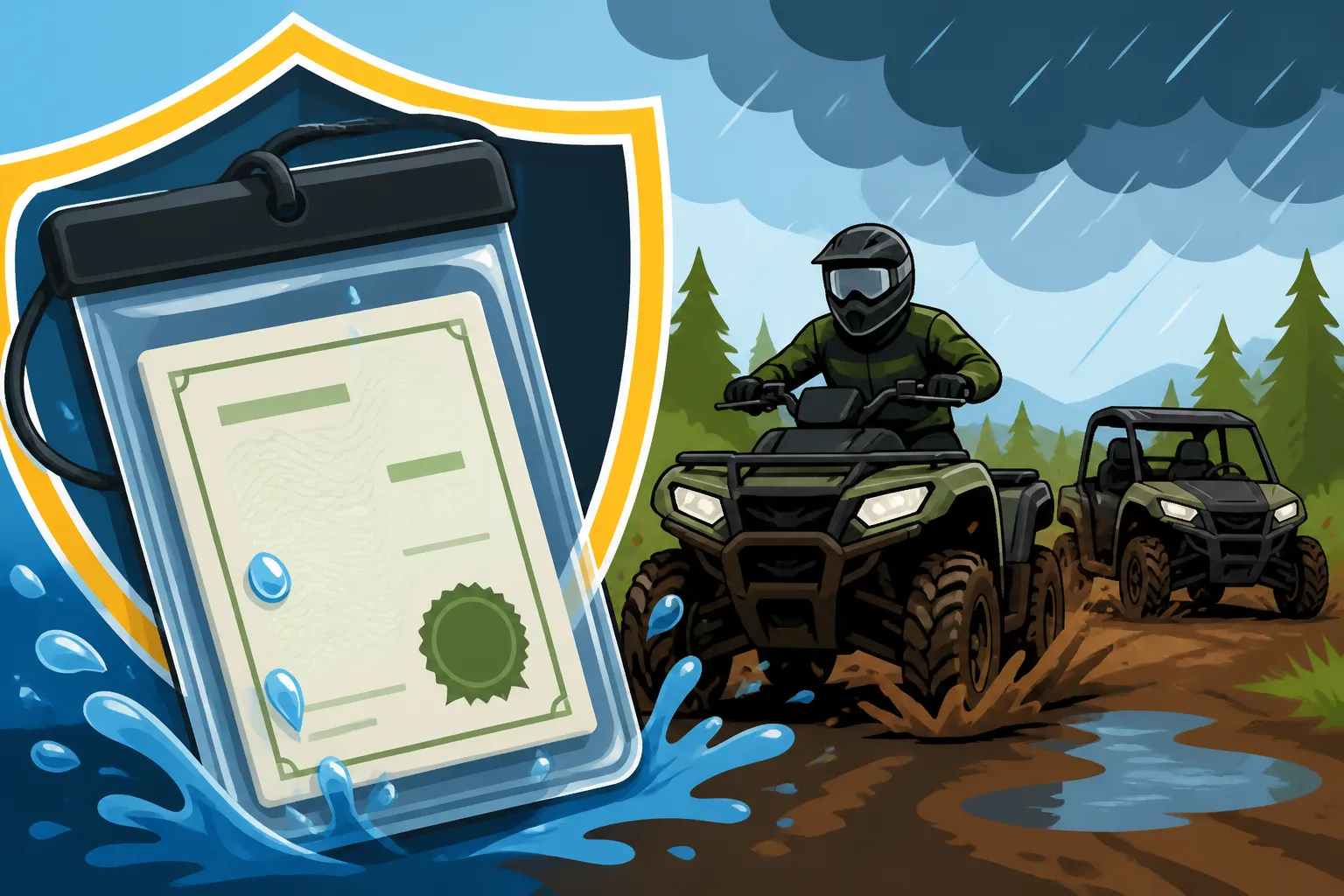
Often used by kayakers, canoeists, and campers, small dry bags are fantastic. They typically feature a roll-top closure that, when properly sealed, creates a watertight and airtight environment. You can find very small versions designed for phones or wallets that are perfect for your registration. They're flexible, durable, and offer excellent protection, even against submersion. Just remember to roll the top down at least three times to ensure a proper seal. - Waterproof Document Wallets:
These are specifically designed to hold cards, cash, and small documents. They usually have a robust zipper seal (like a heavy-duty freezer bag zipper) or a series of interlocking plastic seals. They come in various sizes and materials, from tough flexible plastic to semi-rigid designs, and are often buoyant, which is a nice bonus if you accidentally drop them in water. - Pelican-Style Micro Cases:
For the ultimate in protection, consider a small, hard-shell waterproof case, like those from Pelican or similar brands. These cases are virtually indestructible, crushproof, dustproof, and designed to be fully submersible to significant depths. They often have a rubber O-ring seal and secure latches. While a bit bulkier, they offer unparalleled peace of mind for your most important documents. You can typically find these at outdoor gear stores, photography shops, or online retailers.
Secure Storage Locations on Your Machine
Once you've chosen your waterproofing method, where you store it on your ORV is just as important.
- Glove Compartments (if truly waterproof/sealed):
Many ATVs and UTVs come with glove compartments. While convenient, few are genuinely waterproof. They might protect against light splashes, but don’t count on them to keep water out during a heavy rain or a deep water crossing. If yours isn't sealed, you'll still need an internal waterproof container for your documents. - Under-Seat Storage:
Another common spot. Similar to glove compartments, these areas are often more resistant to direct water ingress but are rarely fully sealed against fine dust or persistent moisture. They can also get quite warm, which isn't ideal for paper over long periods. - Handlebar Bags/Tank Bags (waterproof specific):
These offer quick and easy access, which is great for frequently needed items. Many aftermarket options are explicitly designed to be waterproof or come with a rain cover. Look for models with sealed zippers and sturdy construction if you plan to keep documents here. - Dedicated Storage Boxes/Trunks:
If your machine has a rear cargo box or front trunk, ensure it's a model that boasts genuine waterproofing or at least a very tight seal. Many cheaper options are just "weather-resistant." Pairing one of these with an internal dry bag for your documents offers excellent layered protection. - Tool Tubes:
These small, cylindrical containers are often mounted to the frame of motorcycles or ATVs. Originally designed for tool storage, many are waterproof and can be repurposed for documents. They're discreet and robust, but access might not be as immediate as a glove compartment.
Best Practices for Long-Term Document Integrity
Protecting your registration certificate isn't just about one ride; it's about ensuring its integrity throughout its lifespan. A little foresight and routine care can save you a lot of grief.
Regular Checks and Replacements
Your registration certificate isn't indestructible, even with the best protection. It's crucial to inspect it periodically. Check for:
- Wear and Tear: Even inside a protective sleeve, constant handling can cause corners to fray or print to fade.
- Moisture Damage: Look for any signs of dampness, wrinkles, or discolouration that could indicate a breach in your waterproofing.
- Legibility: Ensure all text, especially the VIN and expiry date, is still perfectly readable.
If your certificate shows significant signs of damage or is no longer clearly legible, don't wait for an officer to point it out. It's time for a replacement. You can easily get a replacement certificate through an Autopac agent. This is similar to needing a [Manitoba Plate Replacement If Lost] – you go to the same service provider to get a new one. Proactively replacing a damaged card is a simple step to maintain compliance and avoid potential issues during [Manitoba Equipment Checks by Officers].
Digital Backups (With Caveats)
In our digital age, it might seem logical to just take a photo of your registration certificate and keep it on your phone. And while this is a sensible backup, it is NOT a substitute for carrying the physical document in Manitoba. Law enforcement typically requires the physical card.
Think of a digital photo as an emergency reference. If, for some reason, your physical card is temporarily misplaced or slightly damaged but still mostly legible, having a clear photo on your phone could potentially help clarify details if an officer has trouble reading it. However, always prioritize the physical, readable document. Relying solely on a digital copy in an area with no cell service, or with a dead phone battery, is a risky gamble you don't want to take.
Considering Document Durability from the Start
When you receive a new registration certificate, either for a new machine or after a [Manitoba ATV Registration Renewal], don't just toss it in your wallet or glove box. Make waterproofing part of your initial setup. As soon as you get that fresh piece of paper from your Autopac agent after [Manitoba ORV Registration Through MPI], immediately place it into your chosen protective sleeve, dry bag, or laminated cover. This proactive step ensures it's safeguarded from day one, before it ever sees its first splash of trail mud.
Common Mistakes and What to Avoid
Even experienced riders can make simple mistakes when it comes to document protection. Being aware of these common pitfalls can save you from unnecessary frustration.
The "Just Tuck It In" Fallacy
This is perhaps the most common mistake: assuming that simply folding your registration certificate into your wallet, a non-waterproof pocket, or an unsealed compartment on your machine offers sufficient protection. It doesn't. Wallets get damp from sweat, pockets get wet in the rain, and unsealed compartments invite dust, moisture, and general grime. You're effectively leaving your vital document exposed to the elements, guaranteeing it will degrade quickly.
The consequences of this fallacy are real. During an unexpected stop, presenting a wet, torn, or unreadable document can lead to delays, questioning, and possibly even a citation for not having proper proof of registration. Many of the [Manitoba Rules Riders Get Wrong] revolve around proper documentation and equipment.
Assuming "Water Resistant" Means "Waterproof"
There's a significant difference between "water-resistant" and "waterproof," and many riders get this confused.
- Water-resistant items can shed light rain or splashes but will eventually succumb to heavier downpours, sustained moisture, or submersion. Think of a standard rain jacket – it keeps you dry in a light drizzle, but not in a monsoon or if you fall in a lake.
- Waterproof items are designed to prevent water ingress even under specified pressure or submersion for a certain period. Look for products with an IP (Ingress Protection) rating, especially IPX7 or IPX8, if you need true submersion protection.
Many ATV/UTV storage compartments or even aftermarket bags are merely water-resistant. If you rely on these for your documents without an additional truly waterproof internal container, you're taking a gamble that could result in a soggy surprise. Always verify the actual waterproof rating of any storage solution you choose.
Forgetting About Dust and Abrasions
Water isn't the only enemy of paper documents. Fine dust, especially prevalent on dry Manitoba trails, can work its way into unsealed spaces and degrade your certificate. When dust mixes with even minimal moisture, it can become a pasty film that makes text unreadable.
Furthermore, constant rubbing against other items in a storage compartment can cause abrasions, wearing down the print and weakening the paper over time. Even if it stays dry, a certificate that's been constantly scuffed and bent will eventually become illegible. This highlights the importance of choosing a storage method that is not only sealed against moisture but also protects against dust ingress and physical wear and tear. A good, rigid case or a snug-fitting pouch within a larger, sealed compartment offers the best defense.
By taking a few extra moments to properly secure your registration certificate, you’ll ensure a smoother, more enjoyable, and compliant ride every time you hit the trails.
| Method | Cost | Water Protection | Physical Protection | Portability | Durability of Method | Best Use Case |
|---|---|---|---|---|---|---|
| Ziploc Bag (Double-Bagged) | Low | Basic to Good | Low | High | Low | Quick, budget-friendly for occasional wet rides |
| Lamination | Low-Med | Excellent | Excellent | Low (rigid) | High | Permanent protection if document won't change |
| Clear Document Sleeve | Low-Med | Good | Good | Medium | Medium | Everyday protection, easy access, light-duty |
| Small Roll-Top Dry Bag | Medium | Excellent (subm.) | Good | High | High | Heavy-duty, all-weather conditions, flexible |
| Hard-Shell Waterproof Case | High | Extreme (subm.) | Extreme | Low (bulky) | Very High | Ultimate protection for rugged environments |
Disclaimer
This article is for general informational purposes only and does not constitute professional advice. Laws, prices and regulations vary by location and change over time. Consult a qualified professional for guidance on your specific situation.