Manitoba Registration With Two Owners
Sharing an ATV or UTV with a friend, family member, or partner can be an incredible way to split costs and double the fun on Manitoba's amazing trails. But when it comes to registering that machine, having two names on the ownership can sometimes feel like trying to navigate a tricky mud bog. This guide is here to walk you through everything you need to know about registering your off-road vehicle with multiple owners in Manitoba, ensuring a smooth ride for everyone involved.
The Nuances of Co-Ownership for Your Off-Road Machine
It's truly wonderful to have someone to share the passion for off-roading with, especially when that means sharing the financial burden of a machine. However, what often starts as an informal agreement can quickly run into snags when legalities like registration come into play. Understanding the foundation of co-ownership is key to avoiding headaches down the trail.
Why Shared Ownership Needs Special Attention
When you buy an ATV or UTV with another person, you're not just sharing the riding experience; you're also sharing a significant asset and all the responsibilities that come with it. This means making joint decisions about maintenance, upgrades, storage, and of course, who gets to ride it when. If these things aren't thought through upfront, even the best intentions can lead to friction. Imagine one owner wanting to sell when the other isn't ready, or disagreements over who pays for a costly repair after a particularly challenging ride in the Duck Mountain Provincial Park. These are common frustrations that can easily be mitigated with a clear understanding of your shared arrangement.
Beyond the day-to-day, co-ownership affects bigger picture items like what happens if the machine is damaged, stolen, or if one owner can no longer use it. Without a clear plan, you might find yourself in a bind trying to make decisions when emotions are high or circumstances have changed. It’s about protecting both your investment and your relationship with your co-owner.
Understanding Joint Ownership vs. Sole Ownership
At its core, joint ownership means that two or more people have equal rights and responsibilities concerning the off-road vehicle. This differs significantly from sole ownership, where one person holds all the cards. With joint ownership, the expectation from Manitoba Public Insurance (MPI) during registration is often that both parties are clearly identified as owners. This clarity is crucial for everything from ensuring the correct names are on the certificate to understanding who is financially responsible for the machine.
Sometimes, people enter into informal agreements where only one name is on the registration, but another person contributes financially or uses the machine regularly. While this might seem simpler on the surface, it creates a lack of legal recognition for the unlisted owner. Should a dispute arise or if the registered owner passes away, the unregistered party could find themselves with no legal claim to the machine. This is why official joint registration, or at the very least, a robust co-ownership agreement, is so important.
Registering Your Off-Road Vehicle with Multiple Names in Manitoba
The process of getting your ATV or UTV officially registered with MPI is generally straightforward for a single owner, but adding a second name requires a bit more attention to detail. It's not insurmountable, but you do need to be prepared with the right information and, often, the presence of both parties.
How MPI Handles Co-Owned Registrations
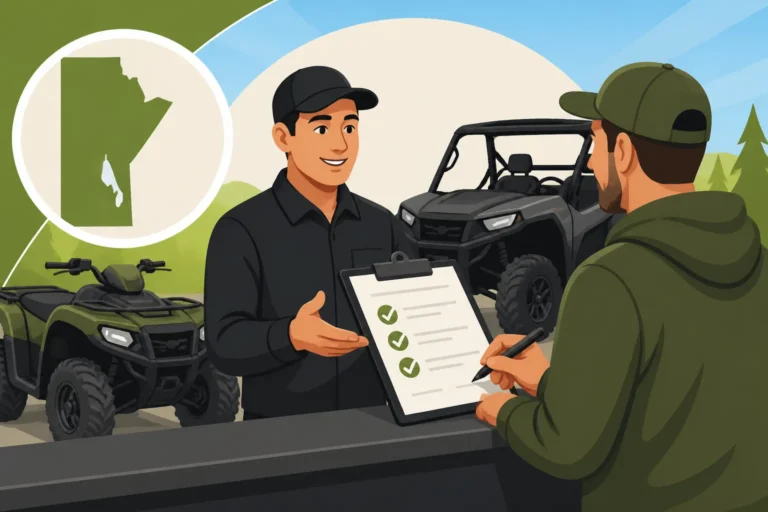
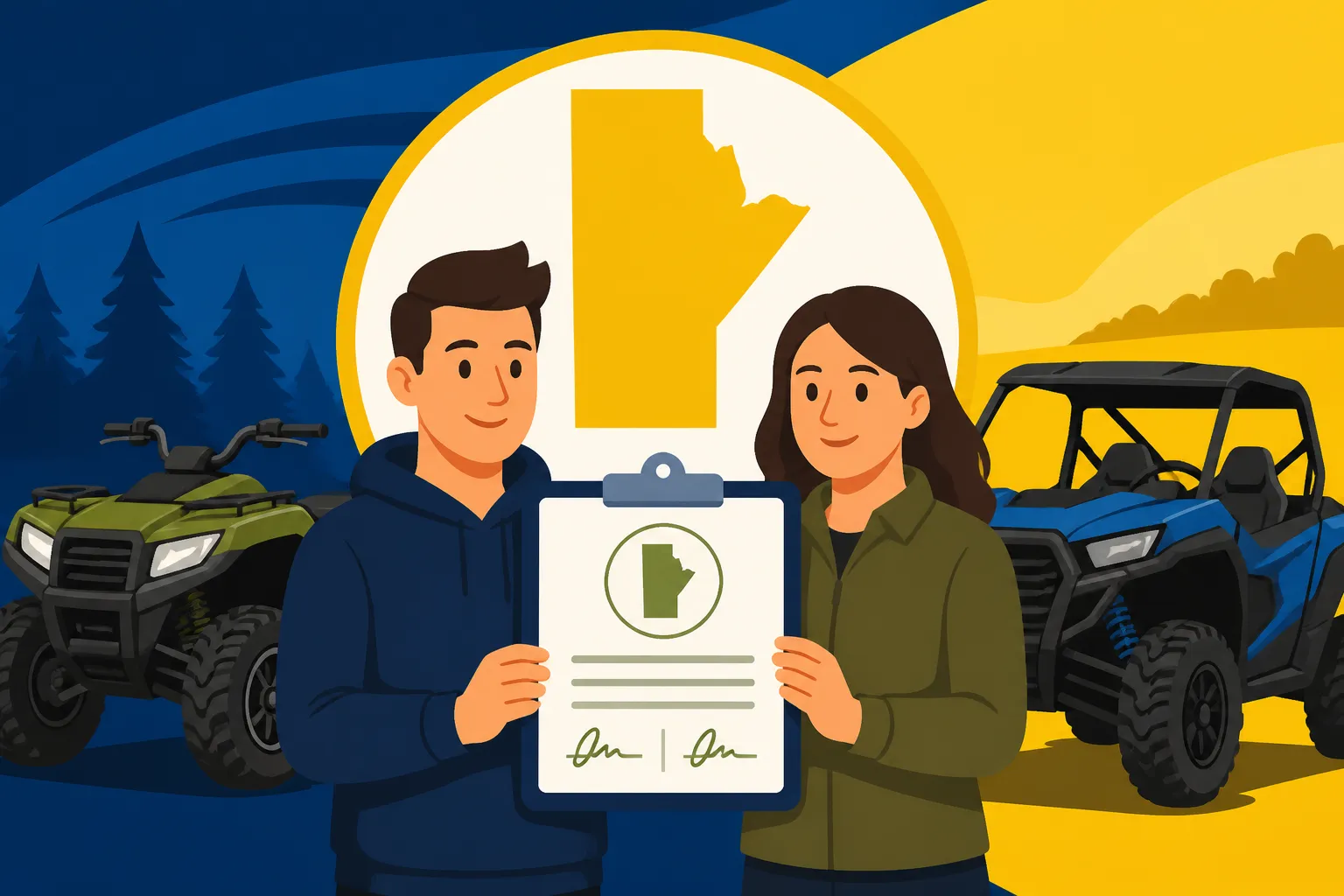
When you head to an Autopac agent to register an off-road vehicle with two owners, MPI typically wants to see both individuals present. This allows the agent to verify identities, ensure both parties understand the implications of joint ownership, and collect signatures where needed. If both owners can't be there at the same time, one owner might be able to register the machine with a properly completed power of attorney or a letter of authorization from the absent owner, clearly stating their consent and intent to be a co-owner. Always call ahead to your chosen Autopac agent to confirm their specific requirements for an absent co-owner. This proactive step can save you a wasted trip.
The registration certificate itself will list both owners' names. This signifies that both individuals are legally recognized as proprietors of the machine, sharing both the benefits and the obligations that come with it, including liability and the annual [Manitoba ORV Registration Cost]. This co-registration also ties into other essential aspects like [Manitoba Insurance Included With Registration], where basic third-party liability is bundled in.
Essential Documents for Two Owners
The cornerstone of any ORV registration, especially with two owners, is a clear and accurate bill of sale. This document must explicitly name both individuals as purchasers. If you're buying from a dealer, they'll typically prepare this for you, ensuring both names are on the sales agreement and subsequent bill of sale. When purchasing from a private seller, it's absolutely critical that the seller fills out the transfer section of their registration certificate (or provides a separate bill of sale) listing both new owners. Missing one name here can lead to complications down the line. If you're wondering how to handle specific scenarios, you might find more details in [Manitoba Registration Without a Bill of Sale], though for two owners, a proper bill of sale is strongly advised.
Beyond the bill of sale, if the machine is being transferred from a single owner to two new owners, or from one owner to themselves and a new co-owner, the transfer of ownership paperwork must clearly reflect this change. This is also where a formal co-ownership agreement becomes incredibly valuable. While not required by MPI for registration, a document drafted through a service like LawDepot can outline how the machine will be used, maintained, and how any future disagreements or changes in ownership will be handled. This provides a legal framework between the co-owners that goes beyond the basic registration.
Navigating Changes and Challenges with Two-Owner Registration
Life happens, and circumstances change. What starts as a great idea for shared adventure might evolve due to personal changes, financial shifts, or simply differing interests. Planning for these eventualities when you have two names on the registration is smart practice.
What Happens When One Owner Wants Out?
It's a scenario many hope to avoid, but sometimes one owner decides they no longer want to be part of the shared off-road adventure. This could be due to moving away, a change in financial priorities, or simply losing interest. When this happens, there are a few paths you can take. One owner might buy out the other's share. In this case, a new bill of sale would be drawn up, detailing the sale of one owner's portion to the other, and then the registration would be updated at an Autopac agent to reflect the sole remaining owner. This process involves a transfer of ownership, much like selling to a third party, and potentially paying retail sales tax on the value of the portion being transferred.
Alternatively, both owners might agree to sell the machine to a third party. In this instance, both registered owners would need to sign off on the sale document and the transfer of ownership. This ensures that the buyer receives clear title and that both original owners relinquish their claim. Understanding the process of [Selling a Registered Machine in Manitoba] is crucial here, as both names on the current registration will need to be involved in the transaction.
Addressing the Unforeseen: Death or Separation
These are tough topics, but it's essential to consider them. If one co-owner passes away, the ownership of their share of the off-road vehicle typically falls to their estate. This means the surviving co-owner would need to work with the deceased's estate, which might involve probate and the instructions laid out in a will. The process for [Manitoba Registration After the Owner Dies] can be complex, and having a clear co-ownership agreement can provide guidance in such a difficult time. Without a specific agreement, the machine could be tied up in the estate's affairs for an extended period, preventing the surviving owner from using or selling it.
Similarly, if co-owners separate (e.g., divorcing spouses, former business partners), the machine becomes a joint asset that needs to be divided. This is where pre-existing agreements become gold. A well-drafted co-ownership agreement from a service like LawDepot can specify exactly how the asset will be handled in cases of separation, including options for buyouts, mandatory sales, or agreed-upon valuation methods. Without such an agreement, the dispute could escalate, potentially requiring legal intervention to decide the machine's fate.
The Importance of a Formal Co-Ownership Agreement
While not legally mandated for registration by MPI, a formal co-ownership agreement is arguably the most important document for any jointly owned ATV or UTV. Think of it as a pre-nup for your off-road machine! It’s a legal contract between the owners that spells out expectations, responsibilities, and contingency plans.
Here's what a comprehensive agreement should cover:
- Usage Schedules: Who gets to use the machine when, especially during peak seasons or holidays.
- Maintenance & Repairs: How costs for routine maintenance, unexpected repairs, and upgrades will be split. Will one person handle scheduling, and the other handle payment?
- Financial Contributions: How initial purchase costs, registration fees, insurance premiums, and fuel will be divided.
- Modifications: What kinds of modifications are allowed, and who pays for them.
- Selling the Machine: The process if one or both owners decide to sell, including first right of refusal clauses.
- Dispute Resolution: How disagreements will be handled (e.g., mediation, arbitration) to avoid costly legal battles.
- Death or Incapacity: What happens to an owner's share if they pass away or become unable to use the machine.
- Insurance: Clarification on who is listed on any optional insurance policies beyond the basic MPI coverage, like collision or comprehensive.
Having this document in place, perhaps drafted using a template from a platform like LawDepot, can prevent misunderstandings and provide a clear roadmap for resolving any issues that arise. It protects your friendship, your financial investment, and your access to those fantastic Manitoba trails. Before you even head to the Autopac agent for [Manitoba ORV Registration With Two Owners], consider getting this agreement sorted.
Managing Your Jointly Owned ORV: Practical Tips
Once your off-road vehicle is registered with both names, the journey doesn't end. There are ongoing considerations that co-owners should keep in mind to ensure a smooth and enjoyable experience for everyone.
Keeping Records and Communication Clear
With two owners, consistent and clear communication is paramount. Decide upfront how you'll communicate about the machine – a shared digital document, regular check-ins, or a dedicated messaging group. Keep all records organized and accessible to both parties. This includes maintenance logs, receipts for repairs, fuel purchases, and any communications with MPI or your Autopac agent. A transparent approach helps build trust and ensures both owners are always in the loop regarding the machine's status and expenses.
For instance, if one owner takes the ATV for a weekend ride near Lac du Bonnet and fills it up, making sure the other owner knows about the fuel cost and has access to the receipt simplifies expense tracking. Similarly, if you take the machine in for its annual service, both owners should have access to the service report and the invoice. Being able to demonstrate clear financial and operational records can be invaluable, especially if questions arise about [Manitoba Registration and Lien Records] or other financial aspects.
Shared Responsibilities for Renewal and Compliance
Just like a single-owner registration, a jointly owned ORV needs to be renewed annually with MPI. This renewal typically aligns with your Autopac policy. Ensure both owners are aware of the renewal dates and who is responsible for initiating the process. It's often easiest if one designated owner takes the lead, but both should be aware and contribute their share of the fees, including the always-present [Why Manitoba Adds $25 to Every ORV Registration] for the trails fee.
Beyond registration, both owners are equally responsible for ensuring the machine complies with all provincial operating laws. This means adhering to [Manitoba ATV Helmet Law], understanding [Manitoba Ditch Riding Rules], and ensuring [Manitoba Lighting Requirements on a Machine] are met. If one owner operates the machine illegally, both registered owners could potentially face consequences or liability issues, especially if an accident occurs. Always ensure the [Manitoba Registration Cards Carried at All Times] rule is followed, no matter which owner is out riding.
Here's a quick overview of common scenarios for two-owner registration:
| Scenario | Initial Registration Process | Required Documents/Actions (Beyond Standard) | Potential Challenges |
|---|---|---|---|
| New Purchase, Both Present | Both owners visit Autopac agent together. | Bill of sale listing both owners, both IDs, both signatures on forms. | Coordinating schedules, ensuring all info is accurate for both. |
| New Purchase, One Absent | One owner visits Autopac agent with authorization. | Bill of sale listing both owners, ID of present owner, power of attorney/letter from absent owner. | MPI agent acceptance of authorization, ensuring legal validity of authorization. |
| Adding a Second Owner | Current owner and new owner visit Autopac agent. | Transfer of ownership documents signed by current owner, new bill of sale (if applicable) to both. | Potential RST on transfer of half ownership, ensuring current registration is clear. |
| One Owner Sells Share | Remaining owner and departing owner visit Autopac agent, or remaining owner handles after sale. | New bill of sale from departing owner to remaining owner, updated registration. | Valuation of share, paying RST on the transferred portion, proper completion of transfer forms. |
| Selling to a Third Party | Both owners sign transfer documents for the new buyer. | Both owners sign the bill of sale/transfer, new buyer handles registration. | Coordinating sale terms, ensuring both owners agree on price and timeline. |
| One Owner Deceased | Surviving owner works with deceased's estate to transfer ownership. | Death certificate, will/probate documents, executor's authorization, estate transfer forms. | Lengthy legal process, estate disputes, potential for machine being unusable for a period. |
Remember, while the joys of sharing an off-road vehicle are immense, the legal and practicalities of two-owner registration require forethought and clear communication. A little planning upfront can prevent a lot of headaches later on, letting you both focus on enjoying Manitoba's incredible riding opportunities.
Disclaimer
This article is for general informational purposes only and does not constitute professional advice. Laws, prices and regulations vary by location and change over time. Consult a qualified professional for guidance on your specific situation.