Manitoba Registration After the Owner Dies
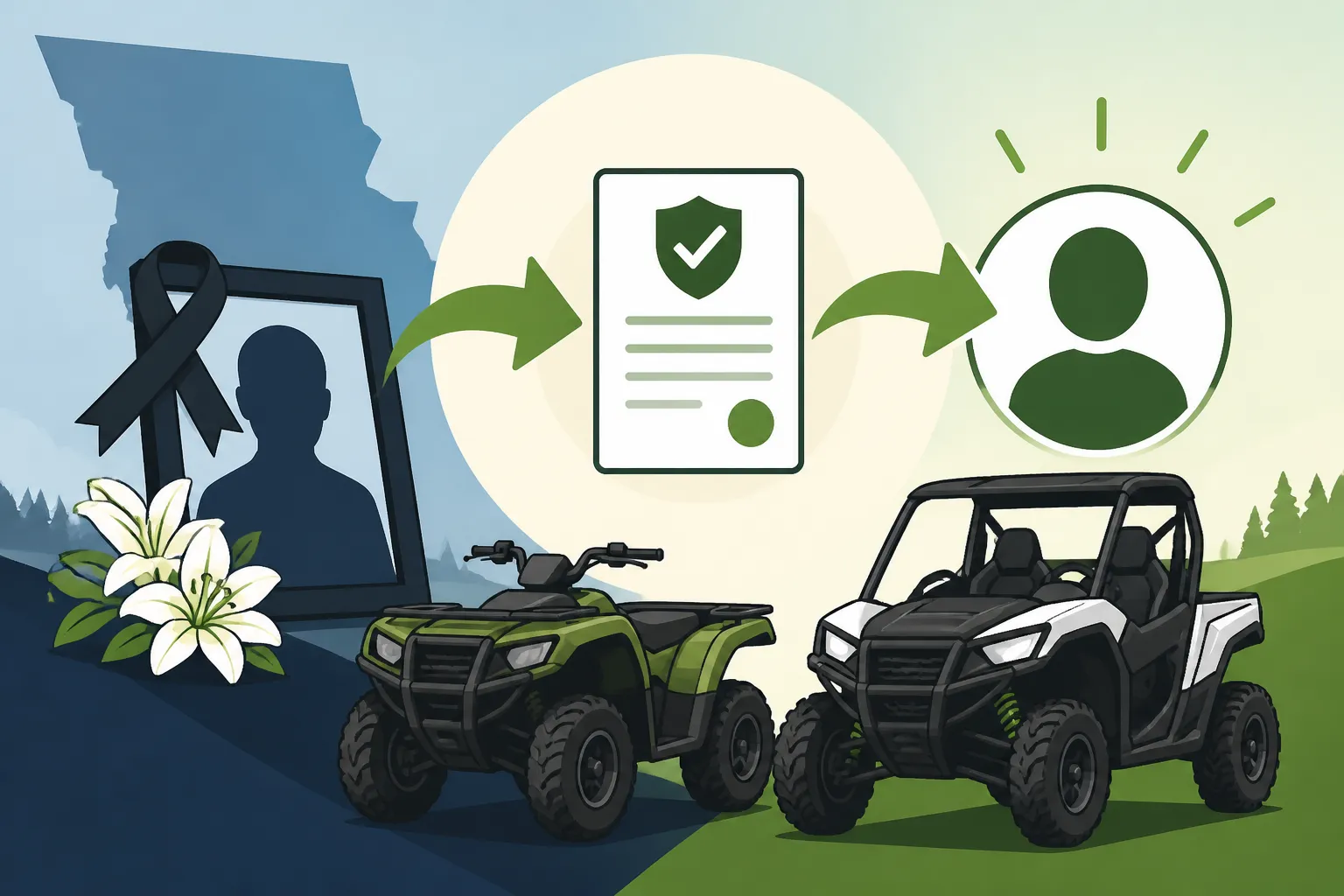
Dealing with the practicalities after a loved one passes away is an incredibly difficult time, and figuring out what to do with their off-road vehicles like ATVs and UTVs can add an unexpected layer of stress. This guide aims to walk you through the process of handling Manitoba ORV registration when the owner has died, offering clear steps and empathetic advice to make things a little easier during a challenging period.
Understanding the Immediate Aftermath and Estate Planning
When someone close to you passes, the last thing on your mind is often paperwork for an ATV or UTV. However, these vehicles, like any other asset, become part of their estate and need proper handling. It's a daunting task to navigate grief while also tackling administrative duties, but taking a few initial steps can prevent bigger headaches down the road.
Securing the Machine and Initial Steps
First and foremost, you'll want to ensure the off-road machine is safely stored. This might seem obvious, but in the immediate aftermath, small details can be overlooked. Make sure it's in a secure location, like a locked garage or shed, and that only authorized individuals have access to the keys or ignition. You wouldn't want the machine to be stolen or damaged while the estate is being settled. Think about its current registration status too; technically, the previous owner's registration [Manitoba Transfer Ends Your Registration] is still active but will need to be addressed. It's also wise to check if the vehicle was still insured, as the existing policy might have clauses regarding the death of the policyholder.
Beyond securing the physical asset, start gathering any relevant documents related to the ORV. This includes the registration certificate, any bill of sale, maintenance records, and certainly any financing agreements. These documents will be crucial when you eventually interact with Manitoba Public Insurance (MPI) or an Autopac agent. It's a small task, but getting these papers together early on can save you a frantic search later, especially if the machine was tucked away in a remote shed or at a cabin.
Identifying the Estate Representative
Before any official changes can be made regarding the ATV or UTV, someone needs to be legally authorized to act on behalf of the deceased's estate. This person is typically known as the executor (if there's a will) or the administrator (if there's no will). Their role is to manage the deceased's assets, pay off any debts, and distribute what remains according to the will or provincial law. This designation is critical, as MPI will only deal with the legal representative of the estate for any transfer of ownership or cancellation of existing registration.
If a will exists, it should clearly name an executor. If not, the process can become a bit more complex, often requiring an application to the court to appoint an administrator. This can add significant time and legal costs to the process, which is why having a clear, up-to-date will is so incredibly important for everyone. For those planning their own estates, or for families dealing with the lack of a will, resources like LawDepot can be helpful for creating legally sound documents to clarify who handles what, easing the burden on loved ones later. Without this designated representative, the ORV is essentially in limbo, and its registration can't be officially changed.
Navigating Manitoba's ORV Registration Transfer Process with MPI
Once an estate representative is formally established, the practical steps for transferring or cancelling the off-road vehicle's registration can begin. This often means a visit to an Autopac agent, who acts on behalf of MPI for these transactions. It’s not quite as simple as just handing over the keys; there's a specific set of documents and procedures that need to be followed to ensure everything is done correctly according to Manitoba law.
Required Documents for MPI
The specific documents you'll need to transfer an ORV registration after an owner dies depend heavily on whether a will exists and if the machine was solely owned or jointly owned. Generally, you'll need:
- Original Death Certificate: This is paramount, as it provides official proof of the owner's passing.
- Original Will (if applicable): If a will exists, the executor will need to present the original document, often along with the Grant of Probate (a court order confirming the will's validity and the executor's authority).
- Letters of Administration (if no will): If there's no will, the court-appointed administrator will need to provide these official letters confirming their authority to act for the estate.
- Identification of the Executor/Administrator: The person handling the transfer will need valid photo identification.
- The Deceased's ORV Registration Certificate: This document contains vital information about the machine.
- Bill of Sale or Transfer Document (if selling from the estate): If the machine is being sold to a new owner, the estate's representative will sign a bill of sale. If it's being transferred to an heir, a specific transfer of ownership form may be required, or simply recorded by MPI.
Without these foundational documents, an Autopac agent won't be able to process the transfer. It’s always a good idea to call ahead to your chosen [Manitoba Autopac Agents and ORV Registration] to confirm their specific requirements, as individual offices might have slightly different procedures or require additional proofs. Sometimes, even finding all this paperwork can be a challenge, especially if the deceased was meticulous but had a unique filing system.
The Role of the Estate and Transfer of Ownership
When the owner of an off-road vehicle dies, the machine immediately becomes an asset of their estate. The estate, through its legally appointed representative, is then the "owner" in the eyes of the law until the machine is either sold or transferred to a beneficiary. This is an important distinction because the executor or administrator isn't personally taking ownership; they are merely acting as a steward for the estate.
The transfer of ownership process at MPI, for either a sale or an inheritance, involves updating the registration records to reflect the new legal owner. This is where [Manitoba Transfer of Ownership Rules] come into play. If the ORV is being sold from the estate to a third party, the executor will complete a bill of sale, and the new owner will then take that, along with their identification, to an Autopac agent to register the machine in their name. If the machine is being passed on as an inheritance to a family member or named beneficiary, the executor will facilitate the transfer directly with MPI, ensuring the correct person is listed as the new registered owner. In either scenario, the new owner will typically pay the provincial sales tax (RST) on the declared value of the ORV at the time of registration, unless an exemption applies for inherited property (which is less common for ORVs).
Special Considerations and Common Hurdles
The path to sorting out an ORV registration after an owner dies isn't always straightforward. There are several situations that can add complexity, from machines that were jointly owned to those with outstanding financial obligations. Anticipating these hurdles can help you prepare and seek the right advice.
Joint Ownership and Liens
Many off-road vehicles, especially side-by-sides, are sometimes owned by more than one person. If the deceased was a joint owner, the process for transferring the ORV might be simpler, depending on how the joint ownership was established. If the ownership was structured with "right of survivorship," the surviving owner automatically takes full ownership of the machine, typically with less paperwork required for the transfer. They would still need to provide a death certificate to MPI to update the records. However, if it was "tenancy in common," the deceased's share of the ORV becomes part of their estate, and the executor would then manage that share according to the will. Understanding the nuances of [Manitoba Registration With Two Owners] is crucial here.
Furthermore, it's not uncommon for ATVs and UTVs to be purchased with financing, meaning there might be an outstanding loan or a lien against the machine. Before any transfer or sale can be finalized, this lien usually needs to be cleared. The executor is responsible for determining if there are any outstanding debts tied to the ORV. This might involve contacting the financial institution that provided the loan. MPI will have a record of any registered liens on the vehicle, which will appear when they process the transfer paperwork. Addressing these [Manitoba Registration and Lien Records] promptly is essential, as a lienholder can prevent a clean transfer of ownership until their claim is satisfied.
Selling the Machine from the Estate
Sometimes, the most practical solution for an estate is to sell the off-road vehicle. This could be because no beneficiary wants it, or the sale proceeds are needed to pay off debts or distribute cash to heirs. When [Selling a Registered Machine in Manitoba] from an estate, the executor acts on behalf of the estate. They are responsible for listing the machine, negotiating the sale, and completing the necessary paperwork.
The sale process mirrors a regular private sale, but with the executor signing as the seller. The new buyer will then take the signed bill of sale and the original registration certificate (endorsed by the executor) to an Autopac agent to register the ORV in their own name. It's important for the executor to ensure a clear bill of sale is drafted, specifying that they are acting in their capacity as executor of the estate. While MPI doesn't require a specific form for a bill of sale, having a well-documented transaction protects both the estate and the buyer. For standard forms and guidance on creating legal documents like a bill of sale, platforms such as LawDepot can offer templates and assistance, helping the executor ensure all legal bases are covered during the sale process.
Avoiding Pitfalls and Finding Support
Navigating the complexities of an estate, especially when an off-road vehicle is involved, can be overwhelming. There are common mistakes people make, and knowing where to turn for help can make a significant difference.
The Importance of Professional Advice
While this guide provides general information, every estate is unique, and legal situations can vary greatly. That's why consulting with a qualified professional, such as an estate lawyer or a financial advisor specializing in estates, is almost always a wise decision. They can provide tailored advice based on the specifics of the will (or lack thereof), the nature of the assets, and the province's probate laws. They can also help interpret documents, ensure all legal obligations are met, and guide the executor through what might seem like a maze of paperwork and regulations. This is particularly true if the estate is large, complex, or if there are disputes among beneficiaries. Investing in professional advice upfront can save the estate considerable time, money, and potential legal headaches in the long run.
For legal document creation, such as wills, powers of attorney, or even specific clauses for asset distribution, many people find online legal document services useful. LawDepot is one such resource that provides customizable legal forms, which can be invaluable for individuals planning their estates or for executors needing specific templates.
Resources and Support for Executors
Being an executor is a demanding role, often undertaken during a time of personal grief. It's important for executors to know that they don't have to go through it alone. Beyond legal professionals, there are various resources available to help.
Table: Executor Responsibilities & Support Resources
| Aspect of Executor Role | Common Challenges | Support Resources |
|---|---|---|
| Legal Documentation | Drafting/interpreting wills, probate applications. | Estate lawyers, online legal document services (e.g., LawDepot), court registries. |
| Asset Management | Identifying assets, securing property, valuing. | Financial advisors, appraisers, property managers, MPI for ORV records. |
| Debt Settlement | Notifying creditors, paying outstanding bills. | Financial advisors, credit reporting agencies, legal counsel. |
| Taxation | Filing final tax returns, estate taxes. | Accountants specializing in estate tax, Canada Revenue Agency (CRA) resources. |
| Beneficiary Distribution | Ensuring fair distribution, managing disputes. | Estate lawyers, mediation services. |
| ORV Specific Tasks | Transferring registration, dealing with liens. | MPI Autopac agents, financial institutions (for liens), this blog! |
Manitoba Public Insurance (MPI) and their network of Autopac agents are your primary contacts for anything related to ORV registration. Don't hesitate to reach out to them with specific questions about the transfer process. While they can't offer legal advice, they can certainly guide you on the exact documentation they require and the steps you need to follow for any [Manitoba ORV Registration Through MPI]. They can also advise on things like [What MPI Refunds When You Sell an ORV] if the deceased's registration had an unused portion. Remember, they handle these situations regularly, so they're well-equipped to help. Staying organized, asking questions, and leaning on available resources will make the process much smoother during a challenging time.
Disclaimer
This article is for general informational purposes only and does not constitute professional advice. Laws, prices and regulations vary by location and change over time. Consult a qualified professional for guidance on your specific situation.