Selling a Registered Machine in Manitoba
Selling a registered ATV or UTV in Manitoba might seem straightforward at first glance, but anyone who's been through the process knows it can quickly get bogged down in paperwork and confusing rules. You just want to sell your machine and move on, but you're probably wondering what documents you absolutely need, how to properly transfer ownership to avoid future headaches, and what steps you need to take to ensure everything is above board. This guide is here to walk you through the entire process of selling your registered off-road vehicle in Manitoba, from getting it ready for sale to officially transferring ownership, so you can make the transaction smoothly and confidently.
The First Steps: Getting Your Machine Ready for Sale
Before you even think about putting a "for sale" sign on your quad or side-by-side, there are a few crucial steps you should take to ensure a smooth, legitimate sale. Prepping your machine and your paperwork correctly can save you a lot of hassle down the road and make your ORV much more appealing to potential buyers.
Gathering Your Essential Documents
The very first thing you need to do is gather all your existing paperwork. This is often where riders hit their first snag. You might have the bill of sale from when you bought it, but what about the official registration? In Manitoba, your ORV registration is managed through Manitoba Public Insurance (MPI), often through Autopac agents. The most critical document you'll need is your current [Manitoba ORV Registration Through MPI] certificate. This isn't just a piece of paper; it's the official record of your ownership and contains the section necessary for transferring the machine to a new owner. If you can't find it, you need to get a replacement before you can sell. This certificate also shows if there are any liens on the machine, which is incredibly important for both you and your potential buyer. A clean title free of encumbrances makes the sale much easier.
Beyond the current registration certificate, it's a good idea to dig up your original bill of sale if you still have it, especially if you're the first owner. While not strictly required for the transfer portion, it provides a clear ownership history, which can be reassuring to a buyer, particularly if they're concerned about [Manitoba Machines With No Paperwork]. Any maintenance records you’ve kept are also invaluable. They demonstrate care and can help justify your asking price, showing a prospective buyer that the machine has been well-maintained.
Preparing Your Machine for Inspection and Buyer Confidence
Once your paperwork is in order, turn your attention to the machine itself. A clean, well-presented ORV speaks volumes about how it’s been cared for. Give it a thorough wash, focusing on removing any caked-on mud, dust, or grime from the trails. Check tire pressure, oil levels, and lights. Make sure the brakes are working, and give the suspension a quick once-over. You don't necessarily need to perform a full service, but addressing any obvious minor issues will prevent buyers from using them as bargaining chips or walking away altogether. A buyer wants to feel confident that they're not inheriting a money pit.
It's also wise to document the machine's current condition with clear photos and notes. This isn't just for your listing; it's also a record in case any disputes arise later. Take pictures of the odometer reading, any cosmetic damage, and all major components. Be transparent about any quirks or minor repairs that might be needed. Honesty builds trust, and a buyer who feels confident in your description is more likely to make an offer. Remember, they'll likely be doing their own checks, so being upfront about the machine's state helps manage expectations.
Determining a Fair Market Value
Setting the right price is crucial for a quick and fair sale. Overprice it, and it will sit on the market forever. Underprice it, and you'll feel like you lost money. Start by researching similar makes and models for sale in Manitoba, both from private sellers and dealerships. Look at online marketplaces and local classifieds. Consider the year, make, model, condition, mileage/hours, and any aftermarket accessories you've added. While accessories can add value, they don't always translate into a dollar-for-dollar increase in your selling price.
Manitoba Public Insurance uses "Blue Book" values for ORVs when assessing taxes on private sales, which can give you a baseline for what the province considers your machine to be worth. While this is primarily for tax purposes, it can inform your own pricing strategy. For older machines or those not listed in standard guides, you might need to adjust based on general [Manitoba Depreciation for Unlisted Machines]. Take into account how quickly you need to sell. If you're in a hurry, you might need to price it more competitively. Ultimately, the goal is to find a sweet spot that reflects your machine's true worth while attracting serious buyers.
The Sales Process: From Listing to Handover
Once your machine is ready and your documents are in order, it's time to find a new owner. This stage involves marketing your ORV, drafting essential paperwork, and handling payment securely. Taking the right steps here protects you and ensures a legitimate transaction.
Crafting Your Listing and Finding a Buyer
Your listing is your first impression. A compelling advertisement can make all the difference. Start with a clear, honest description of your ORV, including its make, model, year, engine size, hours or kilometers, and a list of any significant features or upgrades. Be sure to mention its overall condition, highlighting recent maintenance or repairs. As discussed earlier, high-quality, well-lit photos are essential. Include shots from multiple angles, close-ups of specific features, and a clear photo of the odometer. It helps if the machine looks clean and is presented in a way that allows a potential buyer to really see it, perhaps in a natural setting.
When it comes to where to list, you have several options. Local online marketplaces and dedicated ORV forums are popular choices. Some riders still use traditional newspaper classifieds or even just a "for sale" sign on their machine. Be prepared to answer questions and negotiate, but also be wary of scams. Don't entertain offers that seem too good to be true, or requests to ship the machine sight unseen to an overseas buyer. Arrange meetings in a safe, public place or with a friend present. Consider offering test rides only to serious buyers who can demonstrate their ability to operate the machine safely, perhaps even with you present or by holding a deposit.
The Importance of a Solid Bill of Sale
This is perhaps the most critical document for protecting both you and the buyer. A bill of sale isn't just a receipt; it's a legal record of the transaction. It should clearly state:
- The full names and addresses of both the seller and the buyer.
- The date of the sale.
- A detailed description of the ORV, including its make, model, year, and crucially, the Vehicle Identification Number (VIN) or serial number. [Matching the VIN to the Bill of Sale] is paramount.
- The agreed-upon selling price.
- A statement that the machine is being sold "as is, where is" if that is the case, meaning the buyer accepts it in its current condition with no warranties from the seller.
- Signatures of both the seller and the buyer.
Having a proper bill of sale prevents misunderstandings down the line regarding the price, the condition of the machine, or even the date of transfer. You can find templates online, and services like LawDepot offer customizable bill of sale forms that are tailored for vehicle sales, making it easy to ensure you've covered all the necessary legal bases. Always make two copies, one for you and one for the buyer. This document is what the buyer will present to MPI when they go to register the machine in their name.
Accepting Payment and Protecting Yourself
Receiving payment securely is paramount. Cash is direct, but for larger sums, it carries risks. If you accept cash, arrange to meet at your bank to have the funds verified. Certified cheques or bank drafts are generally safer, as they are drawn against the bank's own funds, but always verify their authenticity with the issuing bank before releasing the machine or the title. Avoid personal cheques, as they can bounce. Electronic transfers can work, but ensure the funds have cleared and are irrevocably in your account before handing over the keys.
Never release the machine or the signed transfer document until you are absolutely certain the payment has been secured. Scammers often try to rush sellers or use fraudulent payment methods. Take your time, verify everything, and trust your gut. If something feels off, it probably is. It’s better to lose a sale than to lose your machine and your money. Once you have secure payment, you can proceed to the next step: officially transferring ownership.
Completing the Transfer of Ownership in Manitoba
This is where many private sellers become anxious, wondering if they've truly done everything required by law. In Manitoba, transferring ownership of a registered ORV involves a specific process through MPI, and understanding your responsibilities as the seller is key to avoiding future liability.
Understanding the Manitoba Transfer Document
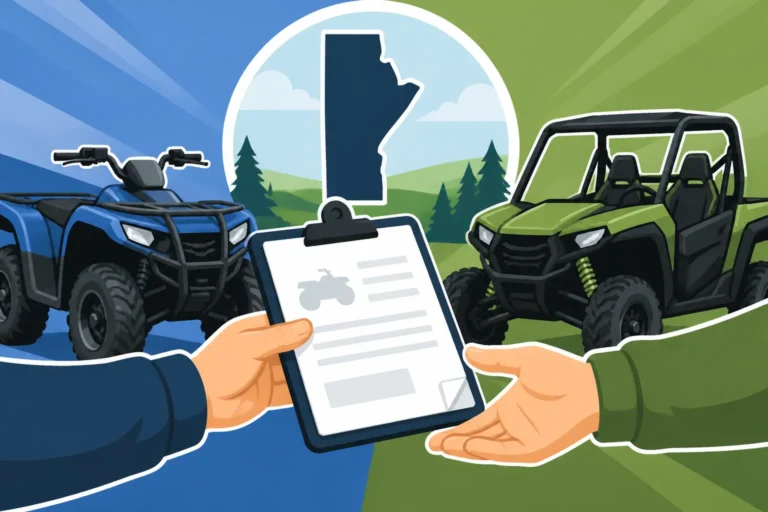
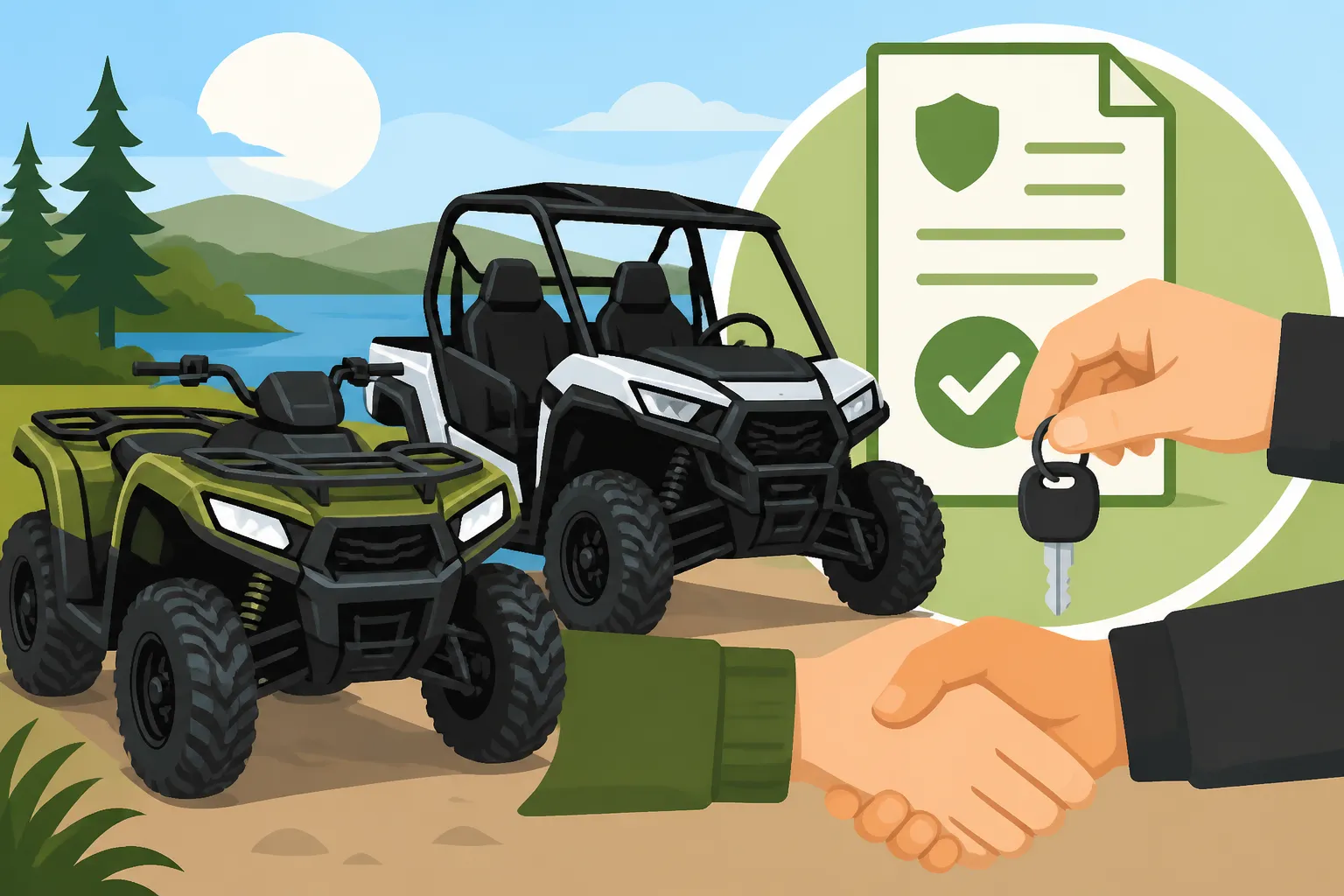
The primary document for transferring ownership in Manitoba is the original registration certificate you currently hold. On this certificate, there's a specific section dedicated to the transfer of ownership. This isn't a separate form you download; it's literally part of the certificate itself. This section requires information such as the buyer's name and address, the date of sale, and the selling price. Crucially, it requires your signature as the seller and the buyer's signature acknowledging the transfer.
It's vital that both parties fill out and sign this section accurately. This transfer document is the buyer's proof of purchase and enables them to register the ORV in their own name with MPI. Without it, or if it's incomplete, the buyer will face significant hurdles, and you could remain on record as the owner, which could lead to complications. This is why it's so important that you, the seller, understand [The Transfer Document Hiding in Your Registration Certificate] and ensure it's properly completed.
Your Responsibilities at MPI
As the seller, your immediate responsibility at the moment of sale is to properly complete and sign the transfer section of your registration certificate and hand it over to the buyer. However, your involvement doesn't necessarily end there. While the onus is on the buyer to officially register the machine in their name, it's wise for you to take an extra step to protect yourself. Many Autopac agents can process a "notice of sale" or "seller's declaration" to formally notify MPI that you've sold the machine. This documentation is your proof that you are no longer the owner and can help absolve you of any liability should the buyer fail to register it promptly.
You should aim to visit an Autopac agent as soon as possible after the sale, or at least within a few days, to officially inform them of the transfer. This ensures MPI's records are updated, even if the buyer delays their registration. This quick visit can prevent you from being held accountable for any incidents involving the machine once it's out of your hands, such as unpaid tickets, or even accidents. It's a small step that provides a significant layer of protection.
What Happens to Your Registration and Trails Fee
When you sell your registered ORV, your registration for that specific machine is effectively cancelled. You cannot simply transfer your existing plate or registration to another machine unless you're selling one and simultaneously purchasing another and doing a direct plate transfer within a [Manitoba's Seven-Day Replacement Window]. Your current registration is tied to that specific VIN.
Manitoba also charges a mandatory [The $25 Trails Fee Added to Every Registration] for ORVs. When you sell, if there's any remaining valid period on your registration that you paid for, you might be eligible for a pro-rated refund from MPI on the registration portion. However, it's important to know that [Manitoba Trails Fee Is Non-Refundable]. This fee supports trail maintenance and development, and once paid, it's generally not given back, even if you sell the machine mid-term. So, while you might get a portion of your overall registration cost back, don't expect a refund on the trails fee component. Your best bet is to inquire with an Autopac agent about potential refunds when you notify them of the sale.
| Seller's Responsibility | Description | Key Document/Action |
|---|---|---|
| Gather Documents | Locate current registration certificate, old bills of sale, service records. | Original ORV Registration Certificate |
| Prepare Machine | Clean, perform basic checks, document condition with photos. | Photos, maintenance log |
| Determine Value | Research market value based on similar machines. | Online listings, Blue Book values |
| Create Listing | Write clear description, take good photos. | Online ad, "for sale" sign |
| Draft Bill of Sale | Create a legally sound document with all transaction details. | LawDepot bill of sale form, duplicate copies |
| Secure Payment | Verify funds before releasing machine or documents. | Cash verification, certified cheque, bank transfer confirmation |
| Complete Transfer Section | Fill out and sign the transfer portion of the registration certificate. | Signed transfer section of ORV Registration Certificate |
| Notify MPI | Inform MPI (via Autopac agent) of the sale. | Seller's declaration/notice of sale form |
| Seek Refund (Optional) | Inquire about pro-rated refund on registration portion (not trails fee). | Discussion with Autopac agent |
Avoiding Common Pitfalls When Selling
Even with the best intentions, selling an ORV can encounter unforeseen challenges. Being aware of these common pitfalls can help you navigate them smoothly and ensure a stress-free transaction.
Dealing with a Missing Registration or Lien
One of the biggest hurdles for sellers is a missing original registration certificate. Without this document, transferring ownership becomes significantly more complicated. You cannot legally transfer ownership without the proper documentation. If your registration is lost or stolen, your very first step should be to visit an Autopac agent to apply for a duplicate. This is crucial before you even list the machine for sale. A buyer will (and should) insist on seeing the original registration certificate.
Another significant issue is if there's an outstanding lien on your machine, meaning it's still being financed. [Manitoba Registration and Lien Records] are publicly accessible, and a savvy buyer or Autopac agent will check for them. You cannot legally transfer clear title to a machine with an active lien until that lien is paid off. This means you'll need to contact your lender, pay off the remaining balance, and obtain a letter of release before you can complete the sale. This often involves coordinating with the buyer to ensure the sale funds go directly to clear the lien. Transparency here is essential; trying to hide a lien will only lead to legal trouble and a failed sale.
The Risks of "As Is" Sales and Verbal Agreements
While selling "as is, where is" is a common practice for private ORV sales in Manitoba, it doesn't absolve you of all responsibility, especially if you deliberately misrepresent the machine's condition. While it generally means the buyer accepts the machine with all its faults, it doesn't protect you from claims of fraud or gross negligence. Be honest in your description and avoid making any verbal guarantees about the machine's future performance.
This is precisely why a detailed, written bill of sale is so important. Verbal agreements are notoriously difficult to prove and can lead to serious disputes down the road. If you make promises about a recent repair or the machine's capabilities, ensure they are written into the bill of sale, or better yet, don't make them at all if you're selling "as is." Using a reputable template from a service like LawDepot helps you include all necessary clauses to protect yourself, clearly outlining the "as is" condition and ensuring both parties acknowledge it. Don't underestimate the power of clear, written communication in preventing post-sale conflicts.
What Happens if the Buyer Doesn't Register It?
This is a common concern for sellers: what if you sell the machine, sign over the registration, and the buyer just never gets around to officially registering it in their name? Until the new owner registers the ORV with MPI, the machine might still appear in MPI's records as being owned by you. This could potentially leave you liable for fines, tickets, or even involvement in an accident if the new owner causes an issue. For instance, if the machine is found abandoned or involved in an incident, and it's still registered in your name, law enforcement may come knocking on your door first.
This is why notifying MPI of the sale (as discussed earlier) is so critical. By filing a seller's declaration or notice of sale with an Autopac agent, you create an official record that you have relinquished ownership. This acts as a legal shield, demonstrating that you are no longer responsible for the machine from the date of sale, regardless of when (or if) the buyer completes their registration. Don't leave this step to chance; protect yourself by formally severing your ties with the machine in MPI's system. It’s a small effort for significant peace of mind.
Disclaimer
This article is for general informational purposes only and does not constitute professional advice. Laws, prices and regulations vary by location and change over time. Consult a qualified professional for guidance on your specific situation.