Carrying Your Registration Card on Every Ride
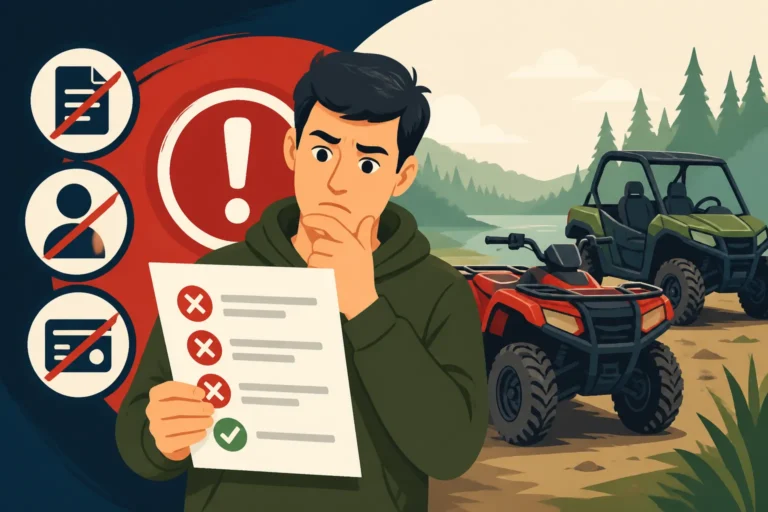
We've all been there: getting ready for a fantastic day out on the trails or through the backcountry, only to realize you're missing something crucial, or worse, you've got it, but it's a crumpled, mud-stained mess. When it comes to riding your ATV or UTV in Manitoba, carrying your registration card isn't just a good idea for convenience; it's a legal requirement that can save you a lot of headaches, fines, and potentially cutting your adventure short. This guide is here to walk you through exactly why this little piece of paper is so important, what it means for your rides, and how to keep it safe and accessible.
Why Your Registration Card Is Non-Negotiable in Manitoba
Let's face it, nobody wants to deal with official paperwork when all you want to do is hit the throttle and enjoy the incredible landscapes Manitoba has to offer. But the reality is, operating an off-road vehicle (ORV) here comes with responsibilities, and one of the biggest is ensuring your machine is properly registered and that you can prove it. This isn't just about revenue for the province; it's about accountability, safety, and ensuring all riders are operating within the law.
The Legal Imperative for Carrying Your Card
In Manitoba, the Off-Road Vehicles Act is quite clear: if you're operating an ORV, you must carry your registration certificate with you. This isn't a suggestion; it's a mandatory rule designed to ensure that every machine on a trail, ditch, or field is identifiable and legally permitted to be there. Think of it like carrying your driver's license in your car – it's proof that you're authorized to operate the vehicle and that the vehicle itself is compliant. An officer, whether it's an RCMP member, a conservation officer, or a by-law enforcement officer, has the authority to ask for this documentation at any time. If you can't produce it, you're not just looking at a minor inconvenience; you're looking at a potential fine or other penalties. This applies universally; [Registration Applies Everywhere, Not Just on a Trail], so whether you're deep in the bush or just crossing a road, be prepared.
Linking Registration to Your Autopac Policy
Many riders might not realize just how intertwined their ORV registration is with Manitoba Public Insurance (MPI), our provincial insurer. When you register your ATV or UTV, you're doing so through an Autopac agent, and that registration includes a basic level of liability insurance. This isn't like vehicle insurance where you might get a separate card; it's all part of the same package. The registration certificate itself serves as proof of this basic coverage. So, when an officer asks for your registration, they're not just checking if your machine is listed with the province; they're also verifying that you have the minimum required insurance coverage in place. Understanding [Manitoba ORV Registration Through MPI] helps clarify why these documents are so closely linked.
Understanding Your Manitoba ORV Registration Certificate
It's easy to think of a registration card as just a piece of paper, but it's much more than that. It's the official record of your machine, its ownership, and its legal status in Manitoba. Knowing what information is on it and what it signifies can make you a more confident and compliant rider.
What Information Is on the Card
Your registration certificate from MPI isn't just a simple sticker; it's a detailed document that holds vital information about your off-road vehicle. You'll find your name and address as the registered owner, the vehicle identification number (VIN) of your ATV or UTV, the make, model, and year of the machine, and the effective and expiry dates of your registration. It also shows that you've paid the necessary fees, including the provincial sales tax (RST) and, crucially, the [The $25 Trails Fee Added to Every Registration] that helps maintain our province's incredible trail network. This document is a complete snapshot of your ORV's legal standing, proving you've met all the initial requirements to operate it.
Proof of Ownership and Legal Operation
Beyond simply showing you've paid your fees, your registration certificate acts as official proof that you are the registered owner of the off-road vehicle. This is incredibly important for several reasons. If your machine is ever stolen, this document is critical for law enforcement to identify and return it to you. It's also essential when it comes to transferring ownership. The registration certificate has a section specifically for transferring the machine to a new owner. If you're selling your ORV, you'll need this document handy to complete the sale properly. Understanding [Manitoba Transfer of Ownership Rules] becomes much easier when you realize the registration card is central to the process. Even if you're riding a borrowed machine, having a copy of the owner's registration, or at least being able to contact them, is a smart move.
Keeping Your Registration Card Safe and Accessible
One of the biggest frustrations for riders is keeping paper documents safe and dry in an environment that's often anything but. Mud, water, dust, and vibrations are the natural enemies of paper, but with a little foresight, you can protect your essential documents.
Waterproofing and Protection Strategies
The Manitoba wilderness can be beautiful, but it's not exactly kind to paper. Heavy rain, splashing through creeks, or even just the humidity of a warm day can quickly turn your crisp registration card into an illegible mess. That's why waterproofing is key. My go-to method is a sturdy, clear, waterproof pouch designed for documents. You can find these at outdoor supply stores, often marketed for boating or hiking. They're usually sealable and durable. Another option is to simply laminate the card yourself, or slip it into a resealable plastic bag before placing it in a more robust container. Whichever method you choose, make sure it's completely sealed and able to withstand the elements you expect to encounter on your ride.
Smart Storage Locations on Your Machine
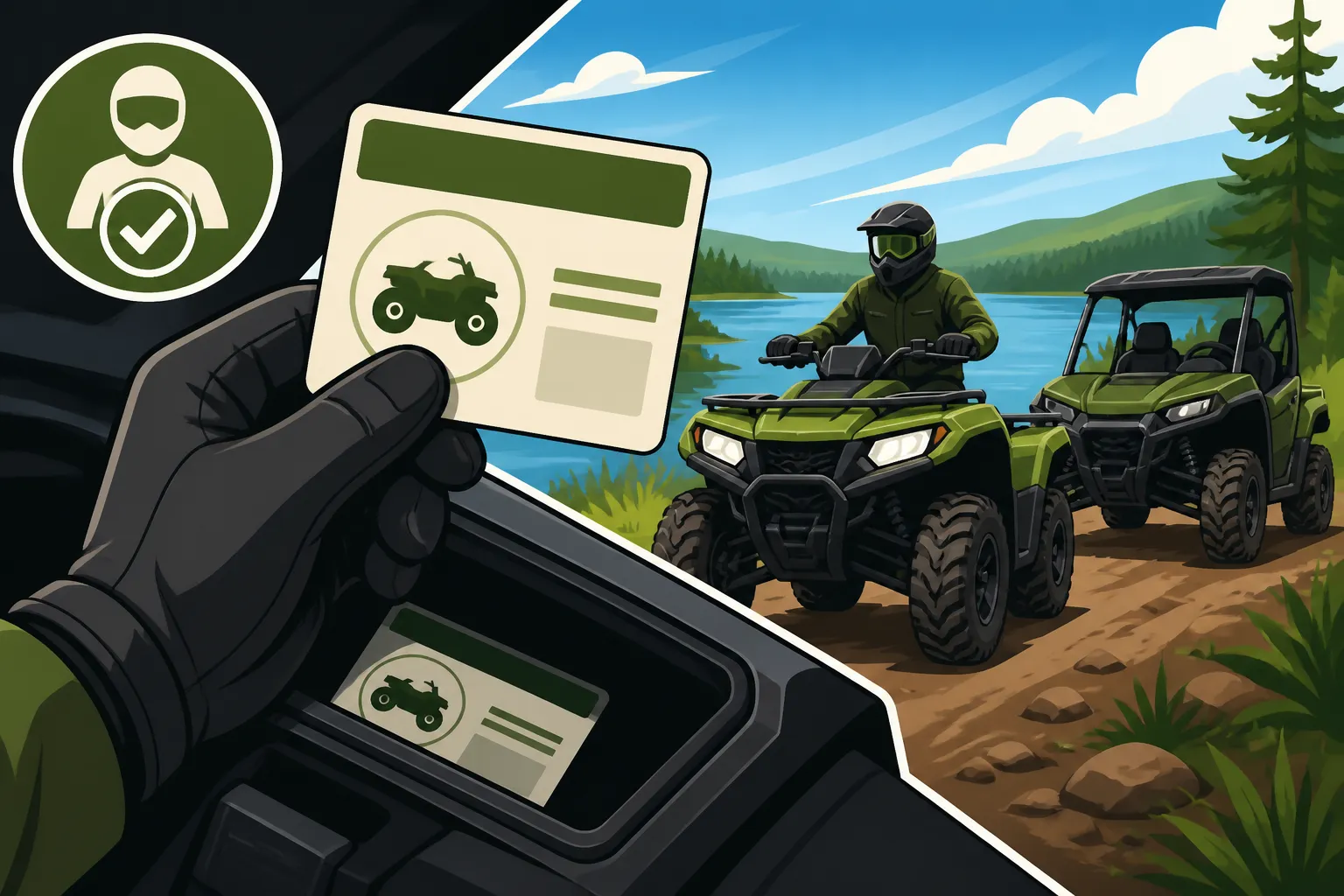
Where you store your card is just as important as how you protect it. You want it accessible but also secure. For ATVs, many riders use a small, waterproof storage box mounted to the rack, or a compartment under the seat if their machine has one. Some handlebar bags also offer waterproof compartments perfect for documents. For UTVs, the glove box is an obvious choice, but again, make sure the document itself is in a waterproof pouch inside the glove box, as these compartments aren't always fully sealed from moisture. Snowmobilers often tuck their documents into a waterproof pocket on their suit or a small, sealed bag in a cargo box. The key is to choose a spot that's easy to reach if an officer asks, but out of the way of general wear and tear, and ideally, away from heavy vibration. Remember, [Manitoba Registration Cards Carried at All Times] means physically carried, not just stored at home.
Digital Copies: A Backup, Not a Replacement
In our digital age, it's tempting to just snap a photo of your registration card and rely on your phone. While having a digital copy on your smartphone or a cloud service is an excellent backup – and I highly recommend it for any important document – it's generally not sufficient as primary proof. Most enforcement officers will require a physical document. Your phone battery could die, or you could lose signal in remote areas. Use a digital copy as a safeguard, perhaps even encrypting it for security, but always ensure you have the original physical card (or a clear, legal copy if permitted) with you in its waterproof protection.
Consequences of Not Carrying Your Registration Card
It might seem like a small detail, but forgetting or losing your registration card can lead to real hassles and financial penalties. Nobody wants their day of fun to turn into a legal headache.
Fines and Enforcement Actions
The most immediate consequence of not having your registration card is a potential fine. While specific amounts can vary, provincial statutes outline penalties for operating an ORV without the required documents. These fines are not trivial and can quickly add up, easily costing you more than the hassle of proper preparation. Beyond monetary penalties, an officer might detain you until proof of registration can be verified, or even impound your machine in some circumstances if ownership or registration status is unclear or suspicious. It’s always better to be prepared than to face these kinds of delays and expenses.
Delays and Inconvenience on the Trail
Imagine you're deep in the Whiteshell or exploring the Interlake region, and you encounter an officer. If you can't produce your registration, your ride will likely come to a screeching halt. The officer will need to verify your information, which might involve calling in your VIN, confirming your identity, and waiting for database checks. This process can take a significant amount of time, eating into your riding day and frustrating everyone involved. In some cases, if verification is difficult or if other compliance issues arise, your trip might even be cut short. It's a prime example of how a small oversight can lead to major inconvenience.
What About Other Important Documents?
While the registration card is king, it's not the only piece of paper you might want to carry, especially depending on where and how you ride. Being prepared means having all your bases covered.
Your Driver's License and Proof of Age
If you plan on operating your ORV anywhere that requires crossing a public road or utilizing certain ditch allowances, you absolutely need to carry your valid driver's license. [Manitoba Crossings Need a Driver's Licence] for good reason – it proves you have the basic competency to operate a motor vehicle. Even if you're not planning on road crossings, it's smart to have photo ID on you. For younger riders, especially those aged 16 to 18, who might still need [Manitoba Parental Consent From 16 to 18] for certain aspects of ORV operation, proof of age and any relevant consent forms are crucial. Always be ready to prove who you are and that you meet the age requirements for operating your specific machine.
Proof of Additional Insurance Coverage
As mentioned, your basic registration includes minimum liability coverage, but many riders opt for additional insurance to protect against theft, collision, or higher liability limits. If you've purchased extra coverage from MPI or a private insurer, you might have separate policy documents or cards. While these aren't always legally mandated to be carried on your person, it's a very good idea to have at least a summary or your insurance provider's contact information readily accessible. If an incident occurs, having this information immediately available can expedite claims and reporting processes. Just like with the registration, tuck these into your waterproof pouch.
Table: Essential Documents to Carry on Your Manitoba ORV Ride
Here’s a quick overview of what you should always have with you when you hit the trails in Manitoba, and why:
| Document | Why It's Essential | Where to Keep It |
|---|---|---|
| ORV Registration Certificate | Legal requirement; proves ownership & basic insurance. | Waterproof pouch, secure compartment/bag. |
| Valid Driver's License | Required for road crossings; proof of identity/age. | Wallet or secure, waterproof pocket. |
| Additional Insurance Proof | For claims in case of theft/collision/injuries (optional). | Waterproof pouch with registration. |
| Parental Consent Form | For riders 16-18; proves guardian permission. | Waterproof pouch with registration. |
| Emergency Contact Info | Critical for first responders in an accident. | On your person (e.g., helmet, wallet), waterproof. |
| Proof of Ownership (e.g., Bill of Sale) | Especially useful for new machines or if registration is pending. | Digital copy on phone, or paper in waterproof pouch. |
Ownership Documents and Bill of Sale
For new machines, or if you've recently purchased your ORV from a private seller, you might not yet have the updated registration card in your name. In such cases, carrying a copy of your bill of sale is incredibly important. This document serves as proof that you are the rightful owner, even if the provincial records haven't caught up yet. If you used a service like LawDepot to draft a professional bill of sale, make sure you have a copy of that with you. This can be particularly helpful if you're stopped before your permanent registration comes through, giving you valuable interim proof. Always check [Manitoba Transfer of Ownership Steps] to ensure you're compliant during any transition period.
Preparing for Your Next Manitoba ORV Adventure
Taking the time to organize your documents before you head out is a small investment that pays huge dividends in peace of mind. It’s about being a responsible rider and respecting the laws that allow us to enjoy our incredible outdoor spaces.
Pre-Ride Checklist for Documentation
Before every ride, make it a habit to run through a quick checklist. Do you have your ORV registration certificate? Is it properly waterproofed? Is your driver's license in your wallet? What about any additional insurance cards or necessary consent forms for younger riders? Just a few seconds of checking can save you hours of potential grief. Think of it as part of your pre-ride safety inspection, alongside checking your tires, fuel, and brakes. This routine will ensure you're always ready, no matter where your Manitoba adventure takes you.
Staying Informed About Rule Changes
Laws and regulations can change, even for off-road vehicles. While the fundamental requirement to carry your registration card is pretty stable, other aspects of ORV operation might evolve. Staying connected with local ATV clubs, checking the Manitoba government's official websites, or even visiting an Autopac agent occasionally for updates can keep you informed. For instance, [Manitoba Registration Renews With Your Autopac Policy], so keeping an eye on your insurance renewal dates will help ensure your registration is always current. Being proactive about information helps you remain a compliant and confident rider for years to come.
Getting out on your ATV or UTV in Manitoba is all about freedom and adventure. Don't let a simple oversight like a missing registration card dampen your spirits or lead to unnecessary trouble. Protect your documents, know what you need to carry, and ride responsibly. Happy trails!
Disclaimer
This article is for general informational purposes only and does not constitute professional advice. Laws, prices and regulations vary by location and change over time. Consult a qualified professional for guidance on your specific situation.