Manitoba Registration for a Northern Rider
Living in northern Manitoba offers unparalleled access to some of the most breathtaking and challenging off-road terrain, but it also presents unique hurdles when it comes to getting your ATV or UTV properly registered. You're not always a stone's throw from an Autopac agent, and the rules can sometimes feel like they're written for someone living just outside of Winnipeg. This guide is here to demystify the registration process, particularly focusing on the specific considerations and exemptions that apply to riders in Manitoba's more remote communities, helping you ensure your machine is street-legal (where permitted) and trail-ready.
Understanding Standard Manitoba ORV Registration, No Matter Where You Live
First things first, let's tackle the general framework of off-road vehicle registration in Manitoba. While there are specific considerations for northern and remote communities, the foundational requirements still apply to most riders. It’s easy to assume that if you’re "way up north," some of these rules might not apply, but that's often a misconception that can lead to headaches down the line.
The Basics: Why and What Needs Registering
In Manitoba, if you plan to operate an off-road vehicle (ORV) – which includes ATVs, UTVs, dirt bikes, and snowmobiles – on any land other than your own private property, it needs to be registered with Manitoba Public Insurance (MPI). This isn't just about trail riding; it applies to Crown land, designated trails, and even crossing roadways where permitted. The core reason for registration is multi-layered: it establishes ownership, helps with identification in case of theft or accident, and the fees contribute to important initiatives like trail maintenance. Many riders sometimes think that if they're only using their machine for hunting or fishing, or on remote logging roads, registration might not be necessary. However, the law generally says [Registration Applies Everywhere, Not Just on a Trail].
The type of machine matters, too. Whether you're riding a nimble sport quad, a heavy-duty utility ATV for chores around the cabin, or a side-by-side (UTV) for family outings, they all fall under the same broad registration umbrella if they meet the definition of an ORV. It’s not just for the "fun" machines; even work-specific machines often require it if they leave private property. It's a fundamental step that ensures accountability and safety for everyone sharing the land.
The Role of MPI and Autopac Agents
Manitoba Public Insurance (MPI) is the provincial body responsible for ORV registration, just as they handle vehicle licensing and insurance. While MPI sets the rules and manages the database, the actual legwork of registering your machine is typically done through a network of accredited Autopac agents. These agents are your primary point of contact for new registrations, renewals, and any changes to your vehicle's status. For northern riders, the challenge can often be the sheer distance to the nearest Autopac agent.
It's common for residents in smaller, more isolated communities to feel a disconnect from these services. You might not have an Autopac agent in your community, requiring a significant drive to the nearest town. This can be a real barrier, especially when you consider fuel costs, time off work, and potential weather challenges. However, the process itself, when you reach an agent, is fairly standardized. They will guide you through the necessary forms and verify your documentation, ensuring your machine is properly entered into the provincial system. You can even combine a number of tasks in one visit, as [MPI Registers, Insures and Taxes in One Visit].
Required Documentation for Every Rider
When you do make that trip to an Autopac agent, you'll need to arrive prepared with specific documents. This is crucial whether you're in Leaf Rapids or Lac du Bonnet. The basic requirements include proof of ownership for the ORV, which is typically a bill of sale from the previous owner or a dealership invoice for a new machine. You'll also need personal identification to prove who you are and that you're eligible to register. [Manitoba Proof of Age at Registration] is a key part of this for younger riders.
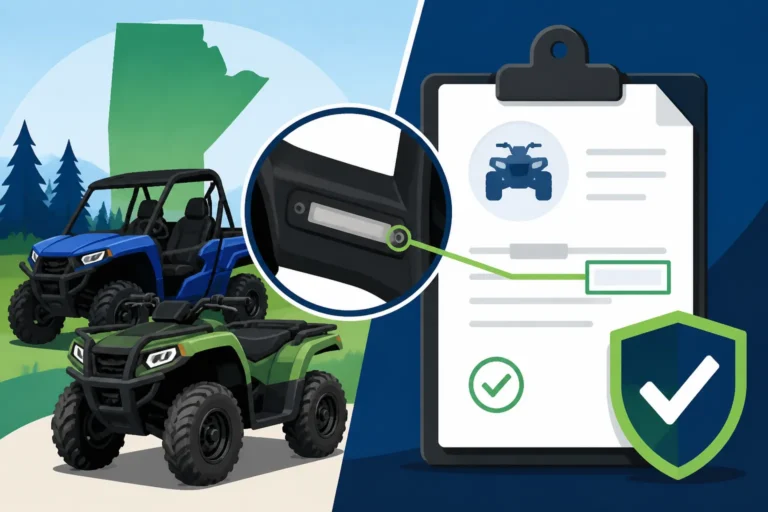
Beyond that, you'll need the machine's Vehicle Identification Number (VIN) or serial number, which is essential for identifying the specific ORV. If you've just moved to the province, you'll also need proof of your Manitoba residency. Sometimes, especially with older machines or private sales, a formal bill of sale might be missing or incomplete. In such cases, having a well-drafted document, perhaps created using resources like LawDepot, can make a huge difference in demonstrating legitimate ownership. It's always best to have too much documentation rather than too little when dealing with official processes.
Navigating the Northern Exemption for Remote Communities
Here's where things get specifically relevant for many northern Manitoba riders. The province recognizes that certain communities face unique circumstances that make standard registration requirements impractical or even unnecessary for their daily use. This leads to the "remote community exemption," a vital piece of legislation for those living off the beaten path.
Defining a "Remote Community" for ORV Registration
So, what exactly counts as a "remote community" in the eyes of Manitoba's ORV regulations? The key criterion often boils down to access: a community is generally considered remote if it is not accessible year-round by an all-weather road. This is a practical recognition of the reliance on winter roads, air travel, or waterways for connection to the provincial highway network. Communities like Churchill, Tadoule Lake, or even some further north, fit this description. It's a very specific definition aimed at alleviating the burden on residents who use ORVs as essential transportation rather than purely recreational vehicles.
This isn't just a broad "northern" exemption; it's tied to the actual infrastructure connecting your community to the rest of the province. If your community has a paved, year-round highway access, you might not qualify, even if you feel geographically isolated. It's important to understand this distinction, as assuming eligibility without meeting the specific criteria can lead to issues. You can find more details on [What Counts as a Remote Community for Registration]. The intent is to support communities where ORVs are truly integral for basic mobility and services, not just for leisure.
What the Exemption Actually Means
For those who live in a designated remote community, the exemption means that you are not required to register your ORV with MPI if you only operate it within that remote community and its surrounding lands. This is a significant relief, as it removes the administrative burden, associated fees (including the [The $25 Trails Fee Added to Every Registration]), and the requirement to travel great distances to an Autopac agent. It acknowledges that in these areas, ORVs are often the primary mode of transportation for everything from commuting to hunting and gathering.
However, and this is a critical point, the exemption is not universal. If you bring your ORV out of your remote community and plan to operate it anywhere else in the province that isn't considered "remote" under the definition, then standard registration rules do apply. For example, if you trailer your quad down to southern Manitoba for a specific trail ride or to visit family, it would need to be registered and carry a plate for that period of operation. Many riders overlook this nuance, thinking once exempt, always exempt. It's about where you're riding, not just where you live.
How to Prove Your Eligibility
Even if you reside in a remote community, simply stating it might not be enough if you're ever questioned by an enforcement officer. While you might not carry a registration card for an exempt machine, you'll still need to be able to prove that you qualify for the exemption. This typically involves demonstrating your residency in a recognized remote community. Acceptable forms of proof could include government-issued identification with your remote address, utility bills, or other official documents that clearly link you to that specific community.
It’s always a good idea to have some form of documentation on hand, even for machines that are technically exempt. Think about it: if an officer stops you and you can't quickly and clearly establish your eligibility for the exemption, you could still face unnecessary questions or even fines. While you won't have a physical registration card like other riders, having a piece of mail or ID that states your remote community address can be invaluable. This preparedness ensures that the exemption truly works for you as intended, without added stress.
Practical Tips for Northern Riders: Documents, Travel, and Renewals
Beyond understanding the rules, northern riders often face practical challenges that require a bit more forethought. From securing paperwork to knowing what to do when you leave your immediate area, these tips can help make your ORV ownership experience smoother.
Securing Essential Documents in Remote Areas
Getting the necessary paperwork for registration can be a logistical challenge when you're far from urban centres. If you're buying a machine, especially in a private sale, make sure you get a proper bill of sale. Sometimes, these informal sales don't come with much paperwork, but it's essential to have a clear document of transfer. Using online legal document services like LawDepot can be incredibly helpful for creating a professional and legally sound bill of sale, even for private transactions. This ensures all the right details, like the VIN, purchase price, and seller/buyer information, are included. [Manitoba Registration Without a Bill of Sale] can be a real headache, so prevention is key.
If you don't have access to a printer or internet for such documents, consider reaching out to community offices, band offices, or local general stores that might offer printing and fax services. Planning ahead for this step can save you a lot of grief. For new machines purchased from a dealer outside your community, ensure they provide all necessary documentation for MPI, and confirm if they can handle any initial registration steps remotely or mail documents. Always keep copies of everything, ideally in a waterproof bag.
Carrying Your Registration and Proof of Exemption
Even with the remote community exemption, if you do decide to register your machine for use outside your immediate community, or if you simply need to carry proof of residency for your exemption, the rules about carrying documents still apply. For registered machines, you are required to [Manitoba Registration Cards Carried at All Times] while operating your ORV. This means having the physical registration certificate with you on every ride. For northern conditions, this often means laminating it or keeping it in a sealed, waterproof bag. Getting caught without it can lead to fines, even if your machine is properly registered.
For exempt machines, as discussed, while you won't have a registration card, carrying proof of your remote residency is your equivalent. An official piece of mail, a valid ID, or even a letter from your local band office confirming your address could serve this purpose. The goal is to avoid any ambiguity should an enforcement officer stop you. In remote areas, where ORVs are often crucial for daily life, a simple stop can quickly become a significant inconvenience if you can't readily provide proof of your legal status to ride.
Annual Renewals and Address Changes
Once your ORV is registered, remember that registration isn't a one-time deal; it needs to be renewed annually. [Manitoba Registration Renews With Your Autopac Policy], which is usually tied to your birth month. This means you'll need to reconnect with an Autopac agent each year. Again, for northern riders, this often means another trip. If you anticipate being out of your community around your renewal date, plan to do it in advance. Some Autopac agents might offer options for renewals by mail or online if you've already established an account, but this varies.
It's also crucial to keep your address updated with MPI. [Manitoba Address Changes Within 15 Days] of a move. While a move within a remote community might not seem significant, a move from a remote community to a non-remote one (or vice-versa) would directly impact your registration requirements. If you move from a remote community to a location with year-round road access, your ORV would then become subject to standard registration rules, and you'd need to register it promptly. Keeping MPI informed ensures you're always compliant with the current regulations, wherever you call home.
Summary of Northern Rider Registration Considerations
| Aspect | Standard Manitoba Rider | Remote Community Rider (Exempt) |
|---|---|---|
| Registration Required? | Yes, for operation off private land | No, if operating only within the remote community |
| Primary Contact | Autopac agent | Autopac agent (if registering for non-local use) |
| Required Documents | Bill of sale, ID, VIN, Proof of Residency | Proof of Residency in remote community |
| Annual Renewal | Yes, through Autopac agent | Not applicable for exempt machines |
| Trails Fee ($25) | Yes, included in registration | Not applicable for exempt machines |
| Carrying Documents | [Carrying Your Registration Card on Every Ride] required | Proof of remote residency highly recommended |
| Operating Outside Remote Community? | Standard rules apply | Yes, standard registration required |
| Document Assistance | Dealer, private seller, legal forms (e.g., LawDepot) | Legal forms (e.g., LawDepot) for private sales |
This table provides a quick overview, but remember that the specifics can always be clarified by contacting MPI or a knowledgeable Autopac agent directly. Staying informed is your best defence against any misunderstandings on the trail.
Disclaimer
This article is for general informational purposes only and does not constitute professional advice. Laws, prices and regulations vary by location and change over time. Consult a qualified professional for guidance on your specific situation.