Manitoba Plates on the Left of a Snowmobile
One of the most common questions new off-road vehicle (ORV) owners in Manitoba have, particularly those with snowmobiles, revolves around where exactly that registration plate is supposed to go. It might seem like a small detail, but getting it wrong can lead to unnecessary hassles or even fines on the trail. This guide will meticulously walk you through the precise requirements for mounting your registration plate on a snowmobile in Manitoba, alongside broader registration considerations to keep you riding legally and confidently.
Understanding Manitoba's ORV Plate Placement Rules
Navigating the regulations for off-road vehicles in Manitoba can sometimes feel like trying to find your way through a blizzard without a compass. Each type of machine seems to have its own specific rules, and plate placement is definitely one of those areas where precision matters. For snowmobile owners, the rules are quite specific, and it's essential to understand them to avoid any unexpected issues when you're out enjoying the snow.
General Principles for Visibility
Before diving into the specifics for snowmobiles, it's helpful to understand the underlying philosophy behind plate placement for all ORVs. The primary goal is visibility. Law enforcement and trail patrols need to be able to easily identify your machine, even from a distance, and under various riding conditions. This means the plate can't be obscured by mud, snow, accessories, or even your riding gear. It needs to be clear, clean, and positioned in a way that allows for unobstructed viewing.
Think about it from the perspective of an enforcement officer. They're often trying to quickly ascertain if a machine is properly registered as it passes by or while it's parked. A plate that's hidden behind a spare gas can, a seat bag, or simply caked in mud isn't just an oversight; it's a barrier to identification. This is why the regulations are so particular about where and how your plate is displayed, ensuring that this crucial piece of identification is always readily available. This emphasis on clear visibility also plays a role in safety, allowing for quicker identification in case of an incident.
Specifics for Snowmobiles: The Left Side Requirement
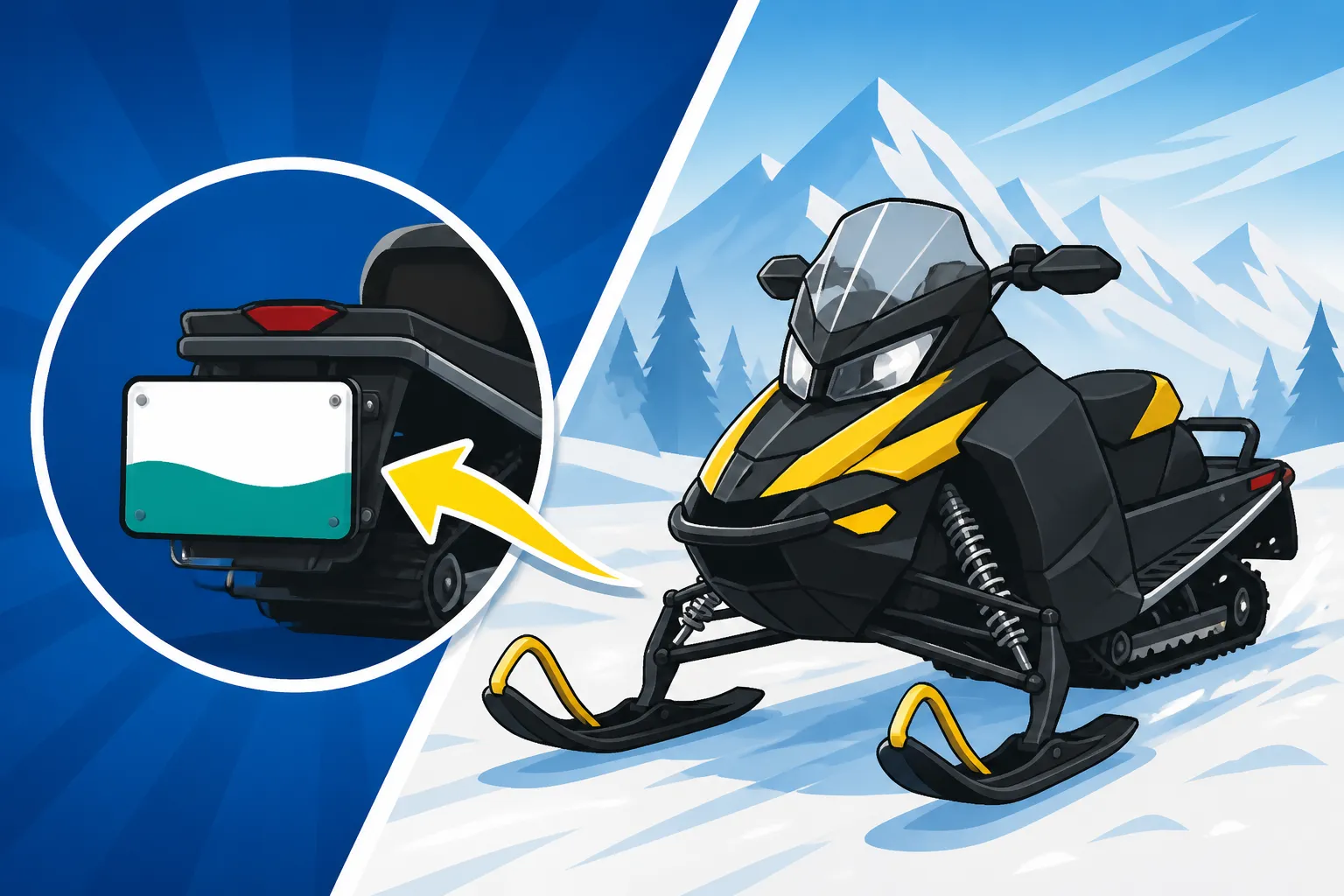
For snowmobiles, Manitoba's regulations are crystal clear: your single registration plate must be securely fastened to the left side of the machine. This isn't a suggestion; it's a hard and fast rule. The plate should be mounted in a location that is plainly visible from the left side, typically on the tunnel or side panel, and it must not be obstructed by any part of the snowmobile, its accessories, or anything you might be carrying.
Imagine you're standing on the left side of your snowmobile, looking at it. Can you easily read the plate numbers and letters without having to bend down, move gear, or squint through slush? If not, you might need to adjust its placement. The specific location might vary slightly depending on your snowmobile's make and model, but the key is always the left side and maximum visibility. This distinct placement for snowmobiles differs from other ORV types, emphasizing the importance of knowing the rules for your specific machine. You can learn more about general mounting principles in [Manitoba Plate Mounting by Machine Type].
Why Plate Placement Matters to Law Enforcement
The strict rules regarding plate placement aren't just bureaucratic red tape; they serve crucial practical purposes for law enforcement and trail management. First and foremost, proper plate display allows officers to quickly verify that a machine is registered and that the operator is compliant with provincial regulations. This quick identification is vital for maintaining safety and order on shared trails and public lands.
Furthermore, correct plate placement aids in investigations should an incident occur, such as a hit-and-run, a trespass complaint, or even a stolen machine report. If a plate is missing, improperly displayed, or obscured, it significantly hinders an officer's ability to identify the operator or track down the machine. Ultimately, clear and correct plate placement contributes to the overall responsible enjoyment of Manitoba's vast winter landscape, ensuring that everyone plays by the same rules and can be held accountable when necessary.
Registering Your Snowmobile in Manitoba
Before you can even think about where to mount that plate, you actually need to get a plate! Registering your snowmobile in Manitoba is a straightforward process, but it requires specific documentation and attention to detail. Just like registering any other vehicle, it ties your machine to you, the owner, and ensures it's legally allowed on trails and designated riding areas throughout the province. This initial step is fundamental to responsible snowmobiling in Manitoba.
The Initial Registration Process
Registering a snowmobile in Manitoba happens through any authorized Autopac agent, which is part of Manitoba Public Insurance (MPI). This is the same system you use to register your car or truck, making it a familiar process for many Manitobans. When you go to register, you'll need to present proof of ownership, your identification, and ensure the machine meets all necessary requirements. It’s not just about getting a plate; it’s about establishing legal ownership and ensuring your machine is part of the provincial system.
The agent will guide you through the necessary paperwork, which includes an application for registration. They'll verify your details and the machine's information, such as the Vehicle Identification Number (VIN). This entire process ensures that your snowmobile is properly recorded in the provincial database, making it traceable and accountable. Getting your snowmobile registered isn't just a formality; it's a critical step to ensure you're riding legally. For a broader overview, check out [Manitoba ORV Registration Through MPI].
What Documentation You'll Need
Getting your snowmobile registered means gathering some important papers. You’ll definitely need proof of ownership, which for a new machine is typically a bill of sale from a dealership. If you're buying a used snowmobile from a private seller, you'll need a properly completed bill of sale that includes the VIN, the purchase price, and the signatures of both the buyer and seller. You can find reliable bill of sale templates from resources like LawDepot, which can help ensure all necessary information is captured for a smooth transfer. Make sure this document clearly identifies the machine and the transaction details.
Beyond the bill of sale, you’ll need valid personal identification, such as a driver's license or another government-issued ID, to prove who you are. The Autopac agent will use this to confirm your identity and link the registration to your profile. It's also wise to have the machine's VIN handy, even if it's on the bill of sale, just in case. Having all these documents organized and ready will make your visit to the Autopac agent much quicker and less stressful. If you're a new resident, there are specific steps you might need to follow for your machine, which can be explored further in [Manitoba Registration for a New Resident].
Costs and Fees Beyond the Plate Itself
While the registration plate itself doesn't have a separate cost, there are several fees involved in the overall registration process that you need to be aware of. The main component is the annual registration fee, which covers the administrative costs of tracking your machine and providing the plate. This fee varies, so it's always best to check the current rates with an MPI agent or on their website.
In addition to the base registration fee, you'll also pay Manitoba's Retail Sales Tax (RST) on the purchase price of your snowmobile if it hasn't already been paid. A significant part of the cost for ORV registration in Manitoba is the annual Trails Fee. This fee is mandatory for all registered ORVs, including snowmobiles, and contributes directly to the maintenance and development of Manitoba's extensive trail networks. This ensures that the trails you love to ride are kept in good condition for everyone. For a deeper dive into the overall expenses, see [Manitoba ORV Registration Cost] and [Manitoba Trails Fee Collected With Registration].
Maintaining Your Registration and Plate
Getting your snowmobile registered and the plate mounted is just the first step. To ensure you can enjoy Manitoba's winter wonderland year after year without a hitch, you need to understand how to maintain your registration and what to do if issues arise with your plate. Keeping everything current and in order is crucial for continuous legal riding.
Annual Renewal: Keeping Your Machine Legal
Unlike some other jurisdictions where ORV registration might be a one-time event or last for several years, in Manitoba, your snowmobile registration typically renews annually. This renewal process is usually linked to your existing Autopac policy, making it fairly convenient. You'll receive a renewal notice, much like you would for your car, reminding you when it's time to update your registration.
It's vital not to let your registration lapse, as riding an unregistered snowmobile can lead to fines and other penalties. The annual renewal ensures that your machine remains on the provincial registry, that the necessary fees (including the trails fee) are paid, and that you continue to hold a valid registration certificate. This continuous process helps fund trail maintenance and ensures all machines on public trails are accounted for. More details on this can be found in [Manitoba Registration Renews With Your Autopac Policy].
Dealing with Lost, Stolen, or Damaged Plates
Accidents happen, and sometimes plates get lost, stolen, or damaged. Whether you hit a deep drift and your plate detached, or it was somehow peeled off your machine, you need to address the situation promptly. If your snowmobile plate is lost or stolen, your first step should be to report it to the police. This is an important protective measure and creates an official record of the incident.
After reporting it, you'll need to visit an Autopac agent to apply for a replacement plate. There will likely be a fee for the replacement, but getting a new, valid plate is essential to remain compliant. Riding with a missing or unreadable plate is against the rules. Don't try to fashion a homemade plate; it won't be accepted. Always ensure your new plate is mounted correctly on the left side of your snowmobile, just like the original. For further guidance on this, refer to [Manitoba Plate Replacement If Lost].
Transferring Ownership: When the Plate Stays or Goes
When you decide to sell your snowmobile, or if you purchase a used one, understanding the rules for transferring ownership and what happens with the registration plate is crucial. In Manitoba, the registration plate typically belongs to the owner, not the machine itself. This means that when you sell your snowmobile, you generally remove your plate from the machine.
The new owner will then need to register the snowmobile in their name and obtain a brand new plate from an Autopac agent. It's important for both buyer and seller to ensure the transfer of ownership is properly documented. A comprehensive bill of sale, perhaps generated using a template from LawDepot, is critical here, as it proves the transaction and allows the new owner to register the machine without issue. Without a clear paper trail, the new owner might face difficulties at the Autopac counter. This entire process is covered in detail in [Manitoba Transfer of Ownership Rules].
Common Misconceptions and Troubleshooting Plate Issues
It's easy to get confused with all the different rules for various ORVs, and plate placement is definitely an area where riders often make mistakes. Understanding these common misconceptions and knowing how to troubleshoot potential issues can save you a lot of grief and ensure you're always riding within the boundaries of Manitoba law.
The Difference Between Snowmobile and ATV Plate Rules
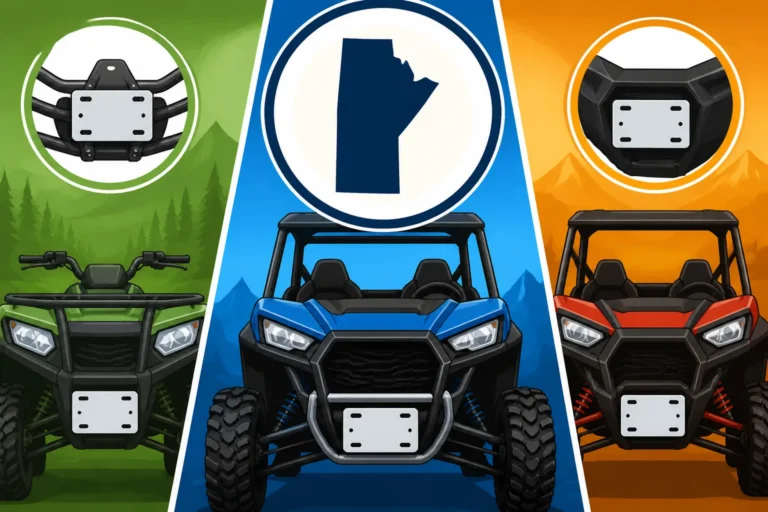
One of the biggest sources of confusion stems from the fact that different ORV types have different plate placement requirements. While snowmobiles specifically need their plate on the left side, ATVs and quads have a different rule entirely. For most ATVs, the plate is required on the rear of the machine, clearly visible. Dirt bikes (two-wheelers) often have it on the front. This variation is why it's so important to know the specific regulations for the particular type of machine you are operating.
Assuming "a plate is a plate" and placing it wherever seems convenient, without checking the specific rules for your machine, is a common error. This misunderstanding can easily lead to a chat with a conservation officer or trail patrol member. Always double-check the precise requirement for your machine type before you head out. This distinction is elaborated upon in [Manitoba Plate Mounting by Machine Type], as well as [Manitoba Plates on the Rear of a Quad] and [Manitoba Plates on the Front of a Two-Wheeler].
What Happens if Your Plate Isn't Properly Displayed
Riding with an improperly displayed, obscured, or missing plate can have immediate consequences. If you are stopped by law enforcement or a trail patrol officer, you could face a fine. The primary concern for officers is identification and compliance. If your plate isn't visible on the left side of your snowmobile, it hinders their ability to confirm your registration status.
Beyond fines, there could be other implications. For instance, if you're involved in an accident and your machine isn't properly identifiable, it could complicate insurance claims or investigations. It's also about setting a good example for other riders and contributing to the overall responsible use of shared trails. Always remember that the plate is your machine's primary identifier, and its proper display is non-negotiable for legal operation.
Tips for Secure and Visible Plate Mounting
Once you know your plate goes on the left side of your snowmobile, the next step is to ensure it's mounted securely and visibly. Here are a few tips to help you get it right:
- Choose the Right Spot: Look for a flat, sturdy section on the left-hand side of your snowmobile's tunnel or side panel that offers maximum visibility from various angles. Avoid areas that collect a lot of snow or mud, or where it could be easily bent or ripped off by branches.
- Use Proper Fasteners: Don't just use zip ties or tape. Invest in proper nuts and bolts, perhaps with lock washers, to secure the plate firmly. You don't want it rattling loose or falling off during a bumpy ride. Drilling a couple of small holes in the plate and corresponding holes in your machine (being mindful of wiring or components underneath) will provide the most secure attachment.
- Keep it Clean: Regularly check your plate to ensure it's not caked in snow, ice, or mud. A quick wipe-down before and after each ride can make a big difference in maintaining its visibility.
- Consider a Plate Frame (If Applicable): While not typically seen on snowmobiles as much as ATVs, if you find a suitable, non-obstructive frame, it could offer a layer of protection and help keep the plate flat and visible. Ensure any frame doesn't cover any part of the registration numbers or provincial markings.
By taking a few extra minutes to mount your plate correctly and securely, you'll save yourself potential headaches down the line and ensure you're always compliant with Manitoba's regulations.
| ORV Type | Plate Placement Rule | Additional Notes |
|---|---|---|
| Snowmobile | Left side of the machine | Must be plainly visible and unobstructed. |
| ATV / Quad | Rear of the machine | Must be plainly visible, not covered by gear or mud. |
| Two-Wheeler (Dirt Bike) | Front of the machine | Typically mounted on the front fender or handlebar area. |
| Side-by-Side (SxS) | Rear of the machine | Similar to ATVs, clear visibility is key. |
| Amphibious Machine | Rear or left side, clearly visible | Check specific design; must be visible from a distance. |
The Broader Context of Snowmobile Ownership in Manitoba
Owning a snowmobile in Manitoba is about more than just having a cool machine and a plate on the left side. It's about being part of a larger community, understanding your responsibilities, and contributing to the preservation and enjoyment of the province's incredible winter landscape. Beyond the plate, there are other crucial elements of snowmobile ownership that every rider needs to be aware of to ensure a safe and legal season.
The Trails Fee and Its Purpose
As mentioned earlier, a mandatory Trails Fee is collected with every ORV registration in Manitoba, and this absolutely includes your snowmobile. This isn't just another tax; it's a direct investment in the very trails that make snowmobiling in Manitoba so fantastic. The funds generated by this fee go directly towards supporting the maintenance, development, and grooming of the province's vast network of snowmobile trails.
Imagine riding through pristine snow, knowing that the smooth, well-marked trail beneath your skis is a direct result of that fee. Without these funds, local clubs and associations would struggle to keep trails open and safe for everyone. It's a collective contribution that ensures the future of organized snowmobiling in Manitoba, benefiting all riders. You can dive deeper into where these funds go by reading [Why Manitoba Adds $25 to Every ORV Registration] and [Trails Fee Money Spent on Trail Maintenance Grants].
Carrying Your Registration Documents on Every Ride
Just as important as having your plate properly mounted on your snowmobile is carrying your registration documents with you whenever you're operating the machine. This includes your valid registration certificate. While the plate identifies the machine, the certificate proves that it's legally registered to you and that you've paid all the necessary fees.
Think of it like your driver's license and vehicle registration for your car. You wouldn't drive your car without them, and the same principle applies to your snowmobile. Law enforcement officers or trail patrols may ask to see these documents at any time. Keep them in a waterproof pouch or a secure pocket, ensuring they stay dry and legible, even in harsh winter conditions. Having them readily available demonstrates your compliance and can prevent delays or issues during a routine stop. [Manitoba Registration Cards Carried at All Times] provides more insight into this requirement.
Rules for Riding a Snowmobile on Public Lands
Manitoba offers an incredible amount of public land for snowmobiling, but it's not a free-for-all. There are specific rules that govern where and how you can ride your snowmobile, even if it's fully registered. These rules are in place to protect sensitive ecosystems, ensure public safety, and minimize conflicts with other land users.
Generally, snowmobiles are restricted to designated trails, specified Crown land areas, or private land with permission from the owner. Riding off-trail in certain areas, particularly in provincial parks or sensitive natural areas, is often prohibited. Always consult local regulations, trail maps, and any posted signs before venturing out. Understanding and respecting these rules is part of being a responsible snowmobiler and helps preserve access for everyone. Be mindful of rules like [Manitoba's 30-Metre Dwelling Rule] and always know what counts as [Manitoba Crown Land Riding Explained].
Disclaimer
This article is for general informational purposes only and does not constitute professional advice. Laws, prices and regulations vary by location and change over time. Consult a qualified professional for guidance on your specific situation.