Planning a Visit to a Manitoba Service Counter
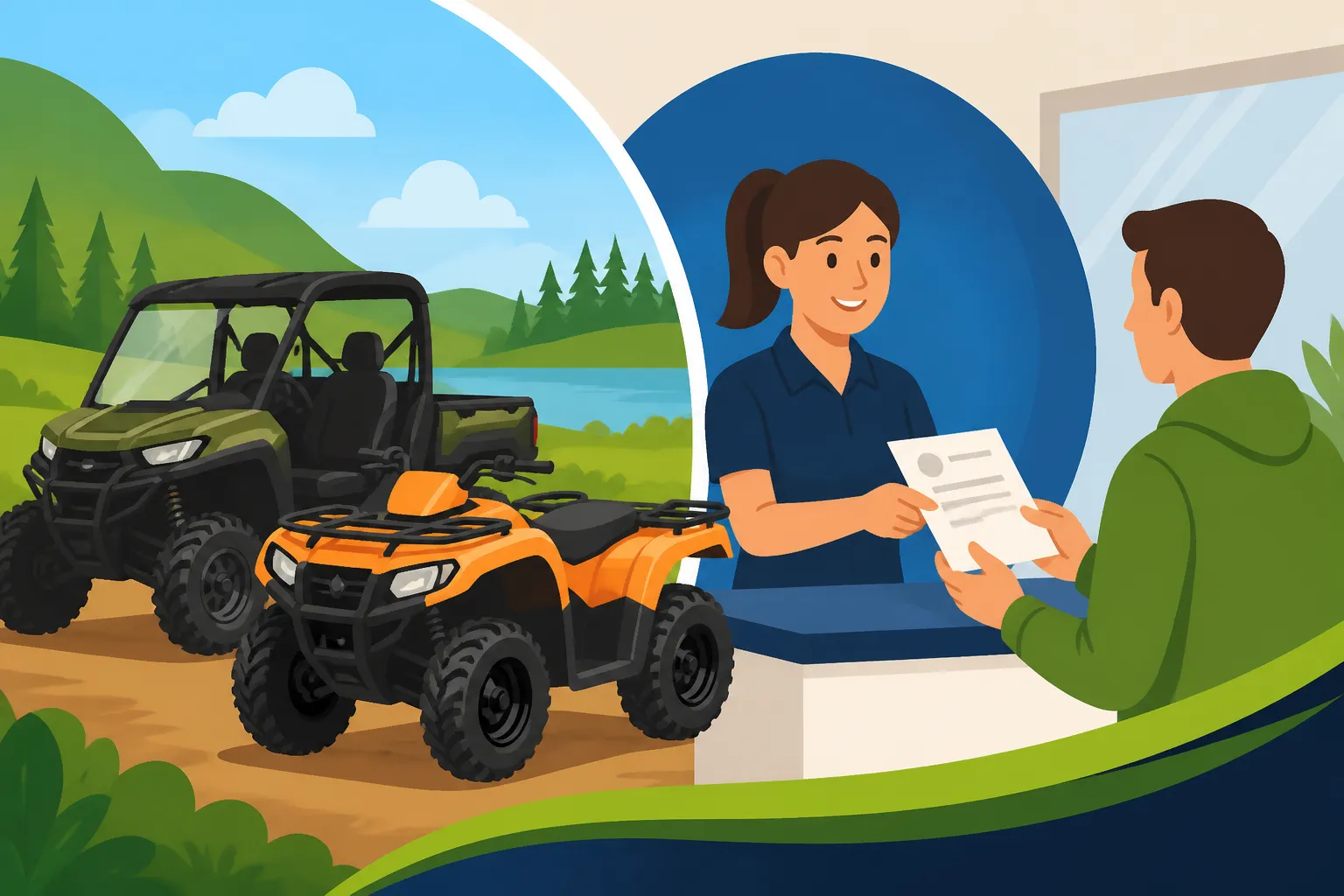
So, you've finally found the perfect ATV or UTV, whether it's a shiny new model fresh off the lot or a trusty pre-owned machine that's ready for new adventures. The excitement is real! But before you can hit those gorgeous Manitoba trails, there's one crucial step: getting it properly registered at a service counter. It can feel a bit daunting, navigating the paperwork and knowing exactly what to bring. This guide is here to cut through the confusion and help you prepare for a smooth, efficient visit, turning that bureaucratic hurdle into a quick pit stop on your way to outdoor fun.
Gathering Your Essential Documents Before You Go
Walking into a service counter without the right paperwork can turn a quick errand into a frustrating waste of time. Trust me, I've seen it happen. The key to a hassle-free visit is meticulous preparation. Think of it as packing your gear for a big ride – you wouldn't leave home without your helmet, would you?
Proof of Ownership: The Core of Your Visit
This is perhaps the most critical piece of the puzzle. The service counter agent needs undeniable proof that you are the legal owner of the off-road vehicle you're trying to register. Without it, you're not going anywhere.
If you've purchased a brand-new ATV or UTV from a licensed dealer, you'll typically be provided with a bill of sale and a New Vehicle Information Statement (NVIS). These documents are specifically designed to prove first-time ownership and list all the necessary details about your machine, including the all-important Vehicle Identification Number (VIN). The dealer might even help you start some of the initial registration paperwork, which is a huge convenience. Always double-check that the VIN on your documents perfectly matches the VIN on your machine itself; any discrepancy can cause delays.
For those buying a used machine from a private seller, things can get a little more nuanced. Ideally, the previous owner will have properly filled out the transfer section on their existing registration certificate. This section, often hidden on the back or bottom of the certificate, requires their signature, your signature, the date of sale, and sometimes the sale price or odometer reading. If that transfer section is correctly completed, it acts as your primary proof of ownership. However, sometimes the previous owner's registration certificate is lost, or the transfer section isn't fully completed. In such cases, a detailed bill of sale becomes your lifeline. This document should clearly identify both the buyer and seller, the specific ATV or UTV (including its VIN, make, model, and year), the sale price, and the date of the transaction. Both parties should sign and date it. A reliable bill of sale form can be found on platforms like LawDepot, which offers templates designed to cover all the legal essentials for private sales, ensuring you have clear documentation for the service counter. Having a robust bill of sale from a reputable source can prevent a lot of headaches later on. Remember, the service counter needs a clear chain of ownership, so don't be afraid to ask for comprehensive documentation when buying privately. This is also where understanding [Manitoba Transfer of Ownership Steps] can be incredibly helpful.
What if you've bought your machine at an auction? Your auction receipt will serve as proof of purchase. Similarly, if you've imported a machine from outside of Canada, you'll need all the relevant customs forms to demonstrate legal entry and ownership. For more unusual situations, like dealing with a machine that has a missing VIN or one you've inherited, there are specific procedures, but generally, robust proof of ownership remains paramount. It’s always best to have too much documentation rather than too little.
Personal Identification and Age Verification
Beyond the machine's paperwork, you need to prove who you are. A valid government-issued photo ID is non-negotiable. This could be your Manitoba driver's license, a provincial identification card, or a passport. The agent needs to verify your identity and ensure the registration is being issued to the correct person.
If you're a younger rider looking to register your first ATV, especially if you're between 16 and 18 years old, be prepared for additional requirements. Manitoba rules state that owners in this age bracket need [Manitoba Parental Consent From 16 to 18] to register a machine. This typically means a parent or legal guardian must accompany you to the service counter and provide their consent. You might also need to bring proof of your own age, such as a birth certificate, in addition to your photo ID. Don't let this catch you off guard; it's a simple step to ensure young riders are properly supported. New residents to Manitoba should also be prepared to provide proof of their Manitoba address, such as a utility bill or rental agreement, in addition to their photo ID when registering a vehicle for the first time. This confirms your residency for provincial services.
Payment Methods and Understanding the Costs
Let's talk money, because registering an ORV in Manitoba isn't just a matter of paperwork; there are fees involved. Most service counters accept a variety of payment methods, including debit cards, major credit cards, and often cash. It's always a good idea to confirm their accepted payment types beforehand, or simply bring a couple of options to be safe.
The total cost will typically include three main components:
- The Registration Fee: This is the basic fee for getting your ORV registered.
- Provincial Sales Tax (RST): Manitoba applies a [Manitoba's 7 Percent RST on a Machine] to the purchase price of your off-road vehicle. This tax is collected by the service counter when you register, unless it was already collected by a licensed Manitoba dealer. For private sales, the tax is generally based on the fair market value of the machine, or the declared sale price if it's higher.
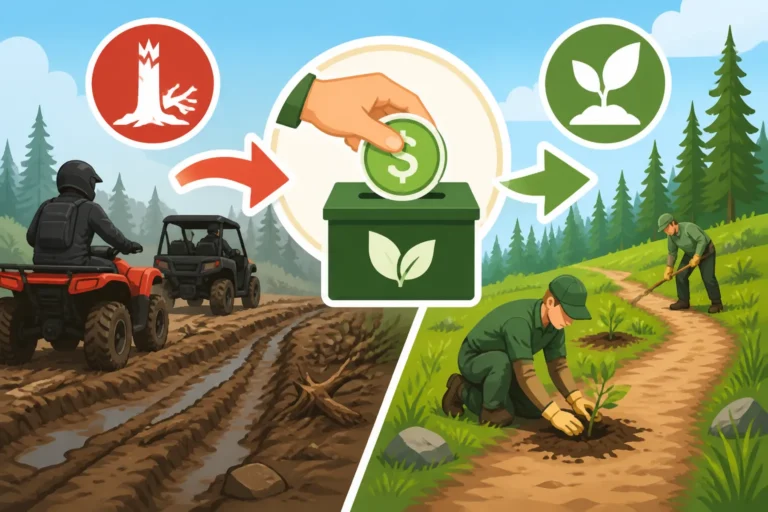
- Off-Road Trails Fee: Since April 2024, every ORV registration in Manitoba includes a mandatory [Manitoba's Off-Road Trails Fee Explained]. This fee contributes directly to the development and maintenance of recreational trails across the province, so it's a vital part of supporting the riding community.
While LawDepot focuses on legal documents, understanding these financial obligations is key. Having clear records of your purchase, like a detailed bill of sale, can help verify the tax calculations and ensure everything is accurate. If you financed your machine, be prepared with any financing documents. While the service counter won't handle the loan itself, they might need to record lien information on the registration certificate. This is part of [Manitoba Registration and Financing Documents], ensuring all financial interests are properly documented.
Navigating the Registration Process: What Happens at the Counter
Once you’ve assembled all your documents and you’re standing at the counter, what exactly will the agent do? It’s more than just handing over papers; they’ll process your request, verify details, and set you up for legal riding.
New Registrations vs. Transfers vs. Renewals
Understanding the type of transaction you need will streamline your visit. Each has a slightly different flow.
-
New Machine Registration: If you’ve just purchased a brand-new quad or side-by-side, the process is usually quite straightforward. You'll present your dealer's bill of sale and the NVIS document. The agent will enter all the machine’s details, confirm the VIN, calculate the applicable taxes and fees, and then issue your registration certificate and plate. Sometimes, if purchased from a Manitoba dealer, some of this initial information might already be in the system, making the process even quicker.
-
Transfer of Ownership: This is a common scenario when you buy a used machine. You’ll hand over the previous owner’s signed registration certificate (with the transfer section completed) or a valid bill of sale. The agent will verify the seller’s signature, check the VIN against the provincial database, and ensure all previous liens are clear (if any). They’ll then transfer the ownership into your name, calculate any applicable sales tax, and issue a new registration certificate. It’s important to note that when you purchase a used machine, you have a limited time – typically seven days – to complete the transfer and get the plate moved to your name. Failing to do so can lead to complications, so don't procrastinate! This also applies to [Selling a Registered Machine in Manitoba], where the seller needs to ensure the transfer is properly documented.
-
Renewals: Thankfully, renewing your ORV registration is usually the simplest transaction. In Manitoba, ORV registration typically renews with your existing Autopac policy. You might simply confirm your details and pay the renewal fee, which will include the trails fee. If you don't have an existing Autopac policy, you'll renew it as a standalone transaction. Many renewals can even be done online or over the phone, though some prefer the peace of mind of an in-person visit. More details can be found under [Manitoba ATV Registration Renewal].
Understanding Basic Insurance and Plate Issuance
One of the big benefits of registering your ORV in Manitoba is that basic third-party liability insurance is included. This covers you for property damage or injury that you might accidentally cause to another person or their property while operating your ORV. It’s good to know you have this baseline coverage, but it’s crucial to understand its limitations. The basic coverage is often minimal and doesn’t cover damage to your own machine, theft, or medical expenses for yourself or your passengers in many accident scenarios. Many riders opt for additional, enhanced coverage through their Autopac agent to ensure they're fully protected. You can learn more about what's covered in [Manitoba Insurance Included With Registration].
When your registration is processed, you will be issued one physical license plate for your ORV. Manitoba issues [Manitoba Issues One Plate, Not Two]. The placement of this plate depends on your machine type. For ATVs and side-by-sides (UTVs), the plate generally goes on the rear of the machine, where it’s clearly visible. For dirt bikes or snowmobiles, the rules are slightly different, often requiring placement on the front or side. The agent can clarify the specific mounting requirements for your machine type, or you can check out [Manitoba Plate Mounting by Machine Type]. Along with the plate, you'll receive your registration certificate. This document is your official proof of registration and insurance. It’s absolutely vital that you carry this certificate with you whenever you’re operating your ORV. Law enforcement officers can ask to see it at any time, and not having it can lead to fines. Make sure it's protected from the elements; a waterproof pouch is a smart investment, as detailed in [Manitoba Registration Cards Carried at All Times].
Addressing Special Circumstances and Exemptions
Sometimes, your situation might not fit neatly into the standard categories. Service counter agents are equipped to handle a variety of unique circumstances.
For example, if you've acquired a very old machine where the VIN is no longer legible or even completely missing, the agent will guide you on the steps needed to establish its identity. This might involve an inspection or a specific declaration process. Similarly, if you've inherited an ORV after the owner's passing, you'll need additional documentation, such as a death certificate and proof of your legal right to the estate, to transfer ownership. [Manitoba Registration After the Owner Dies] covers this in more detail. Even if you're registering a machine for a business, like a rental fleet or a machine used for commercial purposes, there are specific codes and classifications to ensure it's registered correctly as a [Manitoba Registration for a Business Machine]. For complex ownership situations, especially inherited machines or those without clear documentation, legal advice or using a service like LawDepot for statutory declarations might be necessary to formally establish proof of ownership before your visit. This legal groundwork helps the service counter process your request without a hitch.
There are also specific exemptions from registration requirements for certain types of ORV use or operators. For instance, machines used exclusively on private property in Manitoba generally don't need to be registered, provided they never leave that property. There are also exemptions for residents of remote communities, commercial fishers, and licensed trappers when operating within specific areas and for specific purposes. It's crucial to understand these exemptions fully, as they come with strict conditions. The agent can provide details on whether your specific situation qualifies for one of these, or you can refer to [Manitoba Registration Exemptions Explained] for a comprehensive breakdown. Don't assume you're exempt; always confirm.
Making Your Visit Efficient and Stress-Free
A trip to the service counter doesn't have to be a dreaded chore. With a little strategic planning, you can make it as quick and painless as possible.
Timing Your Visit: Avoiding the Rush
Just like trying to hit the trails when everyone else is, timing your visit to a service counter can significantly impact your experience. Nobody enjoys long queues and rushed service.
Generally, the sweet spot for a visit is mid-morning (after the initial opening rush, but before lunch) or mid-afternoon, during the middle of the week. Tuesdays, Wednesdays, and Thursdays are often less busy than Mondays (when everyone tries to catch up on weekend tasks) or Fridays (when people are rushing to get things done before the weekend). Avoid lunch hours, as staff numbers are typically reduced, and customer traffic often spikes. Also, try to steer clear of the very end of the month or days immediately preceding a long weekend, as these are peak times for various vehicle registration and renewal transactions. A little foresight here can save you a good chunk of waiting time. If you can, check if your local service counter offers online appointment booking; this is increasingly common and a fantastic way to bypass the queue entirely.
| Document Category | Required Documents (Examples) | Notes |
|---|---|---|
| Proof of Ownership | Bill of Sale (new/used) | Must include VIN, buyer/seller info, price. Consider LawDepot for templates. |
| NVIS (New Vehicle Information Statement) | For brand-new machines from a dealer. | |
| Previous Owner's Registration Certificate | With transfer section properly completed and signed. | |
| Auction Receipt, Customs Forms, Estate Documents | For specific purchase scenarios. | |
| Personal ID & Proof | Government-Issued Photo ID | Driver's License, Manitoba ID Card, Passport. |
| Proof of Age (if 16-18) | Birth Certificate. Parent/Guardian must accompany for consent. | |
| Proof of Manitoba Address (new residents) | Utility bill, rental agreement. | |
| Financial | Payment Method | Debit, Credit Card, Cash. Be prepared for PST & Trails Fee. |
| Financing Documents (if applicable) | For recording liens. | |
| Machine Information | VIN (Vehicle Identification Number) | Ensure it matches all documents and the machine itself. |
| Year, Make, Model of ORV | Have this information readily available. |
Preparing for Questions and Potential Hurdles
Even with all your documents in order, the agent might have some questions. They're not trying to give you a hard time; they're just ensuring everything is correct and compliant with provincial regulations. Be prepared to answer questions about:
- The machine's primary use: Is it for recreational riding, farming, trapping, or commercial purposes? This can sometimes affect registration classifications or exemptions.
- Where the machine will be stored: This is usually a simple verification of your address.
- Any modifications: Major modifications to the machine might occasionally raise questions, especially if they impact its classification or safety.
It's also wise to anticipate potential hurdles. What if there's a typo on your bill of sale, or a signature is missing from the transfer section? The agent will likely explain what's needed to correct the issue and might advise you to return once you have the complete, accurate documentation. They cannot process incomplete or incorrect paperwork. If you're dealing with a private sale, a well-drafted bill of sale from LawDepot can preempt many common questions about sale terms, price, and condition, making the counter visit smoother by having all details explicitly stated. Don't be shy about having a copy of your machine's VIN on hand, perhaps even a photo, as well as its exact year, make, and model. These details are critical for accurate input into the system. Knowing [Manitoba Registration Questions Agents Hear] can help you prepare.
The Role of an Autopac Agent
In Manitoba, your service counter visit for ORV registration will be handled by an Autopac agent. These agents are trained professionals who serve as the primary point of contact for all vehicle registration, licensing, and basic insurance needs in the province. They are incredibly knowledgeable about the specific requirements for ORVs, from documentation to fees and exemptions. Many people appreciate [Letting an Autopac Agent File Your Paperwork] because of their expertise.
Think of them as your guide through the bureaucratic maze. They can explain the different types of insurance coverage, clarify any confusing aspects of the transfer process, and ensure you're aware of your obligations as an ORV owner in Manitoba. Don't hesitate to ask them questions if something isn't clear. Their job is to help you get your machine legally registered so you can enjoy riding it safely and responsibly. They often have answers to common queries, such as [Manitoba Registration Questions Riders Ask] and [Manitoba Registration Questions After a Move].
Getting your ATV or UTV registered in Manitoba is a necessary step to unlock countless hours of outdoor adventure. By understanding what documents to bring, what to expect at the service counter, and how to prepare for a smooth interaction, you can confidently check this item off your list. Now, go enjoy those trails!
Disclaimer
This article is for general informational purposes only and does not constitute professional advice. Laws, prices and regulations vary by location and change over time. Consult a qualified professional for guidance on your specific situation.