Manitoba Registration When the VIN Is Gone
Owning an off-road vehicle in Manitoba brings endless possibilities for adventure, but nothing can throw a wrench into those plans faster than realizing your beloved quad or side-by-side has a missing or unreadable Vehicle Identification Number (VIN). This isn't just a minor inconvenience; it's a significant hurdle for legal registration with Manitoba Public Insurance (MPI). This guide will walk you through why the VIN is so critical, the common reasons it might disappear, and the steps you'll need to take to try and get your machine properly identified and registered, saving you from untold frustration and potential legal woes.
The Critical Role of the VIN in Manitoba ORV Registration
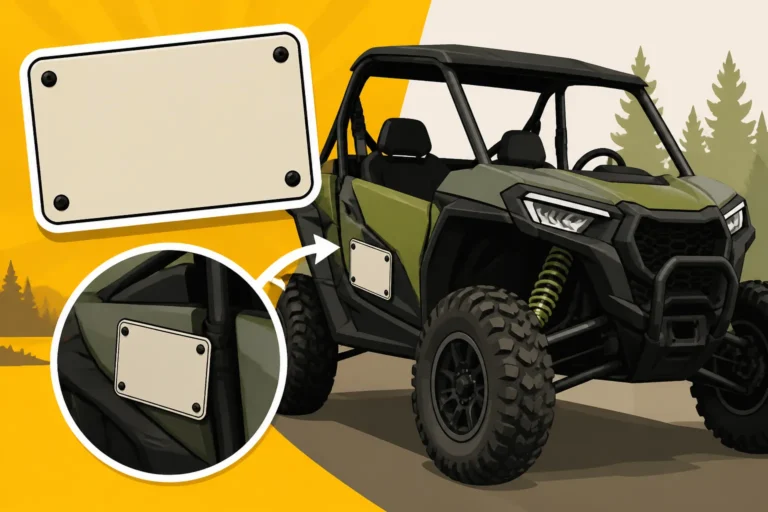
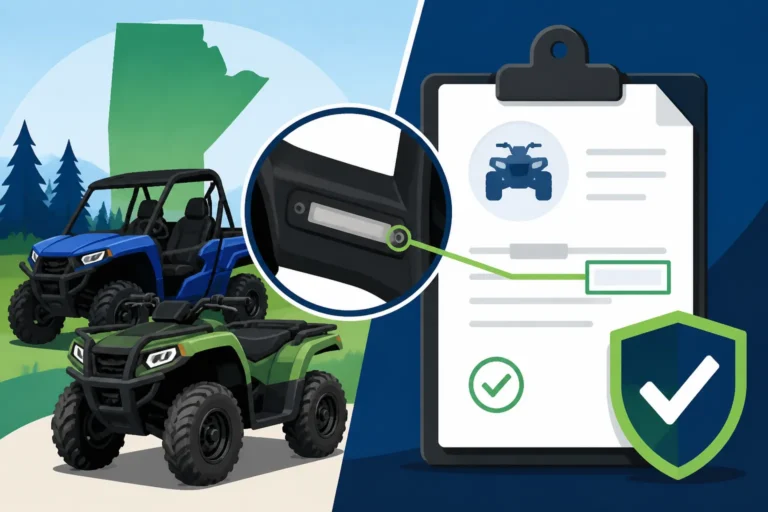
The Vehicle Identification Number (VIN) is more than just a random string of characters; it's the unique DNA of your off-road machine. Every ATV and UTV manufactured since the early 1980s carries a 17-character VIN, strategically stamped onto the frame or a fixed data plate. This number encodes vital information about the vehicle, including its manufacturer, brand, model year, assembly plant, and most importantly, a unique serial number that distinguishes it from every other machine ever made.
More Than Just a Number: What the VIN Tells MPI
For Manitoba Public Insurance (MPI), the VIN is absolutely paramount for registration. When you attempt to register your ATV or UTV, MPI uses this number to confirm the machine's identity, verify its legitimacy, and track its ownership history. It's their primary tool for preventing the registration of stolen vehicles, ensuring compliance with safety standards, and assigning the correct vehicle class for insurance and taxation purposes. Without a clear, verifiable VIN, MPI simply cannot confirm that the machine you're trying to register is truly yours and not an undocumented or illicit item. It might feel like an overly bureaucratic hoop to jump through when you just want to ride, but imagine the chaos and risk if anyone could register any machine without proper identification. MPI is really working to protect everyone, including you, from fraud and theft in the ORV world. You can learn more about the general process by looking into [Manitoba ORV Registration Through MPI].
The Immediate Roadblock for a Missing VIN
Let's be blunt: a machine without a legible or verifiable VIN cannot be legally registered in Manitoba. This isn't a minor setback; it's a complete stop sign. Without registration, your off-road vehicle cannot be legally operated on any public land, designated trails, or even cross public roadways. You'll also struggle immensely with obtaining essential liability insurance, which is often tied directly to the registration process. Trying to sell such a machine becomes nearly impossible, as any savvy buyer will immediately recognize the problem and walk away. Imagine finding your dream quad, getting it home, and then being told you can't even get it on the trail because MPI can't confirm what it is. It's a frustrating situation that can leave you with a very expensive, albeit immobile, lawn ornament. This is a common challenge, sometimes even more complex than dealing with [Manitoba Registration Without a Bill of Sale], as a bill of sale without a VIN to back it up is also problematic.
Unpacking Why a VIN Might Be Gone or Unreadable
Understanding why a VIN might be missing or unreadable is the first step toward finding a solution, or at least understanding the magnitude of the problem you're facing. The reasons can range from simple environmental factors to far more sinister circumstances.
Wear, Tear, and Time: The Erosion of Identification
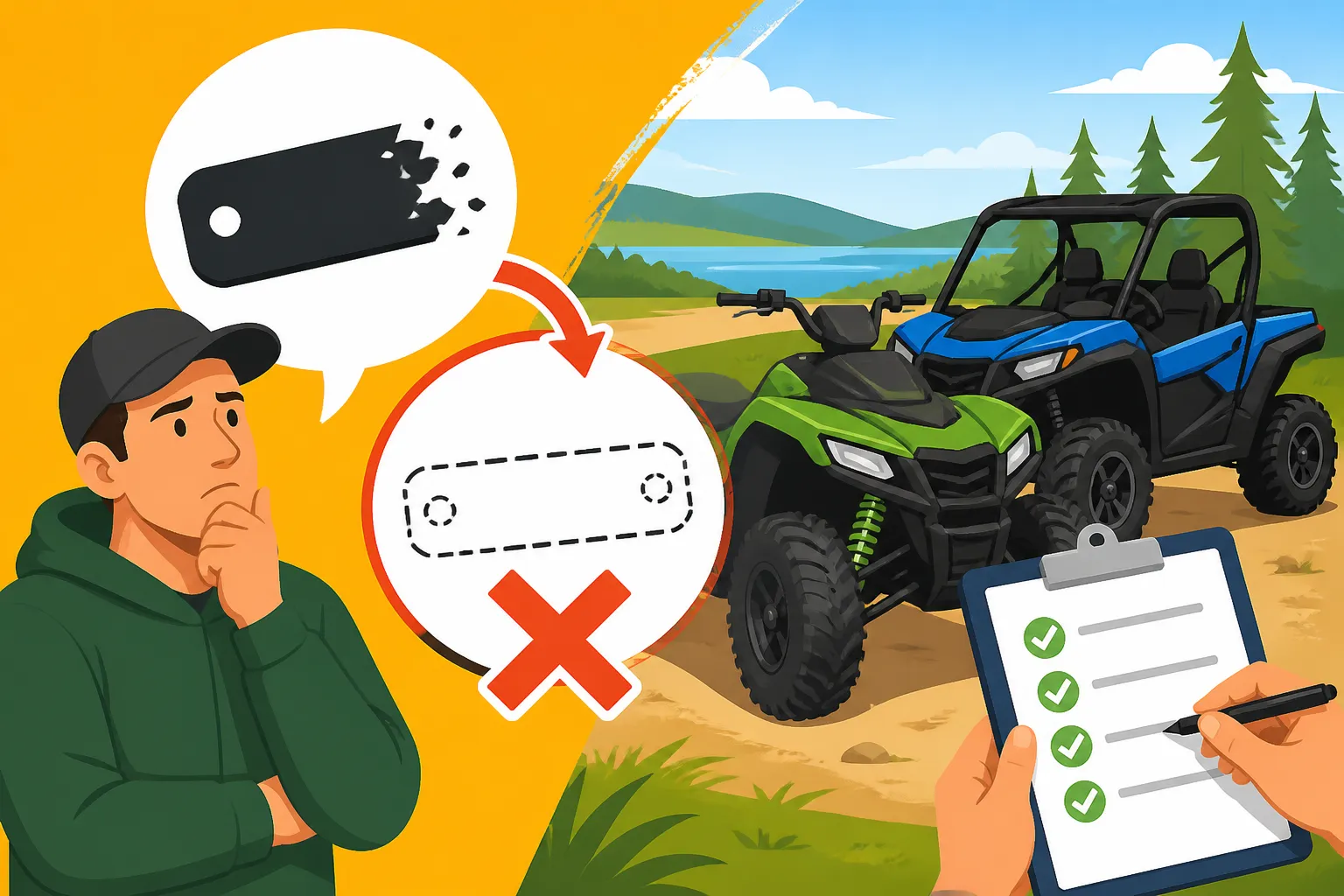
One of the most common reasons for an unreadable VIN, especially on older machines, is simply the passage of time and the harsh life of an off-road vehicle. These machines are exposed to mud, water, salt, rocks, and extreme temperatures. Over years of use, the stamped or riveted VIN plate can suffer from:
- Rust and Corrosion: Particularly if the machine isn't regularly cleaned or is stored in damp conditions, rust can obscure the numbers.
- Abrasion: Repeated contact with boots, riding gear, or even pressure washing can slowly wear away the stamped characters.
- Accidental Damage: A minor fender bender, a rollover, or even just hitting a stump can bend or obscure the part of the frame where the VIN is located. Fire damage, unfortunately, can also obliterate this crucial identifier.
You might have bought this old gem from a friendly farmer out near Dauphin, got it running like a top, but in the excitement, nobody thought to check if the VIN was still perfectly visible on the frame near the front wheel well, or tucked away on the engine block. Now, when you try to register it, you're faced with numbers that are just faint smudges or entirely gone. It's a truly disheartening situation, especially when you know the machine is legitimate.
Intentional Removal: When the Past Is Shady
This is the uncomfortable truth that every ORV owner needs to be aware of: a missing or altered VIN can also be a significant red flag pointing to theft or illicit activity. When a machine is stolen, one of the first things a thief will try to do is remove or tamper with the VIN to obscure its origins and make it harder for law enforcement to track.
- Theft: This is the most common and concerning reason for intentional VIN removal. Buying a machine with an obviously ground-off or re-stamped VIN could inadvertently link you to stolen property, even if you had no knowledge of its history.
- Reconstruction or Custom Builds: In some rare cases, extensive custom work or frame repair might accidentally (or deliberately, but illegally) remove or alter the VIN area. This still creates the same legal problem, regardless of intent.
It's a harsh reality, but sometimes a missing VIN means someone didn't want the machine's true history found. Law enforcement and MPI are acutely aware of this, which is why they treat such cases with extreme caution. Getting caught with a machine that has an intentionally altered VIN can lead to serious legal consequences, including fines, impoundment, and even criminal charges. Always be diligent and perform a [A Stolen Machine Check in Manitoba] before finalizing any private sale, even if the VIN is perfectly clear.
Navigating the MPI Process for a VIN-less Machine
So, you've found yourself with a machine whose VIN is unreadable or missing. What now? The process isn't simple, and it requires patience and cooperation with official channels. Don't expect to walk into an Autopac agent and have it sorted in ten minutes; this is a specialized and thorough undertaking.
Step One: Contacting MPI and the RCMP
Your crucial first step is to not try to hide the issue or fudge any details. Be completely upfront with MPI and, likely, the RCMP. MPI will almost certainly direct you to contact your local law enforcement for a VIN verification or inspection. This isn't just a suggestion; it's a mandatory detour before MPI will even consider your case.
Here's what that typically involves:
- Police Inspection: An RCMP officer or local police service member will physically inspect your machine. Their primary goals are to determine if it has been stolen, to search for any secondary or hidden VINs that might still be intact, and to officially document the condition of the VIN area. They're trained to spot signs of tampering that might not be obvious to the untrained eye.
- Official Report: If the VIN is truly unreadable and no other identifiers can be found, the police will issue an official report or letter confirming their findings. This document is absolutely vital. It states that the VIN is missing or illegible and, critically, confirms that the machine has not been identified as stolen in their databases. This official confirmation is the key piece of evidence MPI will need to move forward.
This process can feel intimidating, but remember, you're trying to prove legitimacy. Cooperate fully, answer all questions honestly, and have any existing documentation (even a rough bill of sale or previous owner's contact info) ready.
The Application for a New VIN or Assigned Number
Once you have that official police report in hand, you can return to MPI. If the police confirm the VIN is gone and the machine isn't stolen, MPI might have a process for assigning a new identifier. This is not a guaranteed outcome, and it involves a significant amount of scrutiny, as they are essentially creating a new legal identity for your machine.
MPI will likely require extensive documentation and information from you. They need to be absolutely sure of the machine's provenance. This could include:
- Chain of Ownership: Provide every scrap of paper you have showing how the machine came into your possession. Even if it's a hand-written bill of sale from a decade ago, it's better than nothing. If you have a chain of previous owners, try to get their contact information or copies of their bills of sale too.
- Sworn Affidavits: MPI might ask you or previous owners to sign sworn affidavits detailing the history of the machine, how the VIN became unreadable, and confirming that it was legitimately acquired. This is where tools from companies like LawDepot can be incredibly useful. You can use their templates to create legally sound declarations or affidavits, ensuring all necessary details are included and properly notarized if required. This adds a layer of official credibility to your story.
- Photographs: Document the machine extensively with photographs, especially the areas where the VIN should be.
- Appraisal: For valuation purposes, they might require a professional appraisal of the machine to determine its fair market value, especially for an older machine not easily found in common valuation guides.
They're essentially starting fresh with your machine's identity, so they need to be absolutely sure it's legitimate. This process will undoubtedly take time and require a good deal of patience on your part. It's not uncommon for these cases to take weeks or even months to resolve, so factor that into your expectations. For context on typical timelines, you might find information in [Manitoba Registration Processing Time].
Here's a quick overview of what's often required:
| Document/Action Required | Purpose | Where to Get It | Importance |
|---|---|---|---|
| Police Report (VIN Verification) | Confirms VIN is unreadable/missing and not stolen | Local RCMP or Police Service | Critical |
| Proof of Ownership (Bill of Sale) | Establishes your claim to the machine | Previous owner / Your records | High |
| Sworn Affidavit | Legal declaration of machine's history and legitimate acquisition | LawDepot template, Notary Public | High |
| Photographs of Machine | Visual evidence of the machine and VIN area | Your own camera | Medium |
| Appraisal (if requested) | Determines fair market value for tax assessment | Certified appraiser | As required |
| MPI Application Forms | Formal request for an assigned VIN | MPI Service Centre | Mandatory |
Valuation and Fees in a Complex Situation
Even if MPI agrees to assign a new VIN or identifier to your machine, you're not entirely out of the woods regarding costs. The machine will still need to be valued for the purpose of collecting Provincial Sales Tax (RST).
- Valuation Methods: When a machine lacks clear documentation or a readily identifiable VIN, MPI has methods for determining its value. This might involve referring to internal valuation guides for similar machines, requesting an independent appraisal, or accepting a sworn statement of value from you (though this is often scrutinized heavily). They need a solid figure to apply the tax rate.
- RST Collection: Once a value is assigned, MPI will collect the Provincial Sales Tax (RST) on that assessed value. Even if you believe the machine is worth very little, MPI will apply their own valuation. This is part of [Manitoba RST Collected at Registration].
- Additional Fees: Beyond the RST, there may be administrative fees associated with the special processing required for assigning a new VIN. An appraisal, if needed, will also be an additional cost that you would typically bear.
Don't expect it to be a quick, cheap fix. This is a specialized process that comes with its own set of administrative hurdles and potential costs. Be prepared for a potentially higher tax assessment than you might have anticipated, especially if you bought the machine for a very low price due to its condition.
Preventing the VIN Headache: Best Practices for ORV Owners
Dealing with a missing or unreadable VIN is a significant headache, one that every ORV owner would rather avoid. Thankfully, there are proactive steps you can take to prevent finding yourself in this predicament.
Inspecting Before You Buy: Due Diligence is Key
The absolute best way to avoid a VIN-related registration nightmare is to be incredibly diligent before you ever hand over any money. This is especially true when buying from private sellers, where consumer protections are far fewer than at a dealership.
- Verify the VIN: Always, always, always physically locate the VIN on the machine before purchase. Compare it character for character with the VIN listed on any bill of sale, previous registration, or ownership documents. If they don't match, or if the VIN on the machine is obscured, walk away.
- Check for Tampering: Look closely at the VIN area. Are there grinding marks? Are the numbers crooked or inconsistent? Are there signs of welding or re-stamping? These are all red flags.
- Run a Check: If the VIN is clear, run a [A Stolen Machine Check in Manitoba] through the RCMP or other official channels. Many jurisdictions offer this service to potential buyers.
- Clear Paperwork: Ensure the seller has a clear bill of sale that includes the full VIN, seller's and buyer's information, and the sale price. A generic template, like those available from LawDepot, can help ensure all necessary information is recorded clearly and professionally. This detail protects both you and the seller.
A few minutes of careful inspection can save you months of headaches and potentially thousands of dollars down the road. It's far easier to prevent the problem than to fix it. If something feels off, trust your gut and move on. Learning about [Buying From a Private Seller in Manitoba] or dealing with [Manitoba Machines With No Paperwork] will always emphasize the VIN's importance.
Protecting Your VIN: Maintenance and Documentation
Once you own a machine with a perfectly clear VIN, your job isn't over. Protecting that vital identifier is a simple maintenance task that can prevent future issues.
- Regular Cleaning: After every muddy or wet ride, make an effort to gently clean the area where the VIN is located. Mud, grit, and moisture can accelerate corrosion and wear.
- Physical Protection: If your VIN is in a particularly exposed area, consider a clear protective coating or even a small, transparent guard that doesn't obscure the numbers but shields them from direct impacts or abrasion.
- Photographic Evidence: The moment you acquire your machine, take clear, high-resolution photographs of the VIN from multiple angles. Save these photos in a secure digital location and perhaps print a copy to keep with your physical ownership documents. This is a smart move, similar to the advice for [Photographing a VIN Before a Manitoba Sale].
- Secure Document Storage: Keep all original purchase documents, including the bill of sale, previous registration certificates, and any other ownership papers, in a safe, dry place away from the machine itself. While you'll carry your [Manitoba Registration Cards Carried at All Times] with you, the originals should be kept at home.
Think of your VIN like your machine's fingerprint or DNA. Protecting it and documenting it diligently will save you a tremendous amount of grief and ensure that your adventures on Manitoba's trails remain hassle-free for years to come.
Disclaimer
This article is for general informational purposes only and does not constitute professional advice. Laws, prices and regulations vary by location and change over time. Consult a qualified professional for guidance on your specific situation.