Manitoba Local Government Districts and By-Laws
Navigating the rules for riding your ATV or UTV in Manitoba can feel like trying to solve a puzzle with pieces that keep changing shape, especially when you factor in all the different local jurisdictions. It's frustrating when you think you understand the provincial Off-Road Vehicles Act, only to find out that a local government district has its own set of rules that could land you in hot water. This guide is here to untangle that complexity, helping you understand how local by-laws fit into the bigger picture and what you need to do to ride responsibly and legally across Manitoba's diverse landscapes.
The Complex Web of ORV Rules: Provincial vs. Local Authority
When you think about riding your quad or side-by-side in Manitoba, the first thing that usually comes to mind is the provincial Off-Road Vehicles Act. This Act is the foundation for all ORV operation in the province, laying down the core requirements for registration, insurance, safety gear, and general operating rules. It’s what everyone refers to when they talk about the basics of responsible riding.
However, where many riders get tripped up – and frankly, it's easy to see why – is when local rules come into play. The provincial Act sets a baseline, but it also gives a lot of power to local authorities, including cities, towns, rural municipalities, and importantly for this discussion, Local Government Districts, to create their own specific by-laws. This means what's perfectly legal in one area might be explicitly forbidden just a few kilometers down the road, creating a patchwork of regulations that can feel overwhelming to keep track of. It's this interplay between the broad provincial stroke and the fine local detail that often causes confusion.
Provincial Law: The Baseline for Off-Road Vehicles
At its heart, the Manitoba Off-Road Vehicles Act is designed to ensure safety and responsible operation. It mandates that almost all ORVs used off private property must be registered with MPI, carry at least basic third-party liability insurance, and often require operators to wear an approved helmet. It also sets out general rules regarding age limits, passenger restrictions, and basic equipment like lights and spark arresters. These are the non-negotiable foundations of ORV use across the province.
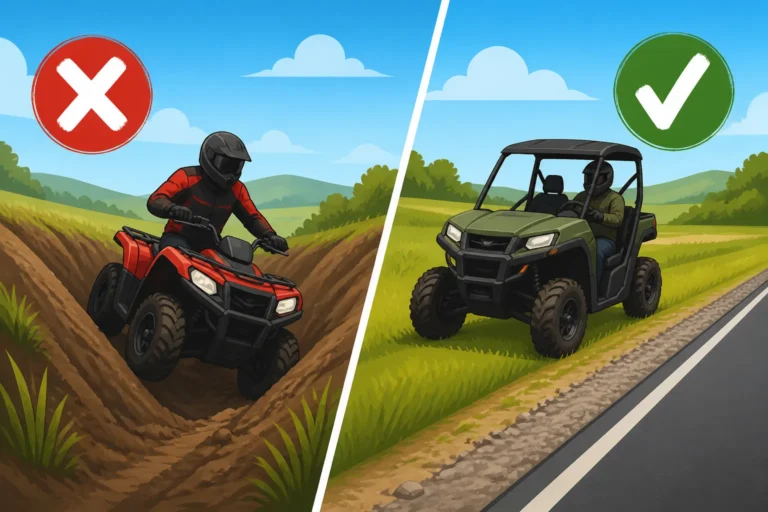
For instance, the provincial Act generally states that ORVs are not permitted on public roadways, [Manitoba Bans Riding on Roadways], with very specific exceptions for things like crossing a highway or riding in a ditch under strict conditions. It also defines helmet requirements, though with some specific exemptions, such as for agricultural work or if a machine has a certified roll-over protection structure and seat belts. These are universal rules that apply regardless of where you are in Manitoba.
The Act tries to provide a consistent framework, but it also understands that Manitoba is a vast and varied province, with different communities having different needs and concerns. What works for a remote northern community might not be suitable for a bustling rural municipality with high traffic volumes. This is where the flexibility for local by-laws becomes both a necessity and a source of potential headache for riders.
How Local Government Districts Gain Authority
The provincial ORV Act explicitly grants power to local governments – including Local Government Districts (LGDs) – to enact by-laws that either further restrict or, in some cases, permit ORV operation in ways the provincial Act might otherwise prohibit. This is a critical point that many riders miss. While the province says "no riding on roads generally," a local by-law can carve out exceptions for specific streets, ditches, or times. This is outlined in sections of the Act related to [Manitoba Municipal By-Law Powers].
Local Government Districts are unique administrative areas in Manitoba, often covering large, sparsely populated regions, sometimes including unorganized territory and smaller communities. They are distinct from incorporated towns or rural municipalities but still have the authority to govern local matters, including ORV use. Their power to create by-laws stems from the recognition that local communities are best equipped to understand and address the specific impacts of ORV use within their boundaries.
For example, an LGD might pass a by-law allowing ORVs on certain gravel roads during specific seasons to access hunting grounds or traplines, which would otherwise be prohibited by provincial rules. Conversely, an LGD might prohibit ORVs on all municipal roads or ditches within a residential zone to mitigate noise complaints or safety concerns. This local control means that as a rider, you can't just assume provincial rules are the only rules you need to follow; you absolutely must check local regulations for your intended riding area.
Navigating Specific By-Laws in Manitoba's LGDs
So, you're planning a trip to a new area in Manitoba, maybe an LGD you've never ridden in before. The biggest challenge here isn't just knowing that local by-laws exist, but figuring out what those by-laws actually say and how they apply to your machine and your riding style. This can be tricky because there isn't one central database for all LGD by-laws, and their accessibility can vary greatly.
The key to responsible riding in these areas is proactive research. Assuming that "no one will care" or "it's just like my home area" is a surefire way to encounter issues, from warnings to costly fines. Understanding the local nuances can be the difference between a great day on the trails and a frustrating encounter with local enforcement.
Locating and Understanding LGD By-Laws
Finding the specific ORV by-laws for a Local Government District isn't always as straightforward as searching on a provincial government website. Most LGDs will have their own websites where they publish by-laws, but the level of detail and organization can vary. Some might have a dedicated section for "Off-Road Vehicles" or "Traffic By-Laws," while others might embed ORV regulations within broader public safety or municipal services documents.
Your best bet is to visit the LGD's official website and look for sections related to by-laws, public works, or recreation. If you can't find clear information online, don't hesitate to contact the LGD office directly. A quick phone call or email to their administration office, or even a local peace officer if you know one, can save you a lot of grief. Explain exactly where you plan to ride – on which roads, ditches, or trails – and ask about any specific ORV restrictions or allowances. Be polite and clear, and they'll usually be happy to help you understand the local rules. It's much better to ask first than to apologize later.
Common Restrictions and Allowances You Might Encounter
LGD by-laws concerning ORVs generally fall into categories that either restrict or permit activities beyond the provincial baseline. Here's a look at some common areas where local rules often come into play:
- Road and Ditch Access: While the province restricts ORVs on roadways, LGD by-laws might designate specific streets or ditch lines where ORVs are permitted, often for connecting to trails or accessing property. These permissions usually come with strict conditions like speed limits, specific hours of operation, or requirements for things like turn signals or mirrors. Riders should always be aware of the [Manitoba Ditch Riding Rules] as they apply provincially, and then check how the LGD by-law might modify them.
- Time and Noise Restrictions: Many LGDs, especially those with residential areas or near campgrounds, will have by-laws limiting ORV operation during certain hours (e.g., no riding between 11 PM and 7 AM) or imposing strict noise limits. This is a common area for [Manitoba Noise Complaints About Quads]. If you've modified your machine with a louder exhaust from a company like SuperATV, it's crucial to be extra mindful of these local noise by-laws to avoid disturbing residents.
- Age and Supervision: While provincial law sets age requirements for ORV operation, some LGDs might have additional stipulations, particularly for younger riders or those operating within community limits. For example, they might require closer adult supervision or restrict certain age groups from specific areas, even if they meet the provincial [Manitoba Rules for a 16-Year-Old Rider] criteria.
- Equipment Requirements: Although provincial law covers basic equipment, an LGD might require additional items if they permit ORVs on roads or in areas with mixed traffic. This could include requirements for horns, specific lighting (beyond standard headlights/taillights), or even the display of a slow-moving vehicle sign. Aftermarket accessories from providers like SuperATV, such as LED light bars or durable mirrors, can be fantastic additions for safety and visibility, and might even help you comply with these specific local requirements if you're riding in areas where conditional road use is allowed. However, always verify that your modifications meet any local compliance standards.
- Crossing Rules: While provincial law dictates how you cross a highway, LGDs might have specific rules for crossing local roads or intersections within their boundaries, perhaps requiring specific yields or designating certain crossing points. Be familiar with provincial [Manitoba Crossing Rules at 5 Metres and 3 Kilometres] and then check for local variations.
| By-Law Aspect | Example: LGD in Agricultural Area | Example: LGD Near Recreational Zone | Example: Remote Northern LGD |
|---|---|---|---|
| Ditch Riding | Permitted on most roads for farm access, often with speed limits for efficiency. | Restricted to specific connector paths, limited hours near homes or parks. | Generally permitted as essential transport, few restrictions, often connecting properties. |
| Road Crossings | Standard provincial rules, clear visibility at designated points. | May have designated crossing points near trails, higher scrutiny in busy areas. | More flexibility due to sparse traffic, but safety protocols always apply. |
| Street Access | Allowed on certain streets for short distances (e.g., to access farm fields or gas). | Strictly prohibited except for events or very specific, signed access routes. | Common on local roads where no alternatives exist, with local signage indicating shared use. |
| Noise Restrictions | Generally lenient, focus on residential hours to minimize disruption. | Strict enforcement, especially near residential areas, cottages, or campgrounds. | Less of a concern outside of core community areas, but common courtesy still applies. |
| Speed Limits | Often aligns with road speed limits when allowed on shoulders or ditches, with specific lower limits near dwellings. | Very strict speed limits on any permitted roads or within community areas for safety. | Speed often dictated by conditions, but careful operation is always expected, especially near others. |
Practical Steps for Responsible Riding in Local Jurisdictions
Given the potential for varied rules, being a responsible ORV rider in Manitoba means doing your homework before you even load your machine onto the trailer. It’s about minimizing your impact on local communities and ensuring your own safety, as well as staying on the right side of the law. Nobody wants their adventure cut short by a ticket or, worse, an accident.
It's tempting to think that "no one will notice" or "it's just a quick run," but local enforcement officers are typically very familiar with their by-laws and the specific issues in their areas. A small oversight can lead to significant consequences, not just for you, but for the perception of all ORV riders in that community.
Essential Checks Before You Ride in an LGD
Before you head out, whether it's for a day trip or a longer expedition, take these proactive steps to ensure you're riding legally and respectfully within any Local Government District:
- Identify Your Location: Pinpoint the exact LGD you'll be riding in. Manitoba's municipal boundaries can sometimes be confusing, so use a map to confirm.
- Research the LGD's Website: Look for their official website. Search for "by-laws," "ORV," "off-road vehicles," or "traffic." Many LGDs will have their by-laws publicly accessible.
- Contact the LGD Office: If online information is scarce or unclear, call the LGD's administration office. Ask specific questions about where ORVs are permitted or prohibited, what hours apply, and if any special permits are required for certain activities or areas. Remember, asking a local contact about [Manitoba Registration Questions Agents Hear] is always better than guessing.
- Check for Posted Signage: Even if you've done your research, always pay attention to local signage when you arrive. By-laws can change, and temporary restrictions (like wildfire bans or special event closures) might be in effect that aren't immediately updated online.
- Be Prepared for Variations: Even within an LGD, rules might differ. A by-law might allow ditch riding on certain roads but prohibit it near schools or residential developments. Your machine should also be properly registered and your [Carrying Your Registration Card on Every Ride] is paramount.
Consequences of Overlooking Local Regulations
Ignoring local by-laws isn't just a minor inconvenience; it can lead to serious repercussions. Enforcement of ORV by-laws is typically handled by local peace officers, RCMP, or even conservation officers, all of whom have the authority to issue tickets and take further action.
The penalties for violating a local by-law can include:
- Fines: These can vary widely, but expect them to be substantial enough to be a deterrent. A fine for operating an ORV in a prohibited area, for example, could easily set you back hundreds of dollars.
- Impoundment: In more severe cases, or for repeat offenders, your ORV could be impounded, leading to towing and storage fees on top of the initial fine. This is a major hassle and expense.
- Legal Action: For very serious infractions, such as reckless operation, you could face charges under the provincial Off-Road Vehicles Act, which carries higher penalties, including significant fines and potential license suspensions for [Manitoba Careless Operation Penalties] or even [Manitoba Impaired Riding Penalties].
- Community Relations: Beyond the legal ramifications, continually disregarding local rules can foster resentment from residents and lead to further, stricter restrictions on ORV access in the future. Nobody wants to be "that rider" who ruins it for everyone else. Building positive relationships with local communities is crucial for the future of ORV riding in Manitoba.
In summary, the best approach is always to err on the side of caution. If in doubt, don't ride there until you've confirmed the rules. Your due diligence will protect you, your machine, and the reputation of the entire ORV community.
Disclaimer
This article is for general informational purposes only and does not constitute professional advice. Laws, prices and regulations vary by location and change over time. Consult a qualified professional for guidance on your specific situation.