Manitoba Four-Wheel-Drives Barred From Ditches
There's a common misunderstanding out there that if a vehicle has four wheels and can handle a bit of rough terrain, it automatically falls under the same rules as an ATV or UTV when it comes to ditch riding in Manitoba. This simply isn't the case, and assuming otherwise can lead to hefty fines or worse. This guide will thoroughly explain why traditional four-wheel-drive vehicles, like your pickup truck or SUV, are specifically prohibited from ditch riding, detailing the distinct definitions and rules that govern various machines in our province.
The General Rule: What is a Ditch, Anyway?
Before we dive into what can't ride in a ditch, let's get clear on what Manitoba considers a "ditch" in the first place. For many, a ditch is just that grassy, often sloped area beside the road. But legally, it's a specific part of the highway right-of-way, distinct from the paved or gravel roadway itself. It's meant for drainage, utility lines, and to provide a safe buffer, not as an open playground for every vehicle with off-road capabilities. Understanding this distinction is crucial, because the rules governing ditches are incredibly precise, and they dictate who can use them and how.
Distinguishing a Ditch from a Roadway
In Manitoba, the highway includes more than just the lanes where cars drive. It encompasses the shoulders, the medians, and yes, the ditches. The Off-Road Vehicles Act specifically refers to ditches as a designated part of the highway corridor. It's not just some random piece of unmaintained land; it's a defined space with its own set of regulations. This means that even if a ditch looks like an inviting, open field, it's still very much part of the public infrastructure, and its use is strictly controlled. Riders often get confused because a ditch might look like a natural extension of a trail, especially in rural areas, but the legal reality is quite different.
Imagine you're driving down a rural highway. To your left and right, beyond the paved or gravel surface, there are sloped grassy areas. These are the ditches. They're designed to collect water and channel it away from the road, preventing flooding and erosion. While an ATV or UTV might traverse these areas easily, a regular car or truck is generally expected to stay on the main roadway. The laws governing these spaces are designed to maintain safety for all road users, protect the environment, and ensure proper drainage, which is why the type of vehicle allowed is so carefully legislated. You can learn more about [Manitoba Ditch Riding Rules] in detail.
Why the Ditch Rules Exist
The provincial government establishes these ditch riding rules for several important reasons. Firstly, it's about public safety. Mixing fast-moving highway traffic with slower, less predictable off-road vehicles in the immediate vicinity of the roadway creates serious hazards. Secondly, it's about environmental protection and infrastructure maintenance. Heavy, traditional four-wheel-drive vehicles can cause significant damage to ditches, leading to erosion, compacting soil, and disrupting drainage systems. This kind of damage can be costly to repair and can compromise the integrity of the road itself.
Consider the potential for accidents. If a full-size pickup truck is trying to navigate a ditch, it's not only less agile than a purpose-built ORV but also significantly larger, obstructing views and potentially getting stuck in a way that creates a roadside hazard. The rules aim to prevent these scenarios. By limiting ditch access to specific types of ORVs under strict conditions, Manitoba attempts to manage these risks. It's not about prohibiting fun, but about ensuring that off-road activities don't endanger others or damage public property.
Why Four-Wheel-Drive Vehicles Are Different
This is where the rubber meets the road, so to speak, in understanding why your typical 4×4 truck or SUV is explicitly barred from ditch riding, even if it has impressive off-road capabilities. The critical distinction lies in how the province defines an "off-road vehicle" under the law, and these definitions are not arbitrary. They are designed around the vehicle's primary purpose and design, which in turn informs how and where it can be operated safely and responsibly.
The "Off-Road Vehicle" Definition in Manitoba
Manitoba's Off-Road Vehicles Act has a very specific definition of what constitutes an "off-road vehicle" (ORV). It generally refers to vehicles designed to be operated exclusively or principally off highways. This includes all-terrain vehicles (ATVs), utility terrain vehicles (UTVs, or side-by-sides), dirt bikes, and snowmobiles. What it doesn't include are vehicles that are primarily designed for highway use, even if they possess four-wheel-drive capability and can technically handle some off-road conditions. Your pickup truck, Jeep Wrangler, or SUV, regardless of its ruggedness or aftermarket modifications (like those from SuperATV), is fundamentally classified as a highway vehicle under this legislation.
This distinction is key. An ATV or UTV is built with a specific suspension, tire type, ground clearance, and often, lighter weight distribution that makes it suited for navigating varied, often uneven, terrain found in ditches or on trails. They are not designed to reach highway speeds, nor are they typically equipped with the same safety features for highway collisions. Conversely, a truck or SUV, despite having 4×4, is engineered for roads first. Its weight, width, and center of gravity are optimized for pavement, not for the steep, soft, or narrow confines of a ditch. This fundamental difference in design intent is why the law treats them so differently when it comes to accessing certain parts of the highway right-of-way.
The Intent Behind the Legislation for Different Vehicle Types
The legislative intent behind distinguishing between ORVs and highway vehicles for ditch use boils down to safety, control, and environmental impact. For off-road vehicles like ATVs and UTVs, the legislation allows for limited, controlled ditch access under specific conditions because these machines are, by design, better suited for it. They are smaller, more agile, and less likely to cause significant damage to the ditch infrastructure when operated correctly. For example, a UTV might have specific attachments from a company like SuperATV that allow it to perform light utility work, and the ditch could be part of a necessary route for such tasks, or simply a legal way to connect trails.
However, for larger, heavier highway vehicles like trucks and SUVs, allowing them into ditches presents a much greater risk. Imagine a full-size SUV getting stuck in a muddy ditch, requiring heavy recovery equipment that further damages the area and potentially blocks traffic. The legislation aims to prevent such incidents, protecting both the environment and the public. Furthermore, allowing highway vehicles in ditches could encourage unsafe practices, blurring the lines between what's permissible and what's not, leading to confusion and increased enforcement challenges. The goal is to keep designated highway vehicles on the highway and ORVs on approved trails or within very specific, legal parameters like the right-hand ditch. It's all part of the broader [Manitoba ORV Road Rules Explained].
Who Can Ride the Ditch (and How)
So, if your truck or SUV is out, what kind of machines can legally ride in a Manitoba ditch, and what are the crucial conditions that must be met? The rules are quite specific, aiming to strike a balance between allowing recreational and utility access for appropriate vehicles while maintaining safety and infrastructure integrity. It’s not a free-for-all, even for those machines that are permitted.
Two-Wheeled and Multi-Wheeled ORVs
In Manitoba, the Off-Road Vehicles Act primarily permits ATVs, UTVs (side-by-sides), and dirt bikes to operate in ditches, provided they adhere to all other regulations. These are the "multi-wheeled" and "two-wheeled" ORVs that fit the legal definition of vehicles designed for off-highway use. Snowmobiles also fall under the ORV umbrella, but their ditch rules are seasonally specific, typically aligned with snow-covered conditions and often shared snowmobile trails rather than dry ditches.
For an ATV or UTV, which are robust machines often equipped with aftermarket enhancements like heavy-duty axles or lift kits from companies like SuperATV, the ditch can sometimes serve as a practical thoroughfare between private properties or to access designated trails, especially in rural areas. However, this privilege comes with stringent responsibilities. Operators must understand that while their machine is designed for varied terrain, the ditch is still a highly regulated space, not an unrestricted playground. It’s essential for riders to remember that this permission is not universal across all communities; some [Manitoba Municipal By-Law Powers] may further restrict or open up specific areas.
Specific Conditions for Ditch Riding (Right Side, With Traffic, etc.)
Even for permitted ORVs, ditch riding in Manitoba is heavily regulated. You can't just jump into any ditch, any time, any way you please. Here are some of the critical conditions:
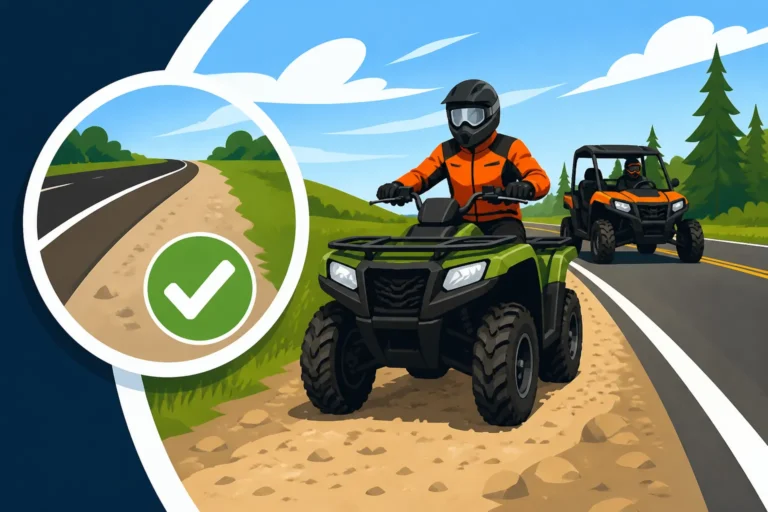
- Right-Hand Ditch Only: ORVs are generally only permitted to operate in the ditch that is on the right-hand side of the roadway relative to their direction of travel. This is a crucial safety measure to ensure that if a machine needs to enter or exit the ditch, it's doing so in line with the flow of traffic, minimizing cross-traffic hazards.
- With the Flow of Traffic: When riding in the ditch, your ORV must always travel in the same direction as the adjacent highway traffic. Riding against traffic, even in the ditch, is incredibly dangerous and strictly prohibited.
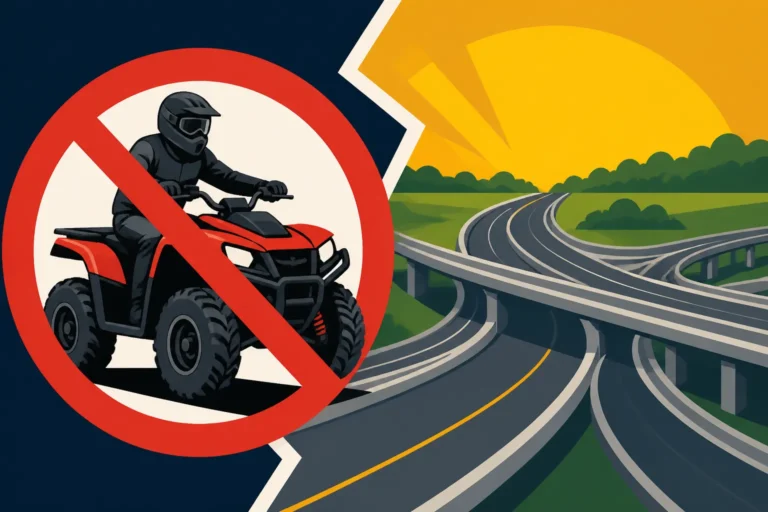
- No Roadway Travel: The ditch is distinct from the roadway. ORVs are not generally permitted on the paved or gravel surface of the highway itself, except for very specific crossing maneuvers. Blurring this line can lead to serious incidents and significant fines.
- Crossing Rules: There are strict rules for crossing a highway. Operators must hold a valid driver's licence to cross, yield to all highway traffic, and do so safely, usually at or near an intersection. You can't just zip across the highway whenever it's convenient. Specific rules apply to [Manitoba Crossing Rules at 5 Metres and 3 Kilometres].
- Equipment and Registration: Your ORV must be properly registered with Manitoba Public Insurance (MPI), display its single license plate (usually on the rear of a quad or front of a dirt bike), and meet all equipment requirements (like spark arresters, lights during specific hours). And, of course, you need to carry your registration card at all times.
Failing to meet any of these conditions, even if you're on a permitted machine, can result in tickets and penalties. The rules are in place for everyone's safety, and enforcement officers take them seriously. Always assume you are being observed and operate responsibly.
Common Misconceptions and Consequences
It's easy to see why confusion arises about ditch riding, especially for those new to the off-road scene or visitors from other regions. The sight of an open field or a less-traveled path adjacent to a road can be tempting. However, clinging to these misconceptions can quickly turn a fun day into a costly legal headache. Understanding these common errors is key to avoiding penalties.
The Appeal of Ditch Riding for Other Vehicles
For owners of traditional 4×4 vehicles like Jeeps, modified trucks, or SUVs, the idea of ditch riding might stem from a desire to explore off-road capabilities without having to seek out designated trails or private land. The ditch often appears as an accessible, convenient alternative to finding challenging terrain. Many perceive their robust vehicles, often enhanced with all-terrain tires, winches, or suspension upgrades, as perfectly capable of handling what an ATV can. They might think, "My truck is more capable than that quad, why can't I go there?" This logic, while understandable from a performance standpoint, completely ignores the legal definitions and safety parameters established by Manitoba law.
Another misconception is that if a particular ditch is infrequently used or appears neglected, it must be fair game. This overlooks the fact that ditches are part of the highway right-of-way, regardless of their condition or how often they're maintained. Furthermore, some individuals might mistakenly believe that specific agricultural shoulders or private access points grant them general permission to drive any vehicle through adjacent ditches. These are very specific, narrow exceptions, and they do not extend to general recreational use of ditches by highway vehicles.
Penalties for Violating Ditch Rules
The consequences of operating a prohibited vehicle, such as a truck or SUV, in a Manitoba ditch are not trivial. Enforcement officers have the authority to issue significant fines and, in some cases, even impound vehicles. The specific penalties can vary depending on the severity of the infraction, whether other rules (like impaired operation or careless driving) are also being violated, and if any damage has occurred. You could be looking at tickets for operating an unregistered ORV (even if your truck is registered, it's not a legal ORV for that space), operating in a prohibited area, or even more serious charges like [Manitoba Careless Operation Penalties] if your actions put others at risk.
Consider the potential financial hit: a ticket for operating a vehicle in a prohibited area can range significantly, and these fines often come with additional court costs. If your vehicle causes damage to the ditch or any related infrastructure, you could be liable for repair costs, which can quickly add up. Beyond the immediate financial penalties, there's also the hassle of dealing with law enforcement, potential court appearances, and the time lost. It's a stark reminder that ignorance of the law is not an excuse. Officers conduct [Manitoba Equipment Checks by Officers] and will not hesitate to ensure compliance with the Off-Road Vehicles Act.
Exploring Alternatives for Four-Wheel-Drive Enthusiasts
So, if your truck or SUV is off-limits for ditch riding in Manitoba, where can you take it to enjoy some legitimate off-road fun? The good news is that Manitoba offers several fantastic alternatives for four-wheel-drive enthusiasts, whether you're looking for challenging trails, organized events, or simply a safe, legal place to test your vehicle's capabilities. It just requires knowing where to look and respecting the designated uses of different lands.
Designated Off-Road Parks and Private Land
For those who love to push their 4×4 vehicles to the limit, designated off-road parks or privately owned properties specifically set up for off-roading are your best bet. While Manitoba might not have as many dedicated 4×4 parks as some other regions, there are often private landowners who permit off-road activities on their property. This usually requires explicit permission, and sometimes a fee, but it ensures you're riding legally and safely. Always remember that accessing [Manitoba Private Land Permission] is crucial; never assume consent.
These areas are typically designed to handle the weight and impact of full-size vehicles, often featuring diverse terrain like mud pits, rock crawling sections, and hill climbs that would be impossible and illegal to attempt in a ditch. Furthermore, some areas of [Manitoba Crown Land Riding Explained] might offer opportunities for certain types of 4×4 vehicle access, but these are often highly restricted, require specific permits, and are subject to environmental regulations. It's critical to research these options thoroughly and understand all conditions before heading out.
Engaging with Off-Road Clubs and Events
One of the best ways to find legal and exciting places to off-road your truck or SUV is to join local 4×4 clubs or participate in organized off-road events. These clubs often have established relationships with landowners, access to private trails, or knowledge of specific Crown Land areas where vehicle use is permitted. They also provide a fantastic community aspect, allowing you to learn from experienced drivers, enhance your skills, and enjoy the sport with like-minded individuals.
Many clubs organize regular runs, trail clean-ups, and skill-building clinics. They also stay informed about local regulations and land access issues, which can be invaluable for ensuring you're always riding legally and responsibly. Look for clubs dedicated to Jeeps, trucks, or general 4×4 enthusiasm in your area. They often have online forums or social media groups where you can connect and find out about upcoming events or recommended riding spots. Participating in these structured activities not only ensures compliance with the law but also promotes responsible land use and safe driving practices, enhancing the overall off-road community. For those who ride ATVs or UTVs, joining one of the [Manitoba ATV Clubs Worth Joining] can also open up access to dedicated trail networks like the [Manitoba ATV Trails: Club Ground and Crown Land].
Here's a quick comparison of ditch riding rules by vehicle type in Manitoba:
| Vehicle Type | Primary Design | Legal for Ditch Riding (Manitoba) | Key Conditions |
|---|---|---|---|
| ATV (All-Terrain Vehicle) | Off-Highway | Yes | Must be registered, insured, display plate. Ride in right-hand ditch, with traffic. Cross roads safely. Operator must be licensed. Adhere to speed limits and local bylaws. |
| UTV (Utility Terrain Vehicle) | Off-Highway | Yes | Same as ATV: Must be registered, insured, display plate. Ride in right-hand ditch, with traffic. Cross roads safely. Operator must be licensed. Adhere to speed limits and local bylaws. |
| Dirt Bike | Off-Highway | Yes | Same as ATV: Must be registered, insured, display plate. Ride in right-hand ditch, with traffic. Cross roads safely. Operator must be licensed. Adhere to speed limits and local bylaws. |
| Pickup Truck (4×4) | Highway | No | Designed for highway travel. Use in ditches can damage infrastructure, pose safety risks, and incur significant fines. |
| SUV (4×4) | Highway | No | Designed for highway travel. Use in ditches can damage infrastructure, pose safety risks, and incur significant fines. |
| Jeep Wrangler (Street Legal) | Highway (Dual-Purpose) | No | Despite off-road capability, when street legal, it's classified as a highway vehicle for ditch purposes in Manitoba. Must seek dedicated off-road areas. |
Disclaimer
This article is for general informational purposes only and does not constitute professional advice. Laws, prices and regulations vary by location and change over time. Consult a qualified professional for guidance on your specific situation.