Photographing a VIN Before a Manitoba Sale
Selling your ATV or UTV in Manitoba can feel like a minefield of paperwork, especially when you want to ensure a smooth, worry-free process for both you and the buyer. One tiny detail that often gets overlooked, but can prevent a world of headaches later, is properly documenting your machine's Vehicle Identification Number (VIN) before the sale even happens. This guide will walk you through why clear VIN photos are essential and how to get them right, safeguarding your sale and helping your buyer with their [Manitoba ORV Registration Through MPI].
Why the VIN is So Crucial for a Smooth Sale
When you're ready to part ways with your trusty quad or side-by-side, it’s not just about agreeing on a price and shaking hands. There's a vital administrative step that both parties need to get right: the transfer of ownership. And at the heart of that process is the VIN. Ignoring its importance can lead to major frustrations for the buyer when they try to register the machine, and can even cause lingering issues for you as the seller.
Proving Ownership and Identity
Think of your machine's VIN as its unique fingerprint. No two off-road vehicles will have the exact same VIN. This 17-character sequence tells the story of your machine: where it was manufactured, its model year, and other important identifiers. For the buyer, having a clear, verifiable VIN is absolutely non-negotiable when they go to register the machine in their name at an Autopac agent. It's how the province confirms the machine's identity and ensures it's not a stolen vehicle trying to find a new home. Without a crisp, clear VIN, the buyer might face delays or even rejection of their registration application, leading to a lot of frustration. This process is all part of the [Manitoba Transfer of Ownership Rules].
Furthermore, a clear VIN acts as a critical link between the machine itself and the official documentation, like your registration certificate and the bill of sale. If there's any discrepancy between the physical VIN and what's written on the paperwork, it can raise red flags for MPI or law enforcement. You're not just selling a machine; you're transferring its identity, and the VIN is the bedrock of that transfer.
Avoiding Future Headaches for the Buyer
Imagine your buyer, excited about their new-to-them machine, heads to their local Autopac agent only to be told the VIN on the bill of sale doesn't match the machine, or that the physical VIN is so faded it’s unreadable. What a nightmare! Not only does this sour the excitement of a new purchase, but it also creates a significant hurdle for them to legally operate their machine. They won't be able to get their [Manitoba ORV Registration Cost] sorted, nor will they get their required plate.
By taking clear photos of the VIN before the sale, you provide a layer of protection for both of you. You're proving that the VIN on the machine matches the VIN on the documents you provide. This foresight helps the buyer bypass potential delays and paperwork complications, ensuring they can get their machine registered quickly and hit the trails without a hitch. It builds trust and shows you're a responsible seller who cares about a smooth transaction, which is invaluable.
Where to Find the VIN on Your Machine (and Why It Matters)
Finding the VIN might seem like a simple task, but it's surprising how often riders struggle with it, especially after years of mud, dust, and rust have taken their toll. Knowing exactly where to look and understanding why a clean VIN is so important for the sales process can save everyone a lot of grief.
Common VIN Locations on ATVs and UTVs
Unlike cars, where the VIN is often clearly visible through the windshield, off-road vehicles tend to have their VINs stamped directly onto the frame, in places that can easily get caked with dirt, mud, or even corrode over time. On most ATVs, you'll typically find the VIN stamped on the left-hand side of the frame, usually near the front wheel, often on the frame tube that runs down from the handlebars. Sometimes it's near the footpeg or even under the seat.
For UTVs (side-by-sides), the VIN might be in a similar location on the frame, or it could be on a plate attached to the frame near the firewall, under the hood, or in the engine compartment. Some manufacturers also place a sticker with the VIN in other locations, but the stamped VIN on the frame is the one that's considered the primary, most reliable identifier. It’s always worth consulting your owner's manual if you’re unsure; it will usually have a diagram pointing directly to the VIN location.
The Importance of a Clean and Readable VIN
Having an illegible VIN is a huge problem. When the buyer goes to an Autopac agent to register the machine, the agent needs to verify that the VIN on the bill of sale matches the one physically on the vehicle. If it's covered in mud, rust, or so faded you can barely make it out, the agent might not be able to complete the transaction. This is where you might run into issues similar to [Manitoba Registration When the VIN Is Gone], which can involve additional steps like an appraisal or even a police report to verify the machine's identity.
Before you even think about photographing it, take the time to thoroughly clean the area around the VIN. Use a wire brush if necessary to remove rust or caked-on grime, but be gentle so you don't damage the numbers themselves. A little elbow grease here goes a long way in ensuring the numbers are sharp and distinct, making the registration process seamless for your buyer. This small effort on your part can prevent a lot of stress for the person buying your machine.
How to Photograph the VIN for Maximum Clarity
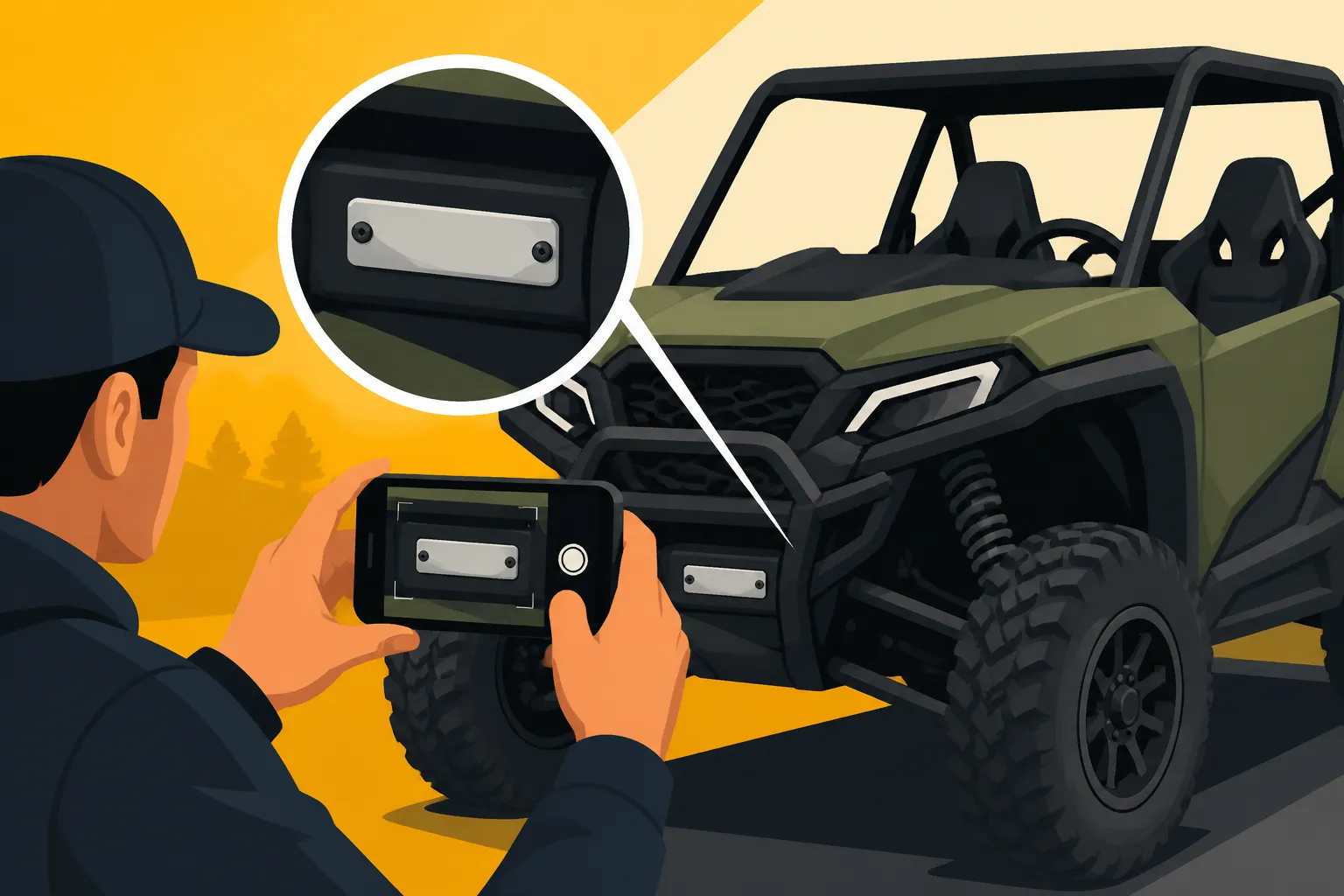
Once you've located and cleaned the VIN, it's time to capture those all-important photos. This isn't just about snapping a quick pic; it's about creating clear, undeniable proof of the machine's identity that will stand up to scrutiny. Think like a detective – you want evidence that's clear and comprehensive.
Lighting and Angles for the Perfect Shot
Natural light is your best friend when photographing a VIN. Try to take your photos outside on a bright, overcast day or in indirect sunlight to avoid harsh shadows and glare. If you're shooting indoors, ensure you have strong, even lighting. Avoid using a flash directly on the VIN, as it can often create reflections that obscure the numbers. Instead, try shining a flashlight from an angle to make the stamped numbers pop.
Take multiple photos from various angles. Get a straight-on shot, then try slightly angled shots from above, below, left, and right. Sometimes, even a slight shift in angle can reveal a number that was previously hidden by a shadow or reflection. Zoom in close enough so the numbers are clearly legible, but also take a slightly wider shot that shows the VIN in context on the machine's frame. This helps verify that the VIN belongs to that specific part of the machine. The goal is to leave no doubt about what those 17 characters are.
What to Include Beyond Just the Numbers
While the VIN itself is paramount, providing additional contextual photos can further strengthen your documentation. Take a wider shot of the entire machine with the VIN area circled or highlighted (you can do this with photo editing tools later, but capture the full machine first). This helps to visually connect the specific VIN to the actual vehicle being sold. You might also want to photograph the VIN alongside other identifying marks, such as the engine serial number if it's easily accessible and distinct.
Another excellent practice is to photograph the machine's current registration certificate, especially the section where the VIN is printed. Having a photo of the physical VIN on the machine next to a clear photo of the VIN on the official document provides undeniable proof of consistency. Remember, the new owner will need to carry their own [Manitoba Registration Cards Carried at All Times] once the transfer is complete, and your thorough documentation ensures they start off right.
Documenting the Sale Properly with LawDepot
Beyond just photos, the actual documentation of your sale is critical. A robust bill of sale clearly stating the VIN, selling price, and terms protects both you and the buyer. When you're preparing your bill of sale, perhaps using a reliable template from a service like LawDepot, having those crisp VIN photos is just another layer of protection for both parties. LawDepot provides customizable legal documents, and integrating your clear VIN photos with their detailed bill of sale templates ensures you cover all your bases legally and administratively.
Their templates help ensure all necessary information is included, which means less chance of an oversight leading to future disputes. A well-documented sale, complete with a professional bill of sale and clear VIN photos, demonstrates good faith and professionalism, making the entire experience smoother for everyone involved. It shows you've thought through the entire process, not just the handshake.
Common Pitfalls and How to Avoid Them
Even with the best intentions, sellers sometimes run into issues when documenting their VINs. Being aware of these common pitfalls can help you sidestep them entirely, ensuring a smooth sale process without unexpected bumps in the road. It's about proactive problem-solving before a problem even arises.
Illegible or Missing VINs
This is perhaps the biggest headache. If your VIN is genuinely difficult to read due to extreme wear, rust, or damage, or if it appears to be completely missing, you'll need to take extra steps. Do not try to "enhance" the VIN by carving into it or making assumptions. This could inadvertently damage the machine further or even raise suspicions of tampering. If the VIN is truly illegible after a thorough cleaning, you might need to consult an Autopac agent before the sale. They can advise you on the necessary procedures, which might include an inspection by a police officer or an authorized appraiser to verify the machine's identity. This process can be time-consuming, so addressing it early is key.
In some rare cases, for very old or custom-built machines, the VIN might not conform to the standard 17-character format. If you find yourself in this situation, bring all your existing paperwork, like old registrations or bills of sale, to an Autopac agent. They can often help navigate these unique circumstances and advise you on how to proceed, which can be particularly relevant for topics like [Manitoba Machines With No Paperwork].
Dealing with Scratched or Obscured VINs
Sometimes, the VIN isn't completely gone, but it's partially obscured by scratches, dings, or a persistent layer of paint or grime that won't come off with a simple wipe. For scratches, try gently rubbing the area with a piece of chalk or a pencil. The chalk dust or graphite can settle into the stamped impressions, making the numbers much more visible for a photograph. Take multiple shots with and without the chalk to see which provides the clearest image.
If a VIN is partially painted over, careful scraping with a plastic scraper or a soft wire brush might help, but proceed with extreme caution to avoid further damage to the numbers. The goal is to reveal the original stamping without altering it. If you suspect any kind of tampering or modification to the VIN, it’s imperative to declare this to the buyer and potentially to MPI. Honesty and transparency are your best allies in such situations.
Why Clear Photos Matter for Insurance and Legal Records
Beyond registration, clear VIN photos serve as critical proof for future insurance claims. If the machine is ever stolen, damaged, or involved in an accident, your buyer's insurance company will need the VIN for their records. A clear, undisputed VIN helps expedite claims and ensures the correct machine is being referenced. [Manitoba Insurance Included With Registration] provides basic third-party liability, but if the buyer opts for additional coverage like theft or collision, accurate VIN records are even more vital.
Moreover, in the unlikely event of a legal dispute regarding the sale, having undeniable photographic evidence of the VIN at the time of sale can be invaluable. It establishes a clear chain of custody and identity for the machine. Using a service like LawDepot for your bill of sale, combined with comprehensive VIN photos, reinforces the legal soundness of your transaction, offering peace of mind to both you and the buyer. It’s about building a robust record, not just for today, but for any unforeseen tomorrow.
Here's a quick comparison to help you capture the best possible VIN photos:
| Aspect | Good Practice | Poor Practice | Outcome of Good Practice | Outcome of Poor Practice |
|---|---|---|---|---|
| Lighting | Natural, indirect light; angled flashlight for detail | Direct flash; harsh shadows; low light | Clear, legible numbers; no glare | Numbers obscured; reflections; blurriness |
| Cleanliness | Thoroughly clean VIN area, remove rust/grime | Mud, dirt, rust left on VIN | Numbers are distinct and easy to read | Numbers appear faded, incomplete, or unreadable |
| Angles | Multiple close-up shots from various angles | Single, distant shot; straight-on only | Every character visible; context preserved | Some characters hidden; misinterpretation possible |
| Context | Wide shot of machine, shot of VIN on registration card | Only a tight crop of numbers | Links VIN to specific machine and official documents | Disconnect between VIN and machine/paperwork |
| Documentation | Use a service like LawDepot for a complete bill of sale | Handwritten note; incomplete bill of sale | Legally sound transaction; reduces future disputes | Potential for legal issues; buyer's registration delayed |
Disclaimer
This article is for general informational purposes only and does not constitute professional advice. Laws, prices and regulations vary by location and change over time. Consult a qualified professional for guidance on your specific situation.