Trails Fee Money Repairing Land Damaged by Riders
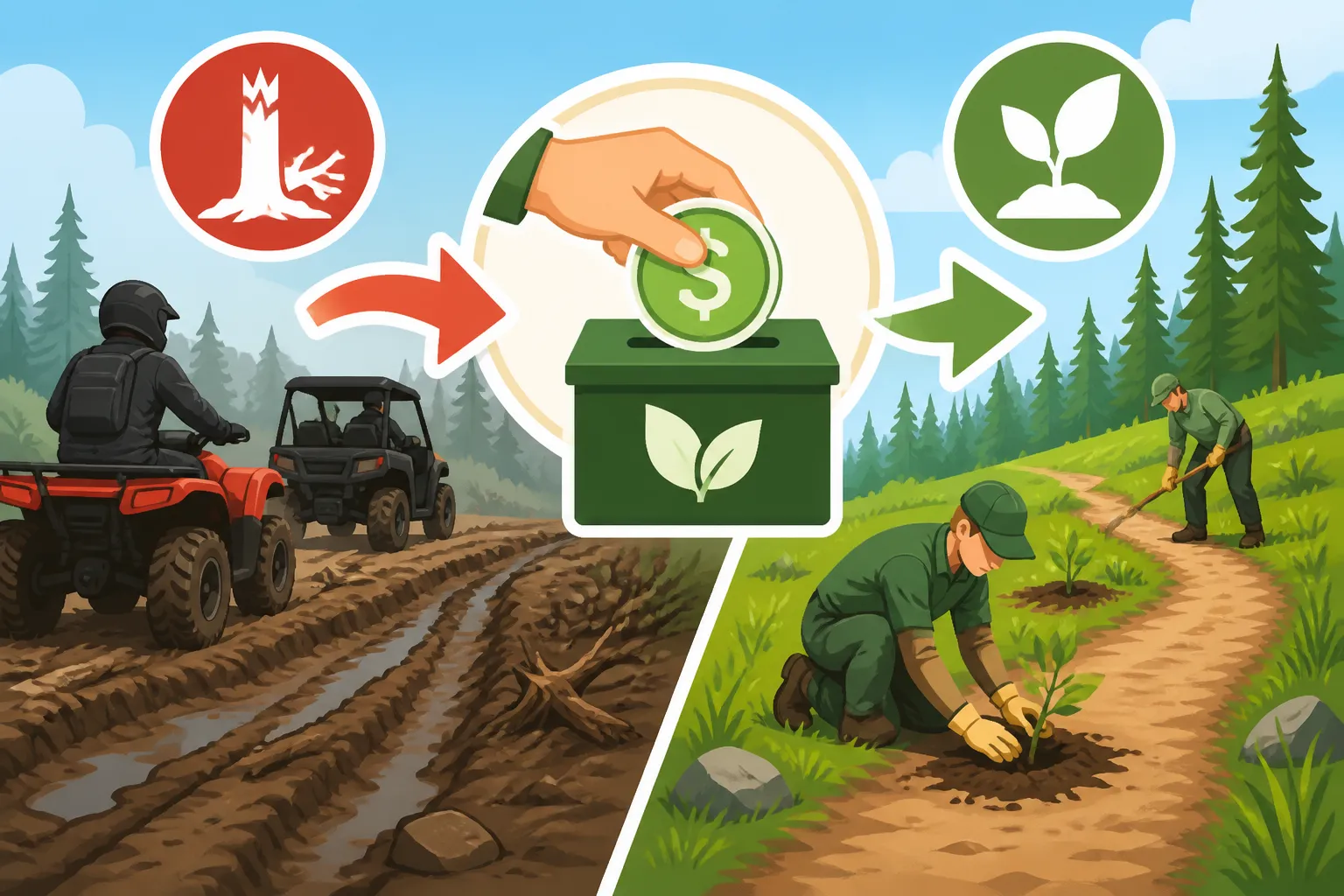
It's incredibly frustrating to pay fees and not know where your hard-earned money is going, especially when it comes to something you're passionate about like off-road riding. Many riders in Manitoba scratch their heads, wondering why they pay a trails fee with their registration. This guide is here to shed light on a crucial, often overlooked aspect of that fee: how a significant portion of the money collected is directly invested back into repairing and rehabilitating land that has been impacted by off-road vehicle use, ensuring the long-term health of our riding areas.
Understanding Manitoba's Off-Road Trails Fee
Let's face it, nobody enjoys adding another cost to their recreational pursuits. When you register your ATV or UTV in Manitoba, you’re asked to pay a specific fee. This isn't just a random tax; it's a dedicated charge that plays a vital role in the stewardship of our outdoor spaces. This fee helps fund initiatives that benefit all riders, from maintaining existing trails to restoring damaged landscapes.
Why the Trails Fee Exists
The idea behind the trails fee is rooted in sustainability. As off-road enthusiasts, we cherish the ability to explore Manitoba's diverse landscapes, from dense bush to winding trails. However, with increased use comes increased responsibility. Riding, especially in sensitive areas or improperly, can lead to environmental degradation. We're talking about things like soil erosion on steep grades, damage to wetlands from crossing sensitive habitats, or the creation of unauthorized routes that disrupt natural ecosystems. The trails fee was introduced as a mechanism to address these impacts head-on. It acknowledges that recreational use has consequences and provides the financial means to mitigate them, ensuring that the land remains accessible and healthy for future generations of riders. It's really about giving back to the land we love to ride on, making sure that our adventures don't permanently scar the environment. Many ask [Why Manitoba Adds $25 to Every ORV Registration], and this is a big part of the answer.
The Collection Process
So, how does this fee actually get collected? It’s integrated seamlessly into your annual registration process. When you head to your local Autopac agent to register your ATV or UTV, or to renew your existing registration, the trails fee is included as a line item. It’s a mandatory part of the registration for most off-road vehicles. This means you don't pay it separately or annually to a trail club; it's a single, straightforward transaction through Manitoba Public Insurance (MPI). This system ensures a broad collection base, as virtually every registered off-road vehicle contributes. For specifics on how this works, you might find more details in [Manitoba Trails Fee Collected With Registration]. It's designed to be simple and efficient, making sure that the funds are gathered to support crucial trail and land management initiatives without creating extra bureaucratic hurdles for riders. Unfortunately, for those hoping for a refund if they don't use designated trails, it’s important to know that [Manitoba Trails Fee Is Non-Refundable].
Direct Impact: Repairing Land Damaged by Riders
This is where the rubber meets the road, or rather, where the funds meet the ground. A significant portion of the trails fee is earmarked specifically for environmental remediation and land repair projects. This isn't just about patching up a pothole on a trail; it's about comprehensive ecological restoration.
Identifying Damage and Need for Repair
Before any repair work can begin, the damage needs to be identified and assessed. This often involves collaboration between provincial park staff, conservation officers, environmental groups, and even local ATV clubs who are out on the ground regularly. What kind of damage are we looking for?
- Erosion: This is perhaps the most common issue. Riding on steep slopes, especially during or after heavy rain, can lead to severe soil erosion, washing away topsoil and silting up nearby waterways. This can damage aquatic habitats and degrade water quality.
- Habitat Disruption: Unauthorized trails, often created by riders going off-route, can fragment critical wildlife habitats, disturb nesting sites, or damage sensitive plant communities like wetlands or rare native grasses.
- Wetland Degradation: Wetlands are vital for biodiversity and water filtration, but they are incredibly fragile. Repeated passage by ORVs can compact soil, destroy vegetation, and alter natural water flow, severely impacting these ecosystems.
- Garbage and Debris: While not directly related to riding mechanics, illegal dumping in remote areas accessible by ORVs is a persistent problem. Cleanup efforts are often necessary to restore the natural beauty and health of these sites.
- Invasive Species Spread: ORVs can inadvertently transport seeds of invasive plant species from one area to another, leading to ecological imbalances. Repair efforts can include managing these invasive species.
These assessments often involve scientific surveys and mapping to determine the extent and type of repair needed. Sometimes, obtaining landowner consent for accessing private property for assessment or repair is crucial, and having a clear agreement, perhaps even a simple form from a service like LawDepot, can make this process smoother for all parties involved.
Funding Restoration Projects
Once damage is identified, the trails fee money is allocated through various grant programs to fund specific restoration projects. These aren't just theoretical dollars; they translate into tangible on-the-ground work. Here’s how it often plays out:
- Grant Applications: Local ATV clubs, environmental organizations, and even municipal governments can apply for grants from the trails fund for specific projects. These applications detail the problem, the proposed solution, and the expected environmental benefits.
- Project Selection: A committee, often with representation from different stakeholders including riders, reviews these applications. Projects that demonstrate a clear need, a well-thought-out plan, and a positive impact on environmental health and rider access are prioritized.
- Types of Work Funded: This can include a wide range of activities:
- Re-vegetation: Planting native grasses, shrubs, or trees to stabilize eroded areas and restore natural habitats.
- Trail Hardening: Installing culverts, boardwalks, or rock armouring in perpetually wet or eroded sections to prevent further damage and make trails more sustainable.
- Decommissioning Unauthorized Trails: Physically blocking off and rehabilitating illegally created trails to encourage riders to stay on designated routes and allow nature to reclaim the land.
- Wetland Restoration: Repairing drainage patterns, re-establishing native wetland plants, and creating barriers to prevent ORV access to sensitive areas.
- Waste Removal: Organizing and funding clean-up drives to remove illegally dumped garbage and debris from natural areas.
These projects are crucial for reversing the negative impacts of irresponsible use and ensuring that our natural spaces can continue to thrive alongside our passion for riding. The funding directly supports the boots-on-the-ground efforts that make a real difference.
Collaborative Efforts in Land Restoration
No single entity can tackle the vastness of land restoration alone. The success of these initiatives relies heavily on collaboration among various groups. The trails fee acts as a catalyst, empowering these partnerships.
- ATV Clubs: Local clubs are often at the forefront, identifying problem areas, organizing volunteer work parties, and applying for grants. They have intimate knowledge of their riding areas and a vested interest in their preservation. For example, a club might use a basic agreement template from LawDepot to formalize a partnership with a private landowner for a trail restoration project crossing their land.
- Environmental Organizations: Groups focused on conservation bring scientific expertise and volunteer power to the table, ensuring that restoration efforts are ecologically sound and effective.
- Government Agencies: Provincial parks and conservation departments provide oversight, guidance, and sometimes direct labour or equipment for larger projects. They help ensure projects align with broader land management strategies.
- Local Communities: Residents, landowners, and businesses often benefit directly from well-managed and restored trails, fostering a sense of shared responsibility for the environment.
This collaborative approach maximizes the impact of the trails fee dollars, bringing together diverse skills and resources to achieve common goals. It's a testament to the power of community when it comes to preserving our natural heritage.
Beyond Repair: Broader Benefits of the Trails Fee
While repairing damaged land is a primary focus, the trails fee also contributes to a wider spectrum of initiatives that benefit the entire off-road community and the environment. It's part of a holistic approach to sustainable recreation.
Maintaining Existing Trails
Beyond just repairing damage, a significant portion of the trails fee also goes towards the ongoing maintenance of our designated trail networks. Think about it: trails aren't static. They suffer from wear and tear, weather erosion, fallen trees, and general degradation over time. Without regular maintenance, even the best trails can become impassable, unsafe, or environmentally damaging.
- Brushing and Clearing: Keeping trails clear of overgrown vegetation and fallen branches is essential for rider safety and access.
- Signage: Replacing damaged signs, installing new directional markers, and posting important safety or environmental warnings helps guide riders and prevent them from inadvertently straying into sensitive areas.
- Bridge and Culvert Repair: Ensuring water crossings are safe and structurally sound prevents accidents and minimizes environmental impact.
- Surface Grading: Periodically grading trail surfaces can improve ride quality, reduce dust, and prevent rutting that leads to erosion.
This proactive maintenance, funded by the trails fee, ensures that the trails we love to ride remain enjoyable and sustainable for years to come. It’s part of the broader commitment covered by [Trails Fee Money Spent on Trail Maintenance Grants].
Promoting Responsible Riding and Education
Another critical area supported by the trails fee is rider education and the promotion of responsible riding practices. Ignorance of the rules or environmental impacts can often lead to unintentional damage. Education is key to prevention.
- Safety Courses: While not mandatory in Manitoba, the trails fund can support initiatives that encourage voluntary safety training, helping riders understand proper operation, risk management, and environmental etiquette.
- Informational Materials: Developing and distributing brochures, online guides, and public awareness campaigns about responsible riding, "tread lightly" principles, and the importance of staying on marked trails.
- Youth Programs: Introducing younger riders to safe and responsible practices from an early age helps instill a lifelong commitment to ethical off-road recreation.
- Environmental Awareness: Educating riders about the specific ecosystems they're riding through, the vulnerable species present, and the long-term impacts of their actions.
By investing in education, the trails fee aims to reduce the incidence of damage in the first place, fostering a culture of stewardship within the riding community. This preventative measure is just as important as the reactive repair work, and is part of what [Trails Fee Money Funding Rider Education Programmes] achieves.
Ensuring Sustainable Access for All
Ultimately, the trails fee is about ensuring the long-term viability of off-road riding in Manitoba. It's a mechanism for collective responsibility, allowing riders to contribute directly to the health of the environment they enjoy. Without these funds, the burden of managing and repairing our riding areas would fall entirely on taxpayers or, worse, lead to closures and restrictions.
- Preserving Riding Opportunities: By mitigating environmental impact, the fee helps justify continued access to Crown land and other designated riding areas, preventing closures due to ecological concerns.
- Building Public Trust: Demonstrating that the off-road community is actively invested in environmental stewardship can improve public perception and foster better relationships with other land users, conservationists, and non-riders.
- Future Generations: The investments made today in land repair and sustainable trail management mean that your children and grandchildren will have the same, if not better, opportunities to experience the thrill of off-road riding in Manitoba's beautiful landscapes.
It's about ensuring that the freedom and joy of riding remain a cherished part of the Manitoba lifestyle for decades to come.
Where Your Trails Fee Money Goes: A Snapshot
To make it clear, here's a breakdown of the primary areas where the Manitoba Trails Fee funds are directed. This isn't an exhaustive list but highlights the key investments.
| Category | Description | Example Projects |
|---|---|---|
| Land Repair & Rehab | Restoring ecosystems damaged by erosion, unauthorized trails, or habitat disruption. | Re-vegetation of eroded slopes, wetland restoration, decommissioning illegal trails. |
| Trail Maintenance | Ongoing care of designated trails to ensure safety and sustainability. | Brushing, clearing fallen trees, signage replacement, bridge/culvert repair. |
| Rider Education | Programs and materials promoting responsible and safe off-road practices. | Safety course promotion, "tread lightly" campaigns, environmental awareness. |
| Infrastructure | Development or upgrade of trail amenities and support structures. | Construction of staging areas, shelters, kiosks with trail maps. |
| Administration | Overhead costs associated with managing the fund and grant programs. | Grant processing, project oversight, fund auditing. |
This table illustrates that the fee isn't just a charge; it's an investment in the future of off-road riding and environmental health in Manitoba.
In the grand scheme of things, that relatively small trails fee you pay with your ATV or UTV registration is doing a whole lot of good. It's not just disappearing into a provincial black hole. A significant portion of that money is actively working to repair damage, maintain trails, and educate riders, all to ensure that our cherished landscapes remain healthy and accessible for everyone. It's a collective effort, and every registered machine contributes to the preservation of the very environment that gives us so much joy.
Disclaimer
This article is for general informational purposes only and does not constitute professional advice. Laws, prices and regulations vary by location and change over time. Consult a qualified professional for guidance on your specific situation.