Manitoba Registration for an Amphibious Machine
Owning an amphibious off-road vehicle (ORV) in Manitoba brings a whole new level of adventure, allowing you to seamlessly transition from land to water. However, this unique capability often leaves owners scratching their heads about where these machines fit into Manitoba's registration rules, which are primarily designed for land-based quads and snowmobiles. This guide will cut through the confusion, clearly explaining how to properly register your amphibious machine, what documents you'll need, and the specific considerations you should keep in mind to stay compliant and safe on both solid ground and open water.
Understanding What an Amphibious Machine Is (And Isn't) in Manitoba
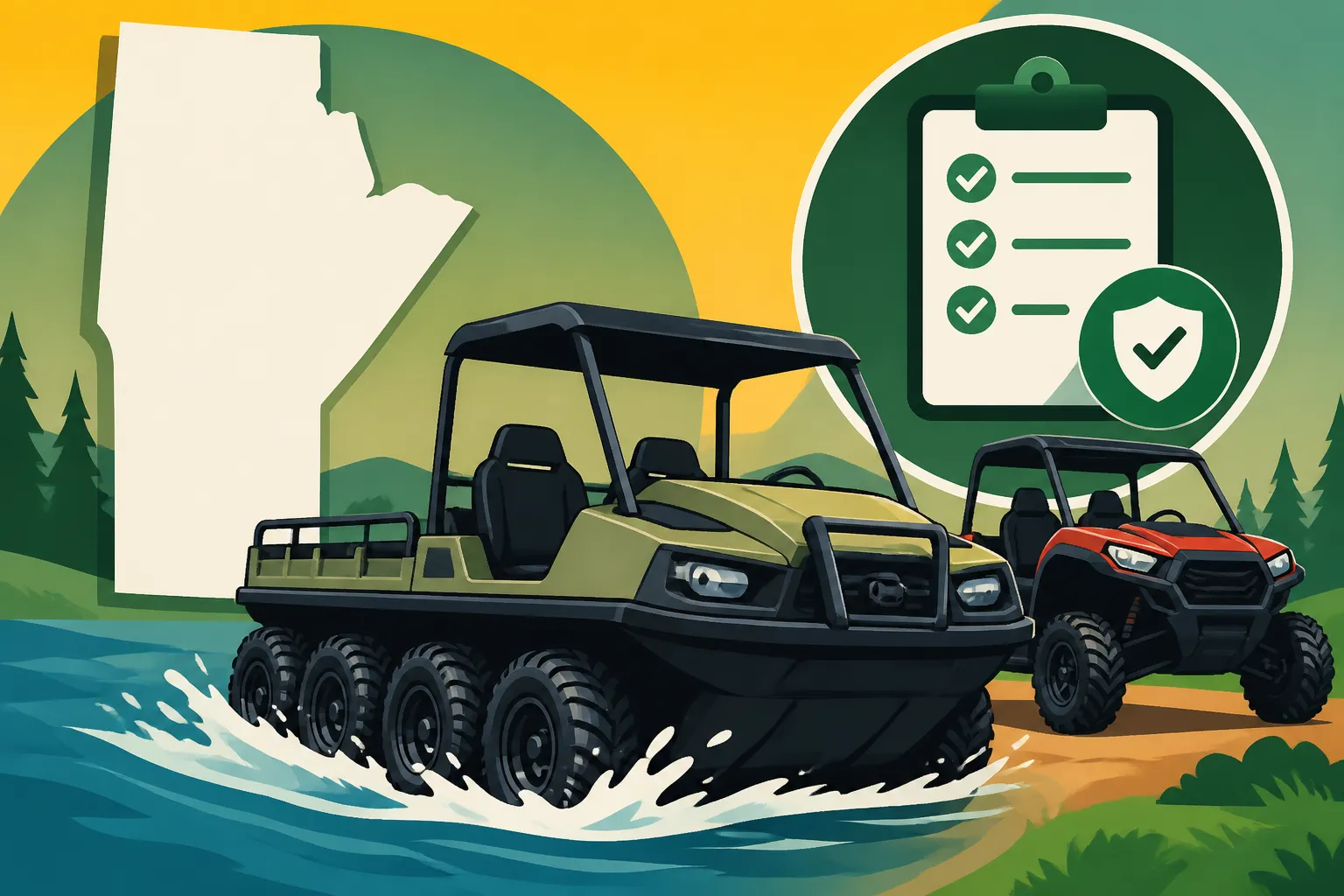
When you think of an off-road vehicle, you likely picture a quad tearing through mud or a side-by-side navigating rocky trails. Amphibious machines, like the popular Argo or other multi-wheeled marvels, add an exciting twist by allowing you to enter and navigate water bodies. This dual functionality is fantastic for exploring Manitoba's vast wilderness, but it can also make their legal classification seem a bit murky. Are they boats? Are they regular ORVs? The answer, at least for registration purposes, is firmly rooted in their primary design as an off-road machine.
How Manitoba Law Defines an Amphibious ORV
Under Manitoba's Off-Road Vehicles Act, an "off-road vehicle" is quite broadly defined to include any motorized vehicle designed for travel on land, water, snow, ice, or other natural terrain and not on highways. This definition is crucial because it inherently includes amphibious machines. They are not treated as a separate, distinct category for registration purposes but rather fall squarely under the existing ORV umbrella. This means that while they have unique capabilities, they are subject to the same fundamental registration requirements as any quad, dirt bike, or snowmobile you'd find tearing up a provincial trail. Essentially, if it’s got an engine and it's built to go off the paved roads, whether it swims or not, Manitoba considers it an ORV.
The Distinction from Boats and Traditional ORVs
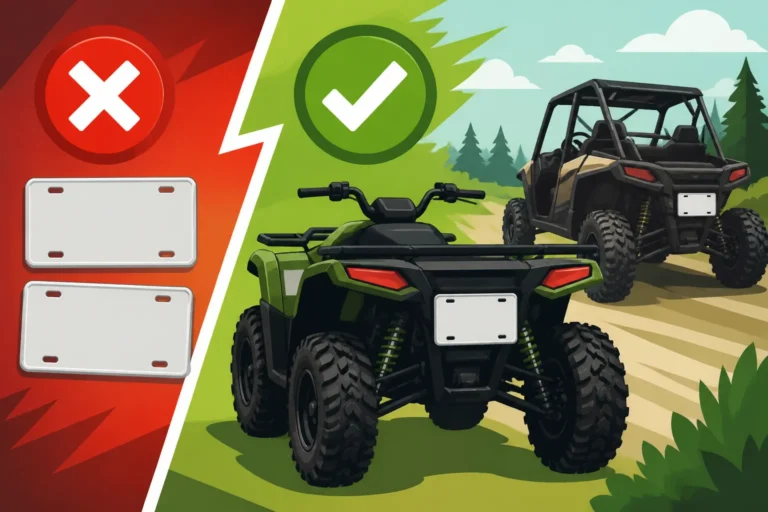
While your amphibious machine can float and propel itself across water, it's vital to understand that for provincial registration, it's still primarily viewed as an ORV, not a boat. This means you register it with Manitoba Public Insurance (MPI), just like you would a quad. The process differs significantly from registering a personal watercraft or a motorized fishing boat, which falls under federal regulations and might involve different identification numbers and licensing bodies. The key difference lies in its design intent: an amphibious ORV is engineered for diverse terrain, including water, whereas a boat is designed solely for water. This distinction is important because it dictates where you go for registration and what rules primarily govern your machine. For instance, you will receive [Manitoba Issues One Plate, Not Two] – typically one physical plate for your machine, not the two that sometimes accompany boat registrations.
Registering Your Amphibious Machine: The Essentials
The process for registering an amphibious machine isn't dramatically different from registering any other off-road vehicle in Manitoba. The provincial authority for this is Manitoba Public Insurance (MPI), and they manage all ORV registrations through their network of Autopac agents. This integrated system simplifies things, as you're likely already familiar with Autopac for your car or truck insurance. The critical thing is to arrive prepared with the right documentation, especially when dealing with a machine that might have a less conventional purchase history or VIN placement. For a general overview, you might find [How to Register an ATV in Manitoba] helpful, as many steps are similar.
Required Documents for Your Visit
To ensure a smooth registration experience, you'll need to gather a few essential documents before heading to an Autopac agent. First and foremost, you'll need proof of ownership. This typically comes in the form of a bill of sale, especially if you're buying it new from a dealer or from a private seller. If you're purchasing from a private individual, make sure the bill of sale clearly identifies the machine (including its Vehicle Identification Number or serial number), the purchase price, and the names and signatures of both the buyer and seller. Sometimes, people create their own bill of sale forms; legal document providers like LawDepot offer templates that can help ensure you don't miss any critical information when documenting a private sale.
Beyond the bill of sale, if the machine was previously registered in Manitoba, the seller should provide you with the transfer of ownership section from their existing registration certificate. This proves the machine was legally transferred to you. If you're importing the machine from another province or country, you'll need customs clearance documents if applicable, and any previous registration papers. Lastly, don't forget your personal identification, such as a valid Manitoba driver's license or other government-issued ID. Having all these documents organized will prevent unnecessary delays and repeat trips.
The Autopac Agent Experience and What to Expect
When you arrive at an Autopac agent, tell them you're there to register an off-road vehicle, specifically an amphibious machine. The agent will guide you through the process, which involves verifying your documentation, inputting the machine's details into the MPI system, and processing the required fees. They'll confirm the VIN or serial number, so make sure you know exactly where it's located on your amphibious machine – sometimes it's less obvious than on a typical quad. This is also where you'll pay your registration fee and the mandatory [Manitoba's Off-Road Trails Fee Explained].
During this visit, the agent will also handle the collection of Retail Sales Tax (RST) on the purchase price of your amphibious machine, unless a valid exemption applies (such as a trade-in of the "same general kind" machine). MPI acts as the collection agent for the province, so all these financial transactions happen conveniently in one place. After successful registration, you'll receive your registration certificate and the physical licence plate for your amphibious ORV. Remember, [Manitoba ORV Registration Through MPI] makes the process straightforward for all types of off-road vehicles.
Navigating Unique Challenges for Amphibious Owners
While the registration process itself is largely similar for all ORVs, owning an amphibious machine introduces a few unique practical considerations. These machines are designed for environments where traditional ORVs might fear to tread – or float – and this means thinking about things like plate visibility when entering water, and how to protect your critical documents from the elements. Ignoring these details could lead to issues with enforcement or damage to your papers.
Where to Mount Your Registration Plate
One of the most common questions amphibious ORV owners have is about plate placement. Manitoba law requires your ORV plate to be "securely affixed to the machine so that it is clearly visible." For most quads, this means the rear, but for a two-wheeler, it's the front. Amphibious machines, with their often unconventional designs and the need to operate in water, can make this tricky. The goal is consistent visibility, whether you're driving on land or paddling through a lake. You need to ensure that the plate isn't submerged, obscured by accessories, or likely to be torn off by water currents or rough terrain.
Consider using a robust, corrosion-resistant mounting bracket that places the plate in a prominent position, perhaps higher up on the rear or side where it won't be easily fouled by mud or water. Some owners opt for a clear protective cover for their plate, but ensure it doesn't distort the view or make the plate unreadable. The specific rules for [Manitoba Plate Mounting by Machine Type] generally expect one plate to be displayed clearly. If you have any doubt, it's always best to consult with an Autopac agent or refer to the MPI website for specific guidance on your machine's design.
Keeping Your Registration Card Safe and Accessible
Just like with any other ORV, you are legally required to carry your valid registration certificate with you whenever you operate your amphibious machine. This includes riding on land, crossing roads, and, yes, even when you're out on the water. This presents a unique challenge: paper documents and water don't mix well! Getting your registration card wet can make it illegible or destroy it, requiring you to get a replacement.
To avoid this headache, invest in a good quality, waterproof document holder or bag. Many riders use small, durable dry bags or heavy-duty Ziploc-style pouches specifically designed for marine use. Keep this holder securely attached to your machine or on your person, somewhere it's easily accessible if an officer requests to see it. Imagine being out on a remote lake, and having to explain why your soaked, unreadable registration card is all you have. Taking preventative steps to keep your [Manitoba Registration Cards Carried at All Times] dry and intact will save you a lot of trouble and potential fines.
Important Considerations Beyond Registration
Registering your amphibious machine is just the first step in responsible ownership. These versatile vehicles operate in diverse environments, which means understanding the broader rules that apply. From the mandatory trails fee that supports recreational infrastructure to the distinct regulations governing watercraft, and even specific exemptions for how and where you use your machine, a comprehensive understanding ensures you can enjoy your amphibious ORV without unexpected legal issues.
Understanding the Trails Fee and Its Purpose
Every off-road vehicle registered in Manitoba, including your amphibious machine, is subject to a mandatory Off-Road Trails Fee. Currently, this fee is a nominal amount, but it's important to understand why it exists and where your money goes. This fee is collected at the time of registration and is specifically earmarked to support the development and maintenance of recreational ORV trails across the province. It contributes to programs that enhance trail infrastructure, promote rider safety, and manage environmental impacts. Essentially, it's an investment in the very trails and wilderness areas that you, as an amphibious ORV owner, will likely be exploring.
The trails fee is a non-refundable, annual charge that is added to your registration cost. Many people are surprised by [The $25 Trails Fee Added to Every Registration], but it serves a vital purpose in sustaining the ORV community. Even if you primarily use your amphibious machine on your own property or believe you won't be using designated trails, the fee is still mandatory as part of the provincial registration process. It's a small contribution that helps ensure the longevity and quality of Manitoba's off-road riding opportunities for everyone.
When Other Watercraft Regulations Apply
While your amphibious machine is registered as an ORV, its ability to operate on water means it also crosses into the realm of federal watercraft regulations. This is a critical distinction many owners miss. Once your amphibious ORV enters navigable waters, it is generally subject to Canada Shipping Act, 2001 regulations, which include requirements for things like carrying specific safety equipment (life jackets for everyone on board, a sound-signalling device, bailer, etc.), operating at safe speeds, and avoiding impaired operation. These are federal rules enforced by the RCMP and other authorities, separate from provincial ORV laws.
You won't get a separate boat registration for your amphibious ORV from MPI, but you absolutely must adhere to federal boating safety standards when on the water. Think of it this way: your ORV registration gets you onto the land trails, but your adherence to boating safety ensures you're legal and safe on the lake. Always ensure your machine is equipped with the required safety gear before launching, and be familiar with general boating rules of the road. For personal watercraft, there's also the requirement for a Pleasure Craft Operator Card (PCOC), which is a federal competency requirement. It is highly advisable to obtain one of these cards, as the principles of safe navigation and accident prevention are directly applicable when operating your amphibious machine on water.
Exemptions for Private Land or Remote Community Use
Manitoba's ORV Act does include some specific exemptions for registration, and these apply to amphibious machines just as they do to other ORVs. The most common one is the [Manitoba Own-Property Registration Exemption]. If you exclusively operate your amphibious machine on private property that you own or have permission to use, and you never take it onto public land or cross a public road, you might be exempt from registration. However, "exclusively" is the keyword here – any use on public land, even just crossing a ditch or a road, negates this exemption.
Another notable exemption exists for individuals residing in designated [What Counts as a Remote Community for Registration]. If you live in a community without year-round road access and primarily use your ORV within that community for essential travel, you may qualify for the [Manitoba Remote Community Exemption]. These exemptions are not automatic; you'd typically need to discuss your specific situation with an Autopac agent to confirm eligibility. Outside of these very specific scenarios, [Manitoba Requires Registration in Any Location] where the Off-Road Vehicles Act applies, making registration a widespread requirement for most amphibious ORV owners. It’s always best to be sure you understand [Manitoba Registration Exemptions Explained] thoroughly before making assumptions.
Here's a quick comparison of the key aspects for your amphibious ORV versus what you might expect for a traditional boat:
| Feature | Amphibious ORV (Manitoba) | Traditional Motorized Boat (Federal) |
|---|---|---|
| Registration Body | Manitoba Public Insurance (MPI) | Transport Canada (for pleasure craft license) |
| Registration Type | Off-Road Vehicle Registration | Pleasure Craft Licence or Vessel Registration |
| Identification | Provincial Licence Plate | Pleasure Craft Licence Number (PCN) |
| Plate Mounting | Securely affixed, clearly visible (land) | PCN displayed prominently (water) |
| Primary Laws | MB Off-Road Vehicles Act (land) | Canada Shipping Act, 2001 (water) |
| Trails Fee | Yes, annual (collected by MPI) | No |
| Safety Equipment | Helmet, basic ORV gear (land) | Life jackets, sound device, bailer, etc. (water) |
| Operator Card | No provincial ORV card required | Pleasure Craft Operator Card (PCOC) highly recommended for water operation |
| Proof of Ownership | Bill of sale, transfer documents | Bill of sale, builder's certificate |
This article is for general informational purposes only and does not constitute professional advice. Laws, prices and regulations vary by location and change over time. Consult a qualified professional for guidance on your specific situation.