Skipping a Helmet Above the 53rd Parallel
Navigating the rules for off-road vehicles in Manitoba can sometimes feel like trying to read a map in the dark, especially when it comes to specific regional exemptions. Many riders in Manitoba's expansive north find themselves asking if the helmet law, a standard safety measure we all understand, actually applies universally. If you're a commercial operator or essential service worker venturing past a certain geographical line, you've likely heard whispers of different requirements. This guide is designed to thoroughly explain the unique helmet exemptions for ATV and UTV operators working north of the 53rd Parallel, shedding light on who qualifies and the important conditions to keep in mind.
Understanding the 53rd Parallel Helmet Exemption in Manitoba
The 53rd Parallel isn't just an arbitrary line on a map; it's a geographical marker that in Manitoba signifies a transition into a region with unique challenges and operational realities. While the general rule of wearing a helmet on an ATV or UTV is well-established across the province, the Manitoba Off-Road Vehicles Act recognizes that the nature of work in more remote, northern areas can sometimes necessitate different considerations. This is where the specific exemption related to the 53rd Parallel comes into play, offering a limited waiver for helmet use under very particular circumstances.
Defining the 53rd Parallel and Manitoba's Northern Zones
Geographically, the 53rd Parallel of latitude runs roughly through the middle of Manitoba. Think of it as passing just south of communities like The Pas and Norway House. North of this line, the landscape shifts dramatically. You'll find vast expanses of boreal forest, countless lakes, and often, a much less developed infrastructure compared to the southern regions. Many areas are only accessible by winter road, air, or, of course, by hardy off-road vehicle during other seasons. The sheer remoteness, coupled with often challenging terrain and distances to emergency services, creates a distinct operational environment for anyone working there. The Act acknowledges these unique conditions by providing specific provisions for off-road vehicle use in these northern zones.
The Specifics of the Manitoba Hydro Helmet Exemption
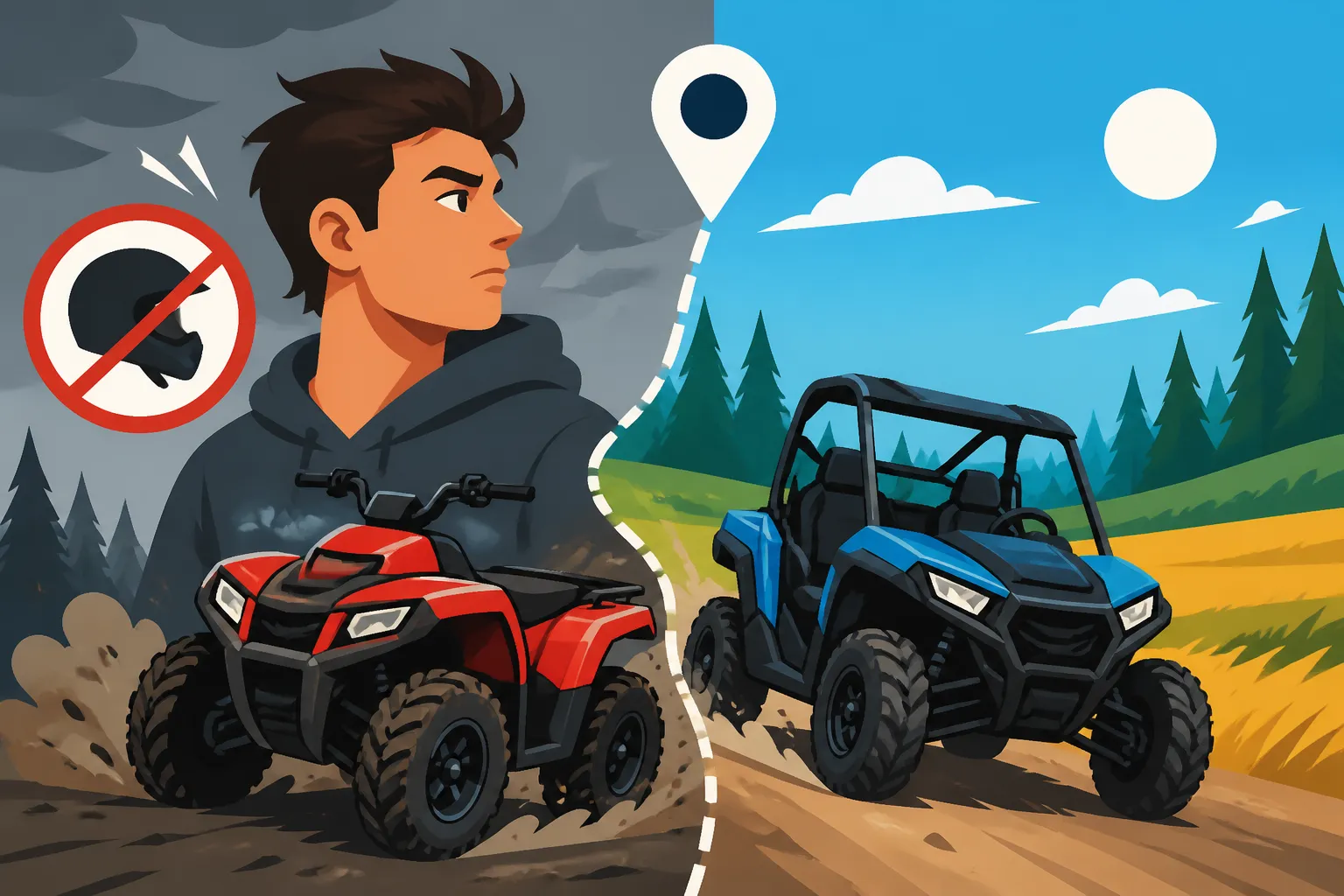
It's crucial to understand that the helmet exemption north of the 53rd Parallel is not a blanket waiver for every rider in the north. It's highly specific. The Manitoba Off-Road Vehicles Act states that an operator of an off-road vehicle is exempt from wearing a helmet "if the vehicle is being operated north of the 53rd Parallel between May 1 and October 31 for the purpose of a commercial or public utility use in a remote area." Let's unpack that.
Firstly, the exemption has a strict timeframe: it only applies from May 1st through October 31st. Outside of these months, regardless of your location or purpose, the standard helmet law applies. Secondly, it's explicitly for "commercial or public utility use." This means you're operating the machine as part of your job, not for recreation or personal transport, even if you live in a remote area. Think of essential services, resource management, or utility maintenance. This isn't about pleasure riding; it's about the practicalities of work in a tough environment. Finally, the "remote area" clause reinforces the context – areas where the nature of the work often involves frequent dismounting, specialized tasks, or conditions where a helmet might genuinely impede specific job functions or communication. For example, [Manitoba Hydro Crews North of the 53rd Parallel] are often cited as a key group benefiting from this specific exemption, given their critical infrastructure maintenance in challenging terrain.
Who Qualifies for the Northern Helmet Exemption?
Understanding the precise criteria for the northern helmet exemption is key to avoiding misunderstandings and potential fines. It’s not simply about being north of The Pas; it’s about your purpose, the time of year, and the specific nature of your work. This exemption is tailored to address the unique demands placed on professionals operating in Manitoba’s rugged northern landscape, allowing for flexibility where standard safety gear might create practical hurdles for specific job duties.
Commercial and Public Utility Workers Defined
When the Act refers to "commercial or public utility use," it's pinpointing a specific category of work. This isn't for recreational quad trips with your buddies, even if you’re a long way from Winnipeg. We're talking about individuals who rely on their ATV or UTV as a tool to perform essential duties. Examples include:
- Manitoba Hydro Crews: As mentioned, these teams are often working on power lines, checking infrastructure, or responding to outages in incredibly remote, often roadless, terrain. The nature of their work can involve frequent stops, climbing, and the need for clear communication, which a helmet might sometimes hinder.
- Licensed Trappers and Commercial Fishers: For individuals engaged in their livelihoods, such as a [Manitoba Licensed Trapper Exemption] accessing trap lines or a [Manitoba Commercial Fisher Exemption] checking nets, the machine is integral to their work. These tasks often require keen observation of the immediate surroundings, frequent stops, and handling gear, all of which can be impacted by helmet use.
- Resource Management and Forestry Personnel: Workers involved in geological surveys, prospecting, wildlife management, or forestry operations often use off-road vehicles to traverse vast areas. Their duties can involve detailed ground inspection, marking, or specialized equipment operation where a helmet could be a practical impediment.
- Remote Service Providers: This can include anyone providing essential services or maintaining infrastructure (like remote communication towers or research stations) in areas unreachable by conventional vehicles.
The common thread here is that the ATV or UTV is a critical tool for their work, not simply a mode of transport for leisure. A hunter, for example, is usually considered recreational and would still need a helmet, unless they also qualify for the distinct [Manitoba Hunting and Trapping Helmet Exemptions].
Conditions and Limitations of the Exemption
Even for those who clearly fall into the "commercial or public utility use" category, the exemption is not open-ended. Several crucial limitations apply:
- The May 1 to October 31 Window: This is non-negotiable. If you're working north of the 53rd Parallel on April 30th or November 1st, the helmet rule is in full effect. This timeframe acknowledges that during the colder months, different considerations (like shared snowmobile trails or colder conditions) might prevail, making a helmet a more universally practical and necessary piece of safety gear.
- Purpose of Operation: The exemption only applies while you are performing the commercial or public utility use. If a Hydro worker is using their ATV to run a personal errand after work, even in a remote area, the exemption would not apply, and they would need a helmet.
- Employer Policies: While the law may offer an exemption, many employers, especially large organizations like Manitoba Hydro, will still have their own internal safety policies that mandate helmet use for their employees, regardless of the legal exemption. Always prioritize your employer's safety protocols.
- Type of Machine: The exemption applies specifically to off-road vehicles, which includes ATVs and UTVs.
- Remote Area: The context of a "remote area" is essential. This generally means areas where population density is very low, conventional roads are scarce or non-existent, and emergency services are far away. It’s the combination of the work's nature and the environment that drives this specific rule.
To help visualize these rules, here’s a quick overview of who typically needs a helmet:
| Condition/Rider Type | Helmet Required Below 53rd Parallel | Helmet Required Above 53rd Parallel (May 1 – Oct 31) |
|---|---|---|
| Recreational Rider | Yes | Yes |
| Commercial/Utility (North of 53rd) | Yes (unless other specific exemption applies, e.g., ROPS for UTV) | No (if operating for commercial/public utility use) |
| Hunter/Trapper (Engaged in Trapping/Hunting) | No (if specific conditions met as per other exemptions) | No (if specific conditions met, including 53rd parallel exemption for commercial use if applicable) |
| UTV with ROPS & Seatbelts | No (if all occupants belted and ROPS in use) | No (if all occupants belted and ROPS in use, or if 53rd parallel exemption applies) |
Safety Considerations and Practicalities for Northern Riding
While the law grants a specific exemption for helmet use in certain northern contexts, it’s imperative to never lose sight of the primary goal: safety. The risks inherent in off-road riding don't disappear just because a legal waiver exists. In fact, the very remoteness that triggers the exemption also amplifies the potential consequences of an accident.
Why the Exemption Exists (and Its Risks)
The exemption for commercial and public utility workers north of the 53rd Parallel isn't an oversight; it's a practical acknowledgment of unique work conditions. Imagine a utility worker needing to frequently dismount their UTV to inspect lines, climb poles, or access equipment, all while communicating with a team. A helmet could become cumbersome, restrict peripheral vision needed for spotting subtle hazards like thin ice or animal tracks, or interfere with specialized communication gear. In environments where physical exertion is high and quick, unencumbered movements are critical, the legislative intent was to remove a barrier to efficiency and, paradoxically, safety in certain very specific tasks.
However, the risks are undeniable. A head injury, even a seemingly minor one, can have devastating consequences, especially when medical help is hours, or even a day, away. The unforgiving terrain, unpredictable weather, and isolation of northern Manitoba mean that any incident can escalate rapidly. While the exemption might be legally valid, the fundamental physics of a fall or impact remain unchanged. Every operator must weigh the convenience of the exemption against the potential for severe injury.
Enhancing Safety When Not Wearing a Helmet (or Beyond the Exemption)
For those who qualify for and choose to utilize the northern helmet exemption, or for any rider operating outside the exemption's scope but still prioritizing safety, a robust approach to other protective measures is absolutely critical. Your head might be legally uncovered, but the rest of your safety plan needs to be rock-solid.
- Roll-Over Protection and Seat Belts: For UTV operators, if you're not wearing a helmet, your [Seat Belts and Passenger Limits on a Manitoba UTV] become even more crucial. Ensure your UTV has a properly functioning Roll-Over Protection Structure (ROPS) and always use your seatbelt. This is a fundamental safety net, and a working ROPS can sometimes even grant a separate [Manitoba Roll-Over Protection Exemptions] from helmet use in other contexts.
- Defensive Riding and Reduced Speed: Without a helmet, every bump, rut, and obstacle carries heightened risk. Operate at lower speeds, stay hyper-aware of your surroundings, and anticipate hazards. The bush isn't forgiving.
- Eye Protection: Dust, branches, insects, and flying debris are constant threats. Always wear sturdy goggles or safety glasses, even without a helmet, to protect your vision.
- Communication and Navigation: In remote areas, cell service is often non-existent. Carry satellite phones, two-way radios, or personal locator beacons (PLBs). A paper map and compass are also wise backups for your GPS.
- Survival Gear: Pack a comprehensive first aid kit, extra food, water, warm clothing, a fire starter, and tools. Be prepared for breakdowns or getting stranded.
- Machine Enhancements: Consider accessories that boost safety and comfort. A robust full windshield or a hard-top roof from a brand like SuperATV can offer significant protection from wind, rain, snow, and branches, making the ride more comfortable and safer. Heavy-duty bumpers and skid plates are also essential for navigating the challenging northern terrain, protecting vital components of your machine. SuperATV offers a wide range of durable accessories designed for the toughest conditions, which can be invaluable when working in remote northern Manitoba.
- Visibility: Ensure your machine has proper lighting. [Manitoba Lighting Requirements on a Machine] are essential for operating during low light conditions, which are frequent in northern regions during the permitted months.
- Documentation: Always carry your [Manitoba Registration Cards Carried at All Times] and any other necessary permits.
Even with the exemption, many savvy northern riders still choose to wear a helmet, especially when traversing faster sections or particularly treacherous terrain. It's about risk management and personal choice within the bounds of the law.
Related Regulations and Overlapping Exemptions
The 53rd Parallel helmet exemption is just one piece of the complex puzzle that is off-road vehicle regulation in Manitoba. It's important to understand how it interacts with other rules and potential exemptions, as well as the overarching responsibilities that all riders, especially those in remote areas, must uphold. The specifics can be quite nuanced, and getting it wrong can lead to serious consequences.
Other Helmet Exemptions in Manitoba
Beyond the specific 53rd Parallel rule, Manitoba's Off-Road Vehicles Act outlines a few other scenarios where a helmet might not be legally required. These are distinct and operate independently of the northern exemption:
- Farming, Fishing, Hunting, and Trapping: There are specific [Manitoba Farming and Fishing Helmet Exemptions] and [Manitoba Hunting and Trapping Helmet Exemptions] for individuals actively engaged in these activities. These exemptions are usually tied to the specific nature of the work, such as frequent stopping and dismounting, or the need for an unobstructed field of vision. It's vital to note that these are for active work, not just riding to or from the activity.
- UTVs with Roll-Over Protection Systems (ROPS): For side-by-side (UTV) operators, if the machine is equipped with a functional ROPS and all occupants are wearing their seat belts, then operators and passengers may be exempt from wearing a helmet. This is the [Manitoba Roll-Over Protection Exemptions] and is a common reason why many UTV riders are seen without helmets, especially on private land or specific trails. However, if the 53rd Parallel exemption applies, it would supersede this for the commercial/utility worker.
It’s crucial to remember that these exemptions are not cumulative. You don't get "extra" exemptions by qualifying for multiple. Each exemption has its own specific set of conditions, and you must meet all of them to be legally exempt from helmet use. If you're relying on one, make sure you understand its exact parameters.
General Operating Rules in Remote Communities
Even with a helmet exemption, you're not given a free pass on all other rules of the road (or, more accurately, the trail and bush). General operating rules still apply, regardless of how remote your location is.
- Responsible Operation: All riders must operate their machines safely and responsibly. This means no impaired riding – [Manitoba Impaired Riding Penalties] are severe and apply equally in remote areas as they do in urban ones.
- Respect for Land Use: Even in remote northern Manitoba, land ownership and access rules are paramount. Always respect private property and Crown leaseholds. You need consent to cross private land, and [Manitoba Crown Lease Access Rules] require permission from the leaseholder.
- Local By-Laws: While many remote northern communities might not have extensive by-laws, it's always worth checking. [Manitoba Municipal By-Law Powers] can sometimes create specific rules for off-road vehicle use within their boundaries, even if they differ from provincial legislation. This is particularly true for [Manitoba Rules for Riding a Remote Community] if it has any form of local governance. Never assume that just because an area is remote, there are no local rules.
- Registration and Documentation: Regardless of helmet requirements, your off-road vehicle still needs to be registered with Manitoba Public Insurance (MPI), and you must carry your registration card at all times. This applies universally unless specific [Manitoba Registration Exemptions Explained] are met, such as riding solely on your own land (which is unlikely for commercial use in remote areas) or if you are a non-resident with home province registration.
For those undertaking utility work or extensive travel, machines often need to be outfitted for durability and cargo. Accessories like SuperATV's heavy-duty cargo boxes, winches, or specialized suspension components can be vital for the tasks that warrant the helmet exemption, ensuring your machine can handle the demands of the northern environment. These practical additions help maintain operational safety and efficiency when working far from conventional services.
Disclaimer
This article is for general informational purposes only and does not constitute professional advice. Laws, prices and regulations vary by location and change over time. Consult a qualified professional for guidance on your specific situation.